
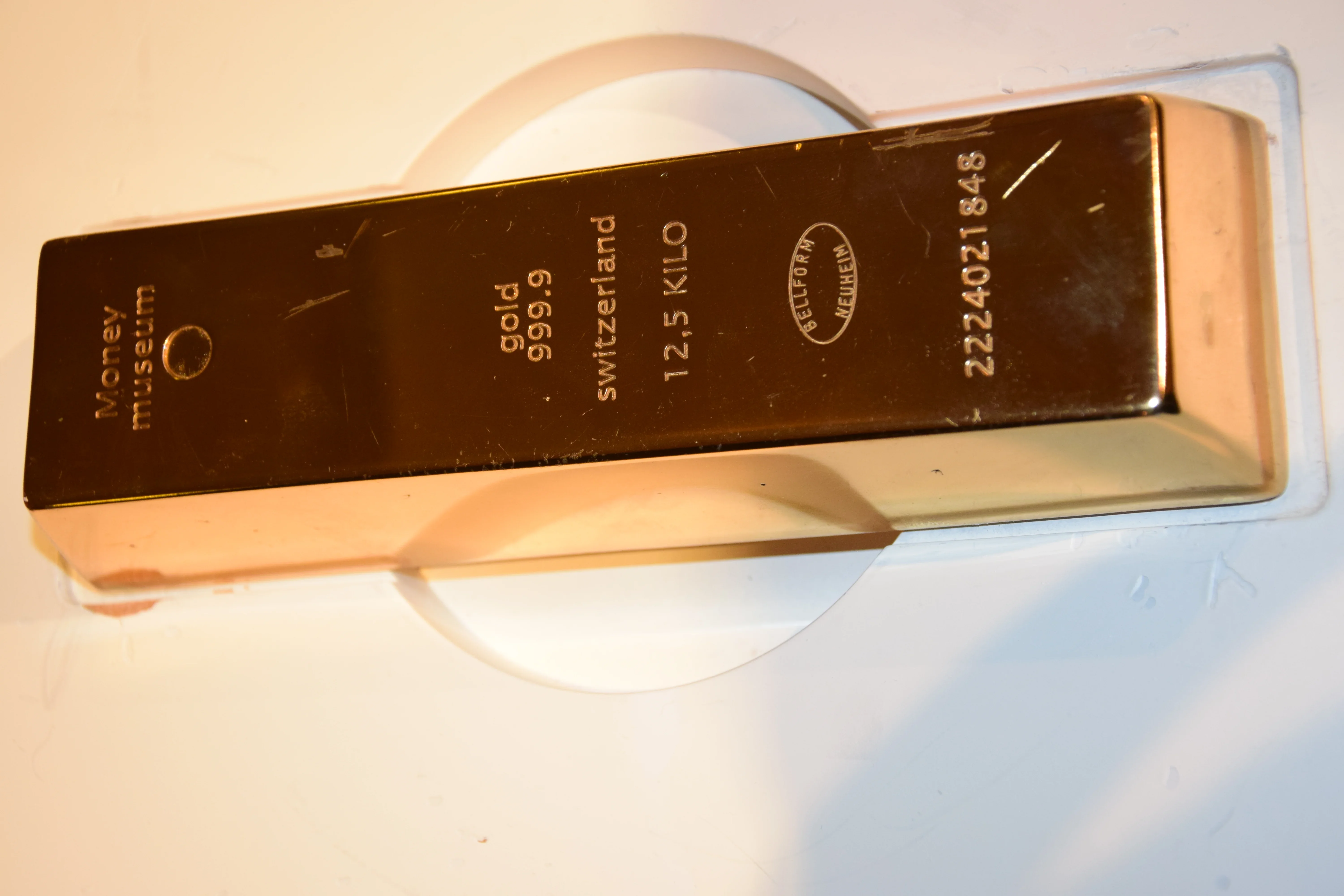
The price of gold has again held above the psychological threshold of "$4000 per troy ounce," after the precious metal suffered its weakest quarter in 13 years between April and June. Futures and spot quotes are hovering around and slightly above $4000, which indicates a partial recovery following a sharp decline at the end of the second quarter of 2026.
The worst quarter since 2013
In the period from April to June, the price of gold fell by about "16 percent" – the largest quarterly drop since the second quarter of 2013. Investors temporarily lost interest in an asset that does not generate current income, in an environment of expected further interest rate hikes by major central banks. This made alternatives like government bonds and cash more attractive, especially for large institutional players.
Historic rally and correction
Previous months, however, showed how strong the interest in gold can be in conditions of uncertainty. As early as the autumn of 2025, the price passed the "$4000" per ounce mark for the first time in history, and later reached new records above $4300–4400. Within the year, the precious metal rose by over "50 percent," supported by the search for safe assets and active purchases by central banks.
Against this backdrop, the decline in the second quarter of 2026 can also be viewed as a classic correction after an exceptionally strong rise. It is important that, despite the worst quarter in over a decade, the price remains close to its historical range and has again stabilized above $4000.
Factors behind the recovery above $4000
The recovery of quotes above $4000 is explained by a combination of factors. First and foremost, geopolitical uncertainty – conflicts, sanctions, and tensions between major powers – continues to strengthen the demand for "safe-haven" assets. Gold remains the traditional choice for investors who want protection against sudden market shocks.
The weakening of the US dollar against a basket of currencies also contributes to a higher gold price, as the metal is denominated in dollars. When the dollar loses part of its value, investors often seek protection specifically through gold purchases. An additional factor is the expectation that the cycle of sharp interest rate hikes may slow down or reverse, which again makes non-yielding assets more acceptable.
The role of central banks and institutional investors
In recent years, central banks, especially in Asia and the Middle East, have been increasing their gold reserves as part of a strategy to diversify away from the dollar and traditional bonds. This structural demand supports the price even when speculative flows fluctuate. Large investment banks and analysts have already spoken of a possible range of "$4500–4900" per ounce in the coming years, provided that geopolitical and economic uncertainty persists.
Hedge funds and ETFs investing in gold also play a significant role: when risk increases, they increase their exposure to the precious metal, and when markets temporarily calm down, some of these positions are closed, leading to sharp upward and downward movements.
Interest rates and the "non-yielding" asset
Gold traditionally suffers in an environment of high or rising interest rates because it does not carry interest income. When yields on government bonds and deposits increase, investors often redirect their capital to these instruments. It is precisely the fear of new interest rate hikes that explains part of the decline during the second quarter of 2026.
At the same time, gold remains a valuable tool for protection against inflation and long-term risks. In periods when markets expect softer monetary policy or even interest rate cuts, the metal quickly recovers its positions – as happened with the return above the $4000 threshold.
What this means for investors
The combination of the worst quarter in 13 years and a subsequent recovery above $4000 shows that gold remains both a "defensive" and a highly volatile asset. For long-term investors, this is a reminder that the metal's role is primarily as a means of diversification and hedging, rather than as an instrument for short-term speculation.
The outlook for the price depends on several key factors: the direction of interest rates, the dynamics of the dollar, geopolitical risks, and the policies of central banks. If uncertainty remains high and monetary policy shifts to a softer course, gold may maintain or even increase its value above $4000. However, if interest rates continue to rise steadily, it would not be surprising to see new periods of correction.


Comments (15)
Абе, хора, вие нормални ли сте?! 4000 долара злато?! Преди малко четох статията и ми се видя като фантастика, ама май наистина е така! Я си го представите - тройунция за 4 бона... лудост!
Еее, наистина ли е така? Къде ще ни докара тая работа, бе?
хм, интересно… 4000 долара за тройунция. не е нещо невиждано, предвид случващото се в света – все пак златото винаги е било сигурно убежище при кризисни времена. макар че последните три месеца да са били слаби, очевидно геополитическата обстановка и слабостта на долара влияят на пазара. дано този възход се задържи за ма
Хм... Да, видях новината. Наистина рязък скок след слаб квартал – показва, че пазарът е нестабилен, нали? Геополитическата обстановка наистина играе голяма роля, особено сега. Интересно ще е да се види 🇧🇬
Абе, здравейте на всички. Видях коментарите, интересно сте се захванали с темата. Да, златото скочи, факт е. Ама да не се заблуждаваме – пазарът е като камилче, едно хубаво го бутнеш и изведнъж прави странни движения. Геополитическата