
 Analysis
Asen Vasilev: Fuel measures will not reduce prices
Asen Vasilev, leader of "Continue the Change", believes the announced 300 million euro package will not lead to lower prices for Bulgarian families.
In-depth analyses, informed forecasts, and interpretations of important events and trends.
Analysis
Asen Vasilev, leader of "Continue the Change", believes the announced 300 million euro package will not lead to lower prices for Bulgarian families.
 Analysis
Present a package of measures to avoid stagnation and an inflationary shock due to Saudi Arabia's restrictions on oil supplies to Europe.
 Analysis
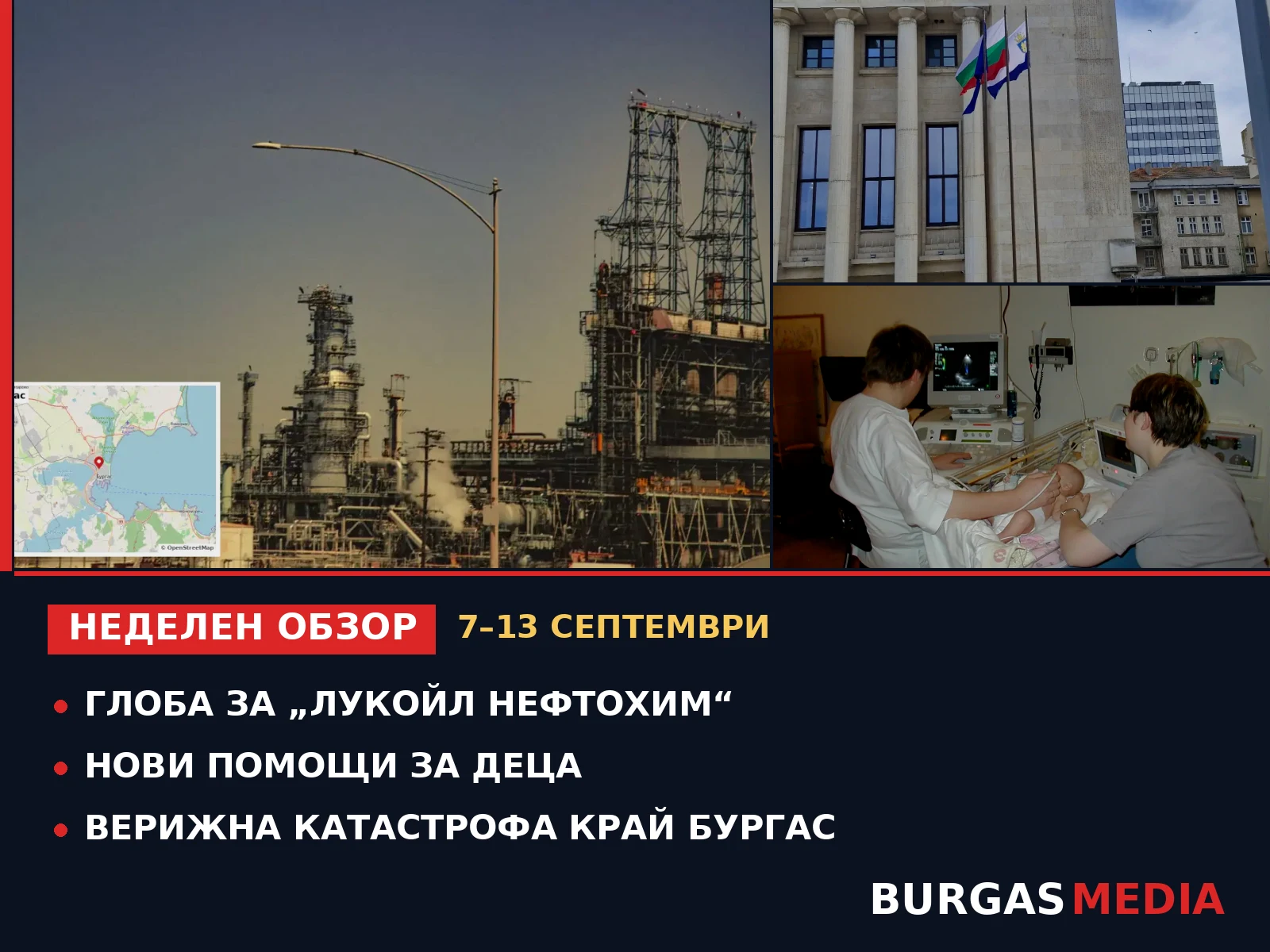
Our week took us through a gas fog in Dolno Ezerovo, administrative election preparations, and important changes in social policy. We conclude with a…
 Analysis
Brent crude reached $108.22 per barrel in Asian trading. The rise is due to military tensions and attacks on vessels in the Persian Gulf.
 Analysis
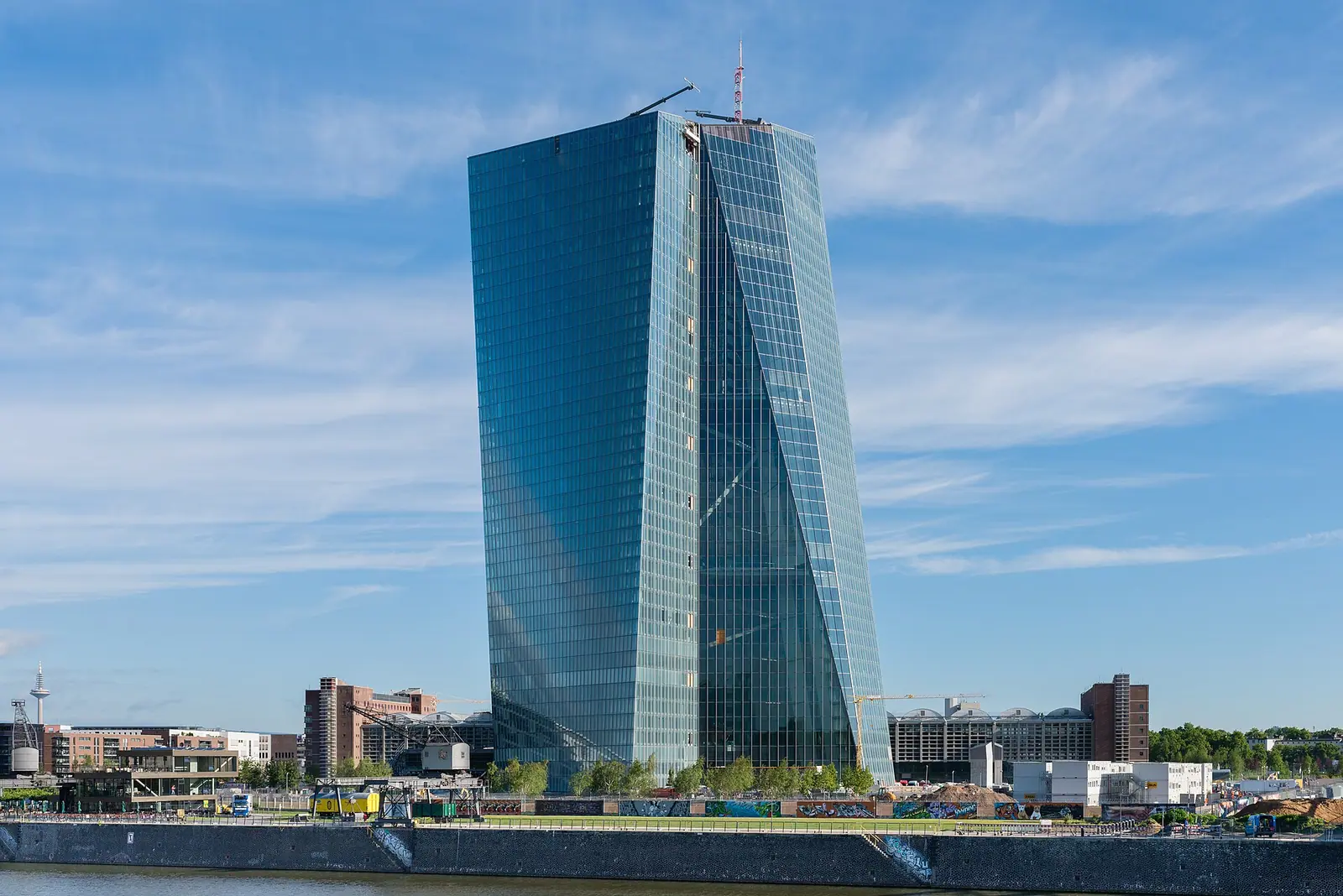
Investors are tracking US consumer price data and ECB decisions amid Middle East escalation, which has led to an increase in oil prices.
 Analysis
The week brought a mix of alarming incidents in the urban environment and profound reforms in tourism and education. While we grapple with…
 Analysis
The investigation into the drone discovered between Tsarevo and Varvara reveals a trend of unidentified objects appearing along the Bulgarian Black…
 Analysis
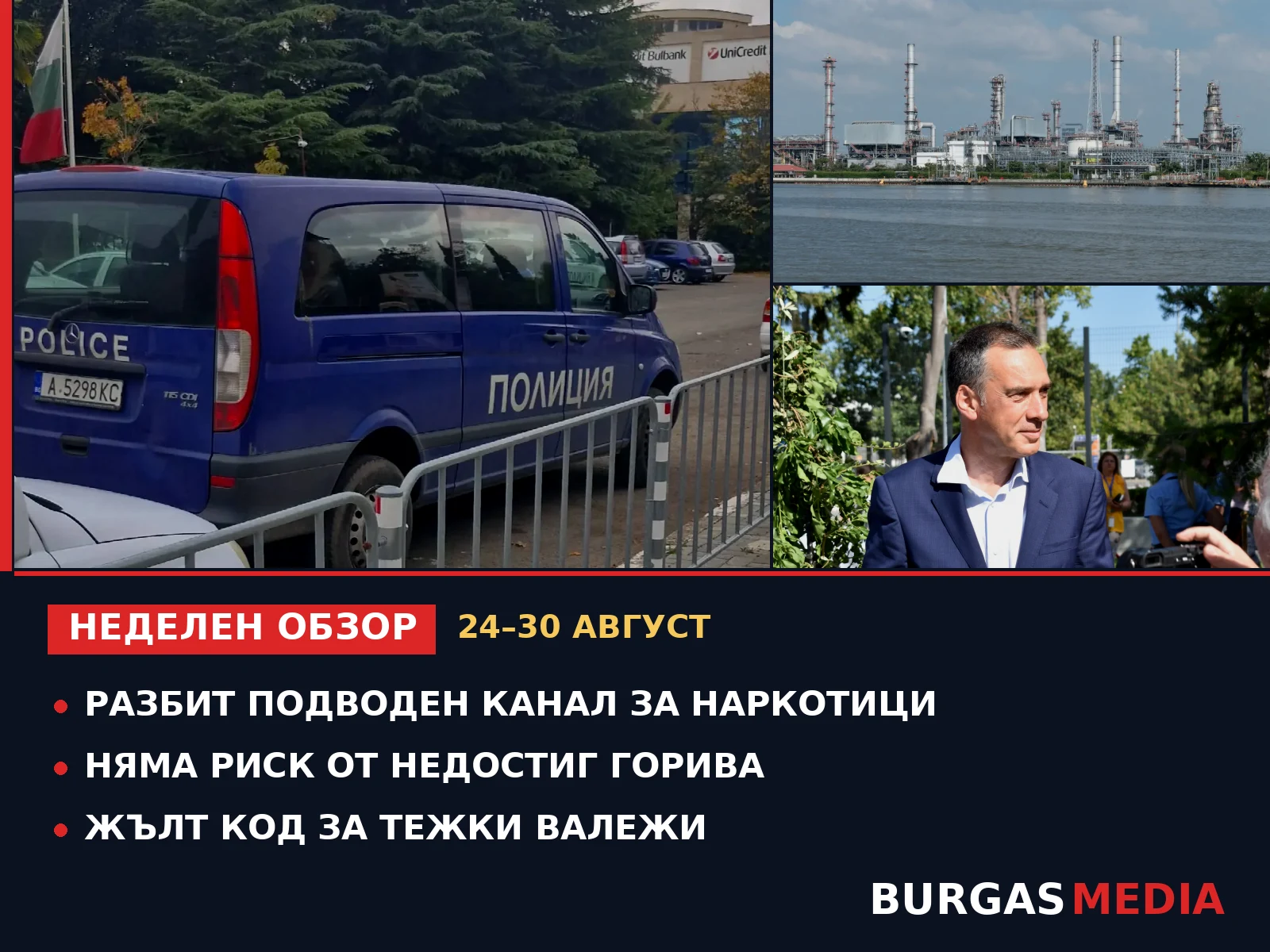
The week in Burgas and the region took us through unexpected technological challenges, energy stability, and political disagreements. From underwater…
 Analysis
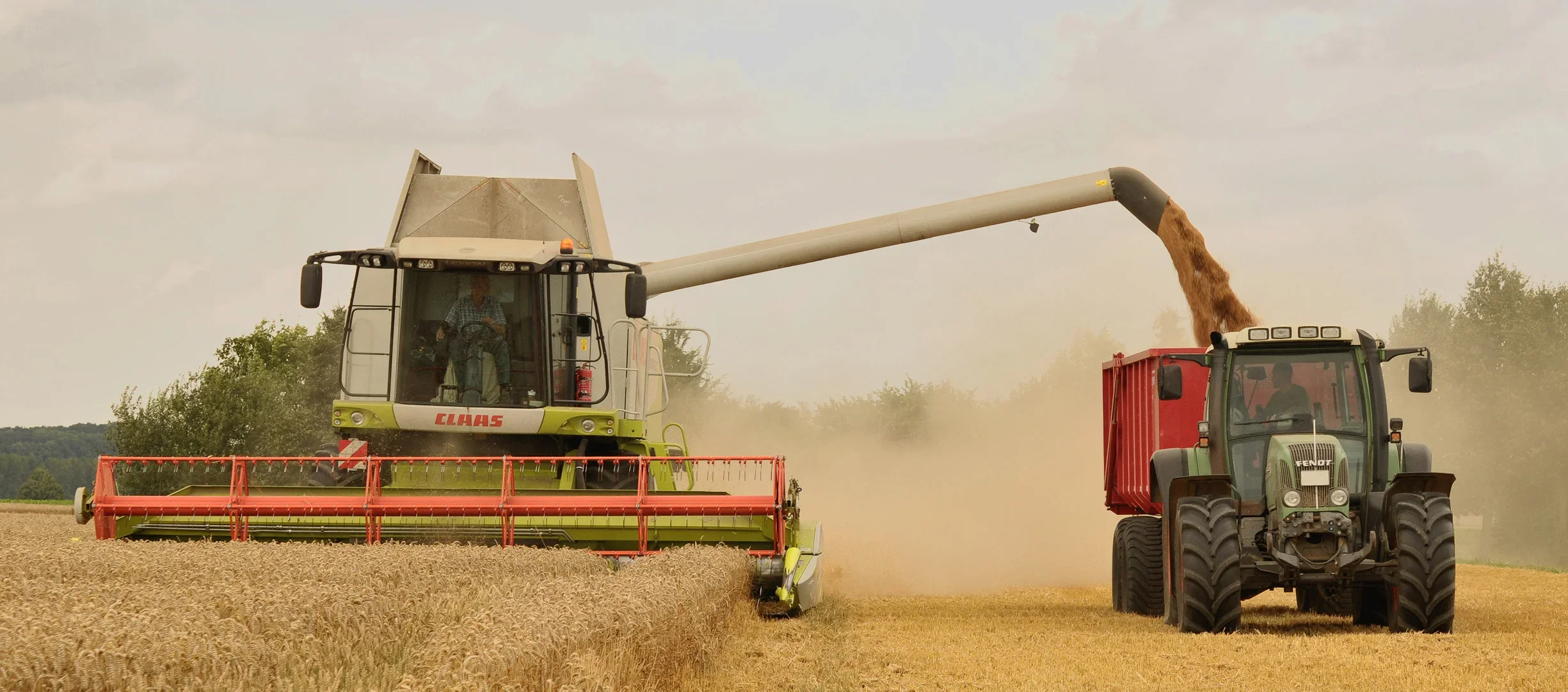
Prolonged heatwaves and water shortages are forcing European farms to invest in soil, efficient irrigation, resilient crop varieties, and risk…
 Analysis
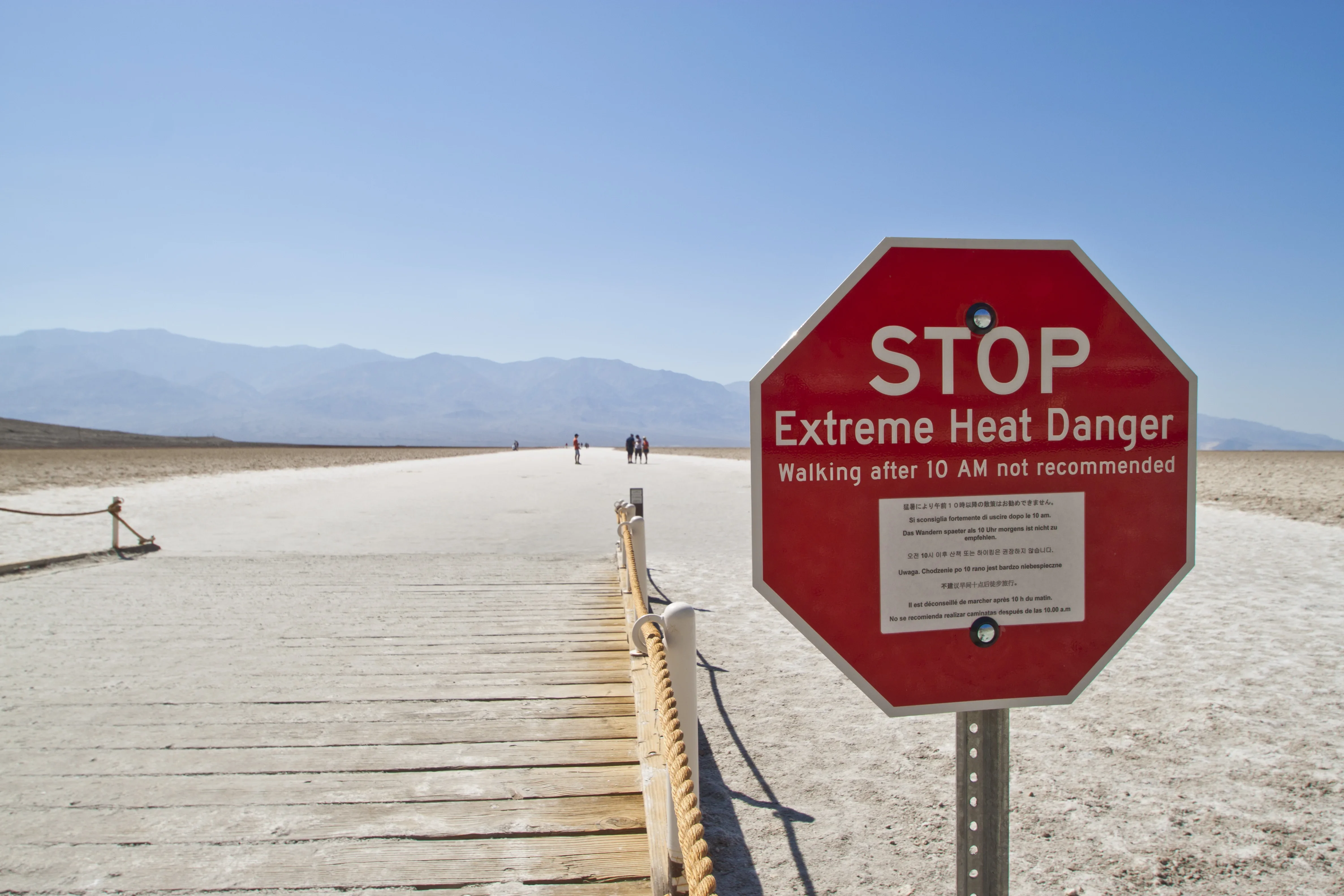
A model by Stanford scientists shows that with 1.5°C of warming, dangerous heat will affect at least 290 million people over 60 for at least a month…
 Analysis
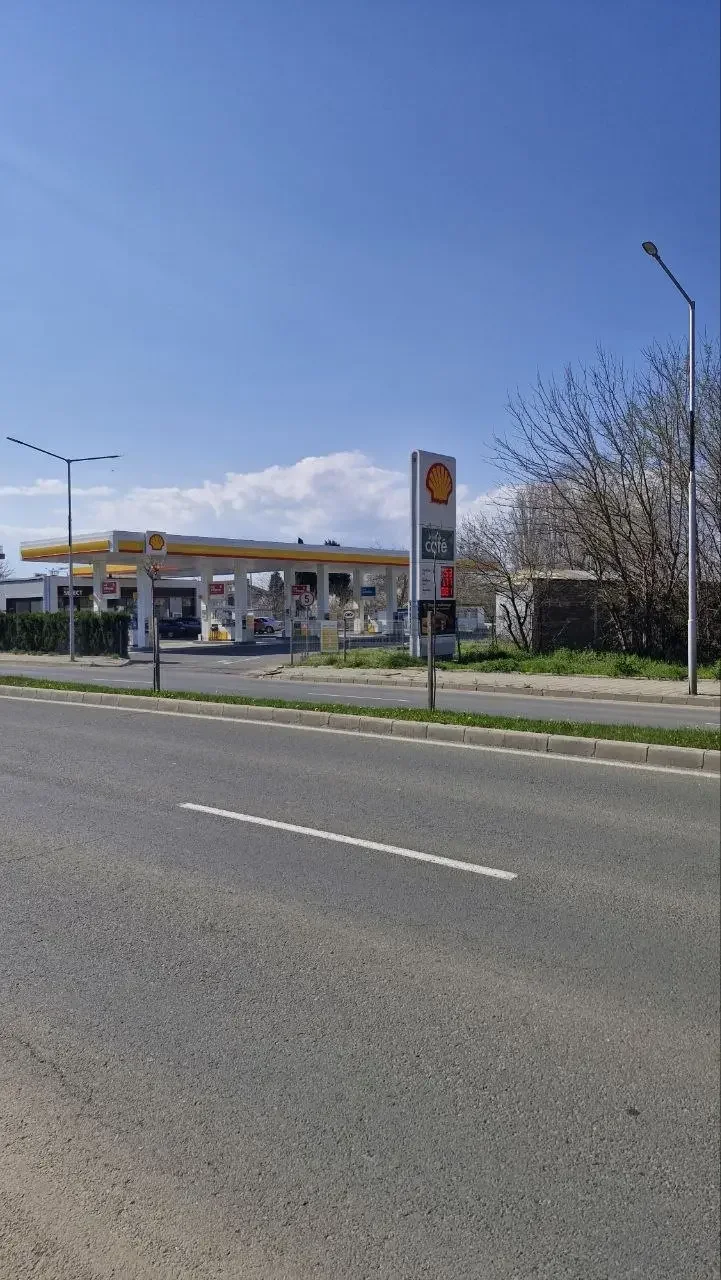
Fuel prices in Bulgaria continue to rise following the escalation in the Middle East - diesel is seeing the most noticeable price hike, and gas…
 Analysis
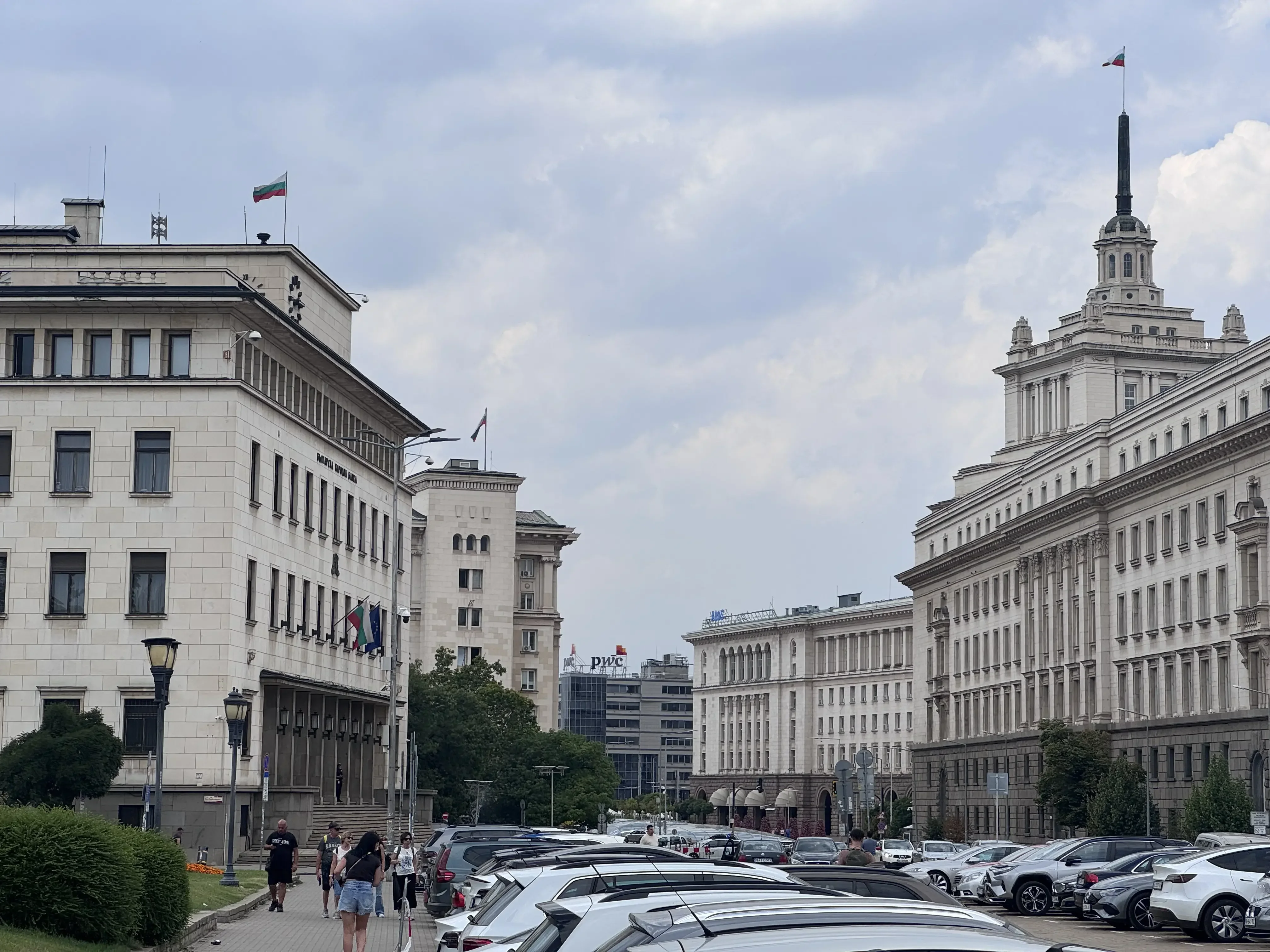
In June 2026, annual inflation in our country cooled to about 5.3%, but remains the second highest in the eurozone – significantly above the average…
 Analysis
By mid-2026, the number of tourists in Bulgaria is increasing, but the growth is coming from urban and domestic tourism, while the seaside season…
 Analysis
Bulgaria records the second-largest decline in industrial production in the EU in May. An analysis of trends, causes of the crisis, and a comparison…
 Analysis
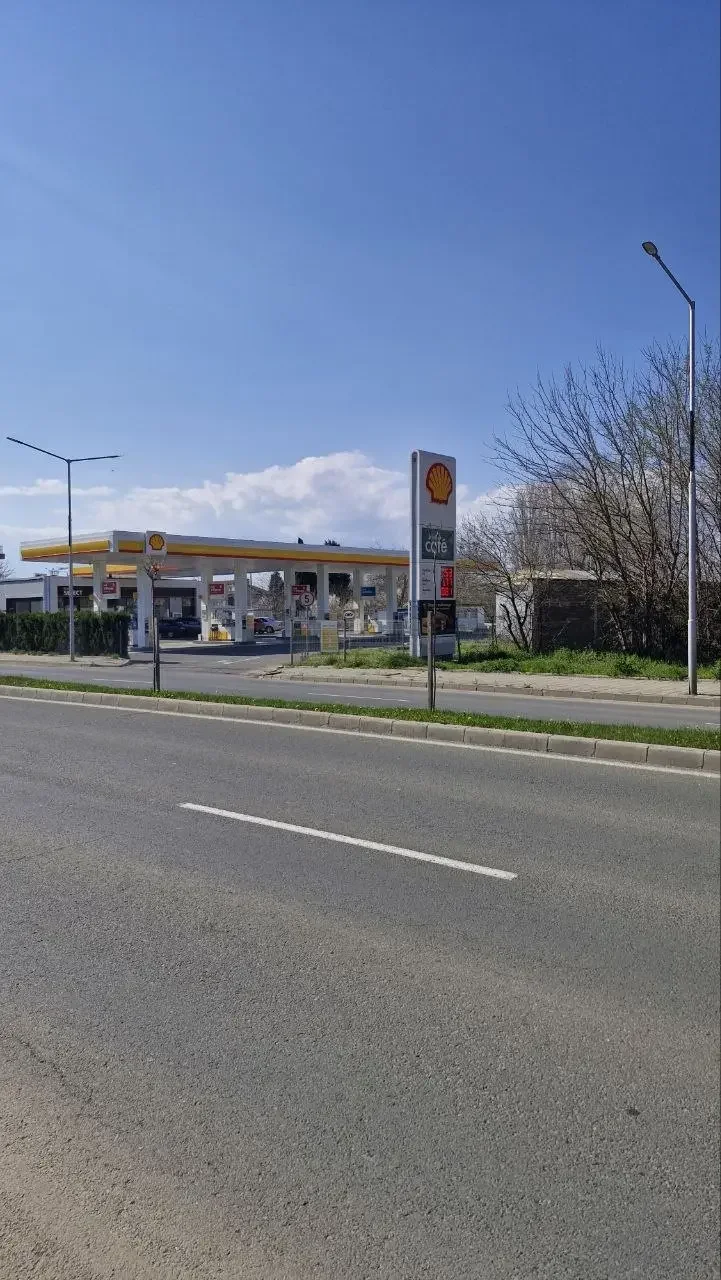
Gasoline and diesel in Bulgaria on July 11, 2026, are significantly below the EU average, while in Western Europe, prices remain above 2 euros per…