
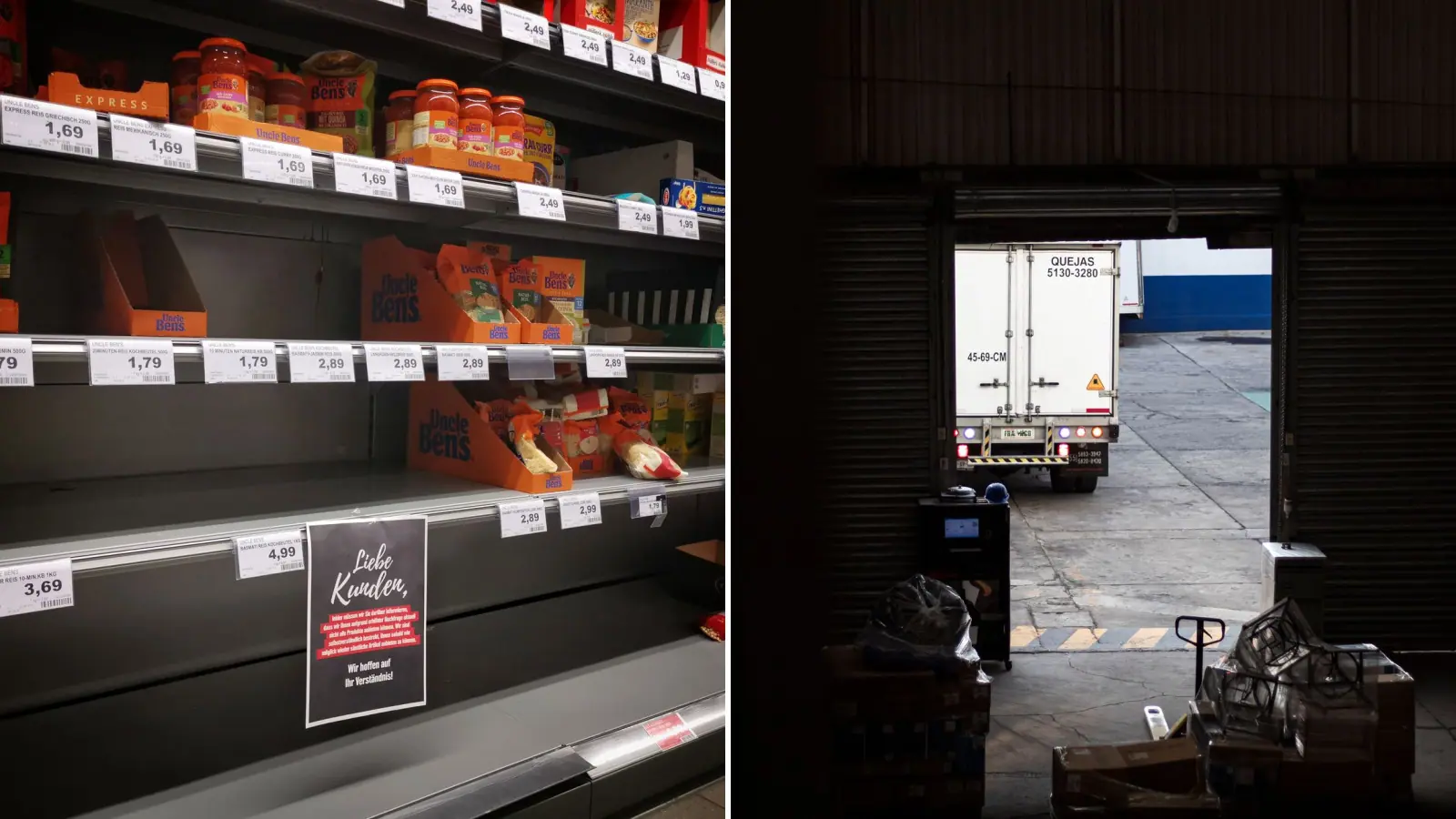
In 9 out of 10 cases, prices rise because costs go up earlier in the supply chain, not because of the retailer, Nikolay Valkanov of the Association for Modern Trade told BNT. He was a guest on the show "The Day Begins".
Valkanov criticised the government's steps against high prices and the new limits on mark-ups. He said the pressure on businesses that operate openly is unprecedented.
He said many foods in Bulgaria are cheaper than in the rest of the EU. Meat costs about 30% less, fish and bakery products, including bread, about 20% less, and the gap for fruit and vegetables is 13% to 17%. These goods are not this cheap anywhere else in the EU, he said. Bulgaria and Denmark have the highest VAT on food in the EU, and that should be taken into account when making comparisons, Valkanov added.
"Do you really believe the government wants prices to fall? If they fall, how will it meet its VAT revenue plans? It won't," he said. He said it suits those in power to have someone to blame.
Laws on mark-ups have been pushed through since the start of summer. One of the new rules bans a mark-up of more than 10% between similar products. Valkanov believes this takes away a retailer's ability to manage its own range of goods.
In practice, a shop has two choices, he explained. It can drop the goods with the lowest mark-up, which earn it nothing, or the most expensive products. With the second option, the whole category starts to lose money and the retailer has to leave the business.
Valkanov said the "mark-up" itself does not exist. What exists is a gross margin, the gap between the price the shop pays and the price it sells at. Out of this, the retailer pays for internal logistics, supplying its branches, electricity and wages. He noted that electricity is more expensive for Bulgaria and Bulgarian business than anywhere else.
Valkanov also put a question to Maya Manolova: "I want to ask Ms Maya Manolova: what exactly should we cut – wages, lay off staff, or stop paying for electricity?"
The government plans aid for businesses, expected next summer. Valkanov said it will go only to selected firms and will arrive when inflation has already absorbed the pressure on prices.



Comments (1)
девет от десет случая... май верно има нещо гнила работа някъде по средата