
 History
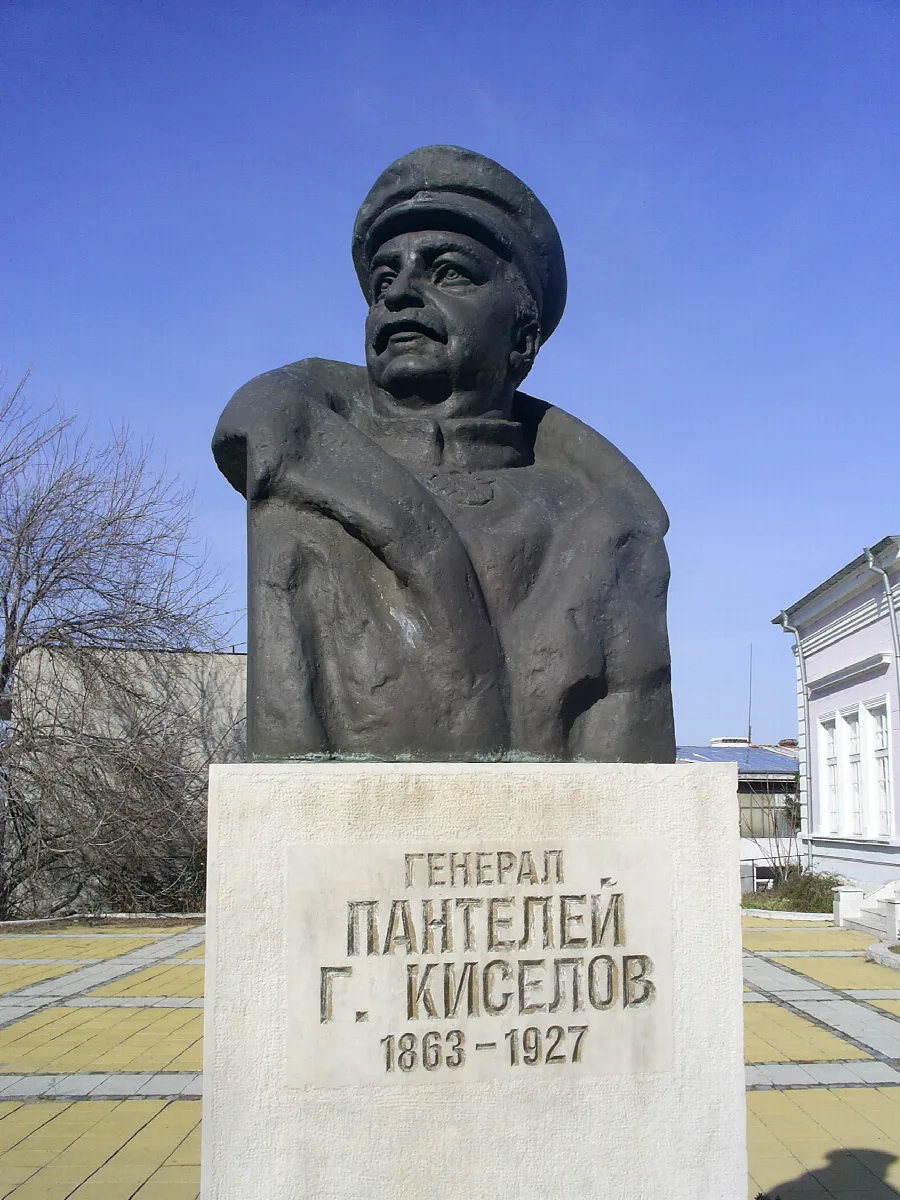
Gen Panteley Kisselov, born 163 years ago, took Tutrakan
The general from Svishtov led the 4th Preslav Division, which captured the Romanian fortress of Tutrakan in September 1916.
News, analysis, and features about historical events, dates, figures, and discoveries.
History
The general from Svishtov led the 4th Preslav Division, which captured the Romanian fortress of Tutrakan in September 1916.
 History
The engineer from Brestovitsa worked for NASA and helped create one of the world's first digital watches and one of the first wireless heart monitors.
 History
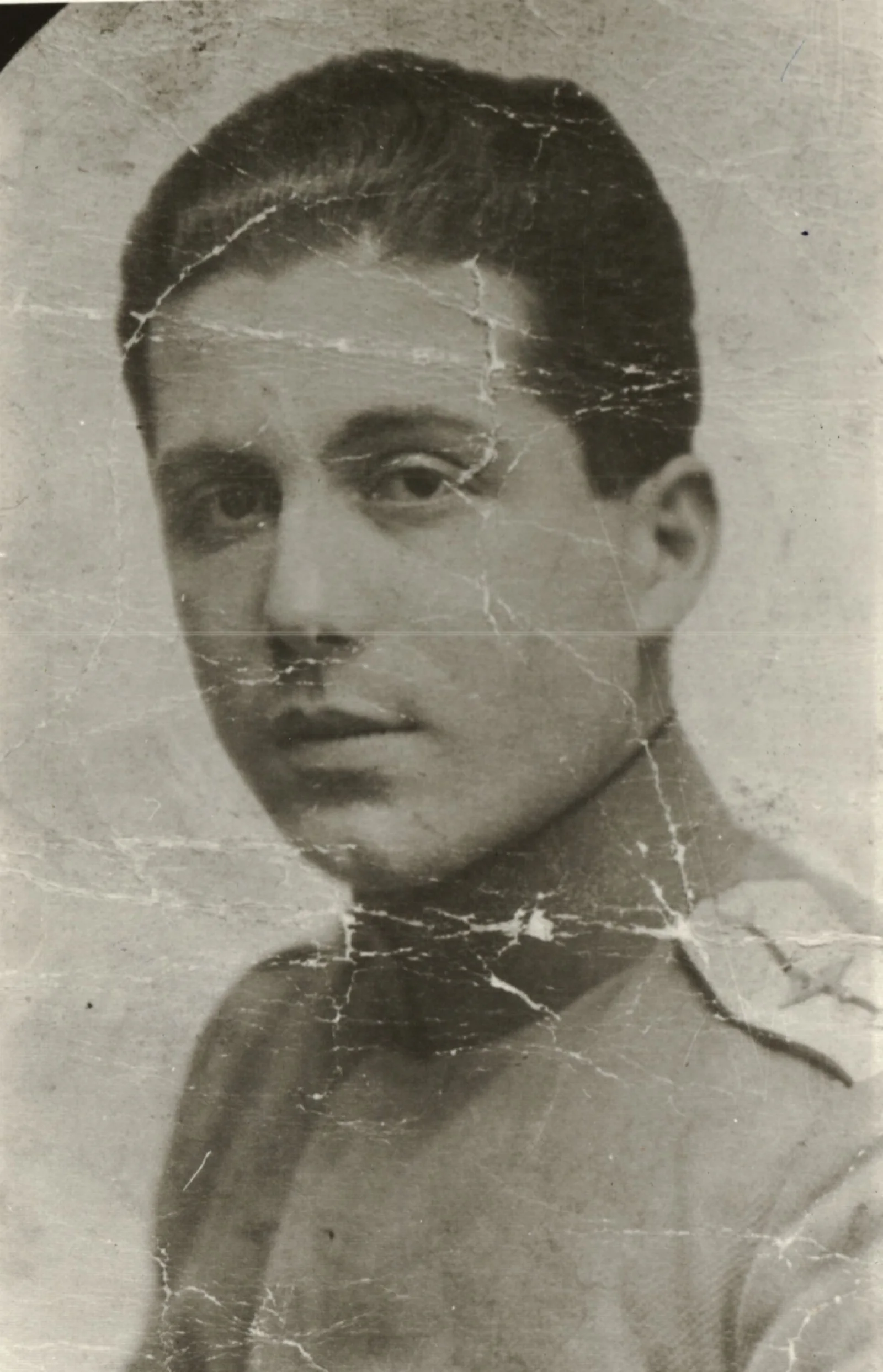
Asen Yordanov flew the first Bulgarian plane at 18. In the US he later wrote flying textbooks that sold more than 750,000 copies.
 History
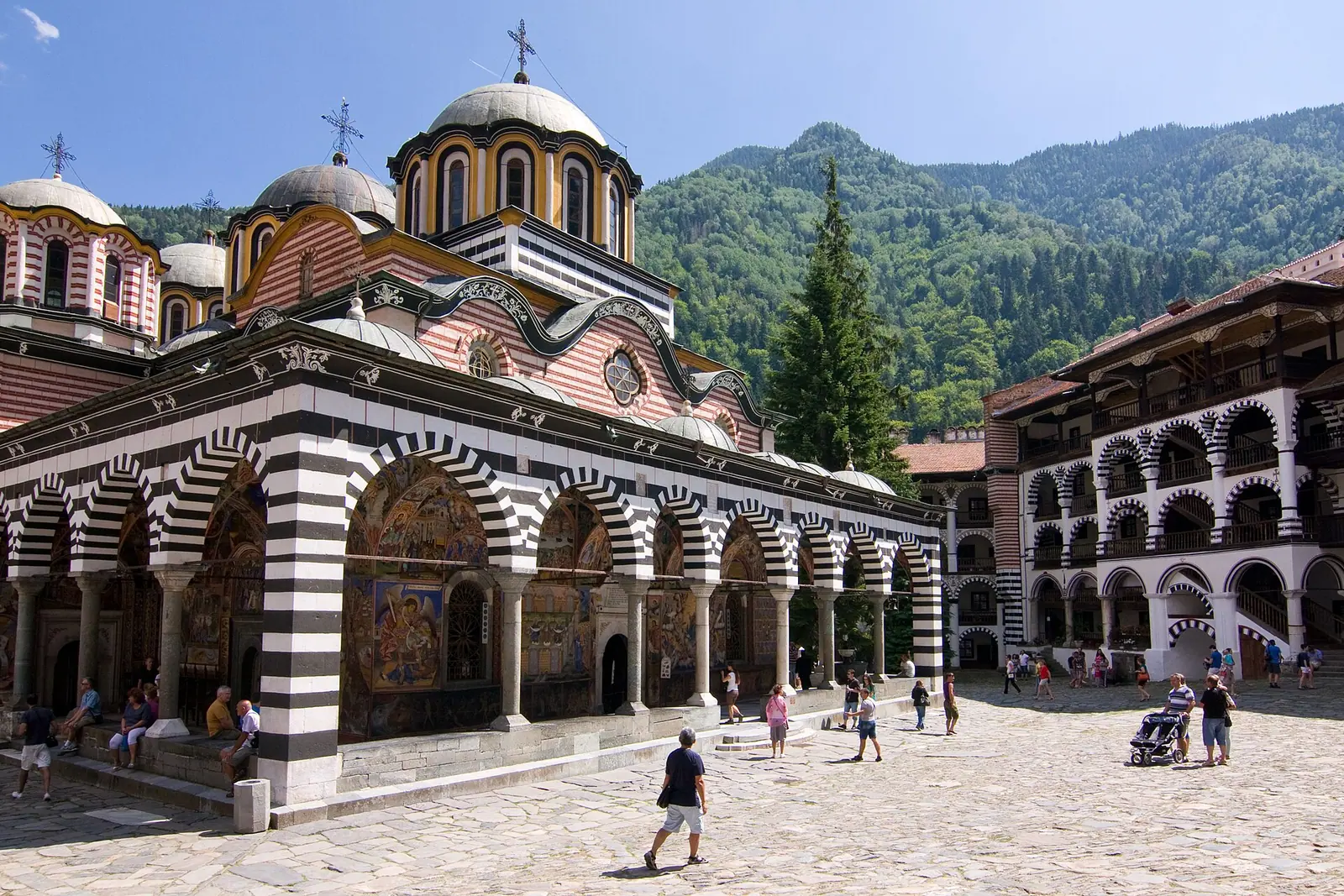
The Church honours St John of Rila, the heavenly patron of Bulgarians, on 19 October. The day is also Bulgarian Doctors' Day.
 History
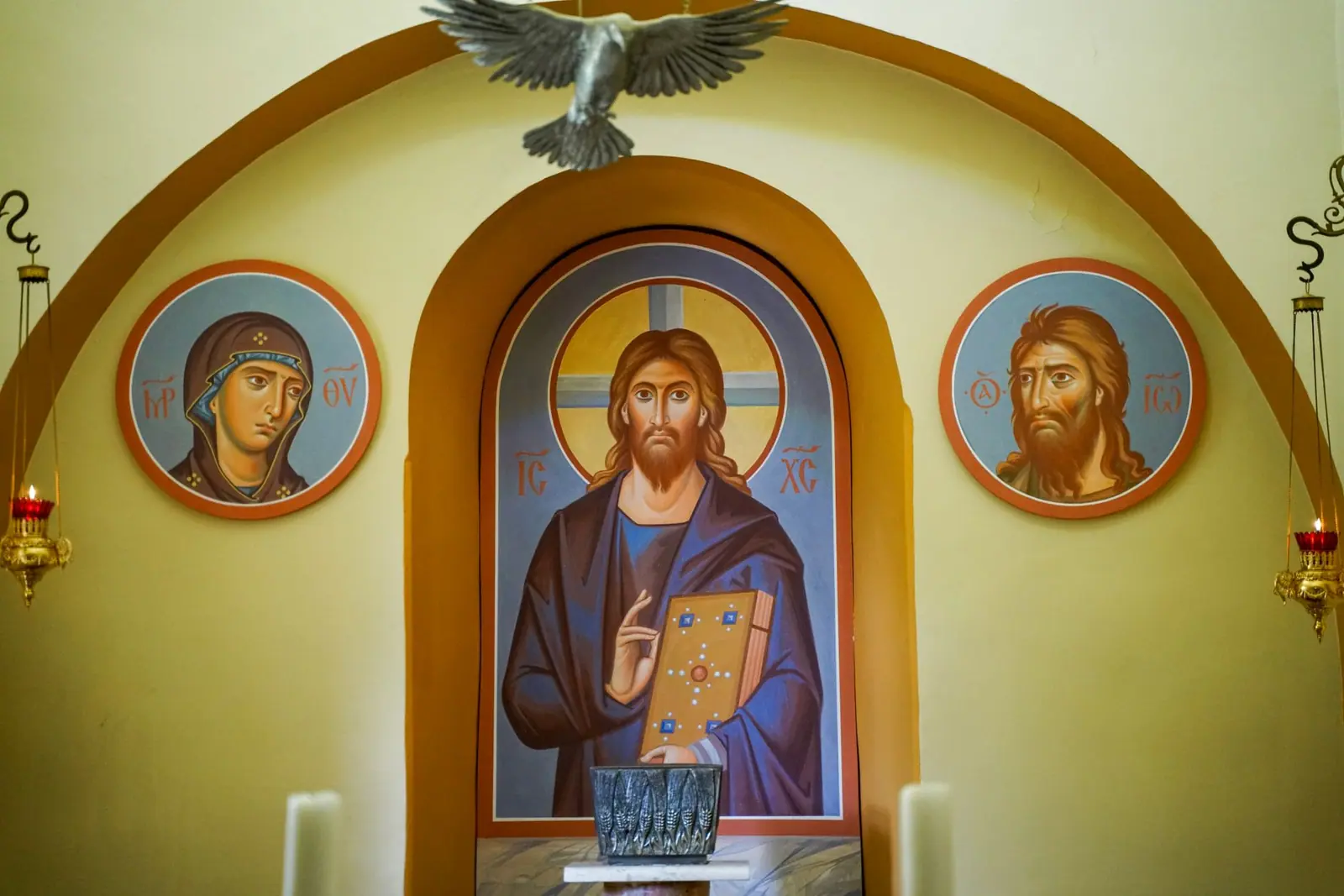
The Orthodox Church honours St Zlata of Meglen and St Luke today. Luke is the patron saint of artists.
 History
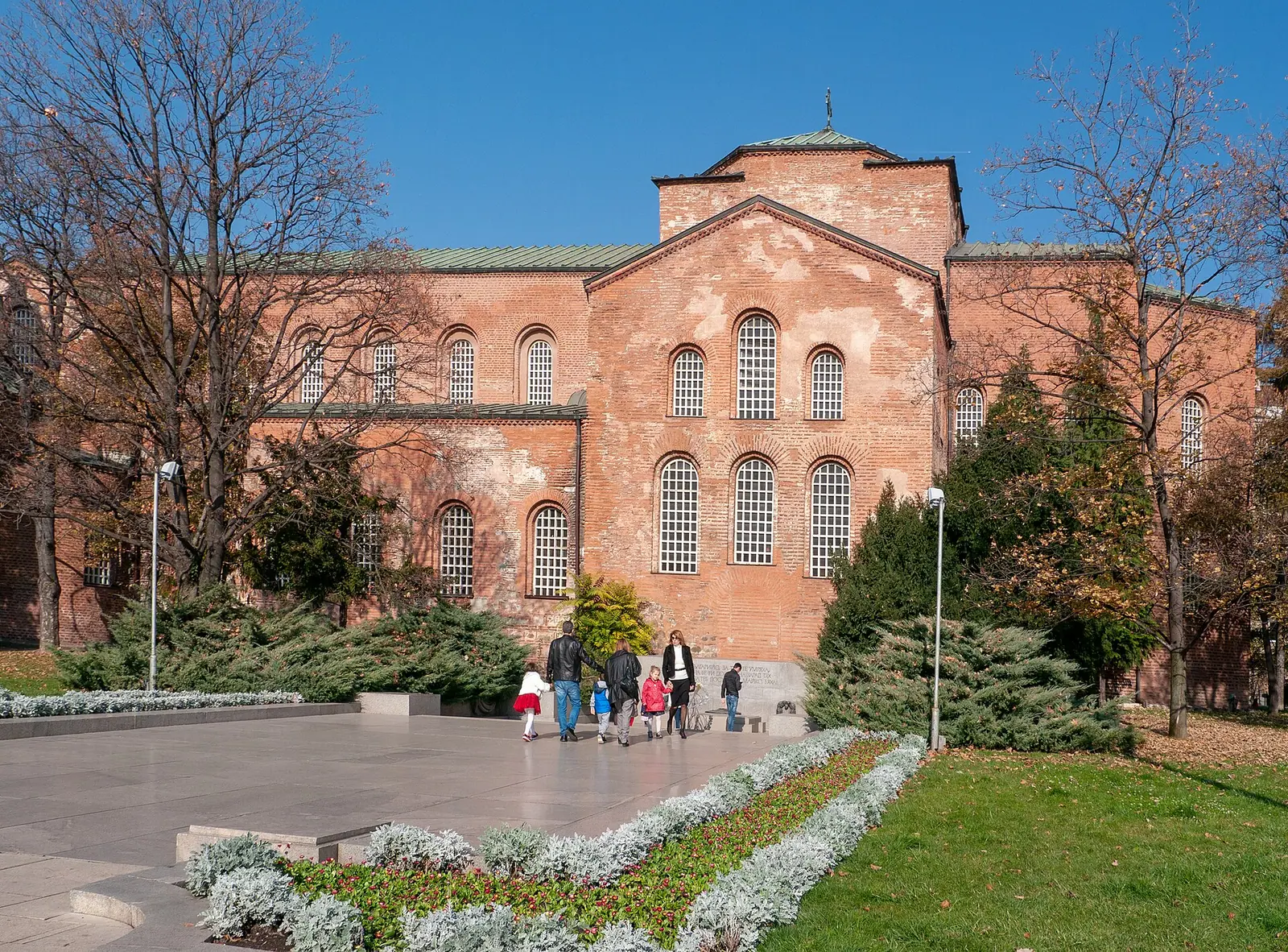
Tsar Samuil's remains were placed in St Sophia church on October 3 and are accessible for veneration in Bulgaria for the first time.
 History
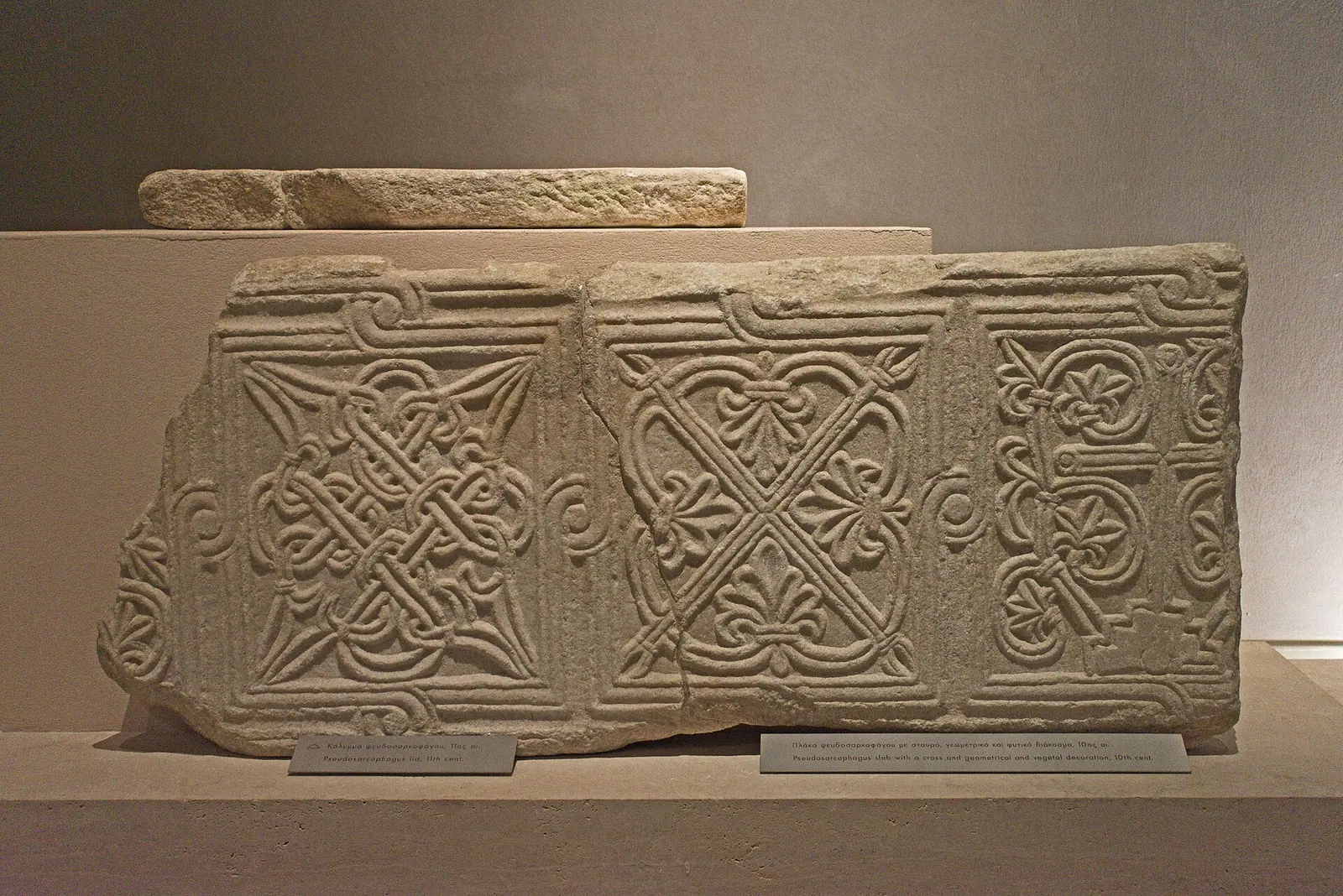
The grave of the ruler, who reigned from 997 to 1014, was found in 1969 in the Saint Achilles basilica in Prespa. Samuil is the only medieval…
 History
Classrooms in Burgas primary schools ran short, and residents raised 1,015 levs to buy shoes for the poorest pupils.
 History
The Democratic Bulgaria MP criticized attempts to manipulate historical memory and condemned the political violence of the communist regime.
 History
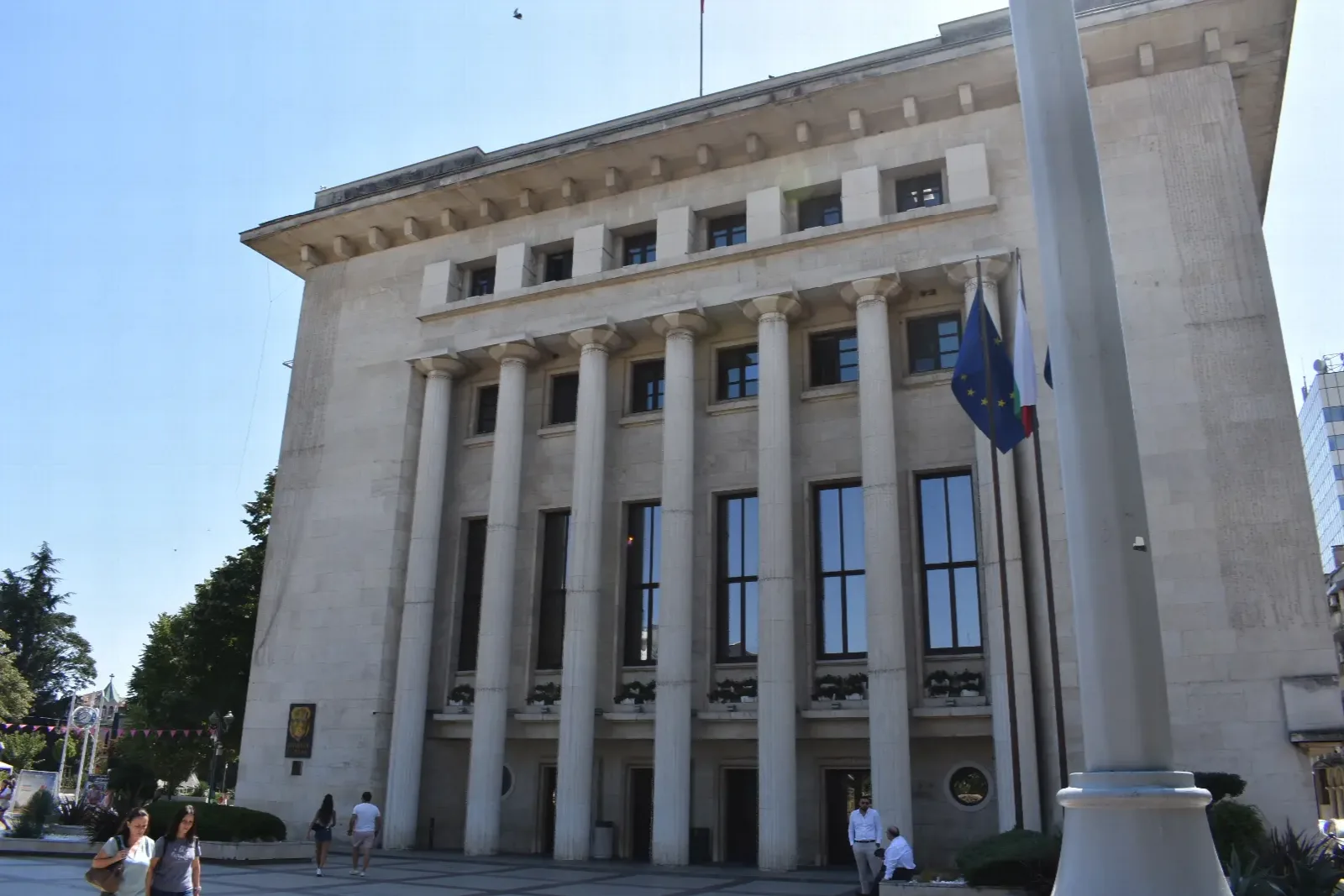
The Burgas regional governor called for unity around common goals, recalling the deeds of our ancestors in 1885 and the significance of September 6.
 History
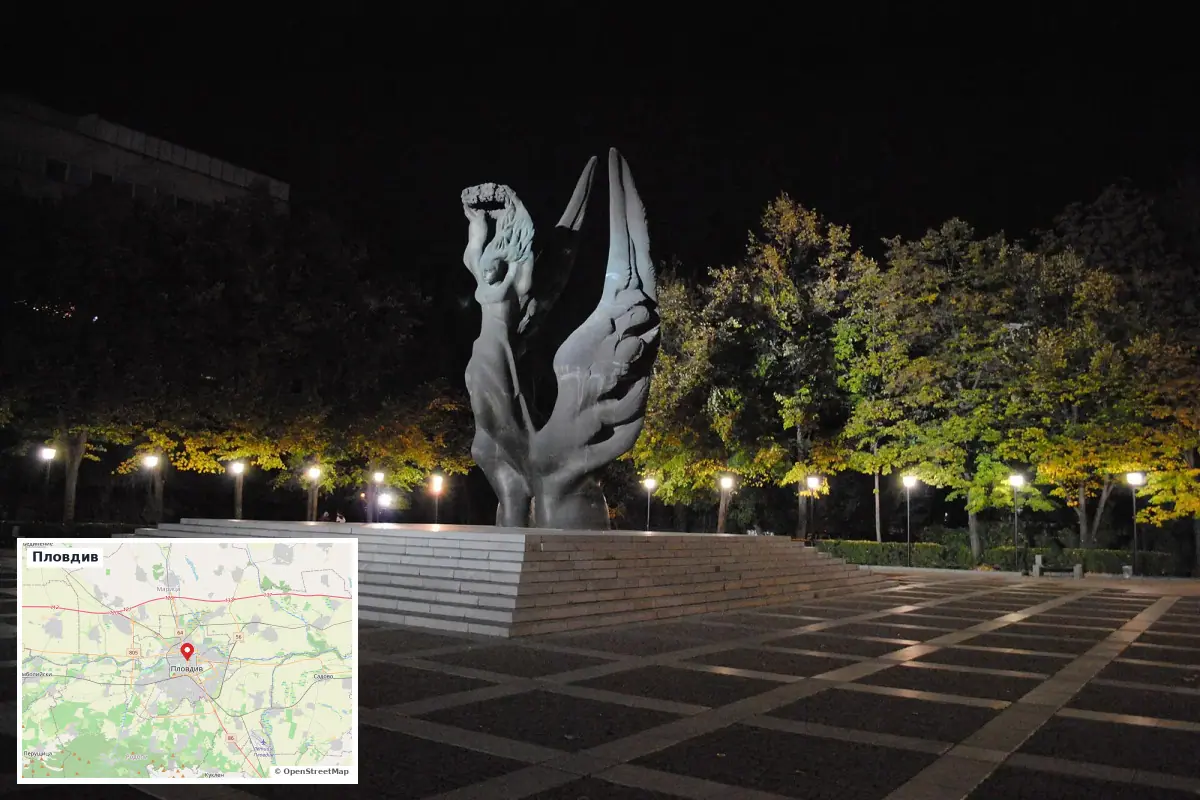
MP Ivo Mihaylov recalled the historical events of 1885 and emphasized Bulgaria's struggle to defend its independent national interests.
 History
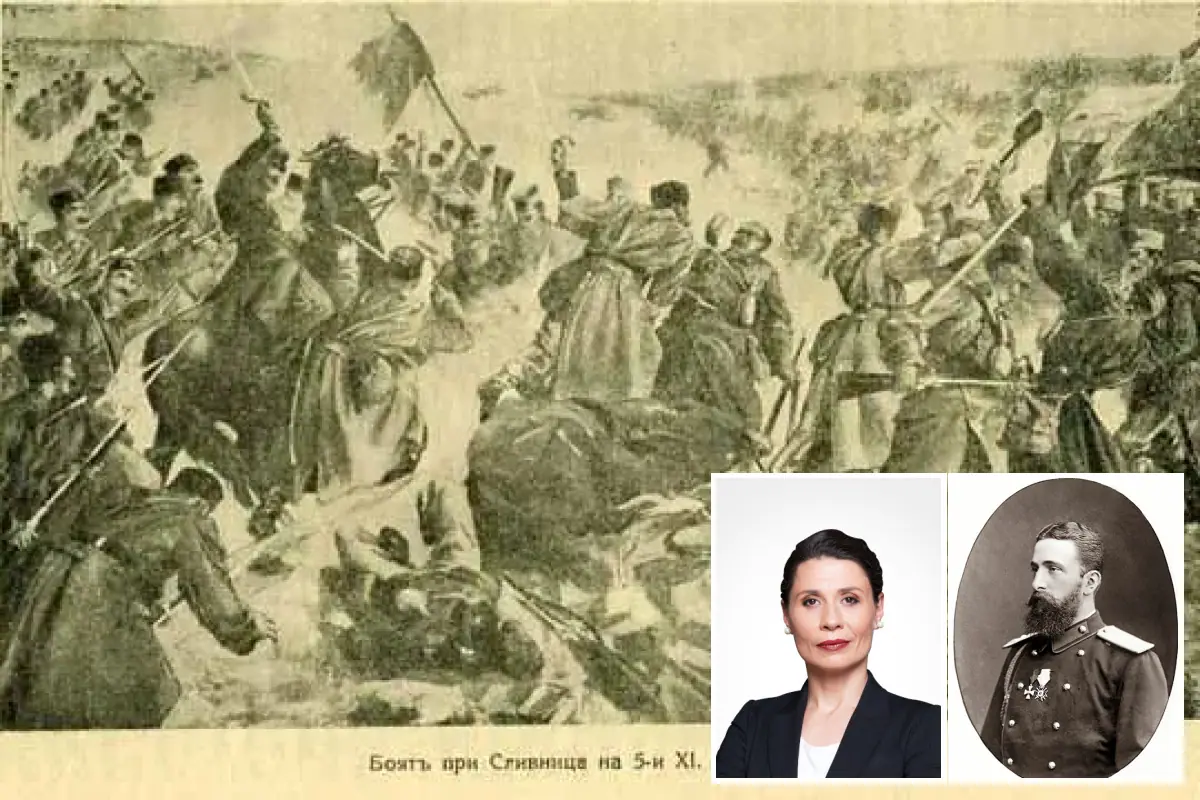
The MP from "Democratic Bulgaria" recalled the historical significance of September 6 and the military defense of the act by our young army at…
 History
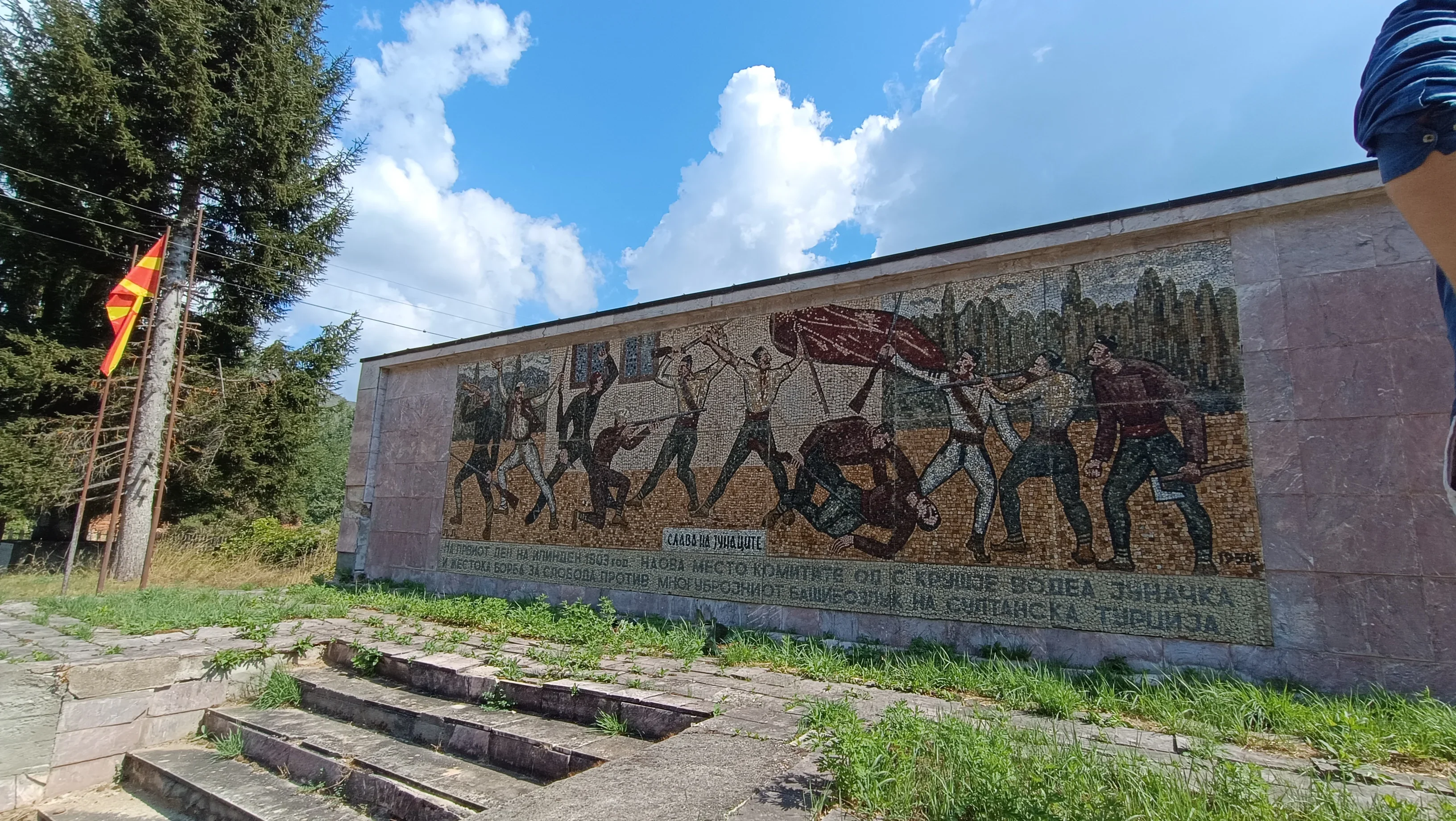
Vice President Iliana Iotova commemorated the 123rd anniversary of the Ilinden-Preobrazhenie Uprising. She called for unity and the protection of the…
 History
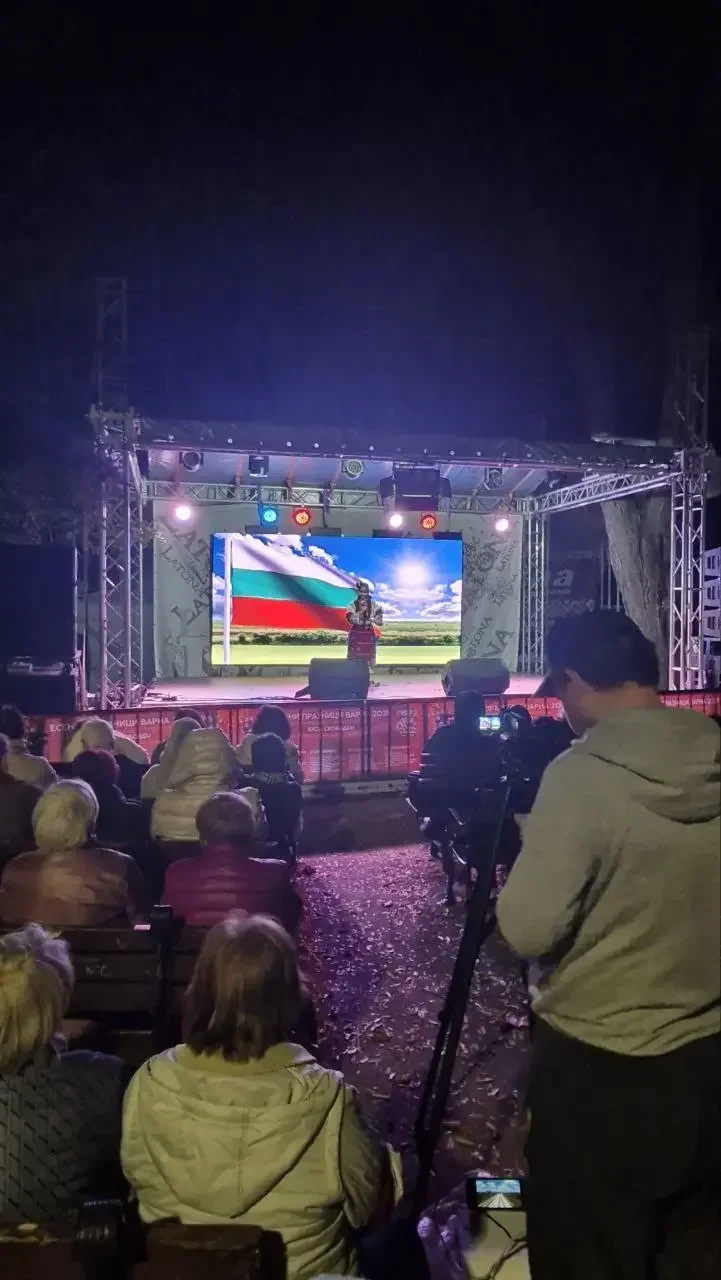
On August 20, Achelous marks 1109 years since the great victory of Tsar Simeon I. Expect a festive procession and a concert by Trio "Belcanto" and…
 History
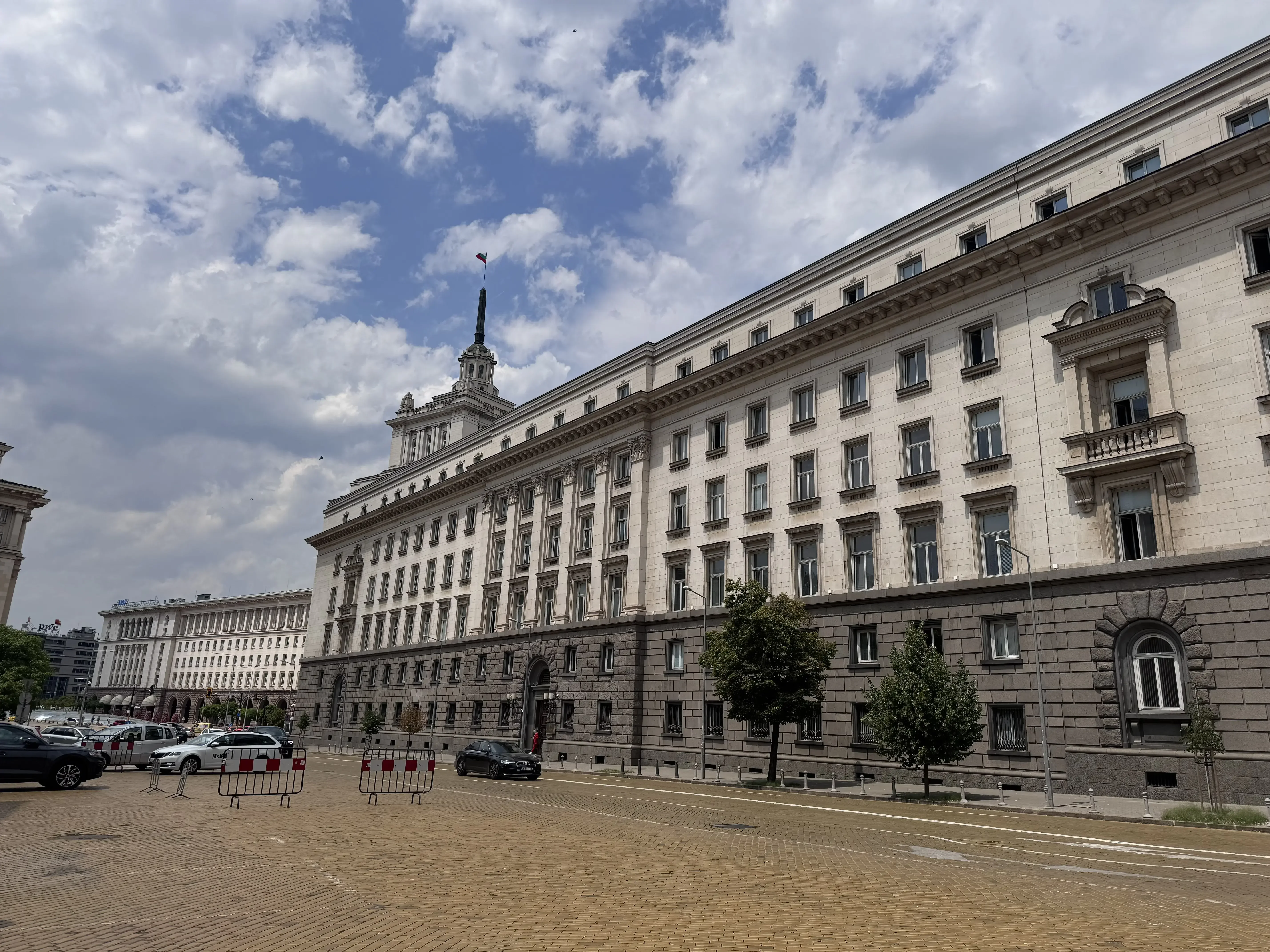
From the first decree of Prince Alexander I of Battenberg to the present day – discover how the Bulgarian diplomatic service has evolved and explore…