
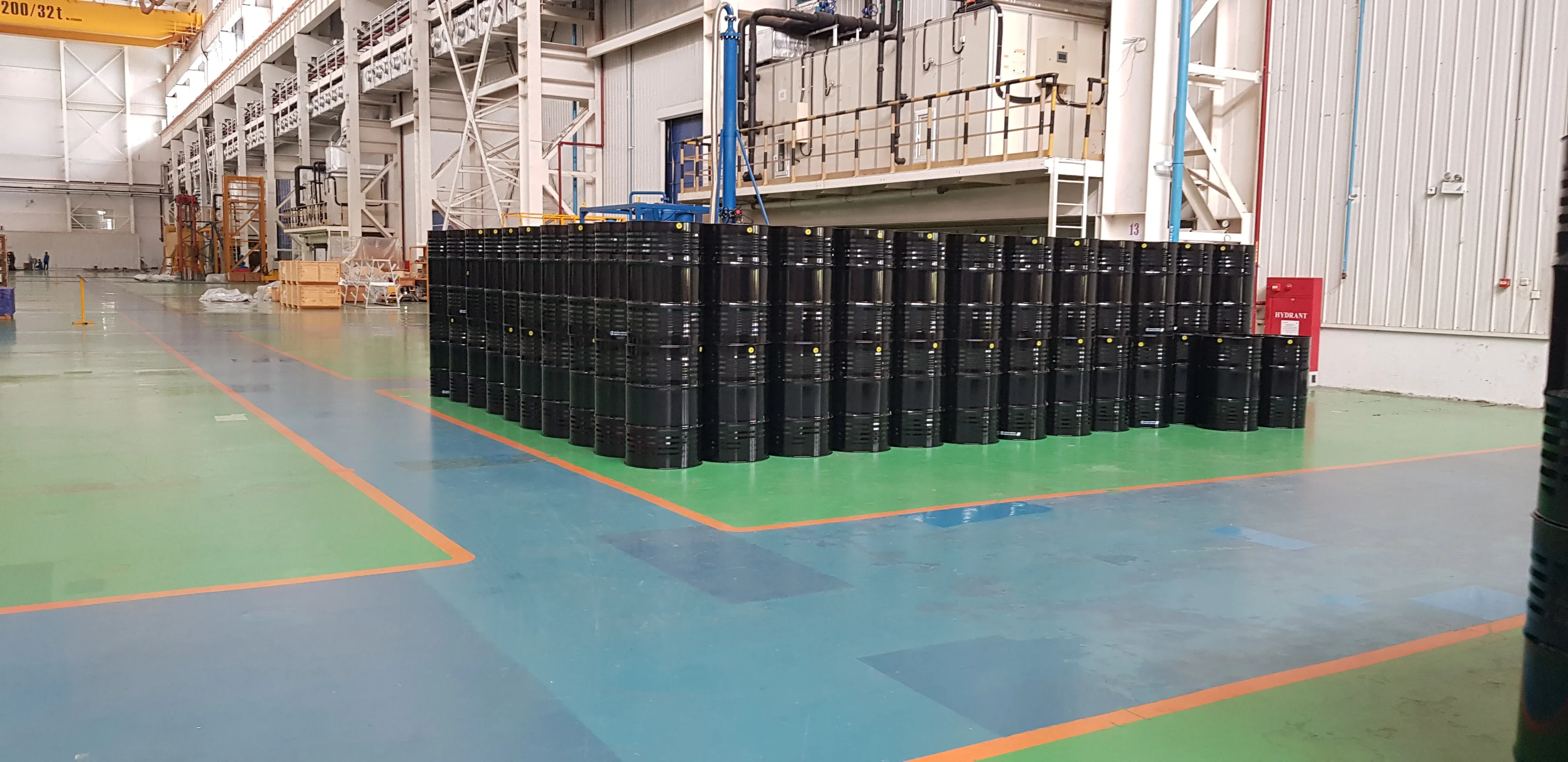
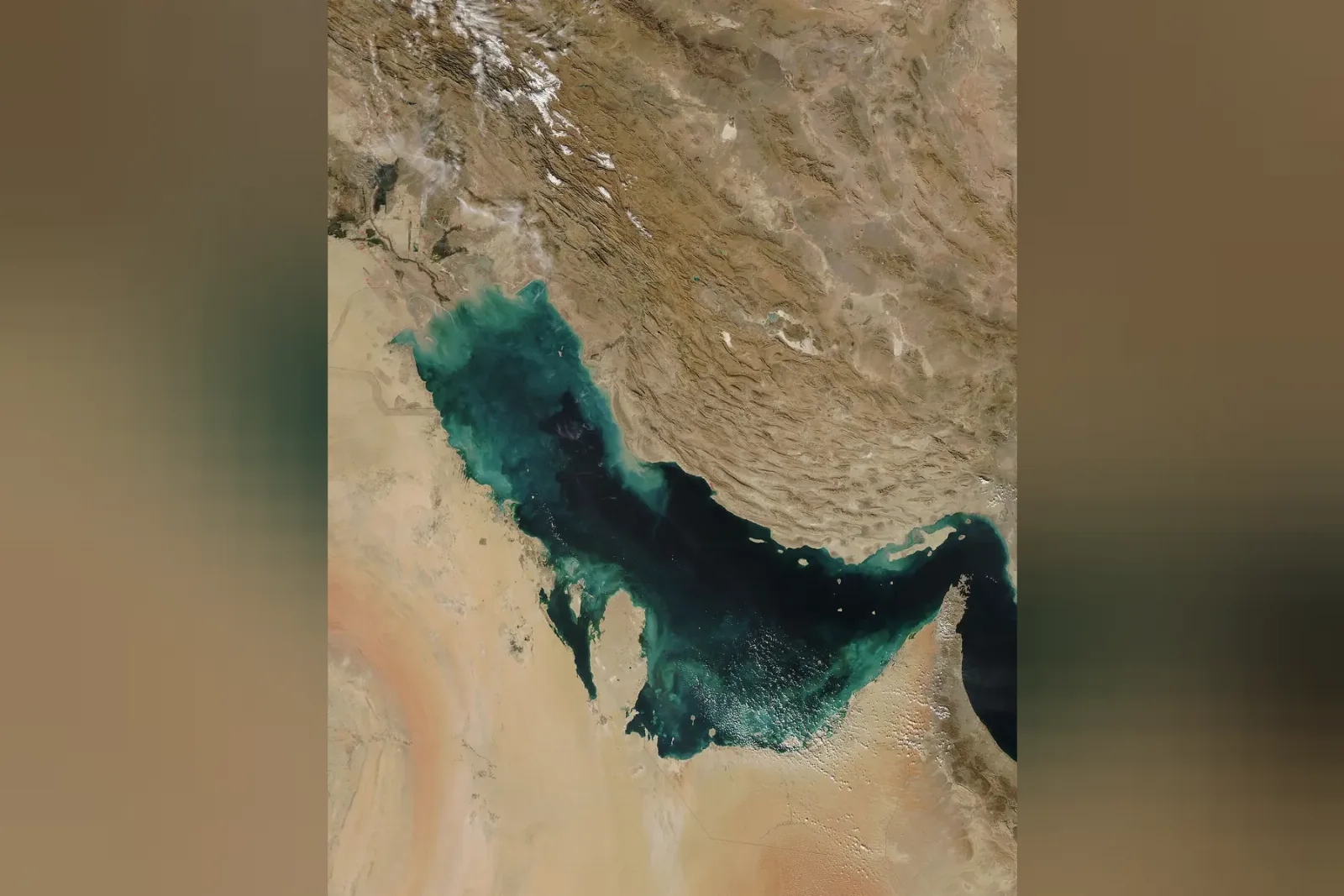
The global oil market is increasingly viewing supply disruptions in the Strait of Hormuz as a long-term problem rather than a short-term one. The international Brent crude benchmark has settled around $90 a barrel – approximately 50% above levels from the start of the year.
The shift in market expectations comes after nearly six months of conflict between the United States and Iran, without a clear diplomatic solution to ensure the restoration of safe and regular shipping through the key maritime route.
The truce did not lead to a lasting solution
The temporary agreement of June 17 provided for a 60-day negotiation period, but this deadline passed without a lasting accord. Iran warned that it could intensify its actions if Washington does not fully meet the conditions of the arrangement.
A senior Iranian official stated that if diplomacy fails, Tehran will launch a "timely and precise" strike to break the American naval blockade. President Donald Trump, for his part, declared that the agreement had "lost force" as early as July 7 and that Washington was close to victory over Iran.
Rhetoric has further escalated in recent days. Tehran announced a shift to a "fully offensive" strategy, and Trump threatened to bomb Oman if the country concluded negotiations with Iran on the joint management of the strait.
Shipping through Hormuz has collapsed
Before the war, an average of about 18 million barrels of crude oil and petroleum products passed through the Strait of Hormuz daily. In July, this volume fell to 4.8 million barrels per day, and in August, the average flow was about 2 million barrels per day.
Alternative routes through Fujairah in the United Arab Emirates and through Saudi terminals on the Red Sea provide only partial relief. Additional risk is posed by the blockade announced by the Yemeni Houthis on Saudi exports through the Bab el-Mandeb Strait.
Exports from Middle Eastern nations this month averaged about 9.5 million barrels per day, compared to approximately 21 million barrels per day in 2025. Some producers are using a so-called "dark fleet" – tankers that switch off their automatic identification systems. This makes it difficult to accurately assess the actual volumes in transit.
Diesel prices rising most sharply
The pressure is now visible not only in crude oil but also in the fuel market. The American diesel crack spread – the difference between the price of diesel futures and WTI crude – crossed the $100 per barrel mark for the first time. On Monday, it reached a record $102.20 per barrel.
The record margin reflects market concerns over a diesel fuel shortage. Factors include disrupted supplies from the Middle East, attacks on refineries, and strong seasonal demand from the agricultural sector.
The International Energy Agency reported global processing of about 81 million barrels per day in July – almost 5 million barrels per day below the level from a year earlier. Reasons include lost capacity in the Middle East and Ukrainian strikes on Russian refineries.
Russia has introduced a ban on diesel fuel exports until the end of the year due to a deficit in the domestic market. In the US, the average price of gasoline reached $4.06 per gallon, or 29% more than a year earlier.
Expensive transport and lower inventories
Observed global oil inventories fell by about 2.4 million barrels per day in the second quarter – the largest quarterly drop in at least a decade. Seasonal diesel inventories in the US are at their lowest level in about 30 years.
The cost to charter a supertanker on the benchmark route from the Middle East to China has risen to nearly $490,000 per day. This equates to approximately $5 in additional transport costs per barrel and is nearly ten times the values from the start of the year.
The longer the military and logistical risks persist, the less the situation looks like a temporary supply shock and the more it appears to be a structural change in global oil trade.




Comments (6)
Абе, хора, к'во стаа тука?! 90 долара за барел? Да ви кажа честно, май скоро ще се возим само на велосипед или ще си отглеждаме бензин в дворовете... шегувам се, разбира се (надявам се). 🙄
Еее, пак ли така?! Т'ва с цените на горивата е вече яко неприятно! Да са здрави тия дето ги произвеждат... ама какво да правим? Важно
абе, хора, сериозно ли? $90 за барел... и това ще продължава, значи? не разбирам как все още се изненадваме от тези "дългосрочни кризи", които внезапно се появяват там, където има геополитическо напрежение
Баси, пак тия руснаци! Винаги намират начин да ни
хм, неприятно нещо. европа ТРЯБВА да търси алтернативни източници на енергия по-серио 💩