
 Legislative changes
Tourism group wants subsidies and new rules for school trips
The "Future for Tourism" group proposes that school trips be added to school curricula, and that parents pay the tour operator only by bank transfer.
News about adopted, proposed, or debated changes in laws, regulations, and legal frameworks.
Legislative changes
The "Future for Tourism" group proposes that school trips be added to school curricula, and that parents pay the tour operator only by bank transfer.
 Legislative changes
This is the second payment for 2026, after the first in August. The programme for the year provides for up to €600m.
 Legislative changes
Budget committee chairman Konstantin Prodanov called the Constitutional Court's ruling on the 2026 budget a win for financial stability.
 Legislative changes
A new key gauge, growth in net primary spending, will guide Bulgaria's budget policy in the short and medium term.
 Legislative changes
Airport ground handling firms would file a declaration instead of getting a licence, if parliament passes the law.
 Legislative changes
Bulgaria's Constitutional Court rejected a request to scrap the whole budget, but struck down the provisions on length of service and on pay for…
 Legislative changes
Temenuzhka Petkova of GERB-SDS says the Constitutional Court's ruling on the 2026 budget sets a precedent. In her view, any budget could now carry a…
 Legislative changes
The chair of parliament's health committee says frequent changes to the medicine laws could force some drugs off the market.
 Legislative changes
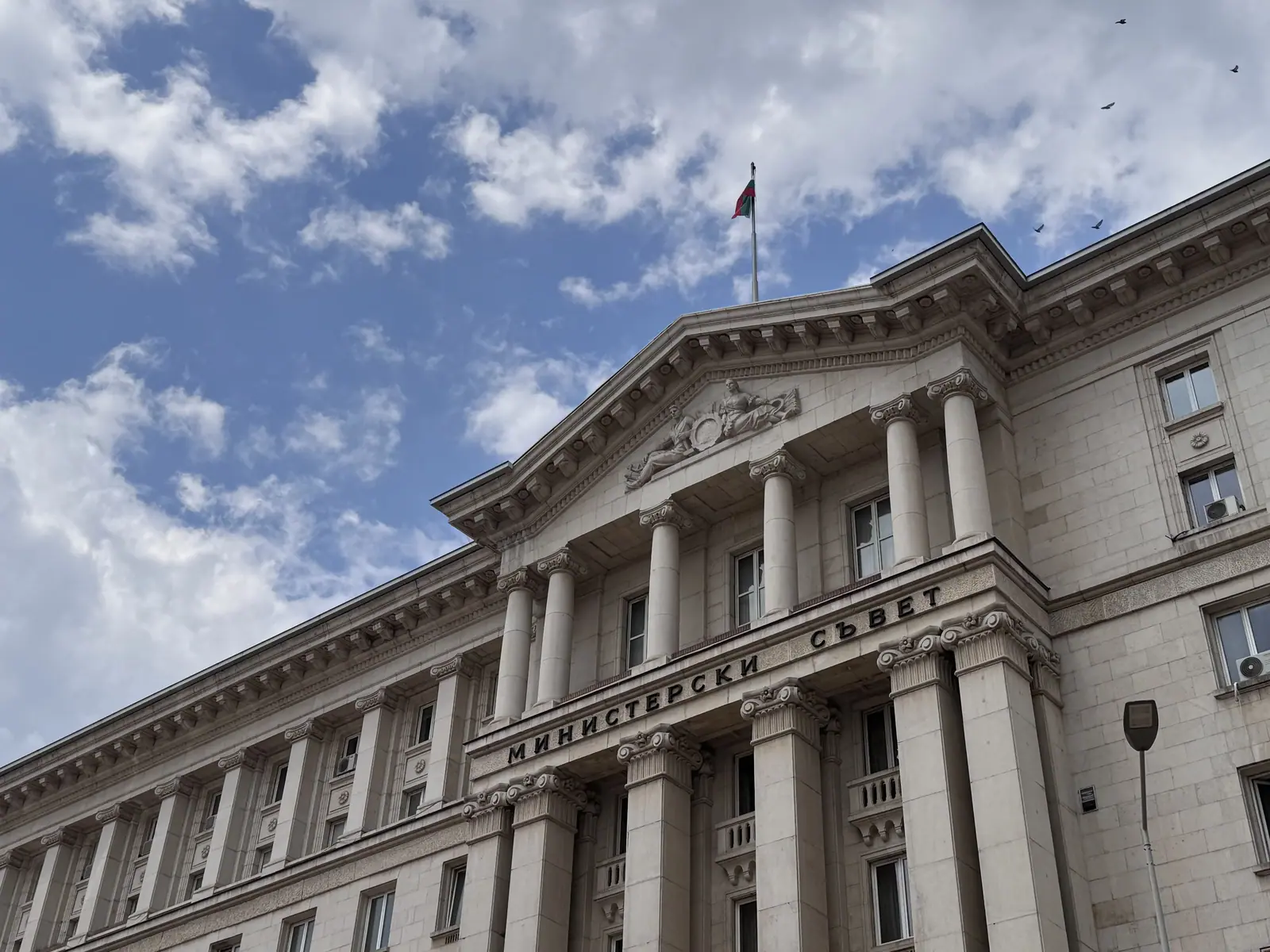
The cabinet will consider two draft decrees on payments to parents whose children were refused a place in council-run nurseries because of a shortage…
 Legislative changes
Bulgaria's Constitutional Court has rejected a request to scrap the entire budget, but ruled that changes to the Labour Code and the pay formula for…
 Legislative changes
Five groups are calling for changes to the Criminal Code. The Bulgarian Pharmaceutical Union also proposes that pharmacists with a master's degree be…
 Legislative changes
Parliament passed changes to the Waste Management Act at second reading. The product fee for cars remains.
 Legislative changes
Under changes to the Railway Transport Act, details of rail vehicles will be entered in the European register, not a national one.
 Legislative changes
MPs passed the bill unanimously. People will be able to file documents to the TELK panels online, without a qualified electronic signature.
 Legislative changes
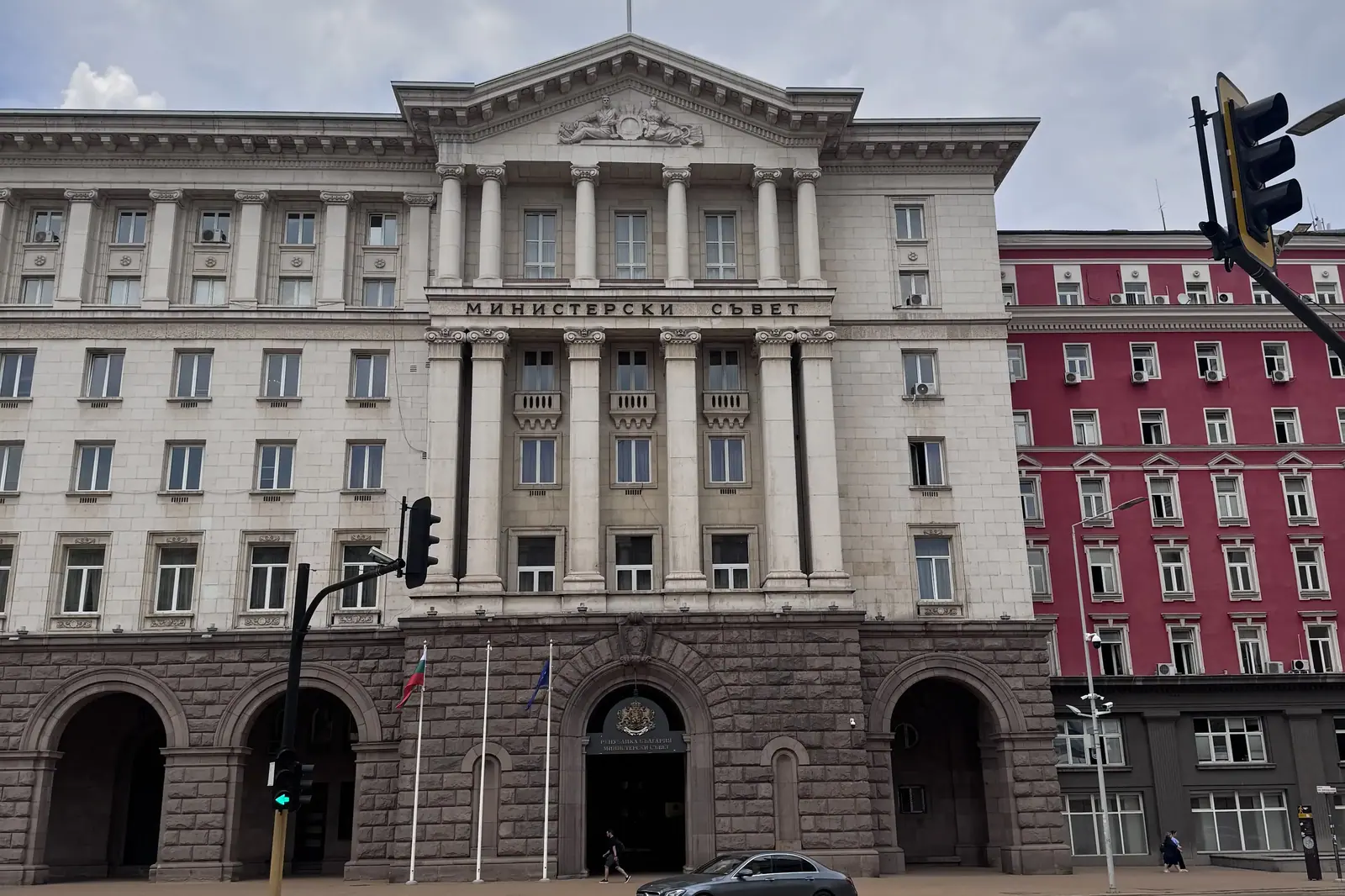
Parliament's legal affairs committee has approved changes to the Criminal Code at second reading. Breaking or getting around EU sanctions will become…