
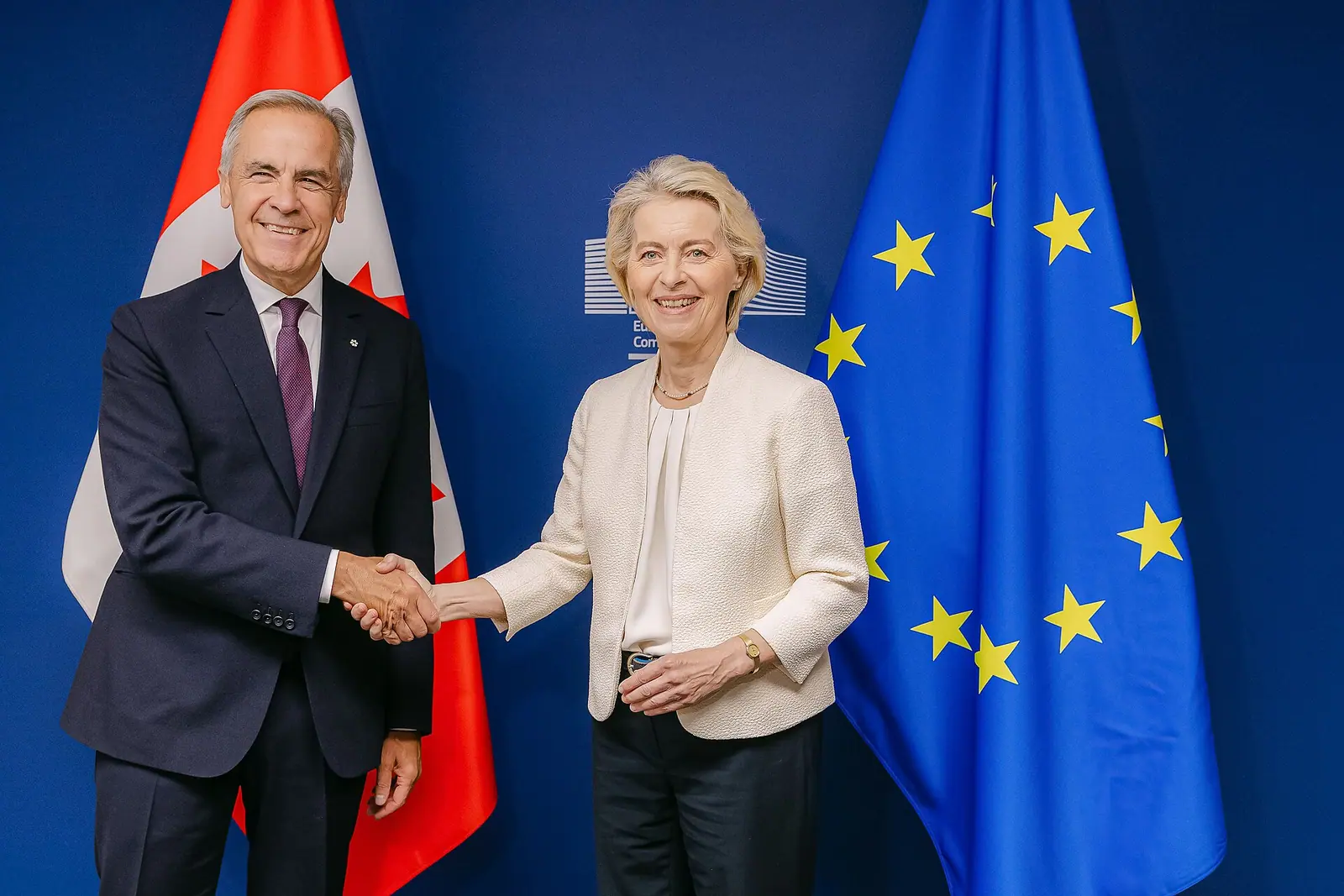
The European Commission has made an unprecedented proposal for Canada to become the first associated member of the European Union in history, placing Canadian Prime Minister Mark Carney at the center of attention during the plenary session in Strasbourg. Upon his arrival, he was greeted with ovations and hugs from MEPs, with one even demonstrating support by wearing a Canadian hockey team jersey. Carney accepted the gestures with a smile as he prepared his speech before the European Parliament.
In his speech, Carney expressed support for the initiative presented on Wednesday by European Commission President Ursula von der Leyen, highlighting the benefits of closer cooperation between Europe and Canada. However, he sought to clarify the essence of the proposal to avoid misunderstandings: "I want to explain exactly what I am not proposing – I am not proposing a third bloc to become a major rival, just with better manners."
According to the Prime Minister, the term "associated member" itself is not as important as the substance invested in it. He explained that while full membership requires a partial surrender of sovereignty, the goal of the current idea is precisely its strengthening. "Sovereignty nowadays is not exhausted merely by being able to feed ourselves, defend ourselves, and secure our fuels. It requires secure access to artificial intelligence, semiconductors, critical raw materials, payment systems, clean energy technologies, vaccines, and space communications. Canada and Europe are strong individually and even stronger together," Mark Carney stated.
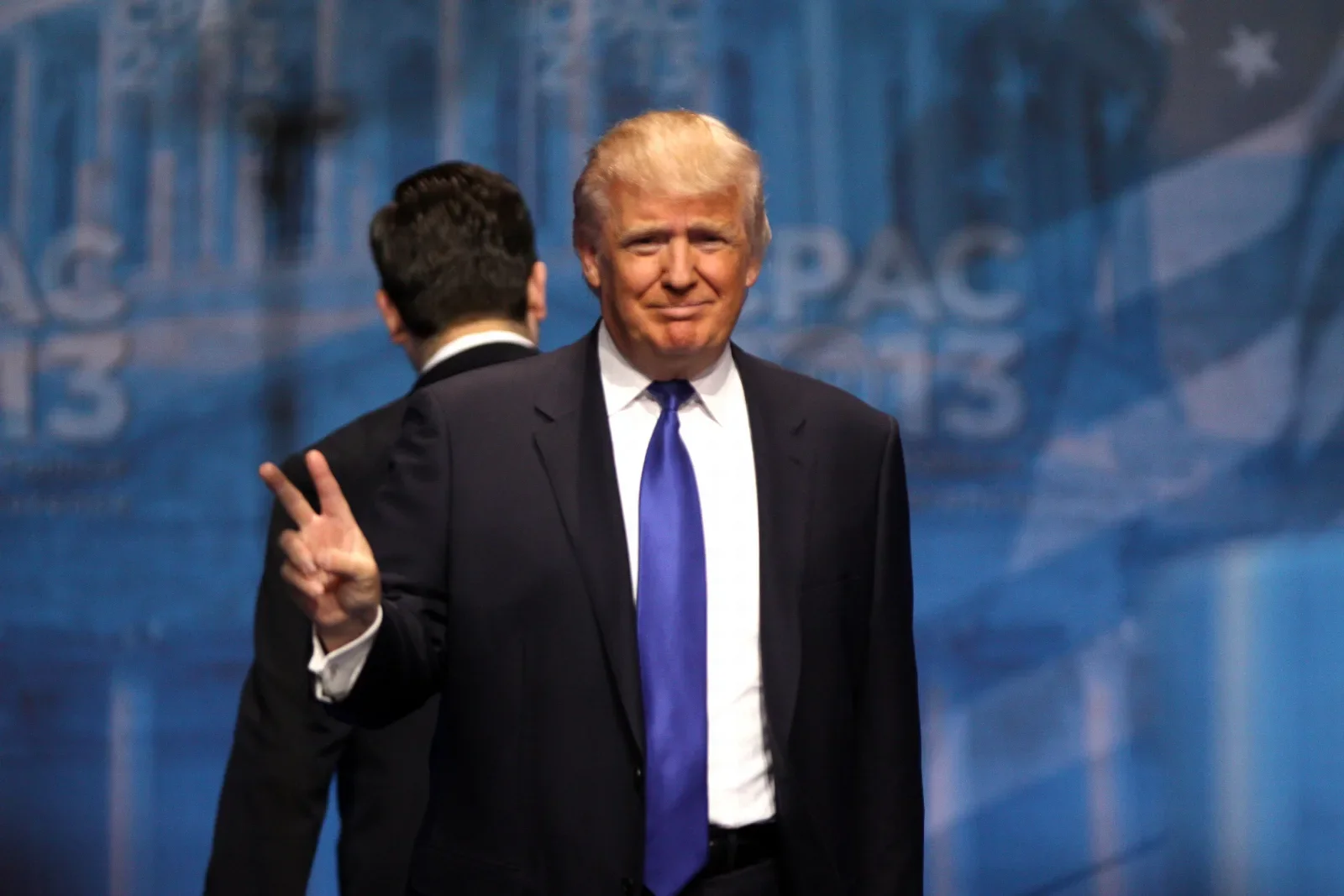
This new vector in Ottawa's policy is the result of long-term changes. For decades, Canada's economy developed in full synchrony with the United States, but the threats from Donald Trump, the tariffs he imposed, and his words about turning the country into the 51st state have forced Canada to reduce its dependence on its southern neighbor. Although the European Commission assured that the plan is not aimed at anyone, U.S. President Donald Trump reacted sharply, defining the potential associated membership as a potentially hostile act that could lead to new, heavier tariffs against Europe.
The U.S. President did not spare critical words regarding relations with Canada: "I think all this work with Canada is ridiculous and it is a terrible trading partner. If it becomes an associated member and if I decide it is a hostile act, I will impose serious tariffs or stop trade with Europe on many things. But if the intentions are good – there is no problem."
For now, "associated membership" remains only at the proposal stage and, according to diplomatic sources in Brussels, it is causing pessimism among a number of member states. The situation is complicated by the fact that 10 member states have still not ratified the existing CETA trade agreement, even though it was signed almost 10 years ago. The specific details regarding what the ties with Canada will look like and the form of this "associated membership" are expected to be clarified at the EU-Canada summit, which will be held in Montreal at the end of October.



Коментари (0)
Все още няма коментари.