

MPs have ratified the European Union's enhanced partnership and cooperation agreement with Uzbekistan. They voted on it at first and second reading in a single sitting.
All parliamentary groups backed it except Vazrazhdane, which abstained. Until now, EU-Uzbekistan relations have run under a 1996 framework, which the new agreement replaces.
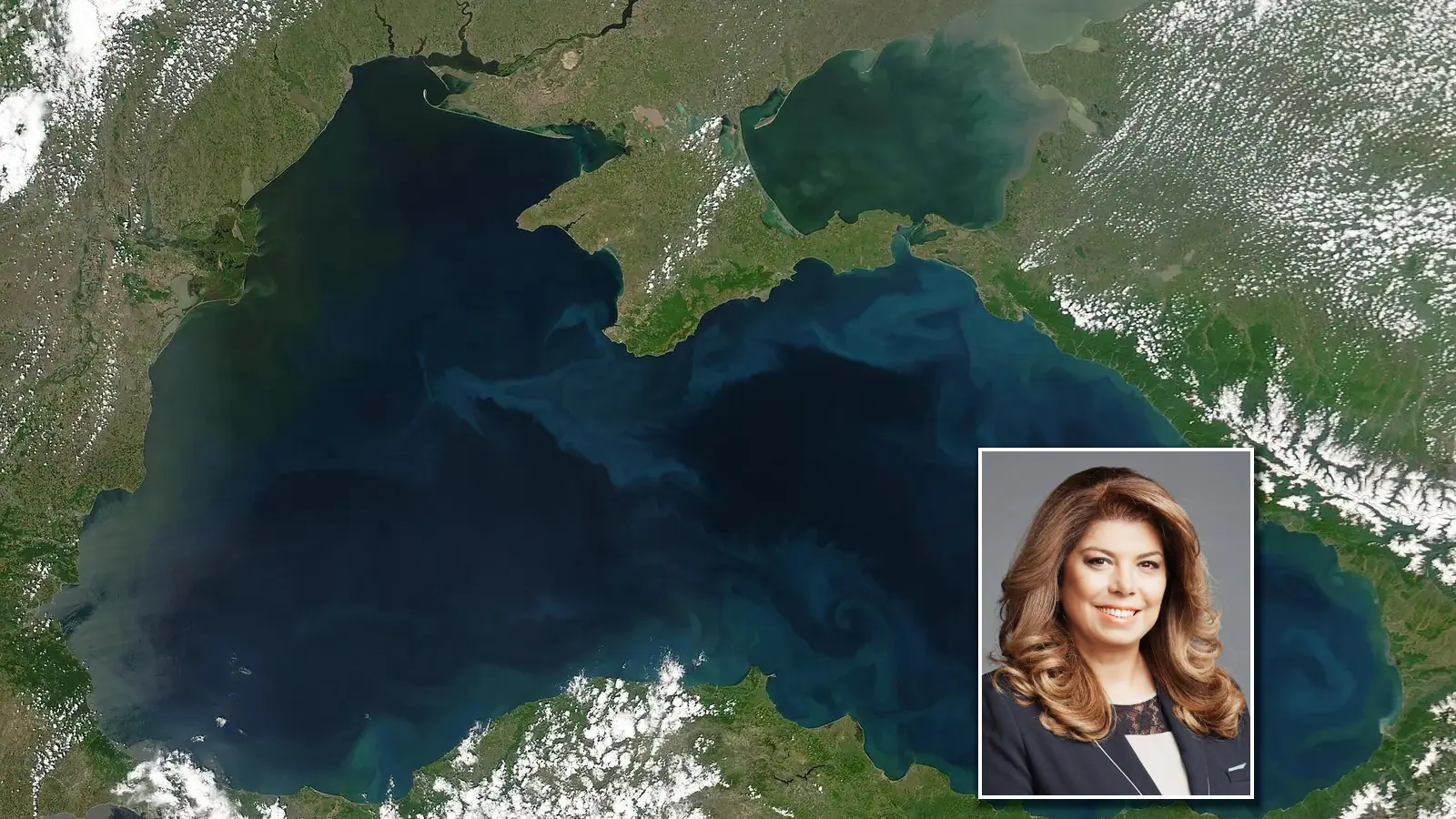
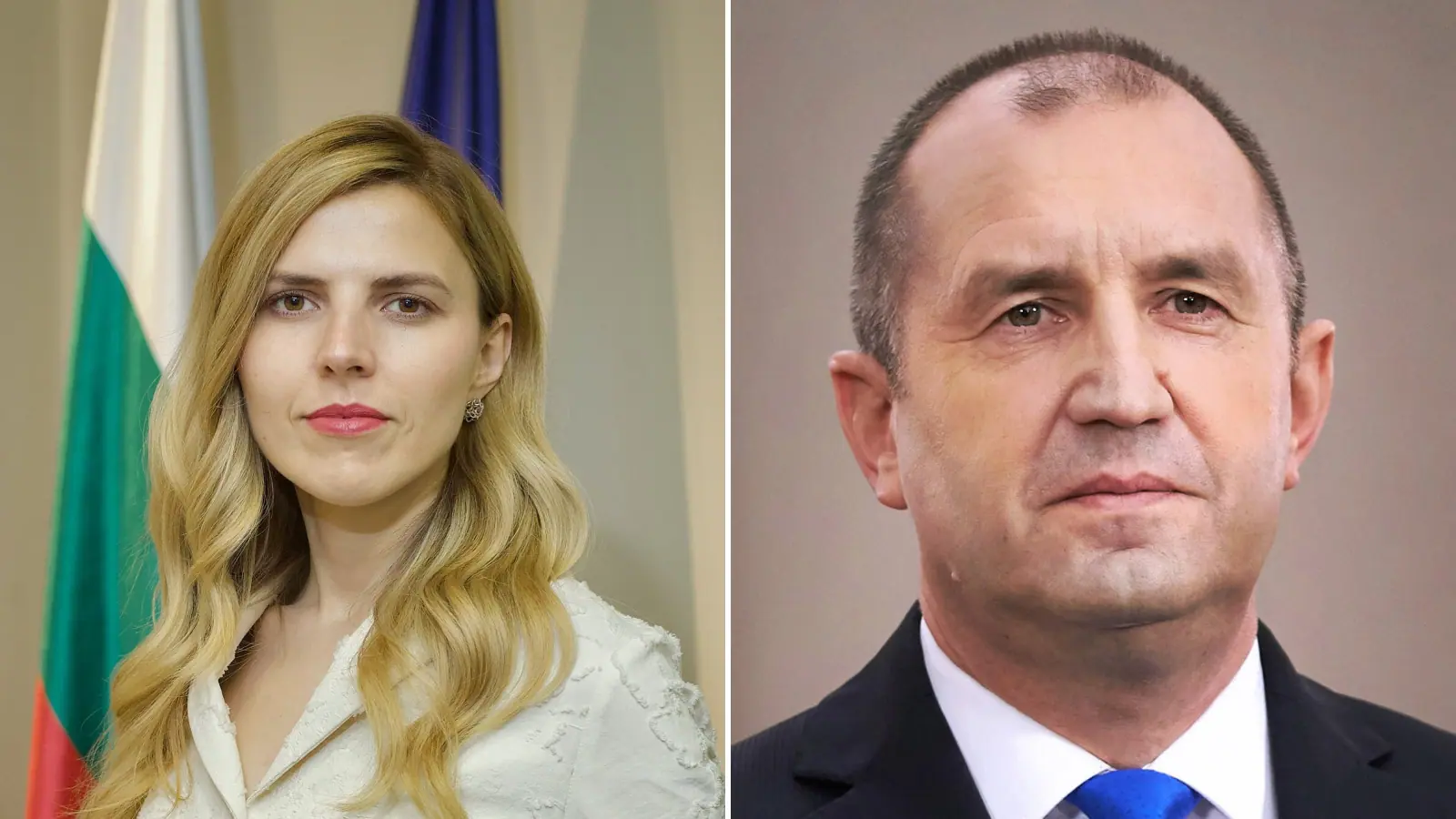
Foreign minister Velislava Petrova told parliament the agreement is a strategic decision. She said Central Asia is becoming much more important to Europe because of security, energy and the trade routes between the two continents. The minister said the agreement puts relations on a more modern and more ambitious footing.
Petrova named three areas where the document serves Bulgaria's national interest: connectivity, critical raw materials and energy, and security and migration management.
The agreement supports the Trans-Caspian Transport Corridor. "As a Black Sea country and an external border of the Union, Bulgaria has every reason to be the natural European gateway of this corridor," Petrova said. She said backing the agreement means backing this role for Bulgaria.
The minister added that closer work with countries along the routes between Asia and Europe helps fight illegal migration and ensures legal and controlled movement of people.
The foreign policy committee's report says the agreement is a basis for more effective and wider bilateral engagement between the EU and Uzbekistan, and deepens political dialogue. It widens cooperation in trade and investment, sustainable development and connectivity, science and innovation, education, the environment and climate, the rule of law, human rights and civil society.
On foreign policy and security, the document opens the way to work on conflict prevention, crisis management, cybersecurity, regional stability, disarmament, non-proliferation and arms control. Critical raw materials for the green and digital transition are among its new areas. It also supports regional connectivity, including through the Global Gateway initiative.
The committee says Bulgaria and Uzbekistan have traditionally good relations and are seen as important partners, in South-East Europe and Central Asia respectively. It sees room for growth, including in links between Europe and Asia, and notes that Bulgarian businesses are showing more interest in hiring workers from Uzbekistan.
Vazrazhdane MP Angel Georgiev said his group voted to abstain. He said the party wants better relations with all countries but is firmly against importing labour.
"We can see what is happening in far bigger countries like Germany because of imported labour," Georgiev said.
The agreement sets up a parliamentary cooperation committee, which includes MPs.

Comments (1)
узбекистан, а? и добре правим да се доближаваме до тях, щом министърката петрова така казва. дано има нещо