
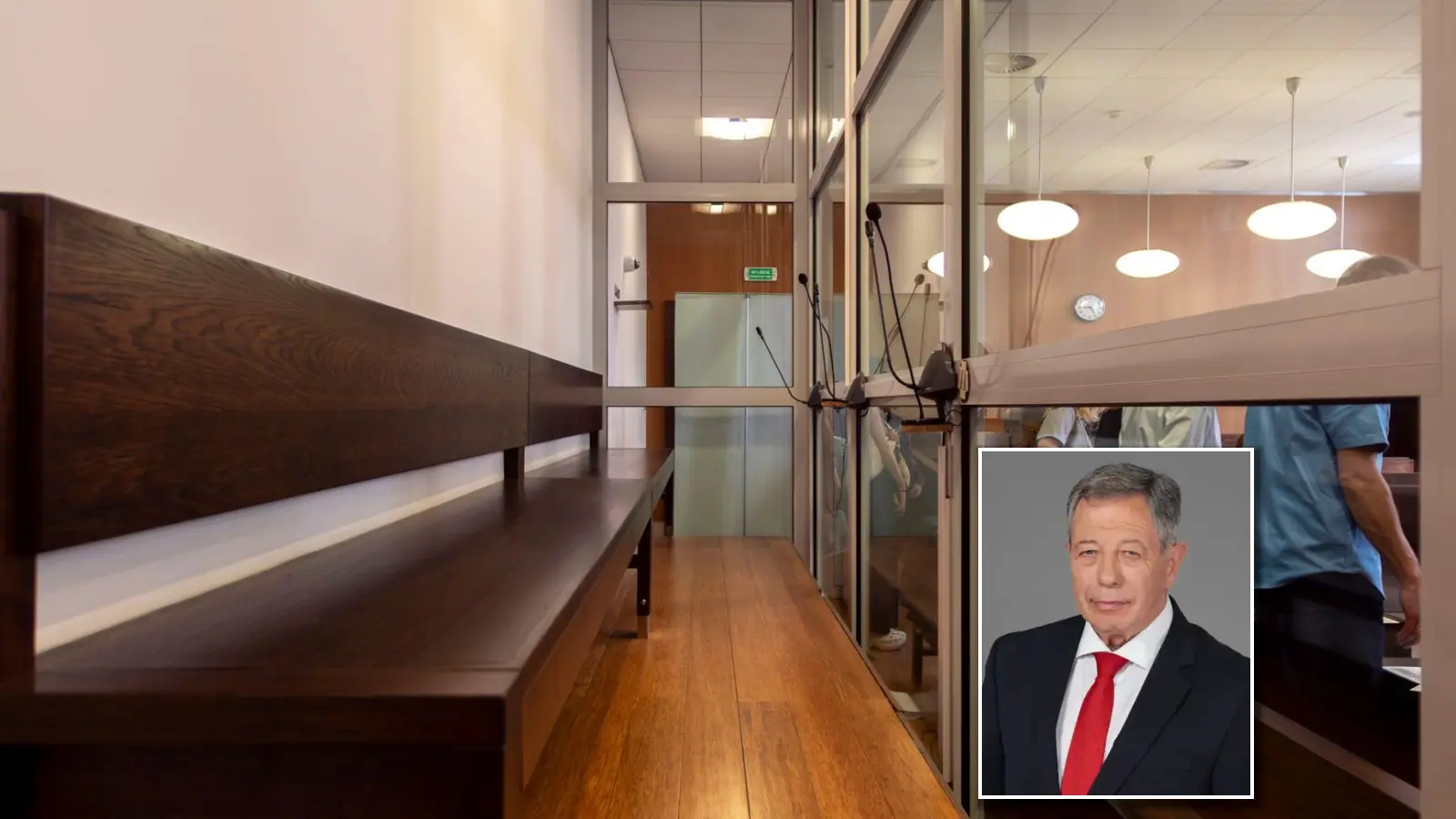
Judge Tsvetko Lazarov, a candidate for the Supreme Judicial Council (SJC) from the parliamentary quota, told parliament's legal affairs committee on Tuesday that the council must protect the independence of magistrates. His proposals include a clear procedure for reports of pressure, a register of violations and penalties for magistrates, and an independent audit of the random case allocation system.
The first four candidates, all for the Judges' Chamber, appeared before the committee on Monday, the first day of hearings. Tuesday is the second day. There are 20 candidates from the parliamentary quota, and the schedule the committee approved in advance runs from 2 to 6 November. The hearings are streamed live on the websites of parliament and the BTA news agency.
How it all started: Legal affairs committee hears first four candidates for Supreme Judicial Council from parliament's quota
Lazarov has been a judge at the Sofia Court of Appeal since 2008. Before that he chaired the District Court in Slivnitsa and was a judge in the criminal division of the Sofia Regional Court. In 2001 he was a part-time assistant in labour law at the Department of Civil Law Sciences at the Faculty of Law of Sofia University "St Kliment Ohridski". Since 2024 he has been a part-time assistant in civil procedure law at the Department of Private Law Sciences at the Faculty of Law of the University of National and World Economy (UNWE).
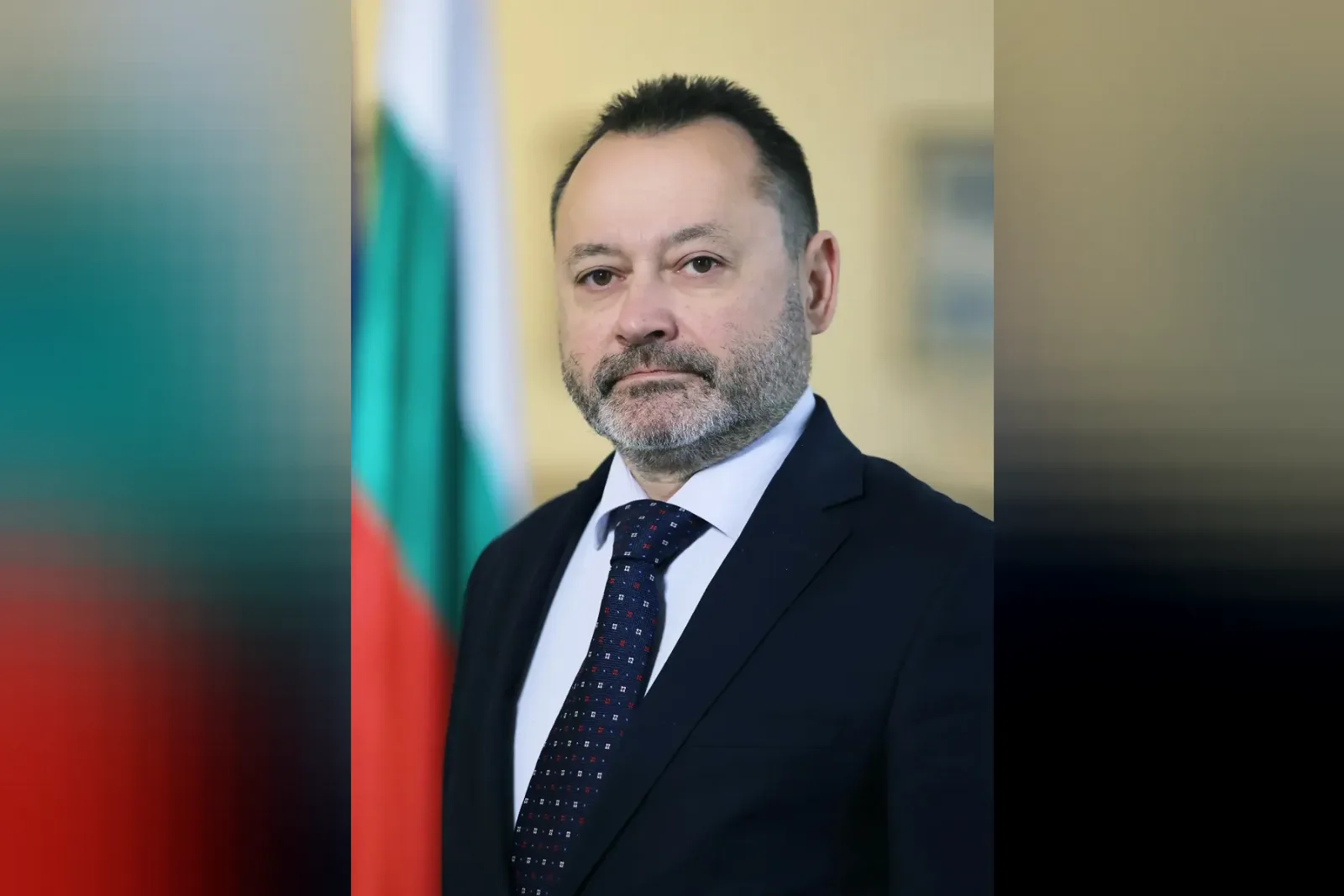
Rumen Milanov, an MP from Progressive Bulgaria, put forward Lazarov's candidacy on his own. Milanov said he is nominating an independent magistrate, not someone who would carry out political orders in the SJC. In his view, Lazarov fully meets the integrity criterion and has shown independence, staying power and a character that stands up to pressure.
Lazarov bases his programme on protecting the independence of the judiciary and on staffing the system. He says no influence or pressure on the inner conviction of magistrates should be allowed. He will propose clear rules on how the SJC should act when magistrates report pressure, and on how it should deal with the prosecutor's office and the SJC's Inspectorate. The register of violations and penalties will hold public information.
Lazarov says the Judiciary Act should change on staffing policy and competitions. Every competition, including those for heads of the Supreme Court of Cassation and the Supreme Administrative Court and for prosecutor general, should have at least two candidates. He sees the weakest point in career progression in the marking of the written exam, and says the interview should return.
Answering a question from Progressive Bulgaria, the judge said criticism of courts is acceptable after a ruling is issued, but not while a case is still pending. Chanting outside a courthouse, especially at small courts, is a form of pressure.
"We Continue the Change" asked how he would choose a prosecutor general. Lazarov said he would check the candidate's career, what acts they filed and how those ended, how many criminal cases were dropped, and in how many acquittals the state was ordered to pay compensation. He backed the closure of the specialised justice system because, in his view, it had turned into quasi-justice.
Revival asked him about an independent audit of random case allocation. Lazarov said the electronic system gives very strong guarantees, but an audit is needed to restore public trust. The DPS party asked no questions, as with all candidates so far.
Milanov also described a case from April 2017. He said Martin Bozhanov tried to interfere crudely in a case in which Lazarov was the reporting judge, because he was unhappy with the proceedings and the expert reports. Bozhanov made a show of declaring that this panel would not hear his cases, and his lawyers submitted copies of forged documents and asked for the panel to be removed. There is no information that charges have been brought against Bozhanov.
According to the same account, Lazarov told the court's chair and asked the relevant authorities for help, and they took the people in to give statements. In May 2017 he alerted the prosecutor general, and in 2020 the SJC's Judges' Chamber heard him on the case.

Comments (0)
No comments yet.