
The European Commission's Joint Research Centre (JRC) published two technical proposals on 26 and 27 October 2026 that set out when used textiles and footwear stop counting as waste. One covers reuse and reprocessing into a new product. The other covers recycling. Both are scientific reports advising the Commission, not ready-made rules.
The Commission plans to table a draft implementing act in the fourth quarter of 2026. It wants one set of rules in all EU member states and less paperwork for business.
Washing and ironing are fine, replacing a zip is not
The reports fall under Article 6 of the Waste Framework Directive. Under that article, waste becomes a product when it meets set conditions after processing. For now, each country reads those conditions in its own way.
The details on reuse below come from an analysis of the technical proposal. The JRC pages from October 2026 give no such breakdown, so the final text may differ from this analysis.
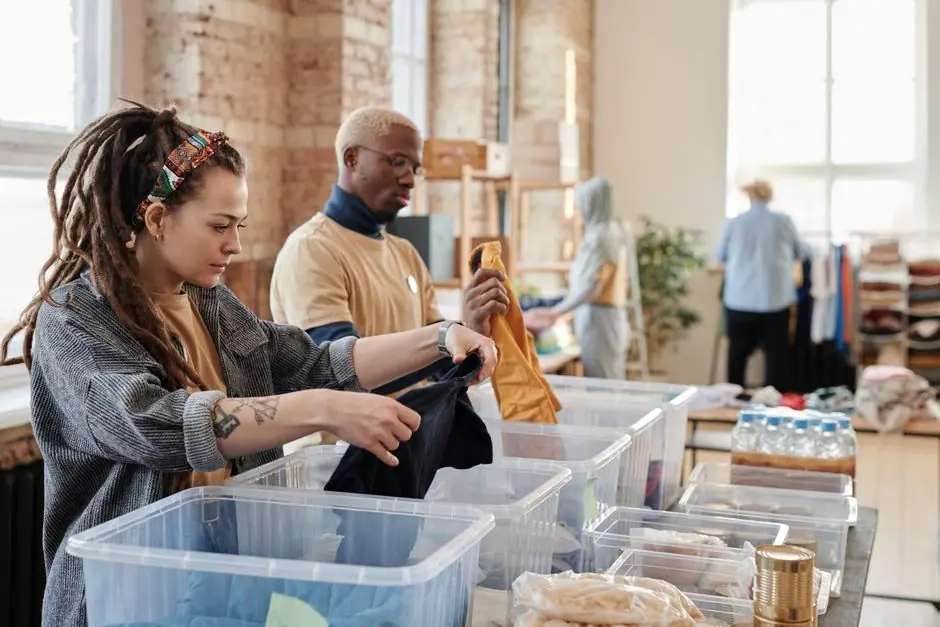
A garment or pair of shoes stops being waste when it has been sorted, cleaned or repaired if needed, meets all the criteria and can be sold on the second-hand market with no further processing. Items that are not fit to wear take a separate route: reprocessing into a new product, which must also be ready for the market.
Washing, minor repairs, ironing, labelling and packing do not block the new status. Replacing a zip or lining, altering the size and dyeing again do.
The criteria fall into five groups: what goes in, how it is processed, the quality of the finished item, how quality is monitored and what information comes with each shipment. In practice, the sorter removes non-textile items and clothes that are too worn, smelly or dirty. Bales are labelled so the next buyer does not have to sort them again. Each shipment gets a declaration of conformity, and the quality system is checked every three years.
Mattresses, carpets and medical textiles are outside the scope
The proposal covers household and commercial textiles, as well as new surplus such as unsold goods and returned purchases. In principle, all types of textiles and footwear are included. Bulky items such as mattresses, padded quilts, large carpets and upholstery are excluded, as is textile taken from mixed household waste.
A separate list excludes medical textiles, carpets, reusable hygiene products and technical textiles, including protective footwear. These are checked first for recycling. Items suspected of containing banned chemicals go to recycling or other recovery. The JRC pages do not list clothing, accessories, home textiles and footwear separately, so there is no confirmed information on accessories.
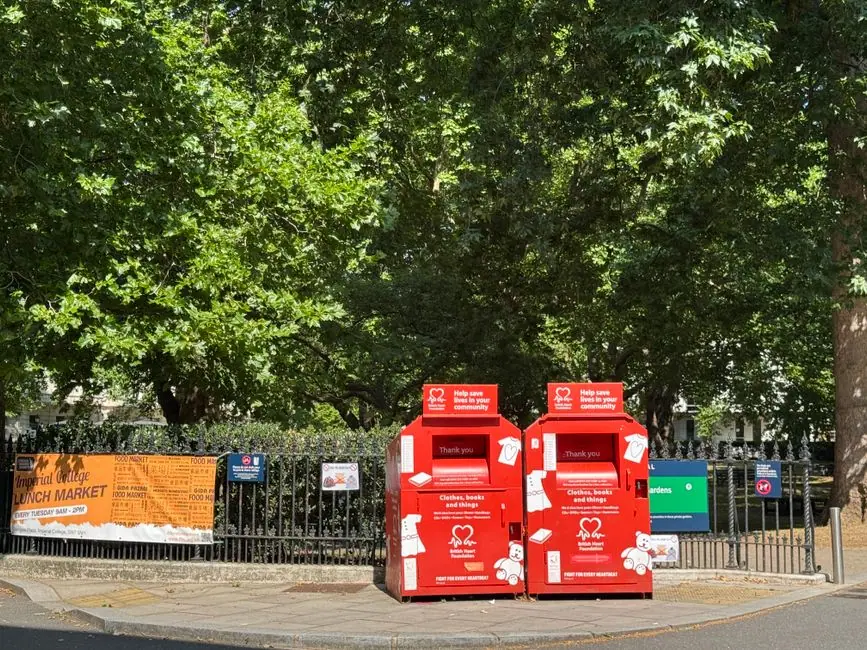
About a fifth of textile waste in the EU is collected separately: 2.4 million of around 12 million tonnes a year, based on 2019 data. Only 5-15% of what is collected is high quality enough for the EU second-hand market. More than 1.77 million tonnes are sorted, but EU sorting capacity is about 560,000 tonnes, according to one study cited, so much of the sorting takes place outside the EU.
Critics say the proposal has weaknesses. Terms such as "excessive wear" and "unpleasant smell" depend on the judgment of the worker. No chemical limits are set, so it is hard to spot items containing PFAS, and an accredited quality system may be a heavy burden for small local reuse groups.
Södra wants an earlier cut-off point for recycling
Recycling is covered in the separate report. It looks at mechanical, thermomechanical, physical and chemical recycling, and includes data on the make-up of the waste, trade and the effect on health and the environment.
The Swedish company Södra says the proposal would keep textiles classed as waste along the whole chain until they become finished textile pulp. Its plant at Mörrum would then count as a waste facility, which Södra says could force it to stop recycling textile fibres. It wants the cut-off point earlier, after sorting and quality checks and before chemical recycling.
EuroCommerce, a retail trade body, backs product status "when the material is ready for recycling". EURATEX, the textile industry group, calls for common rules so textile waste can move freely between countries.
The Commission will seek views on the drafts. The public consultation page on its website has no content yet.



Comments (0)
No comments yet.