
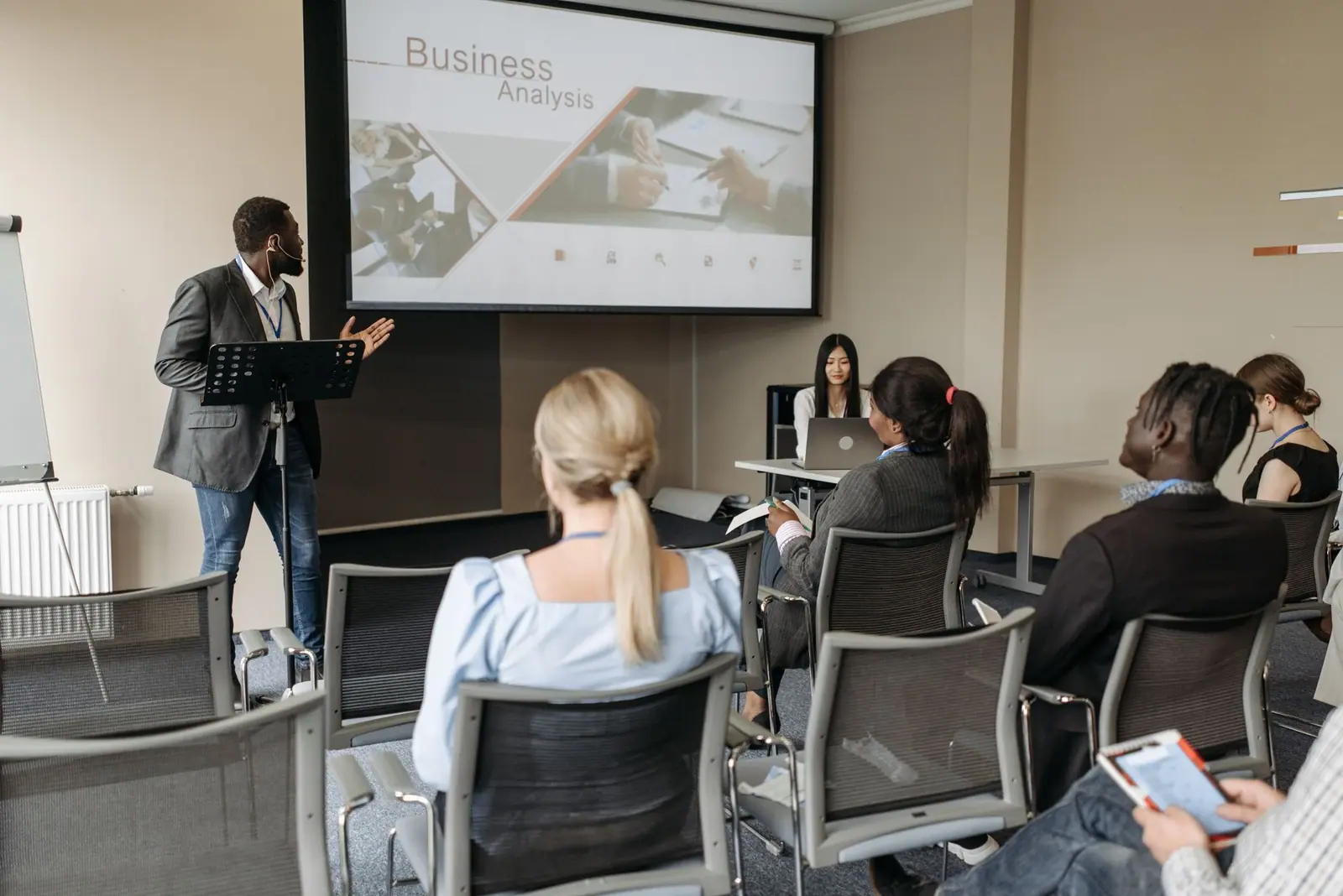
Bulgaria sits near the bottom of the EU when it comes to lifelong learning. Only 6.1% of people aged 25 to 64 took part in some form of training in the past month in 2025, according to Eurostat figures cited in an article by the Institute for Market Economics, put together by the team at the Burgas Chamber of Commerce and Industry.
Only Greece scores lower, at 5.2%, against an EU average of 13.7%. Sweden tops the list with 38.2% of adults in training, followed by Denmark on 31% and Finland on 28.1%.
A 2026 analysis by the Organisation for Economic Co-operation and Development flags a worrying trend: 72% of adults in Bulgaria don't want to take part in training at all. It's not about cost, time or family duties — only 7% say they'd like to study but are held back by obstacles like these.
Unemployment is low, the working-age population is shrinking, and firms are finding it harder to hire, so growth can no longer rest on simply having more people in jobs, the article says. Technology, digital tools and artificial intelligence are reshaping jobs fast. What people learn in school or university no longer lasts a whole career. Companies have to keep up with new technology, new ways of making things and new business models.
Running more courses isn't enough on its own, the OECD analysis says. People need to see something in it for them: a better career, more output, more job security, or the chance to switch professions.
Bulgaria already runs big publicly funded programmes for professional and digital skills, so the real question, the authors say, isn't how many people finish a course but what they get out of it. For businesses, training only pays off if it builds skills people can actually use on the job. Public money, they argue, should be tied more and more to results — skills gained, jobs found, more output.
Employers need a bigger say in designing adult training so it matches what companies actually need. People are far more willing to learn when they can see clearly that a new skill means a better job, higher pay or a step up.
The chamber says one of the biggest obstacles is the old idea that education stops once you get a diploma. With the workforce shrinking, Bulgaria can't close its skills gap just by hiring more people. The economy's future depends on the quality of the people it already has. Close that gap, and companies become more competitive and more productive.




Comments (0)
Все още няма коментари.