
76% of Bulgarians expect artificial intelligence to bring a major change to their lives and work in the next five years, a survey by the Trend agency for AI EXPO BULGARIA 2026 shows. Trend questioned 1,002 adult Bulgarians a month ago.
Trend says most Bulgarians already benefit from the technology. One in 10 (10%) uses AI every day, and 23% use it several times a week. About 30% have never used it. Evelina Slavkova, a sociologist at the agency, said people also use it for recipes, and some upload their own medical tests or their children's tests to feel calmer before seeing a doctor.
Views on the benefits and risks are split. 23% think the benefits will outweigh the risks, while 32% expect the opposite. Fear of losing a job is the strongest worry. People also fear false information and the loss of personal data. 15% worry that people will lose control over important decisions and that the technology will be used for fraud and cybercrime.
One retiree who still works is wary of the new technology. "A good pie needs good flour, but it needs a master baker too. Flour alone won't do it," he said. He compared AI to the flour and said that without a person it would be a big mistake. Some people also trust it with their health. One respondent is happy with the answers he gets about remedies for illness, but warns: "If it moves in, and it is moving in, it will wipe out quite a few jobs. That's my opinion."
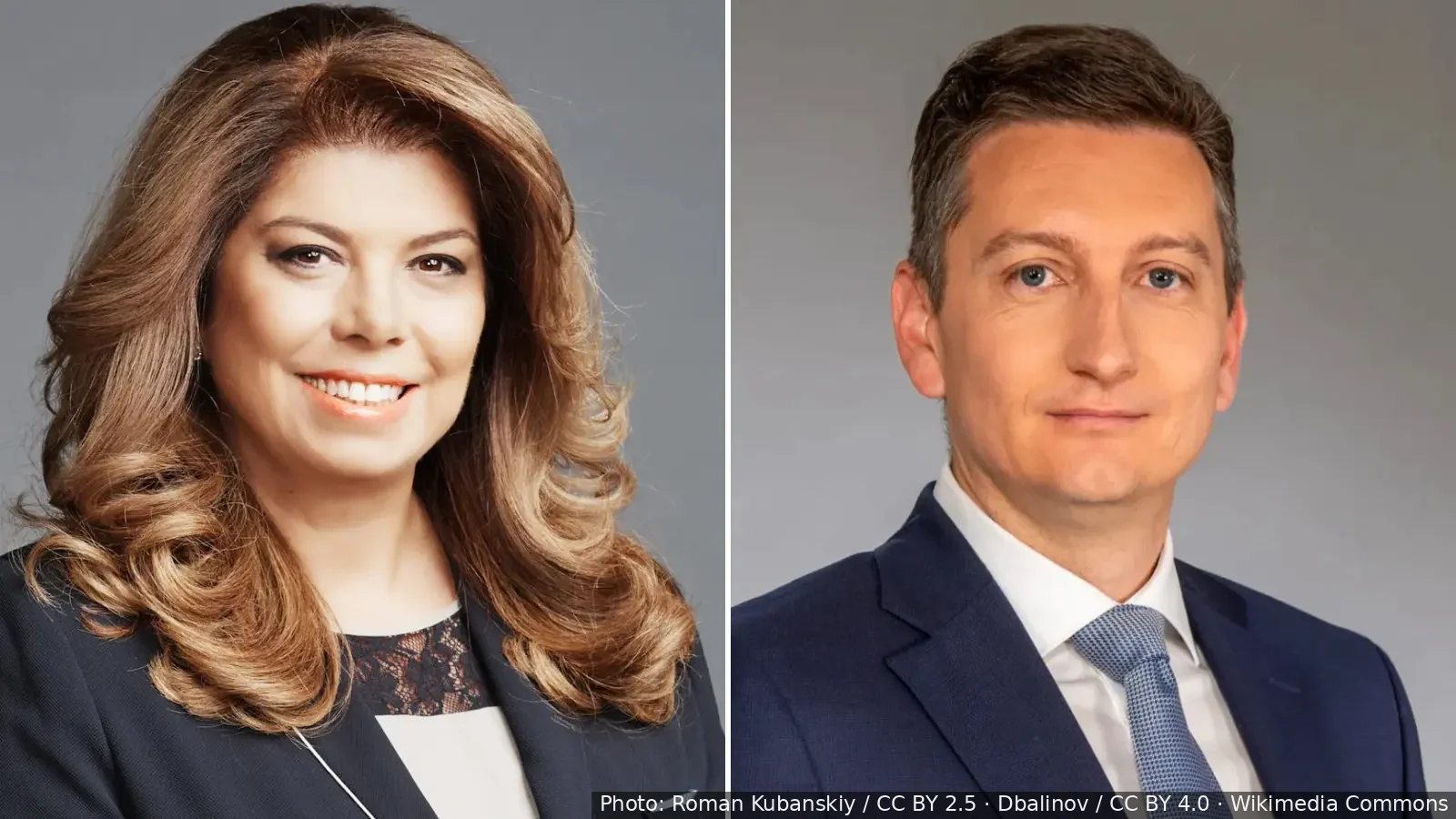
The state will launch a digital wallet at the end of the year, where everyone can add their documents and use public services on their phone, innovation minister Ivan Vasilev said. He said access to the services will be fast, easy and convenient.
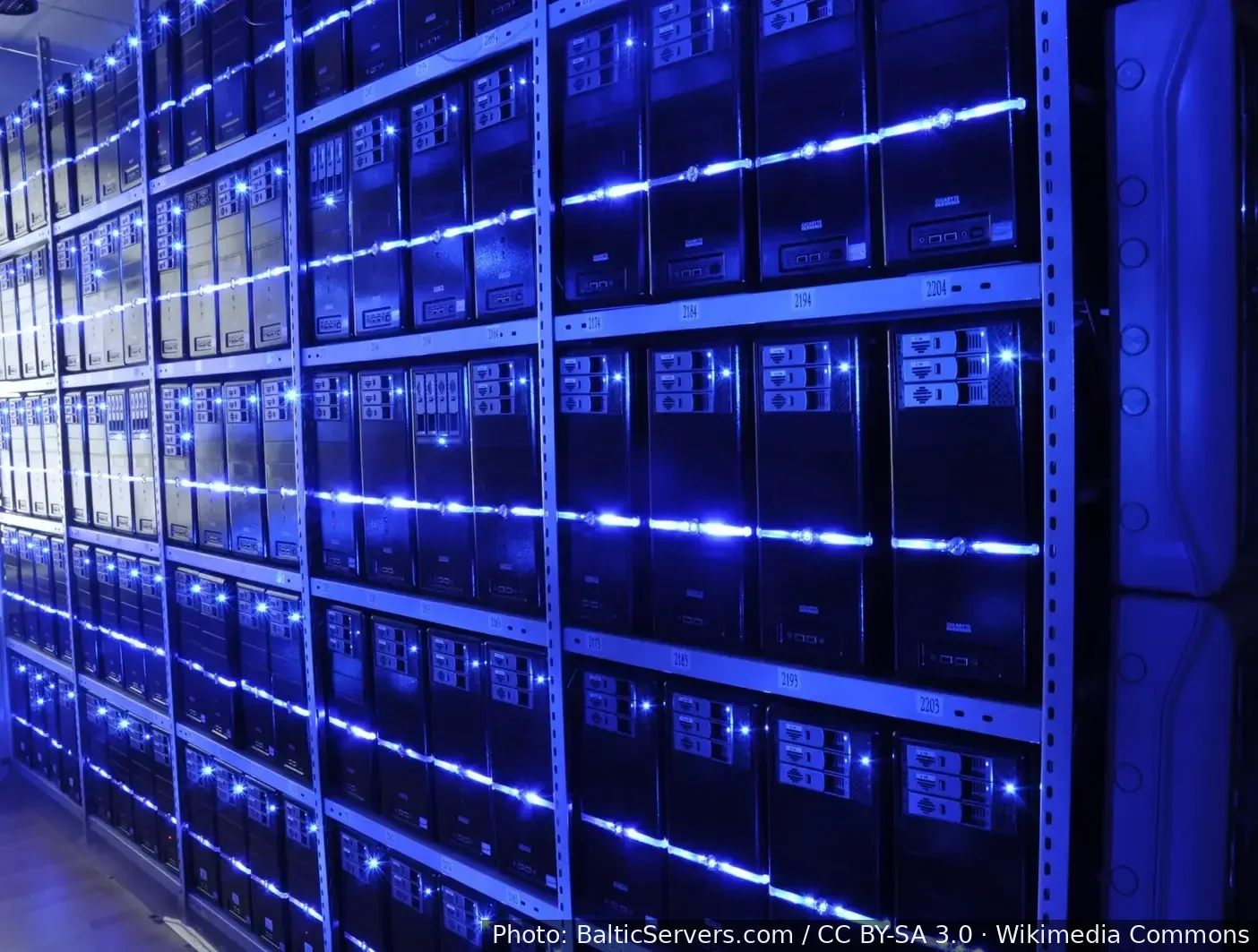
President Iliana Iotova said Bulgaria has everything it needs to become a technology leader in the region. "We are building an AI factory and investing large national and European funds," she said. The factory, called BRAIN++, costs about 50m euros and will give science, business and the public sector modern computing power. Iotova said the project is especially important.
The president also relies on the country's scientific strength, including through the INSAIT institute.
Comments (0)
No comments yet.