
Oil prices began the week with a sharp jump after energy supplies through the Strait of Hormuz were once again called into question amid renewed military strikes between the United States and Iran.
In early trading on Monday, Brent crude futures rose 4.08% to $79.11 a barrel, and U.S. West Texas Intermediate (WTI) crude added 4.11% to $74.36 a barrel as of 07:10 Bulgarian time.
The U.S. military launched a new series of strikes on targets in Iran on Sunday, with U.S. Central Command reporting that dozens of sites at various locations were hit with precision-guided munitions. In response, the Iranian Revolutionary Guard announced on Monday that it had attacked U.S. military bases in Kuwait and Bahrain.
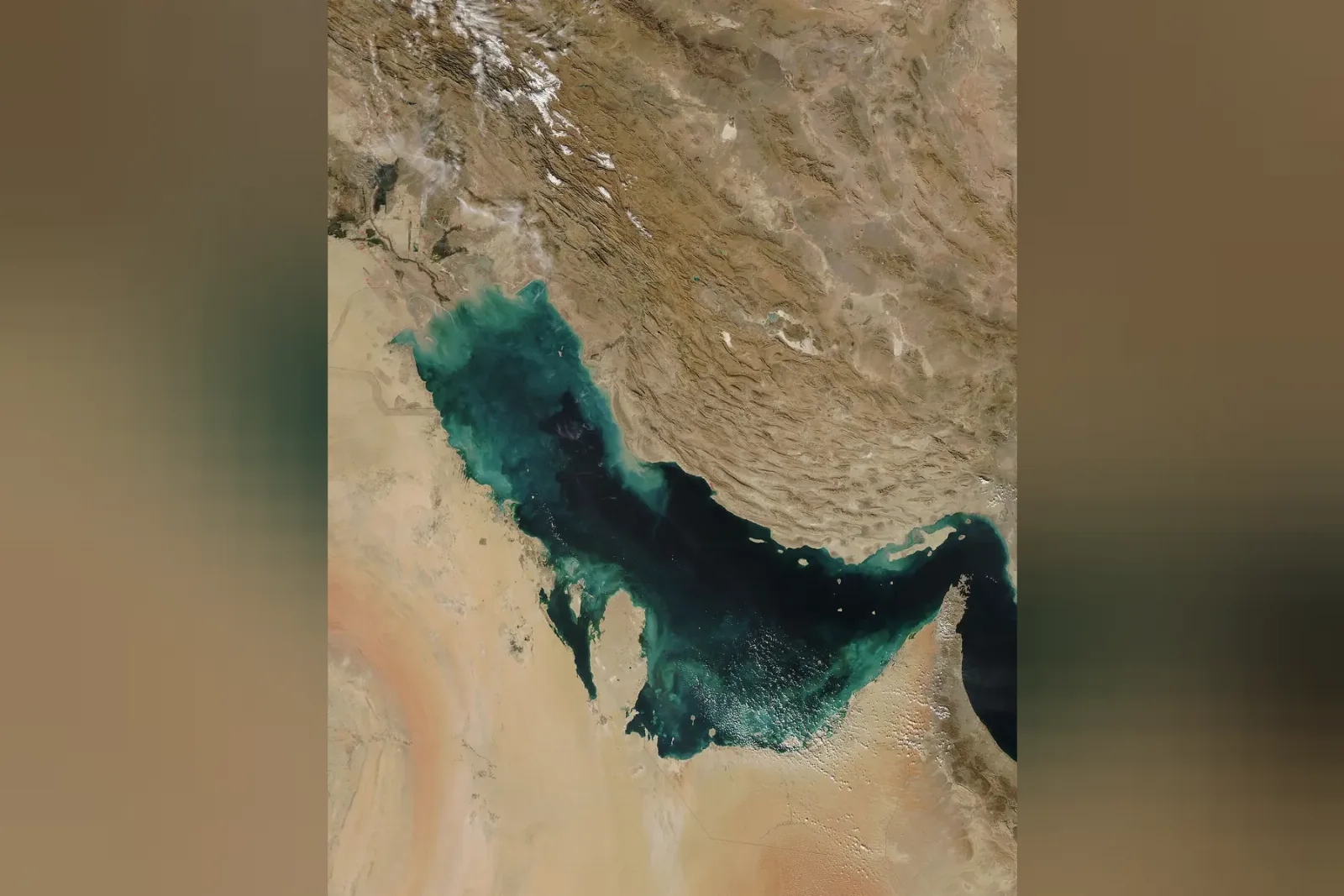
Despite the tensions, U.S. President Donald Trump stated on Sunday that the Strait of Hormuz remains open to commercial shipping. This statement came after Iran earlier reported that it had closed the strait after a vessel had navigated an unauthorized route and was struck.
Before the start of the war at the end of February, about 20% of the world's oil and liquefied natural gas supplies passed through the Strait of Hormuz, making any serious disruption in the region critical for the global energy market.
According to data from shipping tracking company Kpler, only six vessels passed through the strait on Sunday – the lowest number in the last five weeks, fueling concerns of a prolonged disruption to traffic.
The escalation of attacks raises further doubts about the future of the interim agreement between the US and Iran signed last month. The document provided for the strait to remain open and for a 60-day window for negotiations to be granted with the aim of permanently ending the war.
Since the agreement was reached, global oil supplies increased by 4.1 million barrels per day in June, but they remain 9.4 million barrels per day below pre-conflict levels, the International Energy Agency noted in its latest monthly report.
"Hopes for a relatively quick end to the latest clashes may be in question after tensions escalated over the weekend," ANZ analysts commented in a note to investors.
IG market analyst Tony Sycamore notes that despite the sharp move upward, the current price increase can be viewed as limited: according to him, this suggests that the market still perceives the situation as an escalation within a fragile truce, rather than a total collapse of the agreed ceasefire.
"How accurate this assessment is remains to be seen," he adds, emphasizing that further developments in the conflict and the real status of the Strait of Hormuz will be decisive for the direction of prices in the coming days.



Comments (5)
ей хора, какво става с цените все?! 🤦♂️ сериозно, този поскъпнал петрол наистина ще усети всеки един от нас на касите. да, разбирам, че това е геополитика и силни държави си играят на война, но пак се чудя каква връзка има това с нашия живот ту
Абе пичове, кво става с тоя свят?! 🤦♀️ Да сте видели цените на горивата напоследък? Смаля ми се душата! Иран, САЩ... я да се спрат малко тия хора с тия удари! Аман от политически игрички, дето ни плащаме всички!
абе, я да спрат малко тия с ударите! все едно сме ние виновни за глупостите им! добре
Абе, кво значи "риск за Ормузкия проток"? Да му шибат в г 😁
Абе, кво да ти говоря... пак яко ще НИ окрадат на бакъра! Тия си играят на войнички там, а ние гориво все по-скъпо. Ясно е кой печели от тая работа - не ние