
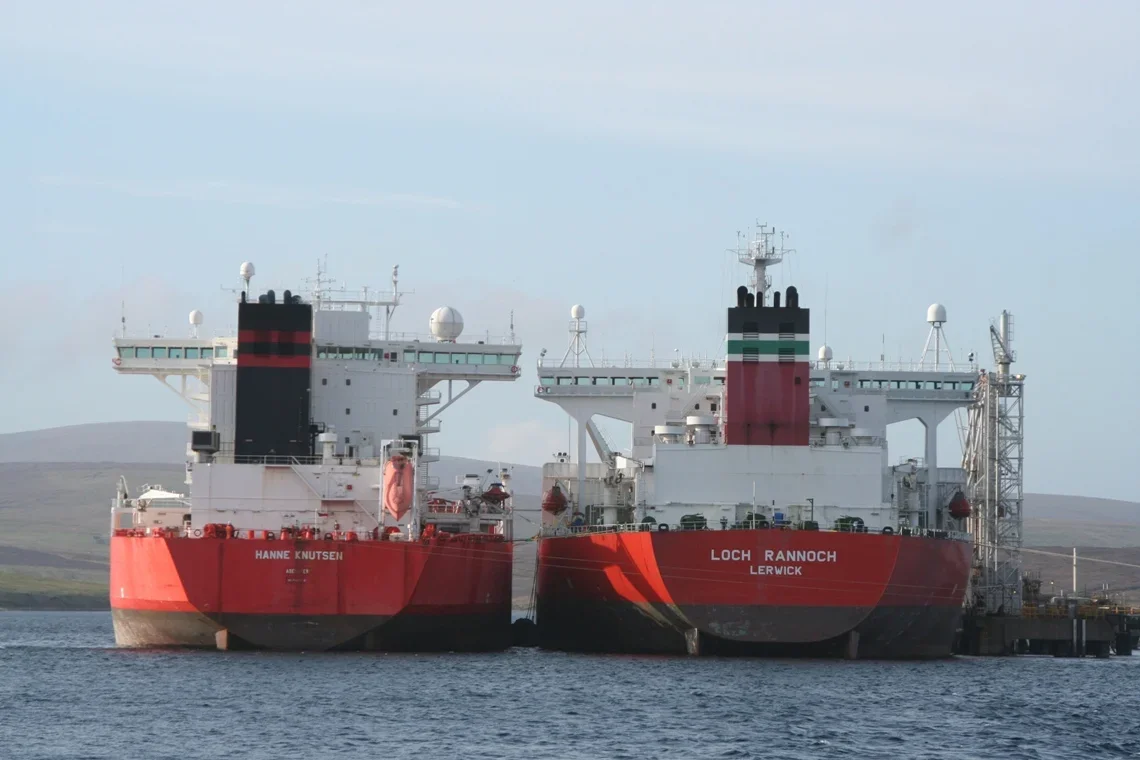
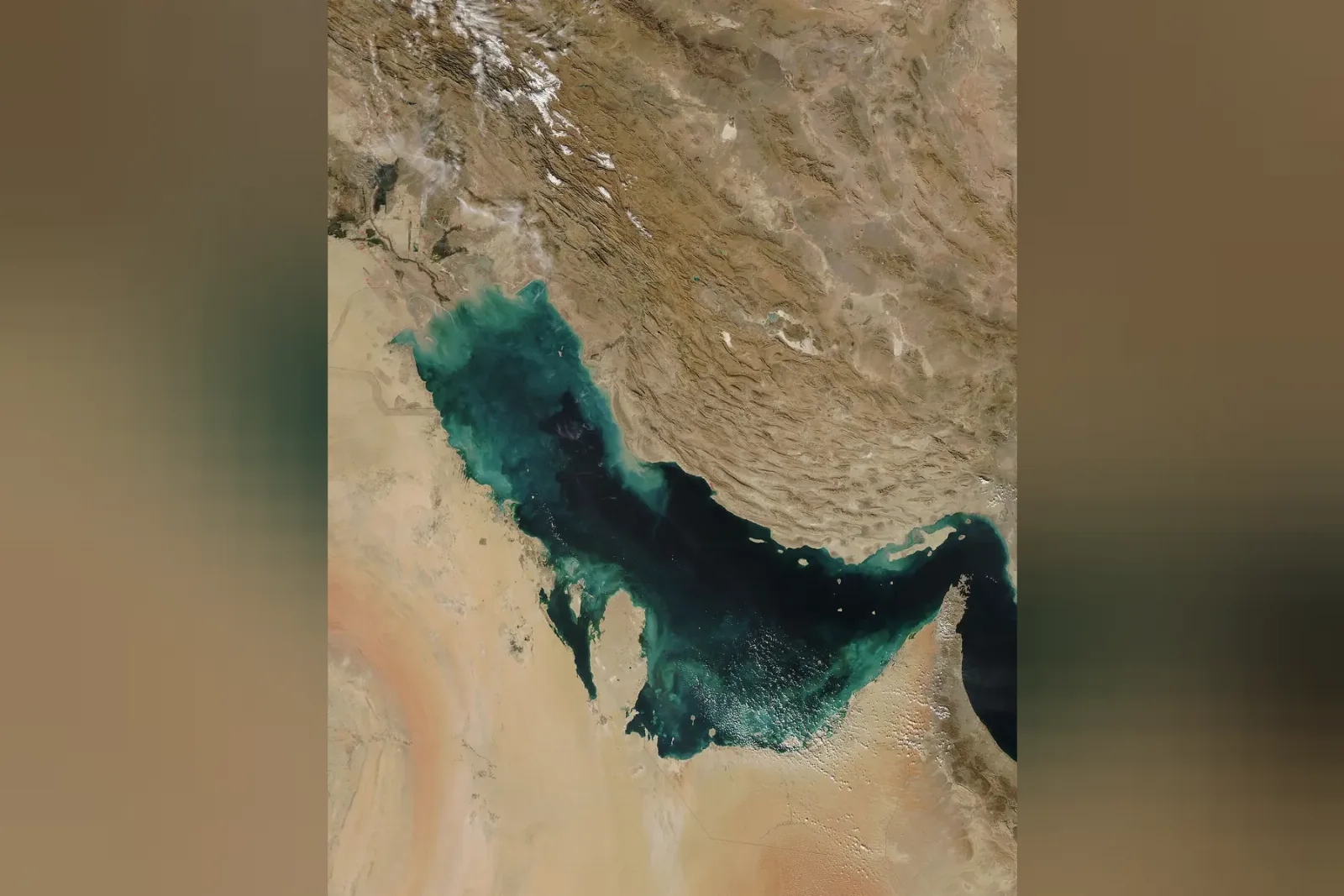
The volume of crude oil passing through the Strait of Hormuz has exceeded 10 million barrels per day, according to recent data. US officials see this as a sign that Tehran's ability to use the strategic waterway as a "bargaining chip" in ongoing peace negotiations is significantly diminishing. The recovery of flows was described in a "Bloomberg" report published about two weeks after the signing of a memorandum of understanding between the US and Iran, which ended the conflict and reopened this key transit corridor.
Rapid recovery of oil flows
Vice President J.D. Vance said on Tuesday that the amount of oil passing through the Strait of Hormuz has already reached pre-war levels, and on some days even exceeds them. "The strait is open – we are seeing an increase in the volumes of oil passing through it; on some days they even exceed pre-war levels," Vance said on "The Michael Knowles Show".
At the same time, he noted that the total shipping traffic has not yet reached pre-war averages of 130–150 vessels per day. According to "Lloyd's List", about 240 ships passed through the strait last week, which indicates a recovery process, but not a full normalization of traffic.
According to the company "TankerTrackers.com", which tracks tanker movements, since the lifting of the US naval blockade, Iran has exported about 50 million barrels of crude oil – approximately 1.66 million barrels per day in June 2026. The estimated revenue from these exports is about 3.5 billion dollars, or over 233 million dollars per day.
Iran insists: the regime is temporarily eased
Despite the resumed movement through the strait, Tehran emphasizes that the current regime is temporary and does not mean a return to the status quo from before the conflict. Parliament Speaker Mohammad Bagher Ghalibaf, who leads the Iranian negotiating delegation, stated on state television that "the Strait of Hormuz will not return to its pre-war status".
According to him, after the expiration of the agreed 60-day window for free passage – approximately in mid-August – all ships will be required to pay "service fees". The Iranian administration for the Persian Gulf confirmed that security, protection, and environmental control fees will not be collected during the negotiations, but vessels are required to submit passage requests at least 48 hours in advance due to the presence of minefields in the area.
The dispute over these fees remains a key point of contention. US Secretary of State Marco Rubio stated that "no final agreement will allow Iran to collect transit duties," defining the Strait of Hormuz as an "international waterway".
What comes next: 60 days to a final agreement
The memorandum of understanding signed on June 17 gives both sides 60 days to reach a final agreement – the deadline expires around August 21. Indirect negotiations, involving American mediators, continue this week in Switzerland.
After oil prices crashed from their wartime peaks of over 120 dollars per barrel to about 73 dollars per barrel for "Brent", the resumption of supplies through Hormuz temporarily eased market tensions and partially normalized supply. However, the core strategic question – "who controls the passage through the world's most important oil transit corridor" – remains without a definitive answer.
The coming weeks will be decisive both for the future navigation regime through the Strait of Hormuz and for the balance between the economic interests of global players and Tehran's ambitions to assert sovereign control over this route, which is critical for the global energy market.



Comments (11)
Пак ли Русия някъде наблизо да прави проблеми? Аман от тия! Виж ся, Иран крещи за такси... то е ясно,
Абе хора... пак тая работа. 10 милиона барела... абе дай мирно, че Европа да си купува гориво на спокойствие! Иран да спрат с тия заплахи, че само ни правят нервни. Добре
Ей хора! 😮 То верно, голям поток, наистина е ключово за нас в Европа. Важно е да се запази стабилността там, че много зависи от това как върви. Иран явно си играе на нерви, ама май не разбират
Абе хора, к'во става бе?! 🤦♀️ Тая нестабилност все ни гони сянката! Иран да се
Абе хора, вие разбрахте ли к'во става тука?! 10 милиона барела дневно… ама честно, все едно гледам филм на ужасите! Този Ормузски пролив май е по-важен от всички наши политически скандали заедно, а и си го казвам – доста по-напрягащ. 🔥