
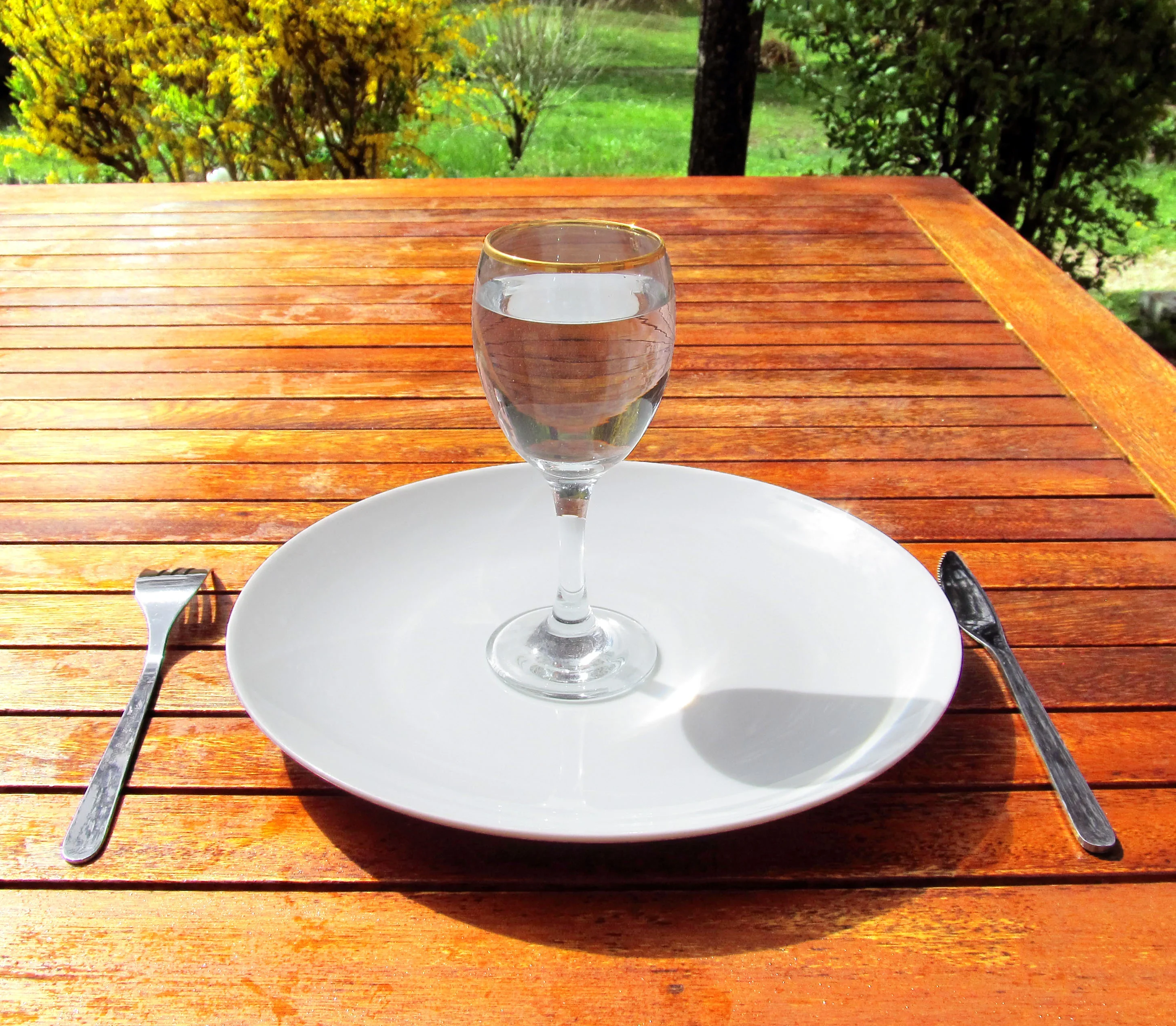
After weeks of abstaining from meat, dairy products, and animal fats, the Easter table tempts with lamb, cozonac, eggs, and rich desserts. For many believers, this is not only a spiritual, but also a purely physical transition – from a plant-based, lighter diet to caloric and hard-to-digest dishes. Doctors and nutritionists, however, warn: the real test for the body begins not with the fast, but with the way we return to our usual eating habits. With sudden overeating after a period of limited intake, the stomach, liver, gallbladder, and heart are abruptly stressed, and in people with chronic diseases, the risk of crises noticeably increases.
What happens to the body during a long fast
The Orthodox Lent, especially when strictly observed, resembles a traditional plant-rich and lower-fat diet: meat, dairy products, eggs are restricted, and on some days – even oil and fish. This affects the entire metabolism – the stomach and intestines get used to more fiber and less animal protein, and the gallbladder and pancreas secrete fewer enzymes to break down fats.
With stricter regimens (very-long-term, very low-calorie eating or long periods with one main meal a day), mechanisms similar to those in therapeutic fasting are triggered: the body saves energy, draws on reserves, and changes the way it uses electrolytes (sodium, potassium, phosphate). Therefore, with a rapid return to food rich in sugar and fats, problems can arise – from gastrointestinal discomfort to more serious electrolyte disturbances in people with weakened health.
Basic principles: "from zero to the table" in several steps
Nutritionists recommend that the restoration of eating habits be thought of as a separate phase – no less important than the fast itself. The key principles are several:
First – start with small, simple portions, even on the holiday. Plan the first non-fasting meal to be moderate in quantity and with foods that are easier to digest: soups, egg dishes, fish, chicken or lamb in a small portion, garnished with well-cooked vegetables. Do not go from zero to a "buffet" in one meal.
Second – avoid the combination of a lot of fat plus a lot of sugar in the first days. Distribute the lamb, eggs and cozonac in different meals, instead of gathering them in one heavy dinner. Rich desserts (cozonac, cakes, chocolate) complement the sharp jump in blood sugar, and this further stresses the pancreas, especially in people with prediabetes and diabetes.
Third – be careful with the amount of alcohol. After a period of abstinence or lower consumption, the liver is more sensitive, and the combination of fatty food plus alcohol increases the risk of crises in gallstone disease, pancreatitis or hypertensive peaks.
Phased return of animal products
A practical approach, recommended by many nutritionists, is to return animal products gradually, within 3–5 days after Easter:
Day 1–2: emphasis on eggs, dairy products and lighter meats. Start with 1–2 eggs per day (boiled or in a dish), yogurt, cheese in moderate amounts. Meat – in small portions, mainly lean and with lots of vegetables. Cozonac – 1–2 thin slices daily, preferably not on an empty stomach.
Day 3–4: gradually increasing the portions of meat, including richer dishes (lamb with garnish, moussaka, dishes with butter), but without overeating. The fiber from the fasting days – vegetables, legumes, whole grains – should remain, to balance the fats and to help the work of the intestines.
Day 5+: transition to a more sustainable, balanced regime: three main meals, each with a source of protein (meat, fish, eggs, milk or vegetable combined proteins), vegetables and moderate amounts of carbohydrates. This is the moment to decide which good habits from the fast are worth keeping – fewer processed foods, more cooked dishes, less snacking.
Which people should be especially careful
Although most healthy people can return to their usual eating habits without serious problems, some groups need more caution and even consultation with a doctor:
– People with chronic diseases – diabetes, cardiovascular diseases, gallstone disease, pancreatitis, chronic gastritis and ulcers. For them, the sudden increase in fats, sugar and portions can cause a crisis or exacerbation.
– Elderly people and people with underweight, who during the fast have actually reduced their caloric intake significantly. For them, with too fast and abundant eating after prolonged deficiency, there is a higher risk of the so-called "refeeding syndrome" – a serious, although rare, combination of electrolyte and cardiac complications.
– People with eating disorders or a history of "yo-yo" diets. Periods of strict restriction followed by "relaxation" can deepen unhealthy behavioral patterns. For them, it is especially important to work with a psychologist or nutritionist, so that the fast does not become the next cycle of extremes.
Practical tips for the first days after Easter
Nutritionists often give similar, at first glance "boring", but working recommendations for the period after the fast:
– Eat slowly and listen to the signals of satiety. The psyche remembers that you have deprived yourself, but the stomach has actually shrunk. If you stop when you feel the first signs of satiety, you will avoid many of the typical complaints – heaviness, heartburn, bloating.
– Drink enough water, especially if you consume more meat, salty and sweet foods. This supports the kidneys and reduces the risk of constipation after a sudden reduction in plant fibers.
– Limit fried and very fatty foods in the first 2–3 days. Prefer baking, boiling, stewing. This gives the gallbladder and pancreas time to return to full power without shock.
– Include fermented products – yogurt, kefir, sauerkraut in small amounts – to support the intestinal microflora after the change in diet.
The fast as a beginning, not a one-time "detox"
Orthodox spiritual leaders often remind that fasting is above all a spiritual practice, not a diet. From a medical point of view, however, it can also be a useful "reset" – as long as we don't go back to indiscriminate eating afterwards. The best thing a person can take from the fast is not the feeling that they "cleansed themselves for a while", but the habit of eating more consciously.
Instead of thinking of the Easter table as a "revenge" after the deprivations, we can turn it into a start of a more sustainable regime: fewer processed foods, more vegetables and home-cooked meals, moderate alcohol, respect for the signals of the body. Thus, the restoration of eating habits after Lent becomes not a health risk, but a natural bridge to a more balanced life throughout the year.




Comments (12)
Ей, хора! 😂 Честно казано, се забавлявам как все още пишеме статии за какво да ядем след Великия пост... Все едно сме извън цивилизацията! 😅 Но добре де, полезно е напомнянето, особено за някои.
Абе хора, викам си аз... добре де, статията е ок, ама май всички сме малко смешни в тая ситуация. Все едно излизаме от ледникова епоха! Седмици пост, после "опа, трябва да внимаваме с баничките"... Ама честно ли
Пфууу, пак ли?! Се едно сме се изплюли от планината! Ама верно, някои хора явно
Да, добре е да се подходи разумно след поста. Не бива да се прекалява накуп, наистина. Постепенно връщане към нормално хранене е най- 😅
Ами, логично си е да внимаваме след поста. Не е нужно да се прави драма, ама наистина да не прекаляваме с мазното веднага. По-добре да използваме момента да ха 🤦♂️