
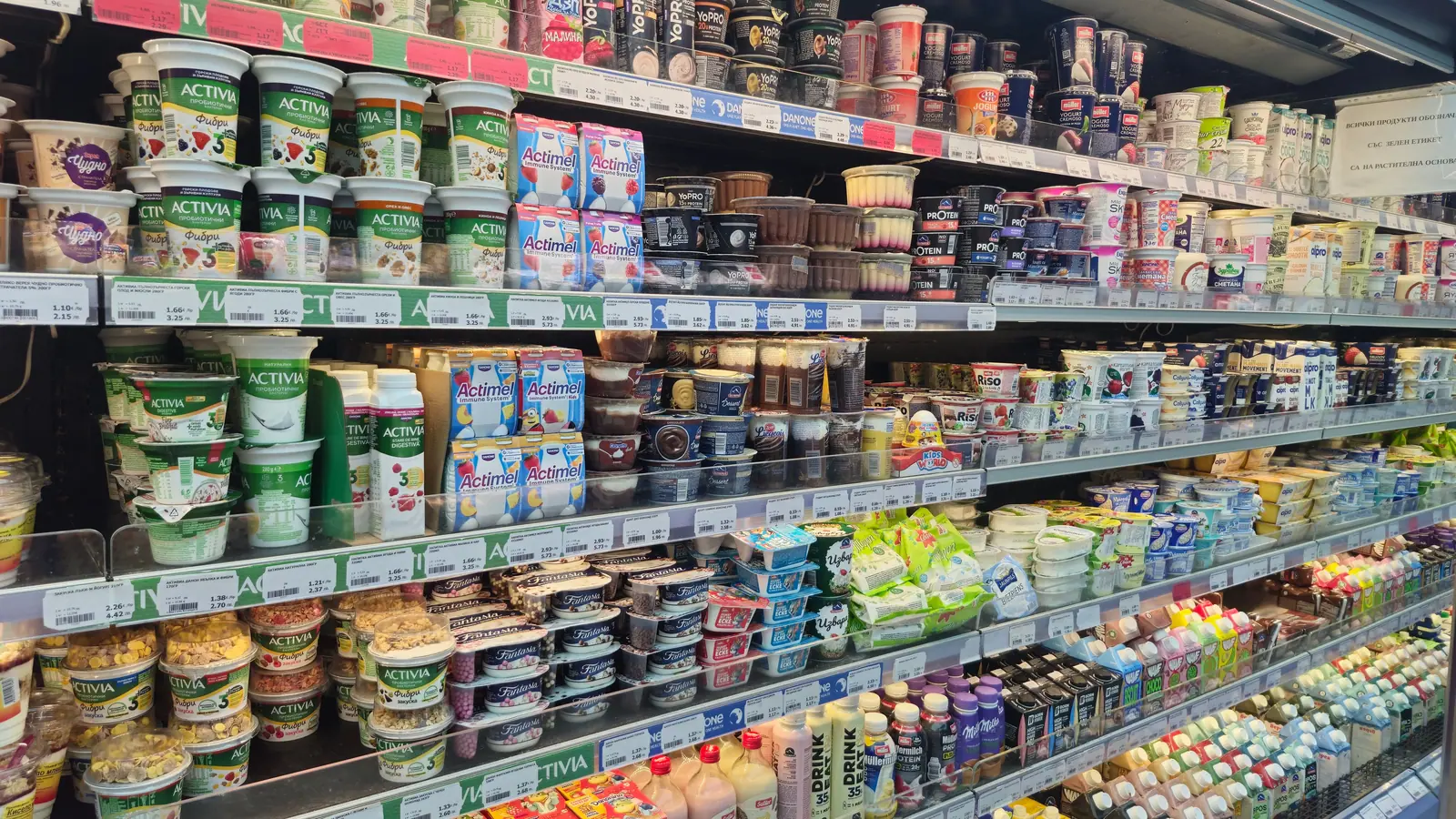
Calling a food "ultra-processed" says nothing about the product itself and is not proof that it's bad for you, nutritionists and food scientists warn. People who eat a lot of these foods do show higher rates of obesity, type 2 diabetes, heart problems and death. Large studies back that up. But experts disagree on whether industrial processing itself is to blame.
A "growing panic" has built up around the topic, says Maeve Hanan of the British Dietetic Association. She says the messages are too black-and-white and feed fear of food.
A long list of ingredients doesn't make a product unhealthy, Hanan explains. Some of the unfamiliar names are vitamins, minerals or technical substances allowed by law, and nutritional value matters more than the number of words on a label.
As an example, she points to chicken nuggets: they're ultra-processed, but they're a good source of protein. They do have more fat and salt than a plain chicken breast. Her advice is to eat them in moderation as part of a balanced diet. They shouldn't be treated as equal to unprocessed meat. One food doesn't decide your diet — what matters is the balance over time.
The official classification is called the NOVA system. It groups together products made with industrial recipes that include refined ingredients, flavourings, emulsifiers, colourings and other additives. The popular rule of thumb — "more than five ingredients, plus one you wouldn't normally find in a home kitchen" — is just a guide, not a strict test.
In the UK, more than half of the calories people eat come from ultra-processed food. The National Institutes of Health in the US tracked 20 adults on diets matched for key nutrients: on the ultra-processed diet, people ate about 500 more calories a day on average and gained weight. A European study published in 2025, covering nearly 430,000 people, found that eating more of these foods was linked to higher overall deaths, as well as higher deaths from several groups of diseases.
That risk was measured for the diet as a whole, not for each individual food — there's no proof that every single product works the same way. It's still an open question how much weight to give to high salt, sugar, fat and calorie content on their own.
Professor David Julian McClements of the University of Massachusetts, who studies food technology, says the term itself isn't well defined, and that focusing on processing distracts from the real problem. Science still doesn't have a clear answer on whether processing itself is harmful, regardless of a food's ingredients, structure and how it's eaten. In 2026 he published a book on the science behind these foods.
Dr Chris van Tulleken is critical of the industry and calls these products "almost impossible to avoid." He says companies use technology and science to make food that's hard to stop eating, and that they know how to make healthy food but don't, because it isn't profitable. The British Food and Drink Federation says companies have put a lot of money into cutting salt, sugar and calories.
The World Health Organization started work in 2025 on global guidance specifically for ultra-processed foods. The WHO says what matters is variety, balance, moderation and getting enough nutrients, with unprocessed and minimally processed foods as the main part of the diet. Diets high in heavily processed foods loaded with salt, free sugars and unhealthy fats are linked to poor health outcomes. But the WHO does not say every processed food is unhealthy.



Comments (1)
ултрапреработена... какво значение има това изобщо? на етикета пише каквото си искат!