

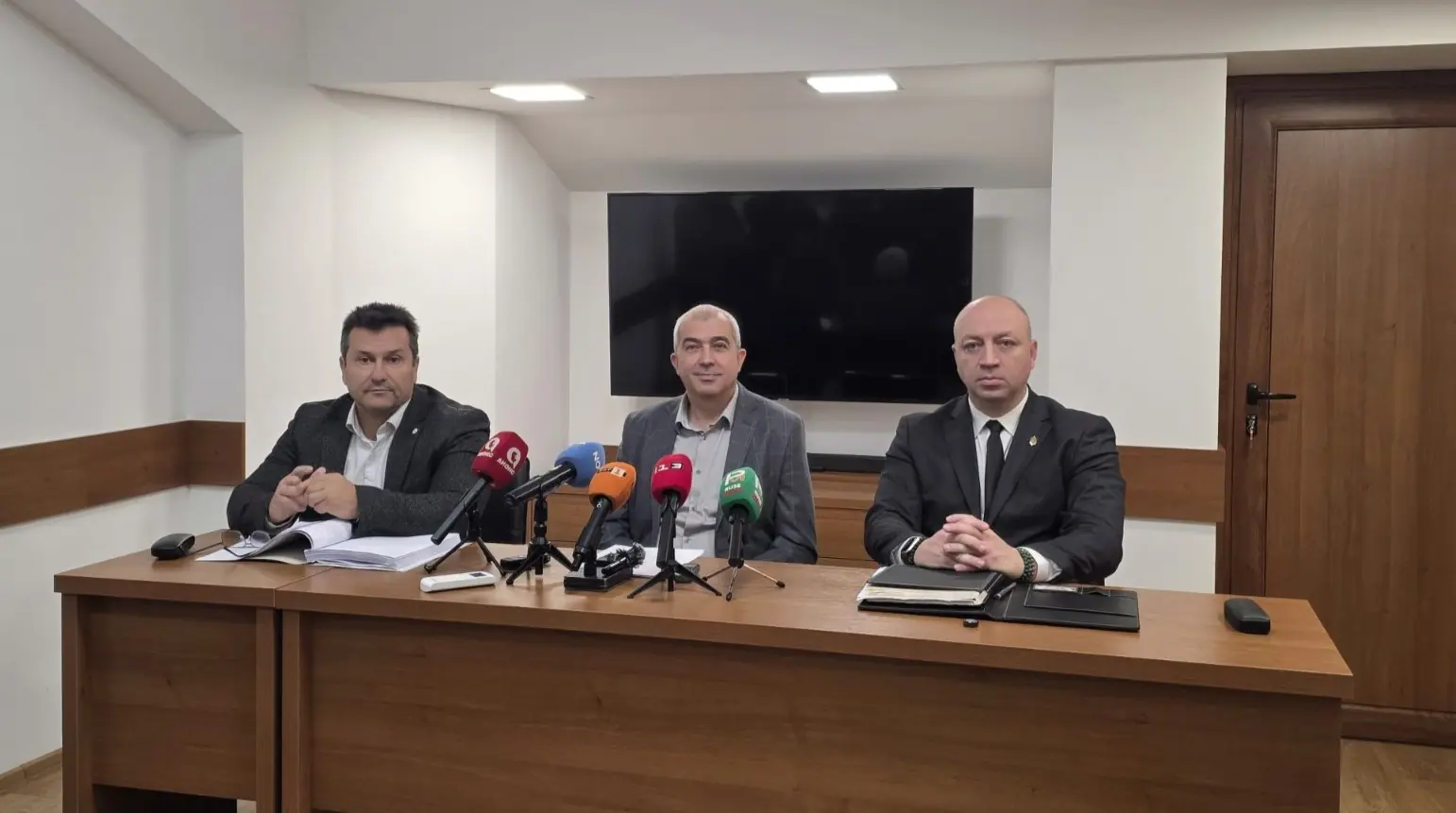
Karnobat District Court is deciding today whether the 58-year-old owner of the warehouse complex where an illegal cigarette factory was busted should stay in custody. Judge Mariela Ivanova will rule. The man from Karnobat is the only person charged in the case.
Prosecutor Chelebieva asked for the harshest measure, remand in custody. His lawyers, Todor Baychev and Stanko Kralev, want the court to impose no preventive measure.
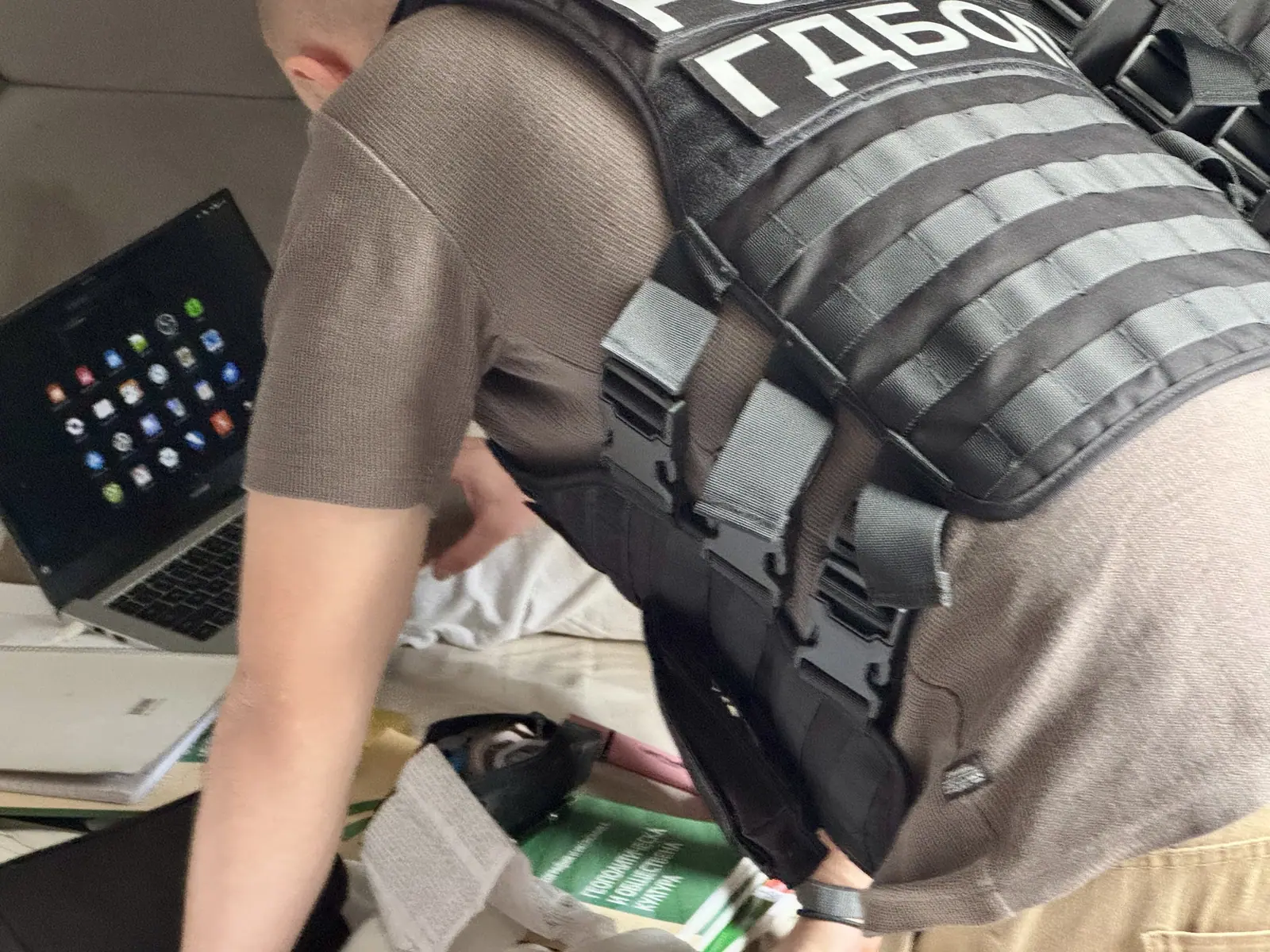
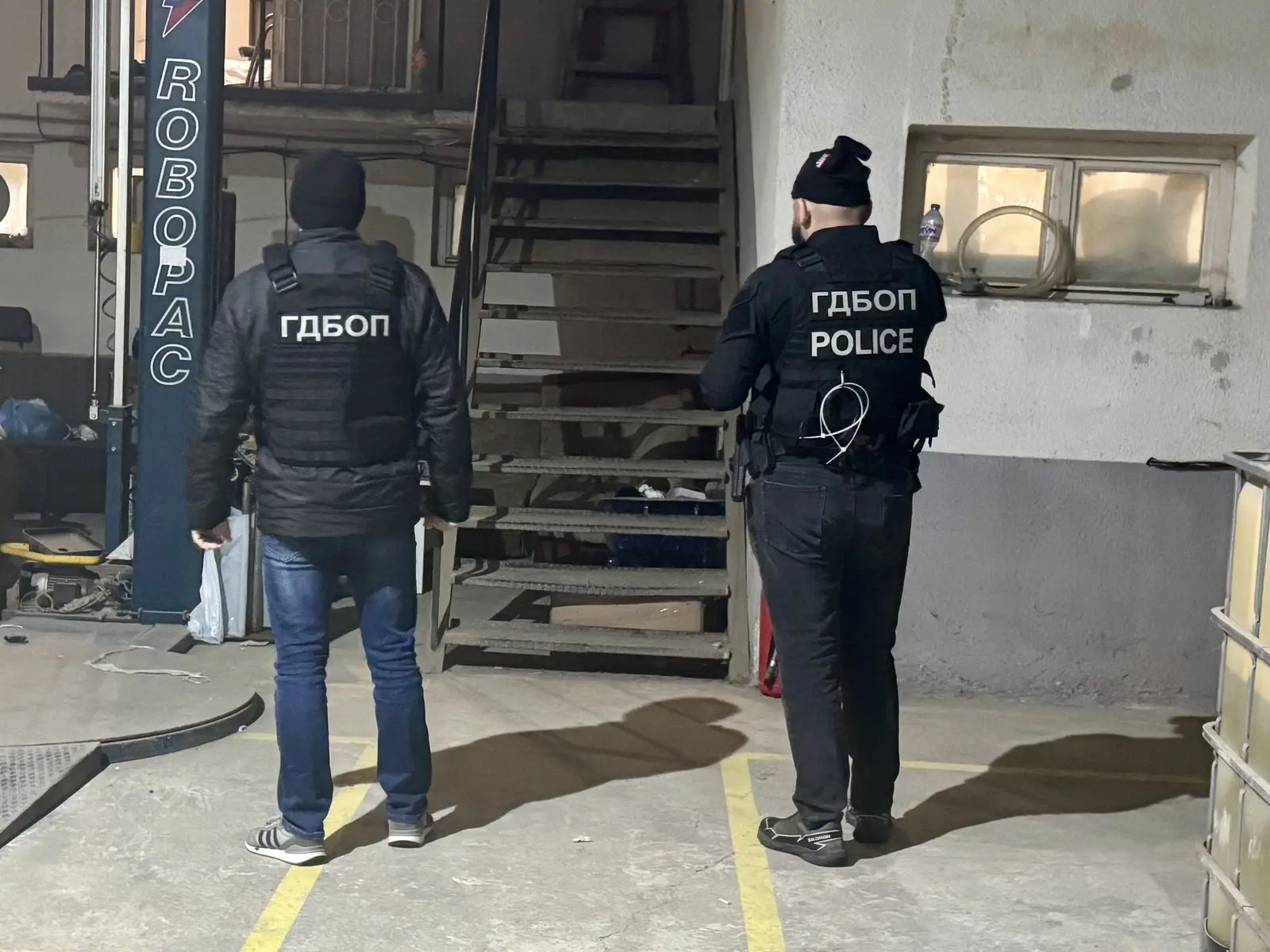
The factory was in Karnobat's industrial zone. On 28 October, officers from the GDBOP organised crime unit, the DANS state security agency and the Border Police found 12 tonnes of tobacco in the complex. They also found cigarette-making equipment in three halls and blanks marked with well-known brand names.
Chelebieva said the evidence points to the defendant as the offender. It includes seizures, searches, witness interviews and photo albums. More witnesses will be questioned, and the crime is large in scale, she said.
The defence disputes the evidence. "The evidence is the testimony of two police officers, and it fills a third of a page, copy-paste," Baychev told the court.
He said nothing proves that his client made cigarettes himself or set up the factory. The seizure records show there was machinery in the halls, but they do not prove the defendant worked with it or knows how to, the lawyer added.
The defence says the man signed a preliminary contract to sell the complex and took a deposit. The contract states clearly that the buyer takes possession on signing. The lawyers argue that prosecutors treat owning the property as the same thing as taking part in the illegal production. They want the court to establish who actually used the halls, who worked the machines and who ran the production.
Baychev said that on the day of the raid, officers contacted the defendant and told him to come to the halls. He took the sale contract from his home and handed it to investigators. "If he had wanted to hide, he had the chance, but he did not. Instead, he helped the police," the lawyer said.
Baychev asked how the defendant could influence witnesses when police are still looking for the buyer of the complex and the workers.
Kralev said he was puzzled by the amount of evidence for a charge that carries 1 to 6 years in prison, and he insisted the man should be released.
Comments (0)
No comments yet.