
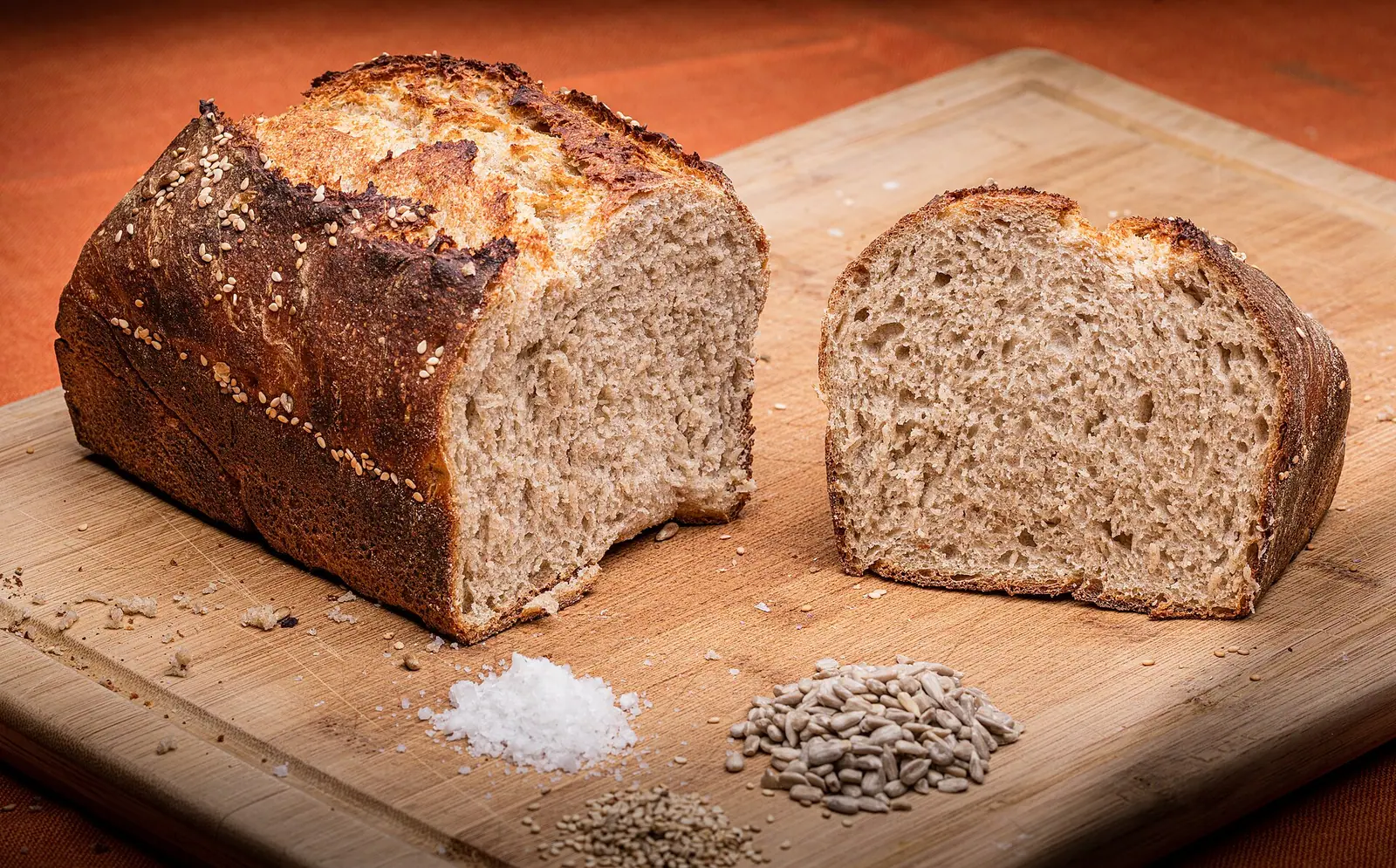
Modern medical recommendations do not equate cutting out white flour with consuming whole grains, even though the latter are often excluded from low-carb diets. Removing them entirely from your menu does not automatically guarantee greater health benefits.
Eric Berg, a popular advocate of the keto diet, claims that limiting grain products for a certain period can reduce bloating and stabilize blood sugar levels. However, it is important to note that according to his own biography, he is a doctor of chiropractic, not a medical doctor. Modern guidelines make a clear distinction between highly processed refined white flour and whole-grain products. The American Heart Association advises people to choose oats, brown rice, whole-wheat pasta, and whole-grain bread instead of those that have undergone heavy processing.
The fundamental difference between the two types of products lies in the structure of the grain itself. In the whole-grain version, the bran, germ, and endosperm are preserved, whereas the refining process removes the layers rich in minerals, vitamins, and fiber. It is often claimed that after such processing, only gluten remains in the grain, but this is not true – white flour consists primarily of starch and proteins, which includes gluten. It is precisely this loss of fiber and nutrients that gives whole-grain varieties a different nutritional profile.
See more in the media. BG: The number of patients with gluten intolerance is growing, explains a Burgas allergist
The problem with gluten is not universal for everyone. The U.S. National Institute of Diabetes and Digestive and Kidney Diseases states that in people with celiac disease, gluten intake does indeed damage the small intestine, which can cause symptoms such as gas, diarrhea, constipation, abdominal pain, or bloating. For people who do not have diagnosed celiac disease or another specific sensitivity, there is no reason to automatically assume that gluten causes inflammation. The Harvard T.H. Chan School of Public Health notes that research finds no evidence that long-term gluten intake in itself increases the risk of developing heart disease in people without celiac disease.
If a person stops consuming biscuits, white bread, pastries, and other refined foods, they can indeed limit their intake of calories, added sugar, and rapidly absorbable carbohydrates. For certain individuals, this may affect body weight, satiety levels, and blood sugar fluctuations, especially if these products are replaced with proteins, vegetables, legumes, and high-fiber foods. It is important to understand that the positive result is due to the change in the overall menu, rather than necessarily the removal of grain itself. Brown rice, oats, and whole-grain bread are digested more slowly and provide more fiber compared to refined products.
See more in the media. BG: How to lower high cholesterol with diet and exercise
Similar logic applies to heart health. According to current recommendations from the American Heart Association from 2026, whole grains are among the core elements of a heart-healthy diet, with advice to limit refined grains. The fiber present in whole-grain products supports digestion, satiety, and cholesterol control. Therefore, the claim that the complete removal of grain foods improves heart health contradicts current guidelines.
There is also a lack of sufficiently reliable data to confirm that excluding grain foods in itself prevents nighttime hunger or reduces premenstrual pain. Factors such as sleep, habits, food composition, and total energy intake determine sugar cravings and frequent snacking. Although a higher amount of fiber and protein may prolong the feeling of fullness, this does not automatically require the removal of brown rice, oats, or other whole-grain foods. The same applies to constipation – for some people, limiting high-fiber whole grains may lead to the exact opposite effect.
See more in the media. BG: What happens to the body if you eat oatmeal every day
It is more practical to make a distinction between foods where the grain remains intact and highly processed flour products. While oats, bulgur, and brown rice have a fundamentally different nutritional composition, biscuits, donuts, sweet snacks, and white flour products often contain fats, salt, and added sugar. In the presence of proven celiac disease, a gluten-free diet is mandatory, but if there is no established diagnosis, the arbitrary exclusion of gluten does not offer a proven universal benefit. For the majority of people, a more meaningful change is increasing the intake of more whole grains, vegetables, fruits, legumes, and other sources of fiber, rather than consuming refined products.






Коментари (0)
Все още няма коментари.