
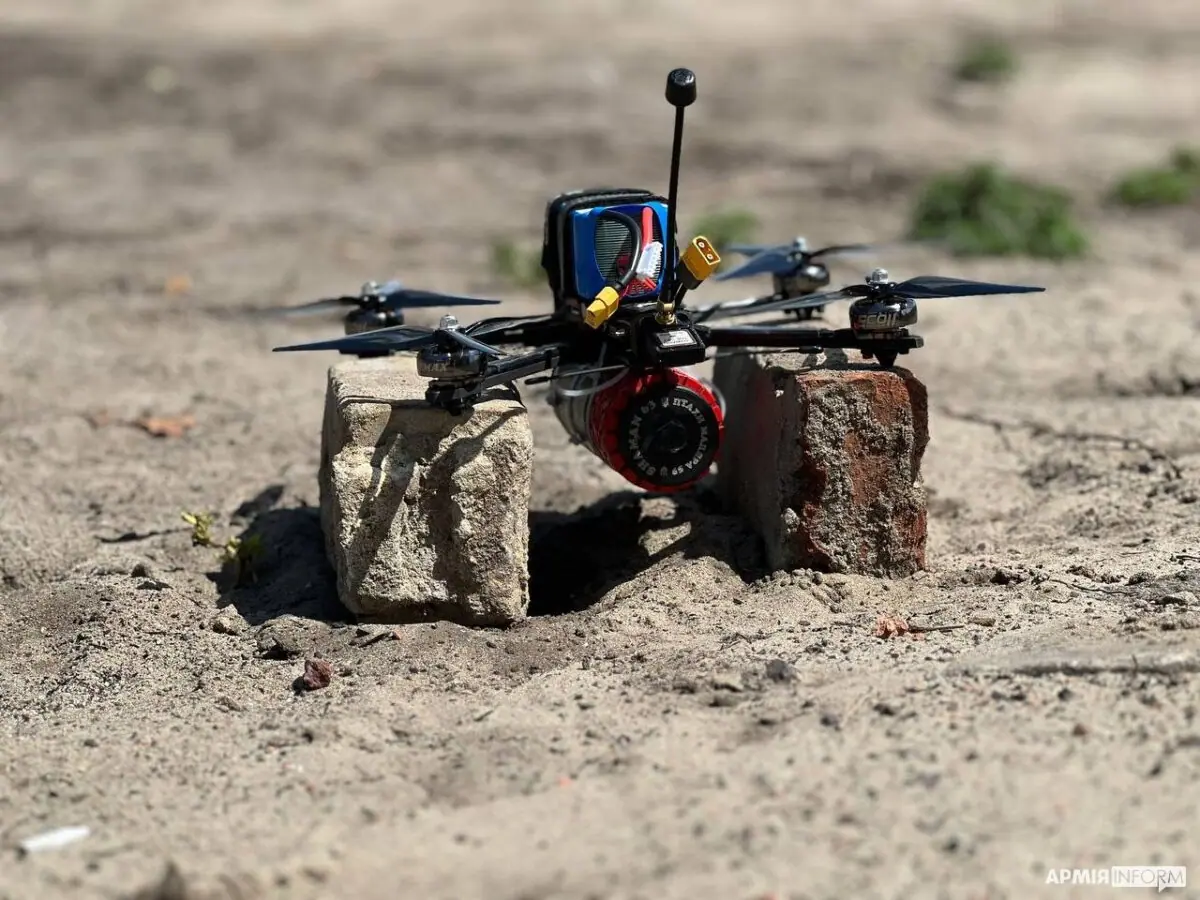
Experts from maritime risk assessment firm Ambrey warn that unmanned aerial vehicles have now overtaken naval mines as the primary threat in the Black Sea basin. Their analysis indicates that the true volume of dangerous debris likely exceeds officially reported figures, as not every incident is reported, and their intelligence sources include commercial vessels, reconnaissance data, and the company’s own channels.
Senior Europe analyst Thomas Aleza explains that the alarming rise is due to the intensive use of unmanned systems by both Russia and Ukraine. Often, drones that have been shot down, lost control, or were affected by electronic warfare end up drifting into areas far from the direct combat zones. "More and more of these systems are being shot down or disrupted by electronic warfare measures. As a result, they fall into the water," Aleza notes.
Statistics confirm the escalation of this trend:
- In the period from March to August, 56 objects were recorded in the Black Sea basin, whereas in the previous six months, the number was only 27.
- Data for September show acceleration, with eight additional findings identified in the first seven days of the month alone.
- The most significant increase is observed in the territorial waters of Turkey, Bulgaria, and Romania.
The danger is particularly critical for two groups:
- Crews of commercial and fishing vessels: Ambrey warns sailors not to approach these objects, as it is visually impossible to distinguish a decoy from a device with a live warhead.
- Offshore energy infrastructure: Unlike ships, platforms and stationary facilities cannot maneuver when currents bring a potentially dangerous object toward them.


Коментари (2)
шест месеца? наистина ли никой не забеляза по-рано, 4е нещо се случва наблизо. дали някой проверява къде точно са тези боеприпаси
Двоен ли е броят наистина? Шест месеца - толкова ли бавно реагираме?