
Brussels does not yet know if the false bomb threats against flights across Europe are linked, EU transport commissioner Apostolos Tzitzikostas said on Thursday, 5 November. He said it is too early to draw conclusions, and the EU is following the case with national authorities.
"Any threats against civilians are unacceptable," the commissioner wrote on X.
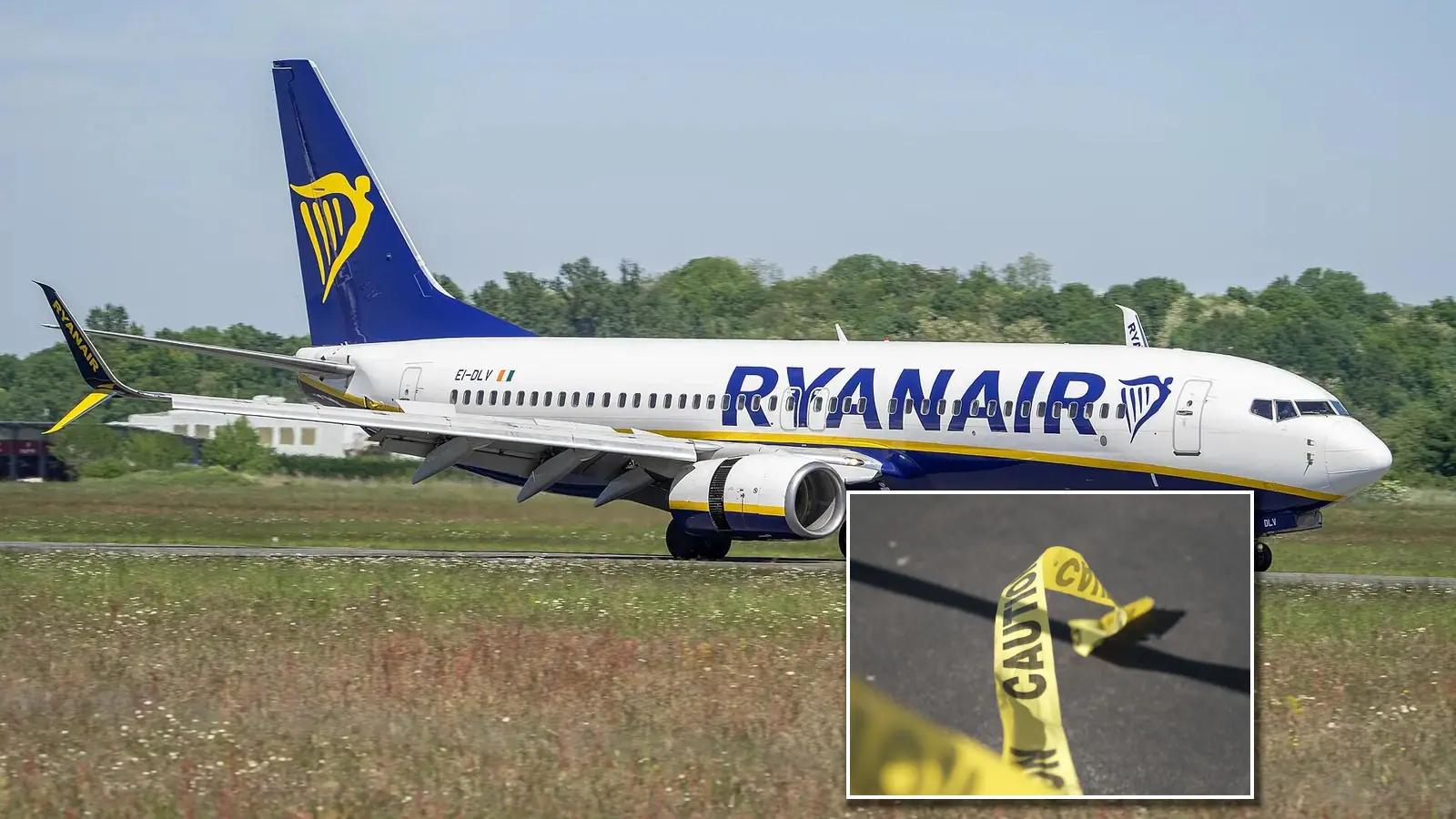
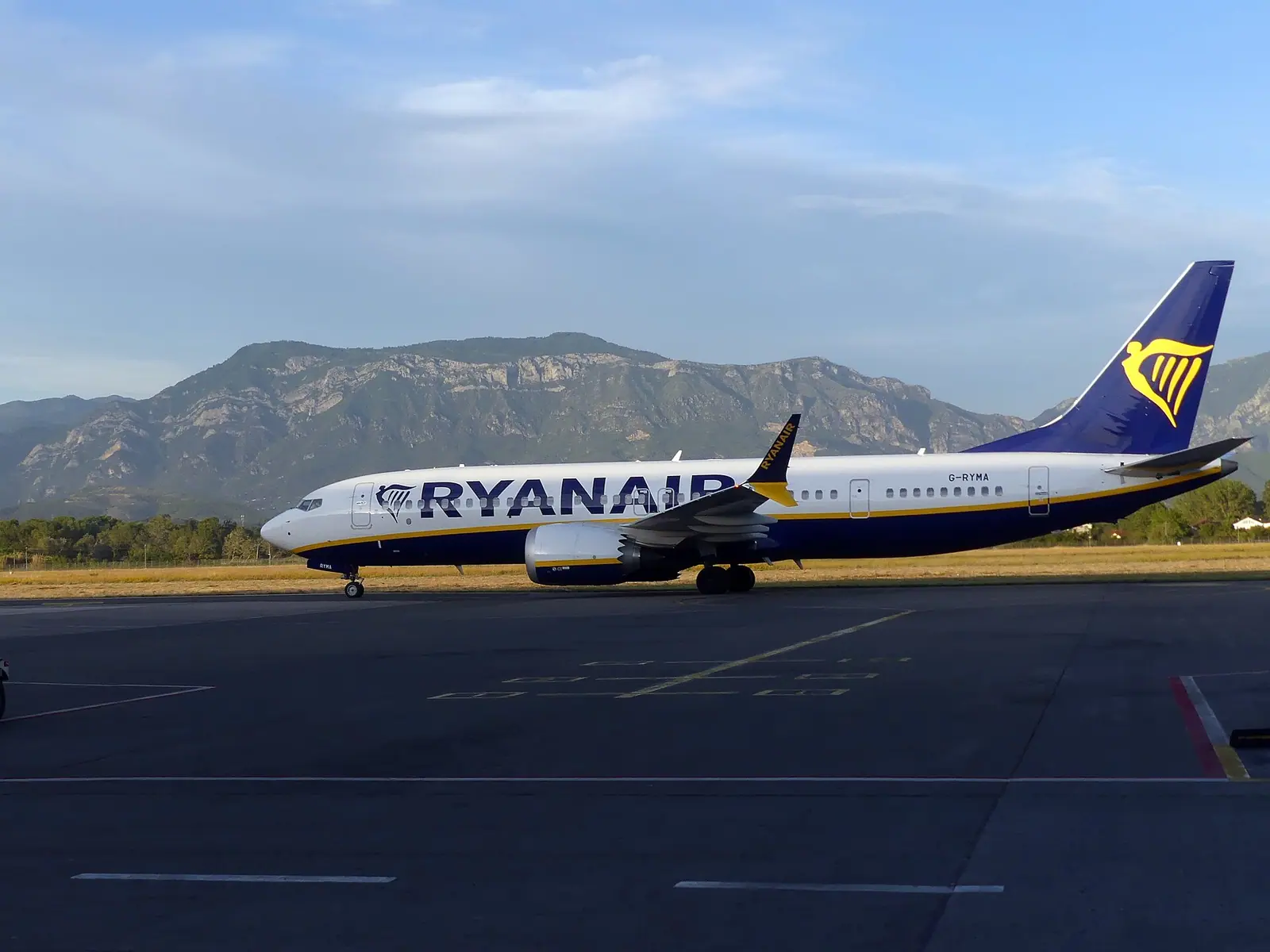
Three Ryanair planes bound for Sofia received threats. They flew from Madrid, Copenhagen and London Stansted. Bulgarian air force fighter jets escorted all three, the Defence Ministry said. The ministry said that on such missions planes are "detected, identified and escorted".
The planes from Copenhagen and Madrid landed in Sofia, the interior minister said. The flight from Stansted was diverted to Plovdiv airport, east of the capital.
An interior ministry spokesperson said all three planes were searched and no explosives were found. The transport ministry said the checks after landing followed standard procedure without problems, and the airport is working normally.
Thursday was the third day this week that planes in Europe got threats. Italy, France and Bulgaria scrambled fighter jets. Authorities and airlines say at least 14 flights were affected on Thursday alone, and more than a dozen had to make unplanned landings. No explosives were found on any plane, and all landed safely.
Low-cost airlines and flights to and from Bulgaria, the Czech Republic and Italy were hit hardest. There were also threats against routes between France, Spain, Denmark, Poland, Romania, Ireland, the UK and other countries. Three flights were diverted to other airports.
A Finnair plane from Helsinki to Rome was escorted to the Italian capital by an Italian air force fighter jet. Bomb disposal experts searched the aircraft at Fiumicino airport. Company spokeswoman Stiina Tuunanen said nothing unusual was found after landing. Another false threat hit flight AY1471 from Helsinki to Vienna, she added, without giving details. She said Finnair has a very clear procedure for such cases and always works closely with local authorities.
A Wizz Air flight from Milan to Warsaw was diverted to Vienna. The company said it acted "in line with established safety protocols and procedures". Another plane of the airline, from Milan to Bucharest, landed safely. A crisis team was then set up at Henri Coanda airport, Romanian intelligence services said.
An Aer Lingus plane from Dublin to Rome turned towards France. French military jets escorted it to Evreux air base, west of Paris. The French air force sent them up as soon as the threat came in.
The office of prime minister Sebastien Lecornu said bomb disposal experts were working at the airport, and 151 passengers and 6 crew were taken to safety. Aer Lingus said the plane landed safely and passengers will be sent on to their final destination as soon as possible.
In Prague, four planes of Ryanair, EasyJet and Sky Express got threats. All were searched by bomb disposal experts and nothing was found. Airport spokeswoman Denisa Hejtmankova said the threats were sent by email from anonymous addresses, and it was not clear at first which airlines were targeted.
Czech police handed the investigation to the National Centre against Terrorism, Extremism and Cybercrime. "We rate the threats as not very credible. Still, we are not taking the situation lightly, and all the necessary security steps are in place," police wrote on X.
In Copenhagen, two arriving planes got threats. Police in the Danish capital say there is no danger, and never was, to passengers or anyone else at the airport.
In Madrid, false threats hit three flights, Spanish authorities said. It is not clear if any of them are among the planes that landed in Sofia.
LOT flight LO235 from Warsaw to Brussels also got a threat. After the alert, the crew searched the plane and found nothing suspicious. The plane landed safely at Zaventem airport, where security staff carried out another check.
The wave began on Monday, when a Wizz Air plane from London Luton to Sofia was diverted because of a threat and made an emergency landing in Budapest. On Tuesday, about 10 flights got threats, all false. Warsaw airport was shut briefly, and Italian fighter jets took off in Rome.
This week there have been more than 20 false threats, and Ryanair has been hit in at least 7 of them.
Who is behind the threats, and why, is not known. They come as hybrid attacks rise in Europe, which authorities sometimes link to Russia or Iran. Last month, Nicolas Roche, France's secretary general for defence and national security, told parliament that Europe faces a build-up of hybrid attacks of every kind: sabotage, cyber attacks, drones and spying.


Comments (12)
Чак ми стана лошо като прочетох за тия самолети! Триумф? К'во триумф, бе хора?! Ryanair - все пак нискотарифни са, не са VIP самолети с арабски шейхове. Да плащат сега всички пътници заради някой балък, дето си играе на терорист? И да кажат кой ги е измислил тия заплахи, че не може така!
14 полета?! Тоя "балък" явно има много свободно 🇧🇬
Ryanair… все пак, нискотарифни полети до София са доста популяр
Три самолета към София… толкова ли е трудно да се проследят тези, които изпращат тия съобщения?
14 полета… наистина много. Кой ще плати за тия
ryanair... интересно как точно ИЗБРАХА три самолета.
14 полета в Европа ли?! Това вече май сериозно нещо, а? 🤙
Ryanair… ама как точно успяха да "изберат" три самолета наведнъж? Случайно ли беше или някой си играе с огън?! 😁
Ryanair... ама 14 полета в Европа?! Сигурно
Ryanair… 14 полета?! Тоя номер е голям, на
Ryanair... ама защо точно три самолета към София, бре? Каква
Ryanair... четири полета в България днес, а? Какво става тук почнахме ли да приличаме на нещо друго?