
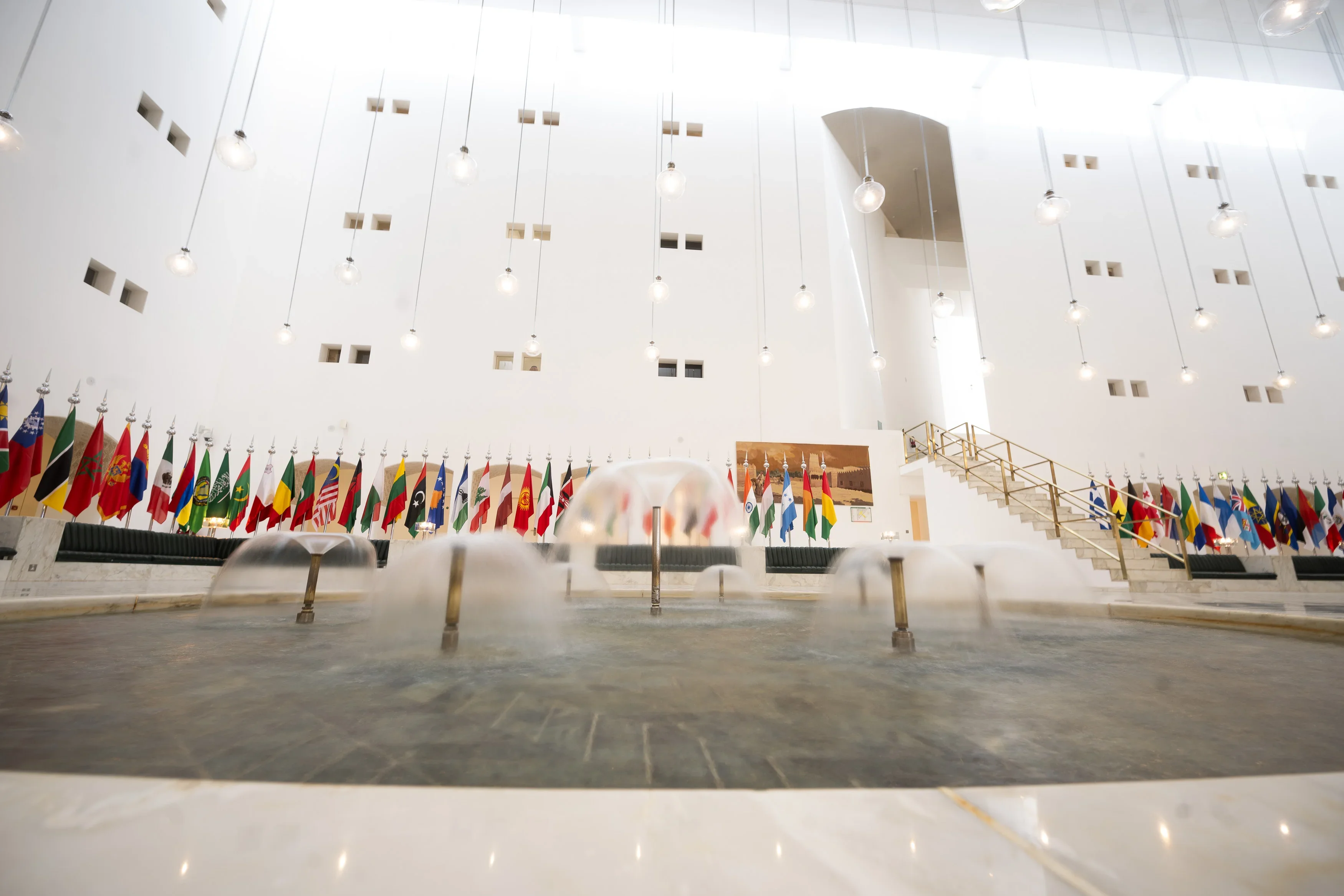
Seven countries from the OPEC+ alliance are continuing as planned to increase their monthly production quotas – the latest increase is 188,000 barrels per day from June – but the war with Iran and the de facto closure of the Strait of Hormuz are turning these numbers into something merely symbolic. At the next regular meeting on June 7, the trend is expected to continue: the countries in the alliance intend to fully restore the voluntary cuts, first introduced in 2023, by the end of September.
Saudi Arabia with lowest production in 36 years
This week, Riyadh notified OPEC that in April, the country's oil production fell by another 651,000 barrels per day – to 6.316 million barrels per day.
This is the lowest level since the Persian Gulf War in 1990. Since February, production in the kingdom has fallen by about 42% as intensified military action by the US and Israel against Iran began to disrupt shipping through the Strait of Hormuz.
Saudi Aramco CEO Amin Nasser warned on May 11 that global oil supplies are shrinking by approximately 100 million barrels per week and that a normalization of energy markets may not occur before 2027.
"Paper" barrels in a real crisis
The quota increase is part of the phased lifting of OPEC+ voluntary cuts of 2.2 million barrels per day – a process that began in 2025, but has already been overtaken by the actual development of events.
The May increase was fixed at 206,000 barrels per day, and the July one at 188,000 barrels per day; the latter was revised downward after the United Arab Emirates left OPEC and OPEC+ on May 1, depriving the coordination mechanism of the third-largest producer in the alliance.
On May 13, the International Energy Agency reported that in March and April, global oil stocks were falling at a rate of about 4 million barrels per day and that the market would remain "in conditions of acute supply shortage" at least until October – even with a rapid political settlement of the conflict.
The US Energy Information Administration has significantly revised its forecasts for inventory drawdowns in 2026 upward: an average drop of 2.6 million barrels per day is expected instead of the previous estimate of just 300,000 barrels.
A shaken alliance at a time of greatest trial
The exit of the UAE has further complicated an already tense picture. Abu Dhabi's departure removes approximately 3–3.5 million barrels per day from OPEC's baseline production level and deprives the organization of spare capacity at the most inappropriate moment.
According to Morgan Stanley estimates, global oil stocks fell by about 4.8 million barrels per day in the period from March 1 to April 25 – the largest quarterly drop since records began.
You may also like
 F-16 delay: Delivery of the second batch of eight for Bulgaria is postponed to 2030.
 Government updates 2026 budget: Shipka renovation and new priorities
 Over 45,000 calls to 112 in a week: a 10% increase and intensified use of eCall
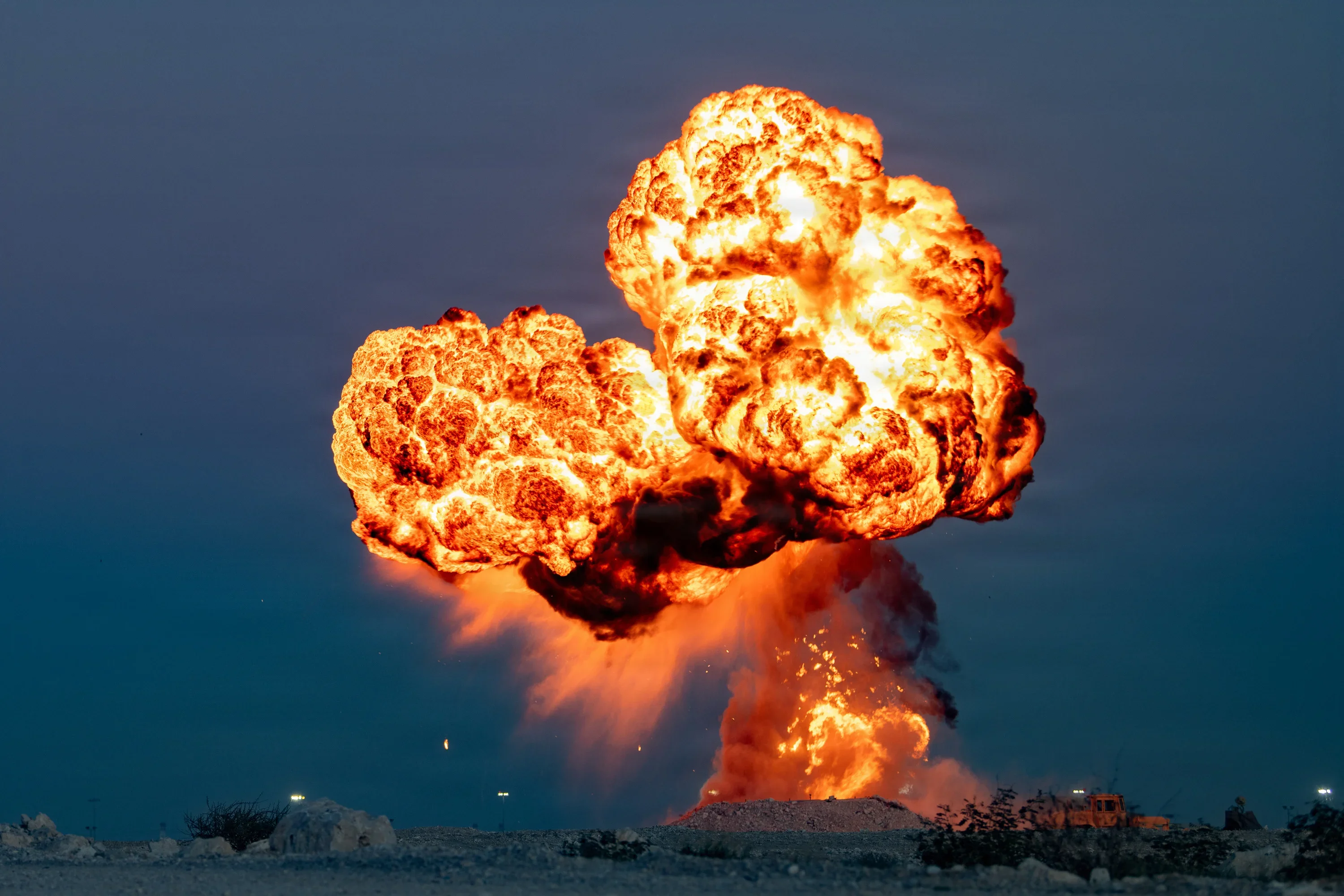 Controlled explosions at the "Emco" plant near Belitsa: What you need to know?
Against the backdrop of a de facto cessation of production and exports throughout the Persian Gulf, the increase in OPEC+ quotas boils down to accounting adjustments – more of a declaration of intent for a future, post-war market, which for now remains an unattainable hypothesis.
Коментари (127)
6F303806
14.05.2026, 16:00Абе, пак тия руснаци! Явно и пет
mzvchp74
14.05.2026, 16:02Абе, 6F303806, к'ви петрол са руснаците тука?! Явно Саудитска Арабия има свои грижи... ама да не се заблуждаваме – вся
Боко
14.05.2026, 16:04Абе хора, спокойно! Разбирам напрежението, всички сме притеснени за цените на горивата, но да обвиняваме само руснаците е малко... наивно, както каза един колега по-горе. Това е геополитическа ситуация, свързана с Близкия Изток и има много фактори
mega_wolf747
14.05.2026, 16:04Абе, чакай малко, сериозно ли говореш? Пак да са руснаците виновни?! Наистина ли винаги трябва да търсим руски връх в нещата? Да си припомним малко история – Саудитска Арабия е важен играч на петролния пазар от десетилетия, още преди Путин да се роди! Войната с Иран и блокадата на Ормузкия проток са логично обяснение за спада в добива. Това е геополитика, баце, не конспирации!
cool_angel23
14.05.2026, 16:04Ахаха, 6F303806, братле, лесно е да обвиняваш руснаците за всичко, ама малко повече четене на новини няма да ти навреди, моля те! 😂 Саудитска Арабия си имат свои си проблеми, свързани с войната и квотите. Няма общо с Путин и руските му трикове в случая.
Лош_Реалист
14.05.2026, 16:19Мдаа, доста неприятно за световната икономика... Надявам се наши
Yordan86
14.05.2026, 16:20абе, лош_реалист, "надяваш се наши"... на какво точно? да ни удрят още по-силно с цените? аман от тая игра! вижда се ясно, че руснаците ще се възползват от всяка дупка в световната икономика. и аз си мисля, че трябва да се фокусираме повече върху европейските решения за енергетиката. ние сме в европа, брат, не може
crazy_boss
14.05.2026, 16:23абе, верно казано от mega_wolf747. искам да добавя само, че добре е да имаме стабилни източници на енергия в европа, затова сме в ес
pesho730@gmail
14.05.2026, 16:51Абе хора, сприите се малко! Да, лошо е за всички нас - бензина ще става още по-скъп. Но да търсим руснаци във всяка дупка... Стига вече! Саудитска Арабия си имат свои интереси, нали? Иранската работа, Ормузкия проток – те са причините, а не някой от Москва. Ние трябва да се фокусираме върху това как можем да намалим зависимостта си от петрола и газ
gosho812@gmail
14.05.2026, 16:53Абе, Пешо, мисля че си малко наивен. Саудитска Арабия и Иран имат "свои интере
Лош_Човек
14.05.2026, 16:55Абе, pesho730, какво искаш да кажеш – да не търсим руснаци?! Сериозно ли? Ама как така ве? Всеки път като нещо се обърка - газта поскъпва, петрола скача... кой е винаги в играта? Не ми казвай, че са си "само техните интереси"! Нали виждаш какво става с Украйна?! Иранската работа е отделна тема, разбира се, ама да не правим сякаш Русия няма пръст във всичко това! Те подклаждат пожари навсякъде, за да си постигнат целите.
gosho820@eu
14.05.2026, 16:55Пesho730, бате, разбирам те напълно - умора от търсенето на връзки с руснаците навсякъде. Ама виж сега... Саудитска Арабия си имат свои интереси, да, ама Путин също има! И двамата играят шах-мат с Европа и света. Не казвам, че това е пряко дело на Москва, деба, но Русия се
Млад_Софиянец
14.05.2026, 16:55Абе, Pesho730, ти май си трол, нема начин! 😂 Разбирам те, че се опитваш да успокоиш хората, ама ей хора, гледай какво става! Саудитска Арабия намаля добива – това е бомба със закъснител! И не ми казвай, че нямат интерес. Имаат, ама кой ги кара? Кой им диктува играта?!
6424B211
14.05.2026, 17:12абе хора, пак ли?! сериозно ли още се опитвате да омаловажавате ситуацията? да, разбирам, че е неприятно за всеки един от нас – бензинът ще гори повече пари, а инфлацията си върви все така. но да гледаме истините в очите: всяко колебание на петролните пазари, особено когато става въпрос за
768156
14.05.2026, 17:13Абе, 6424B211, спокойно, човек! Напълно си прав, пак се опитват да ни заблуждават с празни приказки за "пазарни закони" и "незначителни колебания". Ама наистина ли още вярвате на тези истории? 🤦♂️
A0CAA72C
14.05.2026, 17:15Абе, наистина ли? И какво сега, пак газта от Русия да вадим, за да ни е по-евтино? Не
Истински_Граждан
14.05.2026, 17:15Ами да, факт е. Затова трябва повече инвестиции в зелени технологии и енерги
B874D06E32
14.05.2026, 17:16Пфууу, кво да ти кажа... пак става цирк! Този
879AA4
14.05.2026, 17:27Пак ли? Пак някакви проблеми отвън! Ама ние тука какво правим? Трябва да се сте
Mariya98
14.05.2026, 17:29Абе хара, направо съм шокиран! 🤯 Тоя добив да падне така… ясно е че газта ще поскъпне якооо! Ама вие разбрахте ли какво значи това за нас? За Европа?! Трябва да се стегнем още повече и да си гледаме интересите. Да не ни вкарват в някакви сапуни отвън, а да си подкрепяме европейските ценности! 🇪🇺🇧🇬 И
Прав_Българин
14.05.2026, 17:32Абе, "879AA4", стегнахме се бе човек! Стехнаха се всички, ама нали знаеш... все едно хвърляш вода в пустинята. Да си стегнем гащите, да си платим тока от ВЕИ-тата, дето ги строим благодарение на Европа и после да гледаме как Саудитците си играят с цените на петрола, сякаш е детска игра!
mfdqog148
14.05.2026, 17:49Абе хора, чак ми става лошо като чета коментари! Сериозно ли все още има хора, които търсят "руснаци" във всяка дупка?! Пак повтарям – да, скъпият бензин е гаден за всички ни, но да си хвърляме вината на някого, който няма пряко отношение към проблема... Глупости!
pro_king
14.05.2026, 17:51Абе, mfdqog148, много права си, наистина е досадно да се търсят конспирации на всякъде. Ама виж сега, все пак връзката е ясна - Русия и Саудит
ngsfg478
14.05.2026, 17:52Абе, mfdqog148, ти си прав да се ядосваш на безсмислените конспирации. Но да отричаш факта, че Русия играе ро
yrmjug430
14.05.2026, 17:53Мдааа… mfdqog148, верно си прав, ама да не забравяме откъде идва го 😜
Млад_Граждан
14.05.2026, 17:53Абе, mfdqog148, извинявай, ама тея твоите "руснаци" във всяка дупка са нещо като рефлекс у някои хора, аз го разбирам, наистина. И аз съм сигурен, че никой не иска скъп бензин – кой ще го иска?! Но да отричаш връзките тук е... ама наистина е малко безотговорно. 💥
Ivan90
14.05.2026, 18:28Пич, кво да кажа... Саудитска Арабия - голям играч! Цялата работа се клати, а ние тука си гледаме бензиновите колонки. Явно
Честит_Граждан
14.05.2026, 18:30абе, иван90 пич си! да, саудитска арабия е важна, ама хайде да не се правим на ударени! това показва колко крехка е играта с петрола и колко много
ndfjt31
14.05.2026, 18:32Абе, Ivan90, прав си, Саудитска арабия е голям играч, ама тоя свят хич не е стабилен напоследък, нали? Все едно да се опитваш да строиш къща върху пясък. И какво да кажа аз - викам си, че докато ние тука се бъхтим за някой лев от заплатата и се чудим дали ще можем да си платим тока, те там горе играят на голям интерес.
real_tiger715
14.05.2026, 18:32Иван90, пич, то е асно. Ама да не се заблуждаваме - Саудитска Арабия си играе на нерви, както винаги. Нашите интереси са в Европа, там
Dimi33
14.05.2026, 18:29алооо, хора! видяхти ли тая новина?! саудитска арабия – голям играч на световния пазар – и добивът им се срива до 90-те години?! това е огромен удар за глобалната икономика, а от там - и за нас
crazy_tiger
14.05.2026, 18:31Ало Dimi33, прав си, положението е сериозно. Но да не забравяме – колкото по-слаба е зависимостта ни от петро
Истински_Бургазлия
14.05.2026, 18:34Ехаа, Dimi33 прав си напълно! Тоя Са
Georgi61
14.05.2026, 18:49Абе, хора, вие разбрахте ли какво става?! Саудитска Арабия, дето ни определят цените на горивата, сега имат проблем? Това значи, че ще вдигат още повече цените! И после се чудим защо тока е скъп и всичко оля. Явно Путин не е единственият, който играе с огън... Дано Европа да си гледа интересите и да не ни оставят на произвола на съдбата, както вина
Ивачев
14.05.2026, 18:53Ей, Georgi61! Напълно си прав, бате! Да не мислим, че само Путин е виновен за проблемите ни... Тиа от Сауди арабия май точат огън направо в портфейлите ни! 😅
Стечо
14.05.2026, 18:51Абе, хора, вие разбрахте ли какво става изобщо?! Саудитска Арабия – значи световен петрол, цени на горивата, всичко! И сега хоп, добивът им се срива до 90-те... Явно нещо много яко се случва и никой не го казва директно.
Добър_Човек
14.05.2026, 18:53Абе Стечо, брат, ти многу си прав. Само да добавя - кой го очакваше, че Саудитите ще ни
ultra_boss358
14.05.2026, 18:53Абе, Стечо, вие наистина ли сте прочели новината или само си правите лоши предположения? "Нещо много яко се случва" – да, нещо се случва, но май не е толкова "яко", колкото ви се иска. Да, Саудитска Арабия са ключов фактор в петролните доставки, това е факт. Но да си мислим, че руските им ласкуби ще изскочат отнякъде и ще ни спасят с евтин газ – моля!
dark_tiger
14.05.2026, 18:55Абе, Стечо, много прав си, човече! Сериозно! Тоя добив падащ... все едно някой нарочно се опитва да ни затегне още повече гайките. Ама виж сега, каква е иронията – все тая дали е война в Залива или сега, пак ние ще плащаме сметката!
Истински_Граждан
14.05.2026, 18:55Абе Стечо, наистина ли така го виждаш? "Нещо много яко се случва"... Ами да, нещо се случва, но дали е в наша полза? По-скоро ме притеснява как руснаците ще се възползват от тая ситуация. Все пак, те са МАЙСТОРИ да намират начин да изстискат нещо лошо от всяко положение. Дано Европа и България да са подготвени и да не ни ударят цените на горивата тотално в гла
dark_angel576
14.05.2026, 19:01Ами, доста неприятна новина. На фона на всичко случващо се в света - войната в Украйна, нестабилността в Близкия изток – рязък спад в добива на петрол от Саудитска Арабия определено ще се отрази на енергийните пазари. За Европа е
Ничев
14.05.2026, 19:03Абе, харесва ми как казваш "За Европа е
dffpd600
14.05.2026, 19:03Абе, пич, да си прав! Dark_angel576, как да не е неприятна новината?! То вече май няма къде да се скрием! Саудитска Арабия пада, Иран пак нещо готви... Ама виж сега – какво ни остава? Да се надяваме на здравия разум на Европа и бързо да си направим резервите. Ние българите трябва да хванем вятъра в платната, да развиваме зелена енер
real820@abv
14.05.2026, 19:05Абе, хора, успокойте се малко... Разбирам ядовете, ама да си мислим, че някой "нарочно" ни затяга гайките е малко параноя. Просто пазарни закони са, какво да ги правиш. Добре сме, че сме в Европа и 👎
pesho935@abv
14.05.2026, 19:13Пич, сериозно ли?! 🤦♂️ Пак ги правим на глупаци! Саудитите точат лакти, а ние да плащаме за техните проблеми. Направо ми е я
Лош_Патриот
14.05.2026, 19:14Пффф, пичове, кво сте се ядосали толкова?! 🤦♀️ Ама нали всички говореха колко е яко да си зависим от Русия за газта? Сега Саудитите намалят добива и пак виновни
AAC78F47
14.05.2026, 19:16Абе хора, к'во стаа тука?! Pesho935@abv е прав, наистина се ядосах малко като го прочетох! Ама виж сега, да не се оплакваме мн! Това само ни показва колко добре сме избрали да сме в Европа. 🇪🇺 Те поне се стремят към по-добро
user259@abv
14.05.2026, 19:16Абе печове, успокойте се малко! 🤦♂️ Че то все тая работа - Саудитска Арабия си има начин да изкара пари, на нас ни е по-важно
super_hero
14.05.2026, 19:17А бе, пичове, харесвате ли ви газта да е по 5 лева литъра?! 🤦♂️ Сега Русия ще се пържи на мазнинка от тая ситуация, ясно ли им стана на тия саудитци или
real564@bg
14.05.2026, 19:18Браво, браво! Че то направо ни избиха от равновесие, хора! 🤦♀️ Да ви кажа - много ме е яд, ама наистина! Сега пак ще се вдигат цените на горивата… абе, все нещо трябва да плащаме.
Petar20
14.05.2026, 19:23Real564@bg, ядосваш се направо!
Petar43
14.05.2026, 20:21Абе, хора, дай Боже по-малко газ и повече зелена енергия! 😡 Русия да го духа с
Нико
14.05.2026, 20:25Пфууу, Petar43, браво за коментара! Ама наистина ли още се надяваме на руснаците? Сериозно ли?! Да си гледат тия
Пено
14.05.2026, 20:27Абе хора, кво става с тоя свят бе? Саудитска Арабия, петрол... винаги е било нещо скандално. Все някой трябва да страда, нали? 😒 Тоя Ормузки проток ако го блокират напълно - майко моя, как
Mariya30
14.05.2026, 20:28Пффф, Пено прав си напълно, кво стаа с тоя свят! Ама виж сега, да се надяваме, че тая работа ще ни накара
FD1FF8
14.05.2026, 20:31абе пено, баси, точно! 😒 все тая картинка - някой си седи на петрол, святът трещи... и кво? русия ще изскочи с "евтини" суровини, ама никой да не забравя откъде идва тая "изгодна" оферта 💸
xifcdw485
14.05.2026, 20:37Хмм... интересно... Добива им паднал рязко, значи ли това че глобалното търсене ще намалее? Или пък просто някой друг ще заеме мястото им? В крайна сметка, зависи от нас дали ще се научим да мислим в по-дългосрочен план. Зависимостта ни от петрола е стар проблем и продължава да ни
Ivan23
14.05.2026, 20:39Абе, xifcdw485, добре си го казал за дългосрочните планове, ама колко пъти сме чували това? Зависимостта от петрола – да, стар проблем е. Но дали наистина се учим? Все пак, Саудитска Арабия не е някаква малка държава, а ключов играч в световната политика! Да намали добива до такъв минимум... Не знам как да го кажа по-ясно - налице е доста сериозна ситуация.
oqjnad970
14.05.2026, 20:39Абе, вие хора ли сте? "Зависи от нас дали ще мислим в по-дългосрочен план"?! Да бе, зависи! Ама като гледам как някои още си мечтаят за евтина руска газ и бизнес с путиновите марионетки, май зависимостта ни е повече от петрола - зависимост от глупости и наивни мечти! 🇧🇬
gosho718@bg
14.05.2026, 20:42Евала, значи ще има малко по-малко петрол на пазара! Добре е, че Европа се движи към зелени технологии
sitxaaj355
14.05.2026, 20:44абе гошо, зелени технологии? сериозно ли сега? 😂 к'во става с хората бе! трябва ни газта за отопление зимата, а ти за зелено говориш... ама хайде, дано европа наистина се сте
Томир
14.05.2026, 20:45А бе, Gosho718, верно си казал! Зелените технологии са пътя напред. Аман от тая зависимост от пет
Добър_Граждан
14.05.2026, 20:47Пич, браво на Европа! Най-накрая малко разумни новини!
Нислав
14.05.2026, 21:07Ами... кво да кажа? Пак се случва нещо яко. И Саудитска Арабия, която винаги е била фактор, сега има проблем. Това само показва колко нестабилен е тоя свят, нали?
pesho777@bg
14.05.2026, 21:11Абе, Ниславе, т'ва "пак се случва нещо яко" е малко лековато за положението, моля те! Това не е някой TikTok танц, ами сериозен проблем, който ще ни удари всичките в джоба. Саудитска Арабия е ключов играч и когато тя има проблеми, светът усеща.
776167BF49
14.05.2026, 21:10Абе, сериозно ли? Саудитска Арабия намалява добива... значи ли, че
Ивако
14.05.2026, 21:13Абе, пичове, как да стане ясно на тия дето още си мислят, че Русия е наш' приятел - вижте к'во става по света! Саудитска Арабия пада – значи петрол ще има по-малко, горивата ще поскъпват. И какво правиме ние? Все още се ровим за руске газче! Срам и позор!
crazy_angel524
14.05.2026, 21:52Абе, хора, стига! Сериозно ли се правите на шокирани? Саудитска Арабия има проблеми – какво ново?! Това е като да разбереш, че дъжд вали когато е облачно
Песлав
14.05.2026, 21:55абе, crazy_angel524, прав си, к'во да те кълна... ама то все тая работа стана. виж какви са цените на горивата, виж какво се случва по света... руснаците яко ги е налало в тия петролни истории и сега всички страдаме. дано европа ни държи здраво за ръка и да не ни оставят да се гътнем от тези кризи. трябва да си гледа
Yordan33
14.05.2026, 21:57Абе, сериозно?! И какво очаквахте, а? Саудитска Арабия да ни дава петро
Лош_Патриот
14.05.2026, 22:38ааа, ясно... значи пак някой ще вдигне це
414504BD
14.05.2026, 22:41Абе Лош Патриот, точно така! Но да не се заблу
Стено
14.05.2026, 22:42Ебаси, наистина ли намалява добива? Това значи, че газта ще поскъпне още повече! Браво на Европа, че инвестира в нещо по-чи
Рашко
14.05.2026, 22:44а бе, сериозно ли? и саудитска арабия има проблеми?! как
Дино
14.05.2026, 22:44Абе Стено, браво за оптимизма! 😂 Европа прави квото може да не зависим от тия дестинации с петрол, ама
dark_legend974
14.05.2026, 22:46Ама че майтап! Нали ва6та работа беше да си правят пари те, а
C49B9C27
14.05.2026, 22:49Ахяхха, русия да си гледа нефтените кладенци, че
fan438@mail
14.05.2026, 22:51Абе хора, к'во да кажа... пак се оплетохме в тия геополитически работи. Саудитска Арабия намалява добива - ясно, че цените ще ритат нагоре. Ама виж сега, това пък добре за Европа. Натискат ни да търсим алтернативи, да развиваме зелена енергия... Както и тряб
931C61A0A6
14.05.2026, 22:59Абе, хора, сериозно ли? Саудитска Арабия НАМАЛЯВА добива... ама кой го интересува нас?! Пак ни извиват ръцете на тия шейхове! Добре де, дано това да е повод за нашите умници да се захванат по-сериозно със зелена енергия и да не се молим на руснаците за газ. Защото ако продължаваме така
0F0F7A14
14.05.2026, 23:03Абе, кво се правят тия?! Саудитска Арабия намалява добива... да не би пак руснаците да имат пръст в тая история? Винаги намират начин да ни ОПЛЕСКВАТ! Трябва да си
fan584@gmail
14.05.2026, 23:29Абе, хора, вие го ли чухте наистина? Саудитска Арабия намалява добива... ами ние к'во правим тогава?! Дали нашите политици най-после ще се усетят и ще се захванат с нещо полезно за държавата, вместо да си спорят кой колко бил важен? Честито на Европа, ама ние тука как ще оцелеем със тия цени на горивата?! Трябва ни стабилност, прия 💩
gosho631@bg
14.05.2026, 23:34Абе, пич, fan584@gmail, к'во да ти кажа? Честито и на нас, ама... наистина ли се чудиш дали нашите ще се усетят?! 🤣 Сериозно ли все още има надежда? Ама хайде бе, хора! Да си го кажем честно - Европа е единствената ни стабилност в тая лудница. Ние сме част от ЕС, трябва да гледаме напред, към
maria681@bg
15.05.2026, 00:09Ооо, баси, голям удар за Русия! 💥 Намалява
ultra_legend894
15.05.2026, 00:10Ебати, хора! Тая новина е сериозна работа! Саудитска Арабия намалява добива - значи, горивата ще станат още по-скъпи! Дано поне нашите евродепутати да си отворят очите и да видят, че трябва да инвестираме повече в собственото ни производство. Истината е, че не можем да се молим на шейхове и путини за енергия. Трябва да сме самостоятелни!
Томир
15.05.2026, 00:12Браво само, ultra_legend894! Точно така си казал! 💯 Напълно съм съгласен - време
Честит_Патриот
15.05.2026, 00:39Баси, кво стаа? 🤦♂️ Саудитска Арабия намалява добива...
860A8129
15.05.2026, 00:52Абе, хора, кви са тия дебати, сериозно ви казвам! Саудитска Арабия намалява добива - значи да си вземете колелета, бе! Шетайте пеша! 🤣
ztzd440
15.05.2026, 00:56Абе тоя Ормузки проток май наистина Е проблем, а? Да вземат да се стегнат ти
06D4BD58
15.05.2026, 01:11Абе т'ва вече майтап ли е?! Саудитска Арабия намаля производството, а нашите какво правят? Пак се молим на някакви там чужди сили за газ и гориво ли?! Като не можем да си произведем сами – как ще сме част от Европа, бе хора?! Да инвестират в българските рафинерии, да търсят нови източници, какво чакат?! И да не ми говорите за путини и шейхове - нали уж сме
dark_master
15.05.2026, 01:14Абе, хора, я кажете сега – то значи ли, че скоро ще ни лудуват цените на горивата още повече? Ама сериозно, като гледам как все нещо става по света... трябва да се стегнем яко и да си гледаме нашите интереси! Да не се надяваме на шейхове и саудити,
C715EDA7F3
15.05.2026, 01:15Абе, прав си напълно, човече! (06D4BD58) Направо ме ядоса тая новина, ама много. Да се молим на шейхове и путини... чак ми е тъжно. Ние сме част от Европа, трябва да гледаме към Брюксел, а не да лапаме прах зад Москва!
A06BA393CF
15.05.2026, 01:32Ооо, баси! 🤯 Тоя Саудитски срив е яко предупреждение, бе хора! Трябва ни повече енергийна независимост 👏
Стар_Реалист
15.05.2026, 01:42Ебати цирка! Падат им добивите... сяка6 ни трябваше още един фактор да ни тресне цената на горивото през орталъка. Трябва да се стегнем яко 🤔
Добър_Патриот
15.05.2026, 01:43абе стар_реалист, здравей! то верно цирк шарен се вижда, ама да не си мислим, че някой ще ни "тресне" цената на горивото току така. има си логика и механизми, макар и понякога да изглеждат като гъзания.
pesho414@mail
15.05.2026, 01:47абе, кво да кажа... направо ме е яд. да не ни врътнат някой номер с тия цени на горивата, а? сякаш им се вижда малко да ни тормозят! сега пак ли ще трябва да си гледаме бюджета като шантаве 💥
Дилов
15.05.2026, 01:49Абе хора, к'во става с тоя свят, бе?! Саудитска Арабия, все пак най-големият производител, пада... а ние тука още се чудим как да си намерим евтина руска газ! Сериозно ли? Да се отървем по-бързо от тия зависимости, моля ви!
dark_angel419
15.05.2026, 01:52Абе, Дилов, прав си 100%! Честно казано, гледам новините и все едно съм в лошо трилъри – напрежението расте всеки ден. Тоя Саудитски добив... да не се окаже, че ще ни изиграят яко. Все пак, трябва да сме благодарни, че поне някой си мести пуловете - можеше и Русия да е причината за тая нестабилност, нали?
pro_angel622
15.05.2026, 02:19ооо, пич! 🤦♂️ баси драмите! саудитска арабия намаля добива... значи ли, че скоро ще караме колелета до работа? шегувам се де, ама наистина яко е как все НЕЩО се случва по света и ни удря пряко
0D00061A39
15.05.2026, 02:22Абе, к'во става с тая геополитика, бе?!
Вачо
15.05.2026, 02:23Абе пич, pro_angel622, верно каза! Драми кат' по филмите... ама да не се заблуждаваме, нали? Русия ще се възползва, ясно е! Те винаги намират начин да ни тормозят! 😠 Яко е, че Европа все пак държи на нас и се опитва да помогне, ами какво лошо има в това да караме колелета до работа? По-добре за здравето и за планетата,
zzxuhvm199
15.05.2026, 02:23И какво сега? Ще се обърне ли балансът в полза на по-
real999@eu
15.05.2026, 02:41Абе, печове, тая работа със Саудитите... да не се окаже, че после пак ще плащаме сметката. Да видим дали Европа ще може да се оправи без тия 😂
bzzocx611
15.05.2026, 03:47Абе, хора, сериозно ли?! Това с Саудитска Арабия ме накара да се замисля... На фона на всичко случващо се по света - войната в Украйна, инфлацията, тези нерви... дали не е време Европа наистина да ускори прехода към зелена енергия? Имам предвид, зависим сме от петрол от доста съмнителни места и всеки път като нещо се обърка, ни удря здраво по джоба. 🤔
fan516@bg
15.05.2026, 03:49абе, наистина ли?! европа бързо, бързо към зелена 😅
Ivan18
15.05.2026, 03:51Абе тц... пак ще ни хванат за гърлото с ти
Песлав
15.05.2026, 04:18Пак ли петрол? Пак ли проблемите ни започват оттам? Честно, наистина е време да се вземе насериозно енергийната независимост на България и цяла Европа! Тази зависимост от съмнителни източници, като Саудитска Арабия, винаги ще ни държи в несигурност. В крайна сметка, кой печели? Не ние, а хора които искат да си играят на геополитика за наша сметка
Валов
15.05.2026, 04:39ебати, значи пак проблеми! честно казано, това само доказва колко сме яко зависими от тези арабски държави. трябва
fan494@eu
15.05.2026, 04:40Ахах, значи пак трябва да си мислим как някой друг ще ни окраде накрая. Зависимостта от петрол е като любовна афера с
gosho591@gmail
15.05.2026, 05:12Абе, кво стаа? Пак газът/петрола надуват цените. Т 😁
Луд_Граждан
15.05.2026, 05:20Брех, ква става все едно! Да видим пак руснаците как ЩЕ се възползват от тая ситуация и ще ни пробутват газ на двойни цени, дано поне европата има план кво да прави... Сериозно, трябва да излезем от тия зависимости колкото се може по-бързо. Зависимост от петрол и газ е равносилно на зависимо
Млад_Човек
15.05.2026, 05:39Абе, писна ми да чета такива новини вече! Да си го кажа направо - яд ме е! Яд ме е, че пак сме хванати за гушата от енергийните интереси на някакви си шейхове и политически интриги в Близкия изток. 36-годишен минимум добив?! Това не е "ква става все едно", Луд_Граждан, това е сеизмично събитие за цялата световна икономика!
73AB68
15.05.2026, 06:11Абе пичове, сериозно ли? 🤦♂️ Саудитска Арабия, ама то май всичките тия шейхове и играчки им е само за да си купуват яки коли и яхти, а ние тука пак ще плащаме скъ 😅
Лош_Граждан
15.05.2026, 06:31Ама хайде бе хорааа! 🤯 Тоя добив на Саудитска Арабия, сякаш някой изключва кран... и пак да ни го духат на всички нас! Викам си, значи ли това, че ще трябва да продадем бъбреците си за един литър бензин?! 😭
fan743@abv
15.05.2026, 07:02пак ли? 🤦♂️ виж ся, докараха ни до лудост!
Лош_Българин
15.05.2026, 07:05абе, fan743@abv, "пак ли?", питай ме ти! 🤦♂️ ама наистина, докараха ни до лудост, ама аз съм по-скоро в шок от факта, че саудитска арабия изобщо може да пада добива – все пак те са петролния резервоар на света, нали? 😅
Ivan5
15.05.2026, 07:49абе хора, да ви кажа... това наистина е яко, ама ме кара да се замисля каква е ползата за нас българите. все пак, зависим сме от тия горива, нали? явно трябва да се стегнем и още по-бързо да развиваме зелената енергия – слънцето ни грее цяла година! дано европа ни подкрепи в това начинание, че ние сами не можем. и
tocrc902
15.05.2026, 07:52Прав си напълно, Иван5! 💯 Точно така тряб да мислим! Зелената енергия е бъдещето, брато! Ние сме направо идеални за слънчеви панели, а 😂
super_hero946
15.05.2026, 09:08абе хора, вижте сега! тоя добив на саудитска арабия... ама наистина ме е яд. не ми се сърдете, но винаги си мисля за връзката с русия. те какво ще правят сега? ще се опитат ли да използват тая ситуация, за да ни притиснат още повече с цените на горивата и газа? да не забравяме как постоянно се опитваха да ни подкопаят енергийната независимост
ultra_angel
15.05.2026, 09:57абе хора, кво става бе? дано тая ситуация накара европа да
Млад_Софиянец
15.05.2026, 10:12ебати, сериозно?! пак яко затягаме коланите... дано европа да ни е на
real479@abv
15.05.2026, 11:49Абе хорааа, вие го гледате ли наистина?! Саудитска Арабия - най-ниско ниво от 90-та?! Това значи, че газта ще става още по-скъпа, нали? И как да не си помисли човек... те руснаците винаги намират начин да се облагодетелстват от такива ситуации. Все едно са някакви вампири, чакат да ни спънат!
Добър_Българин
15.05.2026, 12:37Аааа, пич, чакай малко! 🤦♂️ Тая новина за Саудитска Арабия... направо ми замразява кръвта. Все едно сценарий от някой апокалиптичен филм. Газта ще гори още повече, а ти да видиш кол
jfiwhye640
15.05.2026, 12:38Абе, хора, какво става?! Сериозно ли намаля добива там? Щом Саудитска Арабия има проблем, значи и ние ще го усетим по джоба... Дано Европа да се стегне и да намери бързо 😅
mega_master
15.05.2026, 13:50Абе, тва Саудитска Арабия кво стаа? П
Dimi92
15.05.2026, 13:50Абе хора, кво да кажа... 🤦♂️ Тая работа със Саудитска Арабия наистина не е добра. Все едно някой си играе с огъня. Значи газта ще гори още повече, а и на нас българите ни е трудно, както и да го гледаш. Дано европа да се стегне, да подкрепи България и
lmetjy662
15.05.2026, 13:53Абе Dimi92, прав си на 100%. Наистина е яко притеснително това със Саудитска Арабия. Да не говорим какво ще стане с цените… Все едно някой нарочно ни върти като празно кошче.
gosho878@mail
15.05.2026, 14:52Еее, пак яко притеснение! Тоя Саудитски добив е доста зле… Все едно някой нарочно се опитва да ни шантажира. Аз лично си мисля, че Русия ще се възползва от тая ситуация