
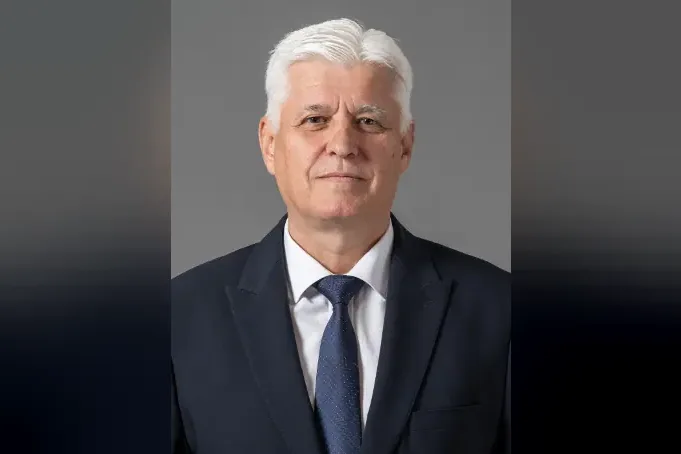
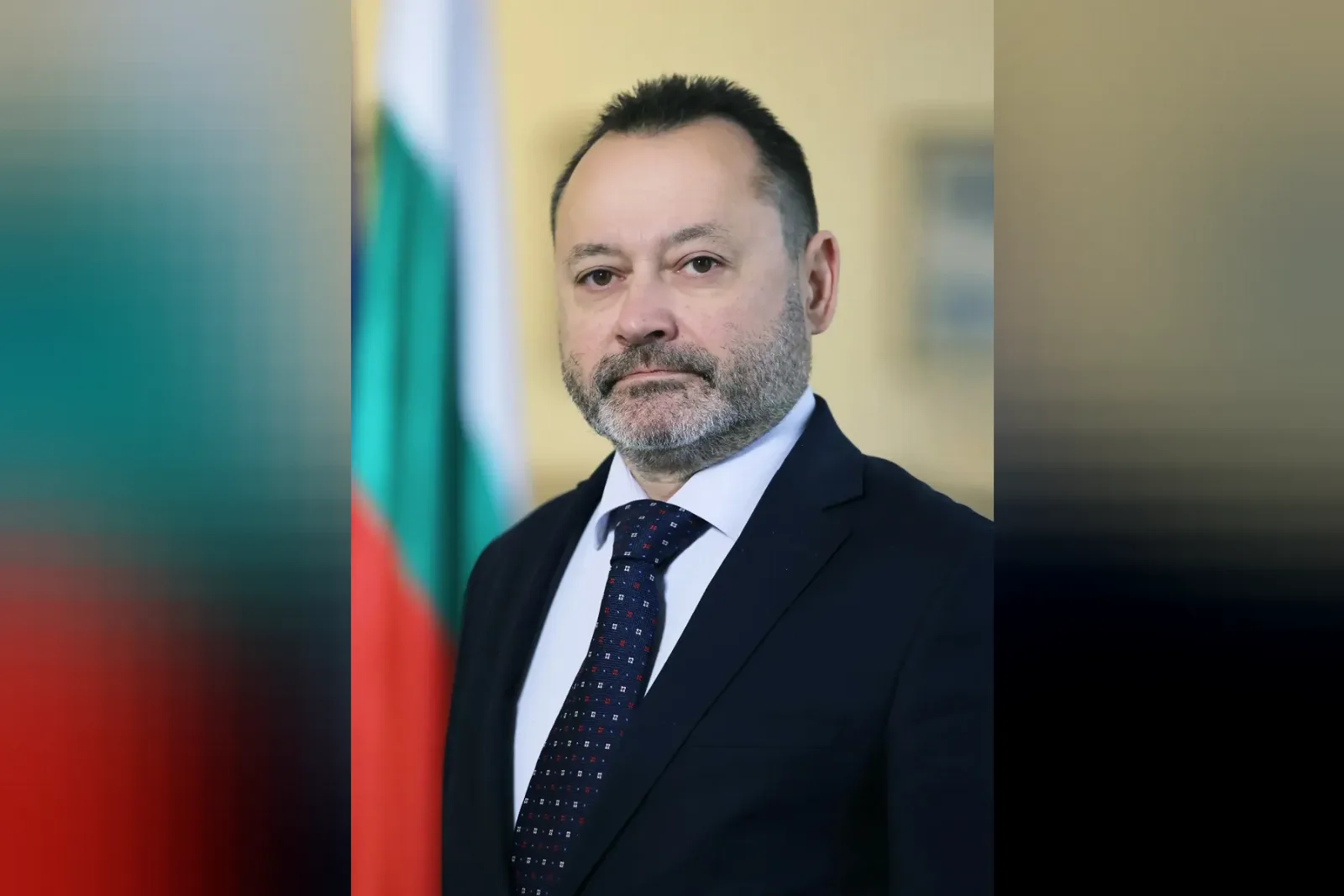
Defence ministry pay will not rise in 2027 because the budget is tight, defence minister Dimitar Stoyanov said in a TV interview. The ministry has no policy on incomes, he added.
Stoyanov said he, the Council of Ministers and the finance minister all want a rise. But higher pay means less capital spending, which is tied to contracts and to the EU's SAFE scheme. Funds will definitely fall, but the ministry's budget is big enough, he said, and he hopes the cut will be temporary. Service members deserve decent pay, he added.
Work continues on the budget and on the plan, approved by the Council of Ministers, to raise army funding. Many modernisation projects through 2030 rely on extra money from SAFE. NATO requires 20% of defence spending to go on new equipment, and in Bulgaria the share is about 35%. Another 20% goes on running costs, mostly infrastructure. The ministry flatly refuses to index the sums in infrastructure contracts, especially for Graf Ignatievo.
The 61st Mechanised Brigade received its first 5 Stryker combat vehicles a day before the interview. Another 25 are ready. The next 3 are due by the end of the year, and delivery of the rest will start after that.
Many governments have dealt with the project to buy new infantry fighting vehicles, the minister said. The delay has many causes, but Bulgaria is not to blame, and some of the lost time has been made up. The contracts are the same for all customers and include no penalties. Bulgaria is seeking compensation in good faith, usually spare parts or older Strykers provided in advance so troops can train on them.
Maintenance of the vehicles has 3 levels. The first two are done in military units, and the aim is to base the third in Veliko Tarnovo. Stoyanov said the US and Canada agree in principle. Officials are doing everything possible to make the city a regional repair centre that would also service the Strykers of North Macedonia. The ambition is for Bulgaria to become a regional hub for servicing combat vehicles, but it will take years. There is a technology gap between the Bulgarian army and its allies, and the country is trying to close it, the minister said.
The Coalition of the Willing has forces pledged for a peacekeeping mission in Ukraine after a ceasefire. The law clearly says who may send troops to Ukraine and who may not, Stoyanov said.
Russia is using a new tactic and isolating Ukraine, so the fighting is moving deeper into the Black Sea and close to NATO countries, the minister said. A moratorium should stop attacks at sea if both Russia and Ukraine take part. Russia launched a full-scale war on Ukraine in February 2022. All Black Sea states must sit at the table: Russia, Ukraine, Georgia, Turkey, Bulgaria and Romania.
An allied surveillance aircraft was sent at Bulgaria's request and gave early information. Bulgaria also has aircraft on standby that can react if needed. Its response is fully sufficient, and Article 4 of the NATO treaty should not be invoked in every case, Stoyanov said. Claims that Romania offered to scramble F-18s to destroy sea drones are untrue.
The defence ministers of Bulgaria, Romania and Turkey discussed protecting shipping in the territorial waters of the three countries. They signed a joint political declaration that sets up meetings at political and military level. The chiefs of defence will meet in Ankara in November, and the next political meeting is in Bucharest in December.

Comments (0)
No comments yet.