
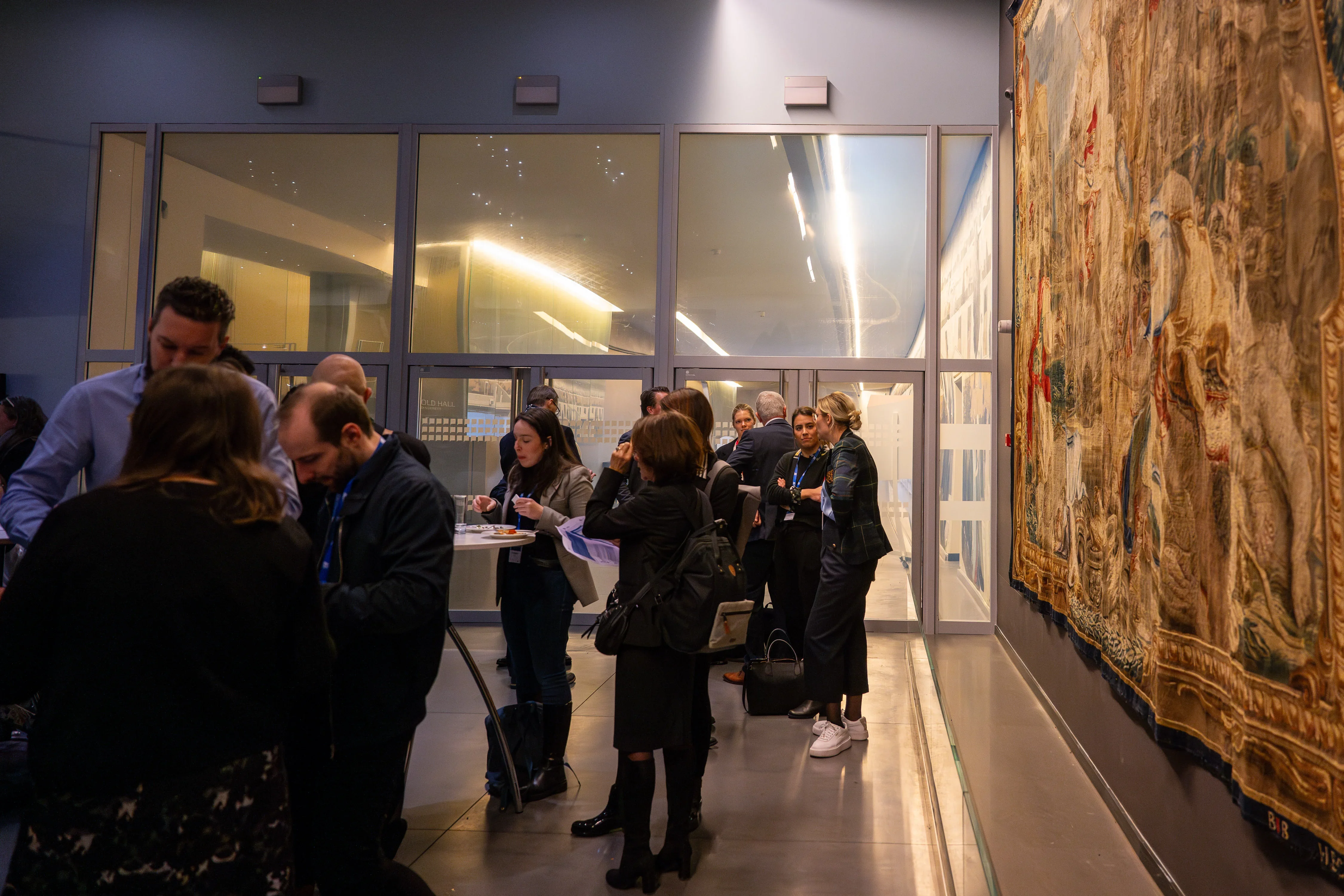
At first glance, the Bulgarian labor market looks strong: unemployment is at historically low levels, around 3.1% at the beginning of 2026 and in a wide range from 3.1% to 3.7% according to different monthly and quarterly indicators. However, another problem lies beneath the surface – employers continue to not find people, especially young, qualified and those with specific skills.
"Low unemployment does not mean a peaceful market"
The data show that Bulgaria is close to full employment, but this does not mean that there are enough suitable candidates for the open positions. The problem is structural: some of the unemployed do not coincide with the business demand by region, profession or level of qualification. Thus, there are both people without work and vacancies that remain unfilled.
At the beginning of 2026, the total unemployment is around 3.1%, and in other sources for January 3.4% is reported – a difference that reflects the methodology and the period of measurement, but does not change the main picture: unemployment remains very low. That is why companies are increasingly talking not about "lack of work", but about "lack of people".
"The young are most sought after and hardest to find"
The greatest tension is among young people. Unemployment among people under 25 in Bulgaria is 12.4% in January 2026, which is far above the overall level for the country. This shows that the transition from school or university to a first job continues to be difficult, even when the overall market is almost "cleared".
On the other hand, employers often seek young people – because of the easier training, the lower initial costs and their willingness to adapt to new technologies. A paradox is obtained: youth unemployment is higher than average, but the business still claims that it does not find enough prepared candidates.
"The qualified are missing the most"
The biggest shortage is not among the low-skilled, but among workers and specialists with specific skills. This applies to manufacturing, construction, logistics, healthcare, the IT sector and technical professions. Expert analyzes point out that unemployment in Bulgaria is "structural" – that is, the problem is not only how many people are unemployed, but whether their skills match the needs of the market.
This is where the second big risk is seen – the emigration of young and highly educated people. The OECD notes that the large outflow of young people, especially highly qualified ones, deepens the shortage of potential specialists and researchers. This means that the economy is losing not just labor, but future capacity for growth.
"A market with work, but without people"
Today's Bulgarian reality is special: companies publish advertisements, increase salaries, offer training, and yet many positions remain vacant. At the same time, low economic activity is reported for part of the population and a lack of basic digital skills. Only 30% of working Bulgarians aged 16–74 have basic digital skills, and about 8% are above the average level.
This gap between the needs of the business and the preparation of the people makes the labor market "tight", but not healthy. On the one hand, employers find it difficult to find staff, on the other hand – a large part of the young, inactive or poorly prepared cannot immediately take these places. That is why the programs for qualification, digital skills and inclusion of young people remain key.
"What follows"
If Bulgaria wants to maintain low unemployment without deepening the deficit of workers, the task is clear: more training, better matching between education and business, more active inclusion of young people and attracting people back to the labor market. Low unemployment itself is not enough success if companies cannot find the necessary specialists.
You may also like

Therefore, the picture in 2026 is two-layered. Formally, the indicators look good, but the real labor market remains tense. Low unemployment is a sign of strength, but also a warning: when the reserve of people is small, every omission in skills, motivation or regional mobility is felt much more strongly.
Коментари (95)
Мичев
20.03.2026, 18:41Абе, пичове, четох си новината... И к'во да ви кажа – нищо ново под слънцето! 3-4% безработица… хубаво е, де, ама като ГЛЕДАМ кво се случва, все едно сме на луна. Фирмите крещят, че нямат хора, а народът се моли за работа
Georgi17
20.03.2026, 18:43Мичев, брат, прав си до голяма степен. Ама да те попитам - к'во очаква6е? 3-4% безработица и всички да са щастливи и фирмите да имат хора за всичко? Сериозно ли?
dark_legend901
20.03.2026, 18:45мичев прав е напълно! 🤦♂️ как може да имаме таквоз, бе?! безработицата ни е прилична, ама явно нещо се объркало ня 😁
bumsfj490
20.03.2026, 19:17Добре де, вижте сега, четох новината и много точно са го написали. 3-4% безработица е чудесно, наистина! Но да си сляп за това какво се случва реално – все едно да гледаш статистика и да не виждаш картинката. 🇧🇬
lbviyrw446
20.03.2026, 19:22Абе, bumsfj490, прав си на 100%! И кво да ти кажа - това с картинката е точното! Числата са добри, ама реалността... ахах. Като гледам как младите ни бягат на запад за по-добър живот и как квалифицираните се правят на ударени, тая 3-4% безработица си е чиста проба оптическа измама.
uijy975
20.03.2026, 19:22Абе, bumsfj490, прав си напълно, ама пък как го казваш – все едно сме на кафе с баба! 3-4% безработица е прекрасно, да, признавам си, много по-добре от времената, дето помня. Но не може да се гледа само цифрата! Това е като да имаш хубав дом, ама в него да няма ток, вода и храна – какво ти пука за стените тогава
jxxh140
20.03.2026, 19:20Ей, здравейте всички! Четох коментарите по-горе и съм съгласен с доста от написаното. Наистина е тъжна картинка - ниска безработица, ама все едно нещо кукурига някъде…
Мислав
20.03.2026, 19:23Абе, наистина ли е толкова трудно ДА се намерят хора за
Истински_Бургазлия
20.03.2026, 19:24Абе, jxxh140, точно така! Кукурига нещо сериозно, брат. Ниска безработи
uvvuz110
20.03.2026, 19:39ебати майко! 3% безработица... ама кво печелим от тая работа? всеки втори бизнес вика "нямаме хора", а тия статистики все хуба
gosho885@eu
20.03.2026, 19:43Пълни глупости! 3% безработица и пак недостиг на кадри
Нимир
20.03.2026, 19:45Мааамка му, тоя пазар на труда май ше ни изиграе! 3% безрабо
pesho805@gmail
20.03.2026, 19:51Хм... Ясно. И кво праим сега? Никви хора
ifhf963
20.03.2026, 19:53Абе, Pesho, кво да праим? Прав си! Ясно е, че тоя "успех" с 3% безработица
user931@eu
20.03.2026, 19:55Абе, сериозно ли? 3% безработица и пак ревем?! Аман от тия "ста
Dimi88
20.03.2026, 19:55Абе Пешо, кво праим сега? Никви хора... ама наистина! 😂 Тоя пазар на труда все едно е някаква руска рулетка - цифрите показват едно, а реалността – съвсем друго. 3% безработица… като че ли сме Швейцария, нема да речем, ама и да не си на безработица не значи, че ше те хванат за ръка и ще ти дадат работа!
ultra_king171
20.03.2026, 20:01Абе тва как стана? 3% безработица и пак плачем за кадри?! Неква шега ли е
gosho694@gmail
20.03.2026, 20:03абе ultra_king171, пич, точно така е! 🤦♂️ сериозно ли да плачем за кадри като имаме толкоз
A720E8
20.03.2026, 20:04Абе, ultra_king171, браво за въпроса! Напълно си прав да се чудиш как така. Ама виж сега, 3% безработица е супер, де, нормално е да се чувстваме добре. Обаче си представи го така – има много хора на работа, ама не са *точно* тези, които трябват на фирмите. Като че ли хората с качествени умения, които искат да работят тук, все повече
Stoyan75
20.03.2026, 20:28бре, сериозно ли?! 🤦♂️ никакви хора няма, мамини! трябва да си гле
Прав_Граждан
20.03.2026, 20:30Ебаси, наистина ли? Аз пък си викам, че нещата вървят добре... ама явно нещо бъркам. 3% безработица - супер е! Но ако фирмите пак нямат хора, значи има проблем някъде другаде, а не просто "няма работа". Трябва да видим по-сериозно каква квалификация им трябва на хората и дали образованието ни отговаря. Явно младите бягат, както винаги... ама пък Европа е там, чака ги
Yordan9
20.03.2026, 20:32Абе, сериозно ли? 3% безработица и пак реват, че нямало хора? Да не би да търсят космонавти с дипломи за боя
Vasil73
20.03.2026, 20:32Абе, Прав_Граждан, прав си напълно! Не е лесно да се ориентираш в тая ситуация, наистина. 3% безработица звучи супер, факт е - много по-добре от времената, когато все хора се молеха за работа. Но това показва, че трябва да гледаме малко по-задълбочено
252CA4
20.03.2026, 20:33Абе, Прав_Граждан, хубаво си го казал, наистина! 3% безработица звучи страхотно на хартия, ама... да не се заблуждаваме. "Супер" е, ако хората имат работа, която им позволява да живеят прилично и да планират бъдещето си. Иначе – това са просто цифрички, които може би някой политик ще използва за пиар кампании преди избори.
dark_boss407
20.03.2026, 20:34Ами то верно, 3% безработица е добре, ама ако фирмите не могат да си намер
jbay446
20.03.2026, 20:35Абе, Прав_Граждан, прав си за някои работи, ама не е само това! 3% безработица звучи супер на хартия, да, ама реалността е друга. Ти казваш "нещата вървят добре"...ама как така? Виж какво - тия фирми викат, че нямат хора, защото **ние** сме ги оставили да се разраснат като плевели! Без никакъв контрол, без да мислят за работници, само за печалба
2646AD11
20.03.2026, 20:40Ееее, пак я! 🤦♀️ 3-4% безработица и все тая - фирмите недоволстват... Явно не е само да има хора на площада, а да имат и умения, които трябват на бизнеса. Тоя "структурен проблем" дето го споменаха – к'во значи? Че младите искат по-добри заплати и условия, или че училищата ни учат за нешо друго?! Трябва да се
pesho349@bg
20.03.2026, 20:45И кво да кажа? Нали валят всякви специалисти по телевизията – те ще обяснят ли защо няма хора?! Да не би да им трябва да работиха повече в завода, а не да
Вадар
20.03.2026, 20:42Абе пичове, честно казано... малко ме шокира новината, ама май е истина. 3% безработица звучи направо супер, все пак! Но да плачеш за кадри, особено квалифицирани и млади? Явно нещо не се връзва.
user889@eu
20.03.2026, 20:43Е, логично е. Ниска безработица си е пости
super_master
20.03.2026, 20:45Абе, Вадар, пичове всички! Няма шок, има просветление, братлета! 😂 Сериозно, 3% безработица?! Това е фуул, нали? Все едно сме в някакъв sci-fi филм! Ама вие се загледахте ли – какво става всъщност? Да не би да си мислим, че цифрите са всичко? 😜
ocyszja220
20.03.2026, 20:51Абе тва как стана? 3% безработица и пак недостиг на
Гечо
20.03.2026, 21:07Пич, сериозно ли? 3% безработица и пак ревем за кадри? Къде са всички "експерти" дето все твърдят, че сме криза? Явно нещо гърми
upvtsr173
20.03.2026, 21:09Абе Гечо, пич, прав си напълно! 😂 Три процента безработица е супер! Да му шибам кризата с две ръце, ако имаме такива числа. Ама верно, нещо кудкудяка тук. Сигурно всички квалифицирани са на някой остров в Европа да пият коктейли и да се смеят на нашите "експерти".
Добър_Граждан
20.03.2026, 21:09Абе Гечо, прав си донякъде, нещо гърми наистина! Ама да не
Томир
20.03.2026, 21:18Абе хора, честно казано, много ми е интересно кво става с тая държава! 3% безработица... като че ли си представям, че трябва да сме на върха, ама пак ревем за кадри? Този факт наистина говори много. Не е просто кризата, както всички ни обясняват 🙄
Petar65
20.03.2026, 21:21Абе Томи, кви ревеш? 3% безработица е супер
zuhmiq455
20.03.2026, 21:29Абе, нормално е бе! 3% безработица... ама кво очаквате? Хората явно предпочитат да си земат заплата от чужбина, където я ценят повече. Не
2D68CDD750
20.03.2026, 21:31Абе, zuhmiq455, прав си донякъде, ама малко опростяваш нещата. Да, доста хора си тръгват за по-добри заплати в чужбина – това е факт и нормално. Никой няма да се хвърля в калта доброволно. Но не може да го свеждаме само до това. Има и други причини - образованието ни куру-балур, хората не са подготвени за нуждите на пазара, а фирмите не инвестират достат 💩
27570A
20.03.2026, 21:31абе, zuhmiq455, ти си прав до голяма степен... ама чакай малко! да, хората отиват да работят навън, търсят по-добър живот – това е факт и никой не може да го отрече. но наистина
Дидар
20.03.2026, 22:11Здравейте!
Georgi33
20.03.2026, 22:13Дидар, здрасти! Абе, сериазно ли?! 3% безработица и пак няма хора за работа?? Каква е тая игра? Явно някой тука нещо
EE520B
20.03.2026, 22:13абе, чакайте малко тук... 3-4% безработица?! да си го кажем – цифрите са добри! ама виж сега, вместо да се радваме, ревем пак за липса на хора? да не би просто да сме станали малко прекалено претенциозни, бе?
super_boss967
20.03.2026, 22:22Абе хора, сериозно ли? Чета коментарите и все едно си говорим на таралеж. Да, добре е, че безработицата е ниска - това е факт, който трябва да СЕ ценим! Браво на тези, които са си намерили работа и живеят нормално. Но... ама тук има голям "НО".
Стешко
20.03.2026, 22:25Абе супер_boss967, прав си за "НО"-то де. 3% безработица звучи добре на теория, ама то е като да имаш кола, дето изглежда нова, ама двигателят е ръждясал. Да, цифрите са хубави, ама къде е
Истински_Човек
20.03.2026, 22:40Хм, интересна... 3% безработица звучи добре на
Честит_Граждан
20.03.2026, 22:42абе, истински_човек, 3% добре звучат, ама к
qhpuj262
20.03.2026, 22:44Абе, верно казано! 3% безработица е супер,
Млад_Българин
20.03.2026, 22:48Абе, пичове, к'во да ви казвам аз... "Ниска безработица не решава дефицита на кадри" - баси трагикомията! Значи, държавата си хвали цифрите (каквито и да са те), а фирмите реват, че няма с к'во да работят. Явно някой е преброил хората, ама не е видял, че половината се гушат по вкъщи и гледат сериали, другите са забили корен в Европа, третите... ами третите ги интересува само какво ще яде днес.
Луд_Реалист
20.03.2026, 22:52ебаси цирка... 3% безработица и пак недостиг на кадри? явно нещо се обърква някъде. не е само въпрос на числа, а на *какви* хора имаме и къде отиват. младите
user630@eu
20.03.2026, 23:08Абе, хора, мн сте драматични. Три процента безработица – това е чудесно! За Европа си е направо лудост. Но да си признаем, че има проблем с кадрите не е изненада за никого, който се интересува малко. Просто... как да го кажа... явно образованието в България все още не успява да
Луд_Бургазлия
20.03.2026, 23:19ебаси! три процента безработица - супер яко е, наистина. ама да няма хора за работа?! каква работа си търсим бе, питам аз? явно нещо бъркаме с приоритетите... 💸
erqi333
20.03.2026, 23:21Абе, Луд_Бургазлия, прав си напълно, нщо не се връзва. Три процента безработица... звучи като мечта за всяка държава! Ама после четеш новината и се чудиш: как така имаме толкова малко хора без работа, ама никой не може да намери кадри? Не е ли това по-скоро сигнал за някакво фундаментално разминаване в системата, а не просто "супер яко"?
maria829@mail
20.03.2026, 23:22Абе, да ви кажа, аз съм шокиран! Три процента безработица?! Браво, правителството, ама хайде сега – как така
fan973@mail
20.03.2026, 23:22Абе, к'во стаа тука, наистина! Три процента безработица... звучи добре, ама пак си излизаме на улицата да гледаме как хората бягат в чужбина за по-добър живот. Всеки говори за квалификации и такива неща, а аз викам - трябва да се създадат и работни места, които да ги задържат
Луд_Българин
20.03.2026, 23:50Абе, хора, к'во стаа тука бе?! 3% безработица – добре е, разбира се, ама тоя недостиг на кадри май никой не го вижда наистина. Всеки ден си говоря с познати от строителството, от ресторантьорството... всички реват за хора! Не става дума само за "квалифицирани", бе! Има много добри момчета и моми
854892AE
20.03.2026, 23:52Здравейте! Четох коментарите и се замислих – наистина ли сме фокусирани само върху процентите безработица, когато става въпрос за пазара на труда? Да, 3-4% е чудесно число, показва стабилност в икономиката, което трябва да се цени. Но ако фирмите редовно обявяват свободни позиции и все пак не успяват да си намерят персонал – наистина ли това не е индикация за по-задълбочен проблем?
Дислав
20.03.2026, 23:53Да, наистина ситуацията изглежда сложна. Не е ли възможно да има връзка между ниската безработица и
Стар_Човек
21.03.2026, 00:27абе, наистина ли?! 3% безработица и пак викат, че нямало хора? къде останаха всички
fan338@gmail
21.03.2026, 01:02Абе, сериозно ли? 3-4% безработица – добре звучи нали? Но това показва ли, че сме решили проблема с работната ръка или просто имаме мн хора, които са... неадекватно квалифицирани за работата
Лош_Бургазлия
21.03.2026, 01:03Абе, fan338, прав си напълно. 3-4% е цифра, която
zxgllr619
21.03.2026, 02:28ебати, сериозно ли никой не разбира?! 3% безработица е супер резултат, браво на правителството! но да си мислиш, че с това сме решили всички проблеми - майтапи бе човек. ясно е, че нещо кукурига в системата. хората или са тръгнали навън, или просто не успяват да се преквалифици
user675@eu
21.03.2026, 02:52Ох, чета коментарите и се замислям... 3-4% безработица е наистина постижение, няма спор! Но все пак трябва да си призна
ivan984@bg
21.03.2026, 03:01Ами, да... така е, какво да кажем. Цифрите са си цифри, хубаво е, че безработицата е ниска - значи нщо се прави все пак. Но пък като гледам навсякъде "търсят" хора, наистина яко. Явно не е само въпрос на брой работещи, а и какви хора са те. Младите си заминават, това е ясно, ама и онези 😡
Stoyan83
21.03.2026, 03:21Хм, четох новината и нещо ме е грабнало. 3-4% безработица… звучи добре, разбира се. Все пак, да си признаем – доста по-добре от времената, когато всеки втори беше на борсата! Но това дефицит на кадри... как го обясняваме? Не е ли малко странно, че в условия на ниска безработица фирмите все още викат за хора?
Млад_Софиянец
21.03.2026, 03:24Абе, Stoyan83 прав си напълно, брат. И аз така го прочетох! 3-4% безработица - все едно сме в приказките, а? Но после се замисляш - к'во става с тия хора, дето уж имат работа и пак няма
bkmfm962
21.03.2026, 03:25Абе Stoyan83, к'во да го правим бе? 3-4% безработица - нали трябва да се радваме, а 😏
Yordan42
21.03.2026, 03:32абе хора, какво става тука бе? 3-4% безработица - това е добре, нама спор! значи правителството нещо си разбира от работата, ама... тоя дефицит на кадри все едно си го пишем за удоволствие.
ivan530@gmail
21.03.2026, 03:57И кво сега? Намериха ли някаква връзка между ти
mega_king
21.03.2026, 03:59Абе хора, нещо тука май не се връзва. Да, хубаво е, че безработицата пада, това е ясно - все пак по-малко хора на ръцете си мислят за хляб, ама тоя недостиг на кадри... някак си парадоксално.
Честит_Патриот
21.03.2026, 04:32Бах ти благодарности! Как може да пада безработицата ама пак нема кадри?! Неква
ultra_legend
21.03.2026, 04:32Абе, пичове, сериозно?! Читяя аз тука новините и почвам да се чудя - то каква работа правихме до сега, бе?! 3-4% безработица – да, добре е, не го отричам! По-добре от нищо, все пак. Но да няма хора за работа... значи нещо много не се връзва!
encpx849
21.03.2026, 04:35Абе, Ultra_legend, пичове си! 😂 Читя новините ей така, за спорта, и почвам да се чудя - то досега к'во праиме?! 3-4% безработица... хах, да, добре е, ама не е смешно. Значи, явно цифрите са само за показ! Като ги гле
cool_hero213
21.03.2026, 05:10Ебати майката! Сериозно ли ни готви това, бре?! 3% безработица и пак няма хора за работа? Няма как да е нормално! Явно нещо в системата кукурига сериозно - образованието не отговаря на нуждите 🙄
fan677@bg
21.03.2026, 05:37абе, печове… тежка работа. 3% безработица – добре звучи, не споря. но да няма хора за работа… това вече е сериозен сигнал. не е само образованието, явно. има и много други фактори - хората бягат от държавата, търсят по-добър живот някъде другаде. а и младите предпочитат да работят в други сфери
Лош_Граждан
21.03.2026, 05:52и кво сега? щом имаме "спокойна" без
Ничо
21.03.2026, 05:55Пълни глупости!!! Каква "спокойна" безработица?! Хората бягат от
Georgi19
21.03.2026, 06:08Ехе, интересна новина наистина. 3% безработица звучи супер на пръв поглед, ама като го гледаш в контекста на това, че фирмите все още викат за хора... възниква въпроса: **дали просто не говорим за проблем с *съответствието* между предлаганите работни места и уменията, които имат хората?**
maria711@gmail
21.03.2026, 06:37браво, ясна новина! 😂 3% безработица е яко 🤙
ivan415@eu
21.03.2026, 06:40Абе, хора, 4етох новината и май наистина сме затънали яко. Три процента безработица – да, хубаво е, ама какво от това, ако никой не може да си намери работник? Това значи, че нещо се объркало в цялата система. Не става дума само за образованието, макар че и там имаме доста проблеми, както каза един колега по-горе.
pesho860@mail
21.03.2026, 07:08Еха, верно... 3% безработица е добре, ама авно нещо
Бослав
21.03.2026, 07:50Абе сериозно ли? 3% безработица и па
Mariya61
21.03.2026, 10:10Ебаси, пак се оказва, че нещо не никва правилно... 3% безработица звучи добре на теория, ама като гле
Луд_Патриот
21.03.2026, 10:22Абе, ама нале ни бяха обещали златен дъжд? 3% безработи
Добър_Реалист
21.03.2026, 10:26Абе, Луд_Патриот, к'во да кажа... обещания - празни! 3% безработица, да, звучи добре на хартия, ама на практика – все едно си купил кола с бензин, дето е само вода. Имаме хора без работа, ама нямаме хора, които *иска
Млад_Реалист
21.03.2026, 10:40Ами... интересно. 3-4% безработица звучат добре, но явно нещо кукурига зад кадър. Трябва да се види какви са тези "квалифицирани" работници, които тър
Рачев
21.03.2026, 10:44Абе, Млад Реалист прав си напълно! Какво да разбираме от тая "интересно"? Че нещо гнило има, ясно е! 3-4% безработица го казва всичко – все едно сме Швейцария, а реално младите бягат като от огън, квалифицираните ги 🙄
maria339@mail
21.03.2026, 10:42Ебаси майката, хора! Три процента безработица и пак недостиг на кадри?! Каква е тая гимнастика? Ясно е, че просто цифрите са си цифри – не отразяват реалността. Не става дума за липса на хора, а за липса на *правилните* хора. Младите бягат навън, квалифицираните се търсят в Европа и то с право. А тук какво? Ниски запла
ultra_angel883
21.03.2026, 10:53Абе, хора, наистина ли така е? 3-4% безработица все пак е добър показател, ама тая ситуация с недостига на кадри... доста ме тревожи. Не е просто цифричката, де. Ясно е, че младите търсят по-
7610EE
21.03.2026, 11:32абе, хора... чета коментарите и нещо ме е хванало като тъга. не е само за заплатите, макар че те са важен фактор, ясно е това. виждам, че всички се оплакваме, ама май не виждаме гората заради дърветата.
Луд_Българин
21.03.2026, 14:08Абе верно... 3% безработица звучи добре, ама ако няма хора да работят, к'во
8D1112E0
21.03.2026, 16:22Мамка му! Каква работа, бе?! 3% безработица, ама нема кой да
maria442@gmail
21.03.2026, 16:41аха, значи имаме "спокойствие" с 3% 🤬
818450BD72
21.03.2026, 17:24Ебати, хора! Четох новината... 3% безработица?! Да, звучи яко на теория, ама като гледам какво СЕ случва в реалния живот – яки проблеми! Не е само заплатите, както някой каза по-горе, ами наистина няма достатъчно хора с нужните умения.
mega_hero183
21.03.2026, 17:24Ех, верно... 3% безработица – все пак нещо си е. Ама ако