
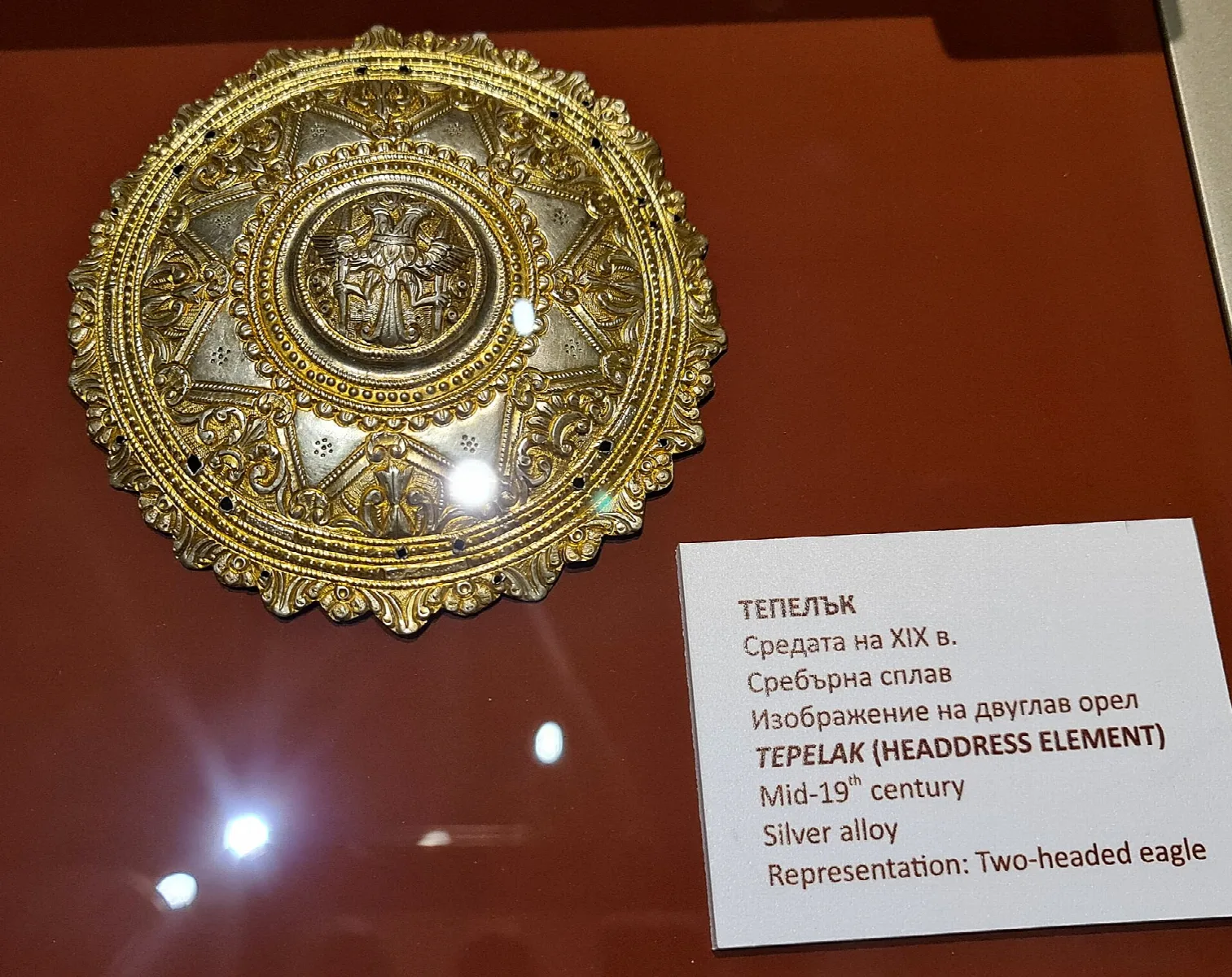
The "Morsko Kazino" Cultural Center in Burgas will host the opening of the exhibition "Spirit and Matter: The Art of Goldsmithing in Bulgarian Lands" on September 17, 2026, at 18:00. The exposition, which presents the era of the Bulgarian National Revival through objects combining craftsmanship, beauty, faith, and symbolism, will be free of charge for visitors during its opening.
This collection of precious artifacts is provided by collector Antonio Vasilev, Vice President of the Union of Collectors in Bulgaria, who is dedicated to preserving Bulgarian cultural heritage. The National Revival is a core priority of his interests, as this era of craftsmanship allows objects to serve as a record of collective spiritual experience. The exhibition will remain in Burgas until October 30, 2026; thereafter, it will be viewable from 09:00 to 20:00 with an admission fee.
The main part of the collection consists of exceptional women's jewelry, which in the past served an important identifying function. Visitors will be able to see:
- "pafte" (buckles), "podbradnici" (chokers), "tepeltsi" (headbands), bracelets, and other Revival-era jewelry;
- amulet boxes and snuff boxes decorated with engraved floral and zoomorphic motifs.
These works of traditional goldsmithing were crafted using precise techniques such as casting, chasing, filigree, and cloisonné enamel. The artifacts originated from goldsmith workshops in various craft centers, including Chiprovtsi, Vratsa, Vidin, Sliven, Panagyurishte, Pazardzhik, Teteven, and others. Combined with traditional costume, these ornaments transformed women into true "queens," as travelers of the era described them.
Alongside the gold pieces, the exhibition displays Revival-era prints (engravings) that complement the portrayal of the spiritual and daily lives of Bulgarians. These paper icons, featuring images of the Mother of God, Jesus Christ, saints, or monastery complexes, were acquired during pilgrimages to Bulgarian and Mount Athos monasteries. Sometimes they were offered along the way by wandering monks known as "taxidiotes." Carried folded or in rolls, they were carefully placed in wooden frames and hung in the best rooms of homes as signs of faith and a form of patriotic enlightenment. The exhibition draws a parallel between the masterful production of goldsmith workshops and the spiritual rise of the National Revival, combining festive aesthetics with religious memory.
The exhibition's visit to Burgas is part of the city's initiative to develop its cultural program in support of its candidacy for the European Capital of Culture in 2032. The exposition offers not only aesthetic pleasure but also raises questions about the role of collecting in preserving national heritage, reminding us that behind every object lie human stories and the spirit of an entire era.
Коментари (0)
Все още няма коментари.