
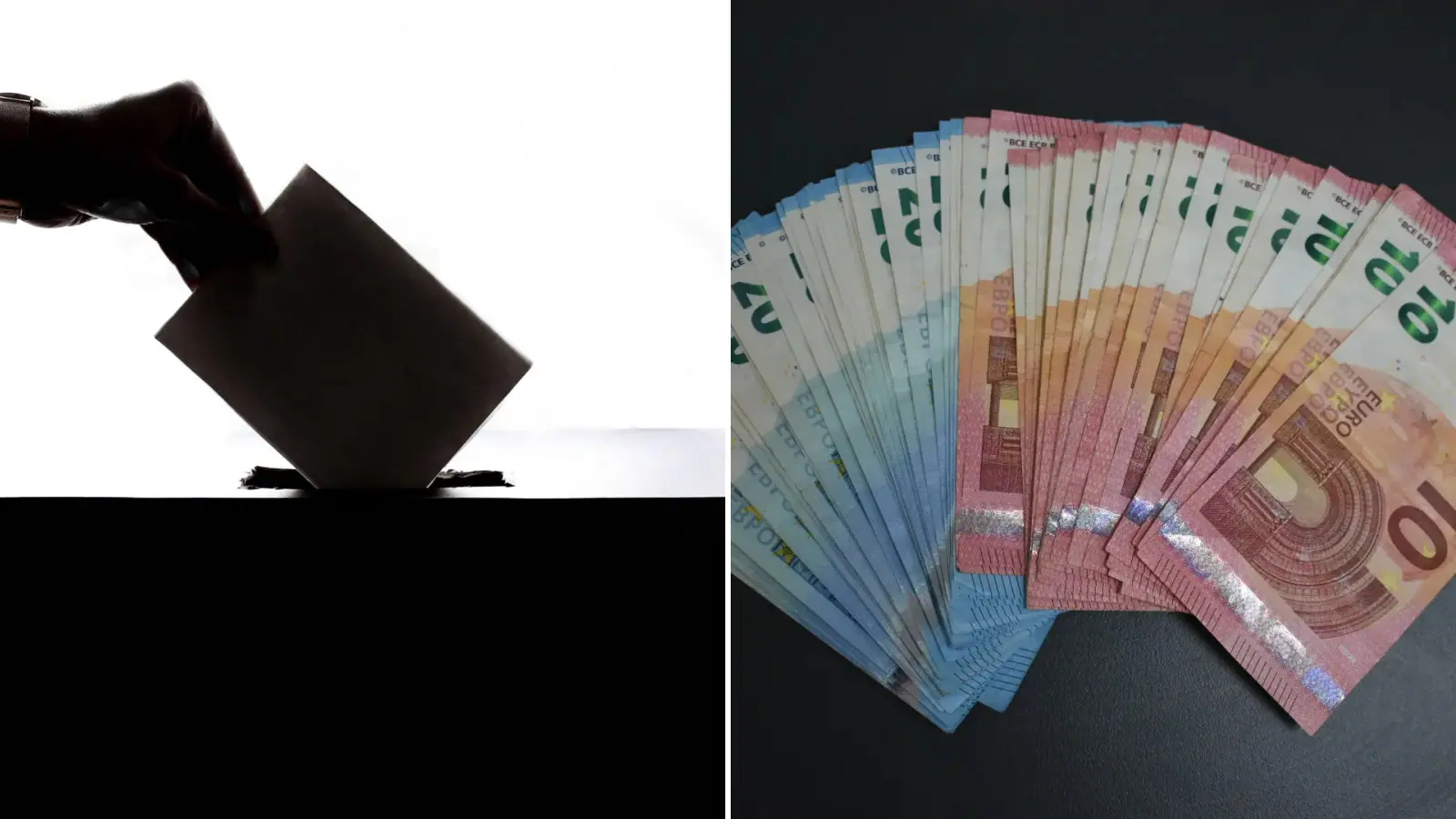
More Roma are refusing to sell their votes, says Tsvetelin Kanchev, chairman of the Euroroma party. He told BNT that vote buying in the presidential election was an isolated case.
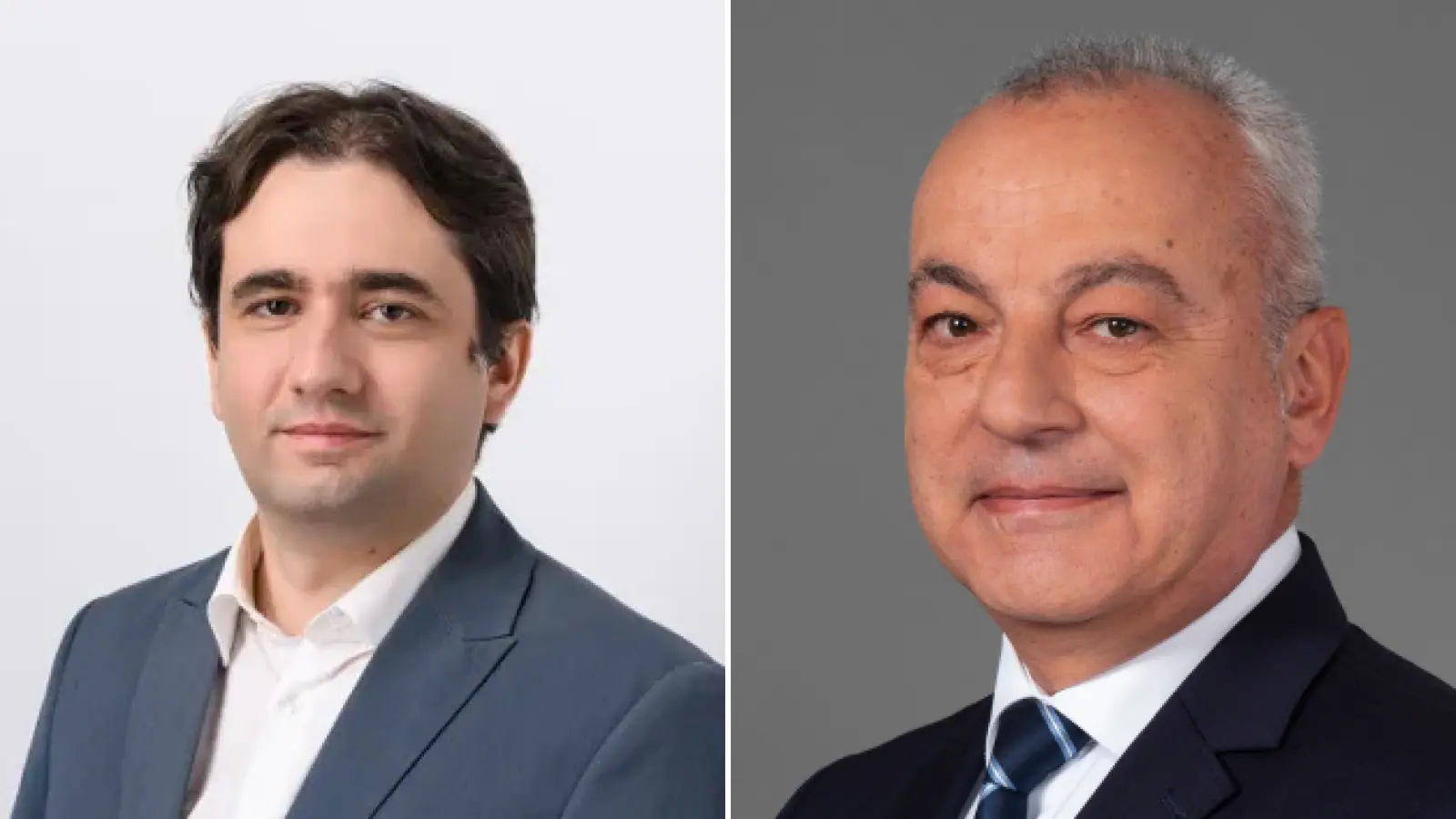
Turnout in Sunday's run-off was 28.7%, slightly higher than in the first round. Iliana Yotova faced former caretaker prime minister Andrey Gyurov.
Euroroma says it first heard of Roma voters giving back money for their votes in April. People were turning down 100 euros a vote. The party has had such reports ever since. Kanchev says they are credible because "they are all fed up". He believes vote buying is fading as a trend.
"You have no idea how wise people in the Roma neighbourhoods are," Kanchev said.
He says bought votes are only the visible tip of a deeper problem, and it is not limited to one community. Poor Roma, Bulgarians and Turks face the same problems, and Kanchev does not accept that the talk should only be about Roma problems.
Residents of the village of Bukovlak, in Pleven region, also told BNT about turning down money. The village has been known for years for vote trading, but locals say nobody offered them money for the presidential vote. Some say there were attempts to buy their votes, but they refused.
One resident said people were offered 50 euros, and "in secret". Another said "some mobster" stopped him, offered him money and a number to vote for. He refused.
Villagers say there are no voting lists this year. Money is paid in parliamentary elections, not in presidential ones.
In the usual Interior Ministry raids in Roma neighbourhoods before the vote, police found more drug dealers than vote traders.
Roma voted more for Iliana Yotova than for Andrey Gyurov. So did people who identify as Bulgarian, while most Turks backed the former caretaker prime minister. About 12% of Roma backed neither of the two. It is not possible to tell what share of each group voted, or which group turned out more.
Kanchev believes Roma want a president with a balanced position.
He says the Roma issue was missing from the campaign altogether, because the campaign was nothing but compromising material. Candidates also hardly met Bulgarians. Some tried to prove they were "not simple", others that they were not criminals, others that they had not abused power. Because everyone was on the defensive, nobody talked about policies.
Kanchev also spoke about discrimination. "There is discrimination. But for quite a while now it has not been ethnic. It is social," he said. In his view, the poor suffer most.
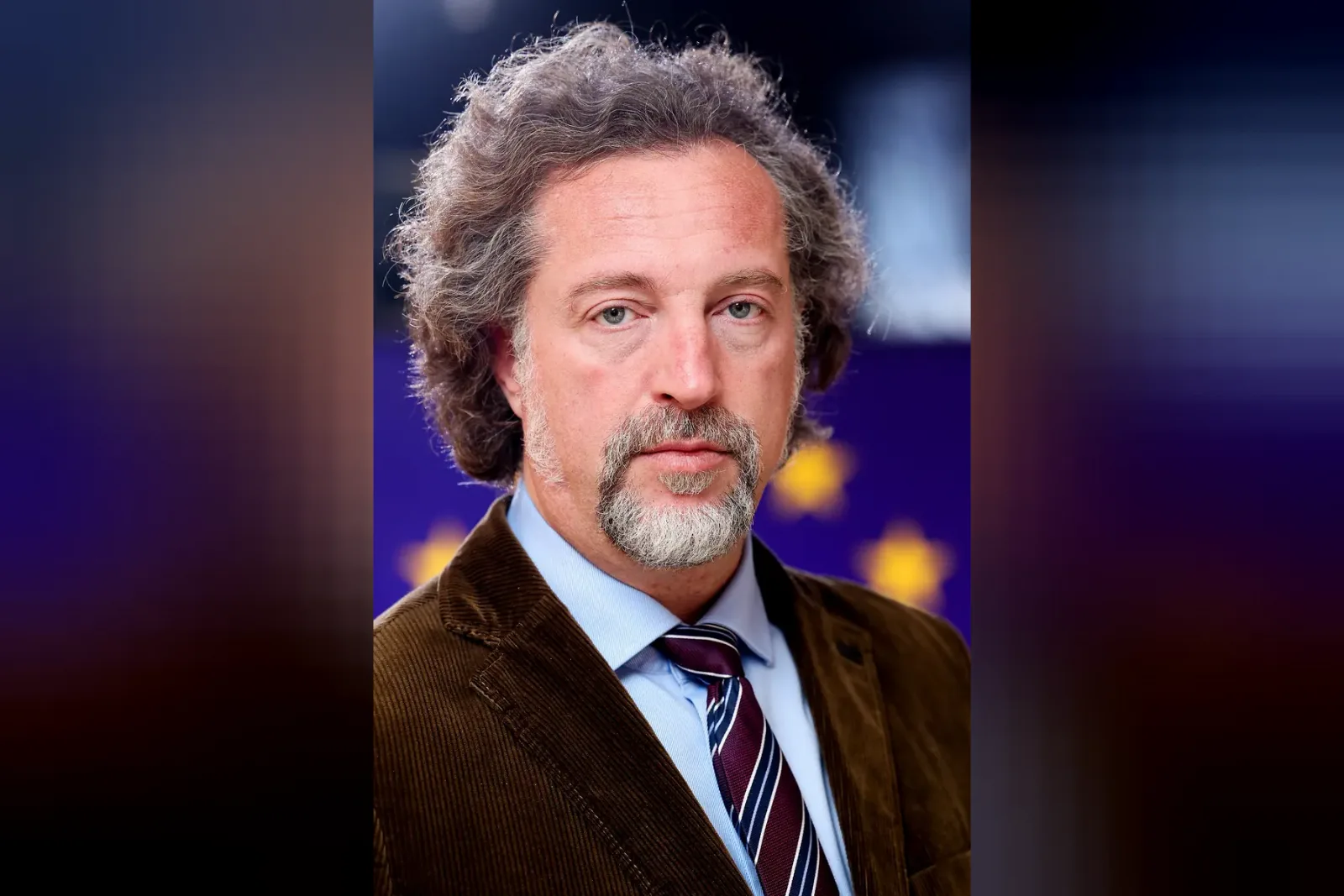
The interview took place in the party's office in Sofia. Kanchev, also known as "Don Tseci", is a businessman and politician who campaigns for Roma rights. His name has been familiar since the years of the transition from communism.
In 1997 he entered parliament as an MP for George Ganchev's Bulgarian Business Bloc. He then moved to Aleksandar Tomov's Bulgarian Euro-Left, and in 1998 he founded Euroroma. The party still works the same way today: it coordinates its municipal councillors and mayors, elected directly or with its support, and reacts to specific problems.
Euroroma's partners so far include the Bulgarian Socialist Party, the Movement for Rights and Freedoms (DPS) and Veselin Mareshki's Volya. The party also takes part in local coalitions.
In the Pobeda neighbourhood in Burgas, only 8 of 634 people had voted in one polling station by 2pm in the first round, we reported in October. Commission chairwoman Violeta Todorova told BNR that mostly residents of Roma origin vote there, and that turnout was higher in earlier elections.
Kanchev himself rarely appears in public debate. He says that in recent years efforts have been made to tear down the foundations of society, so he prefers to stay aside and watch.
Comments (0)
No comments yet.