
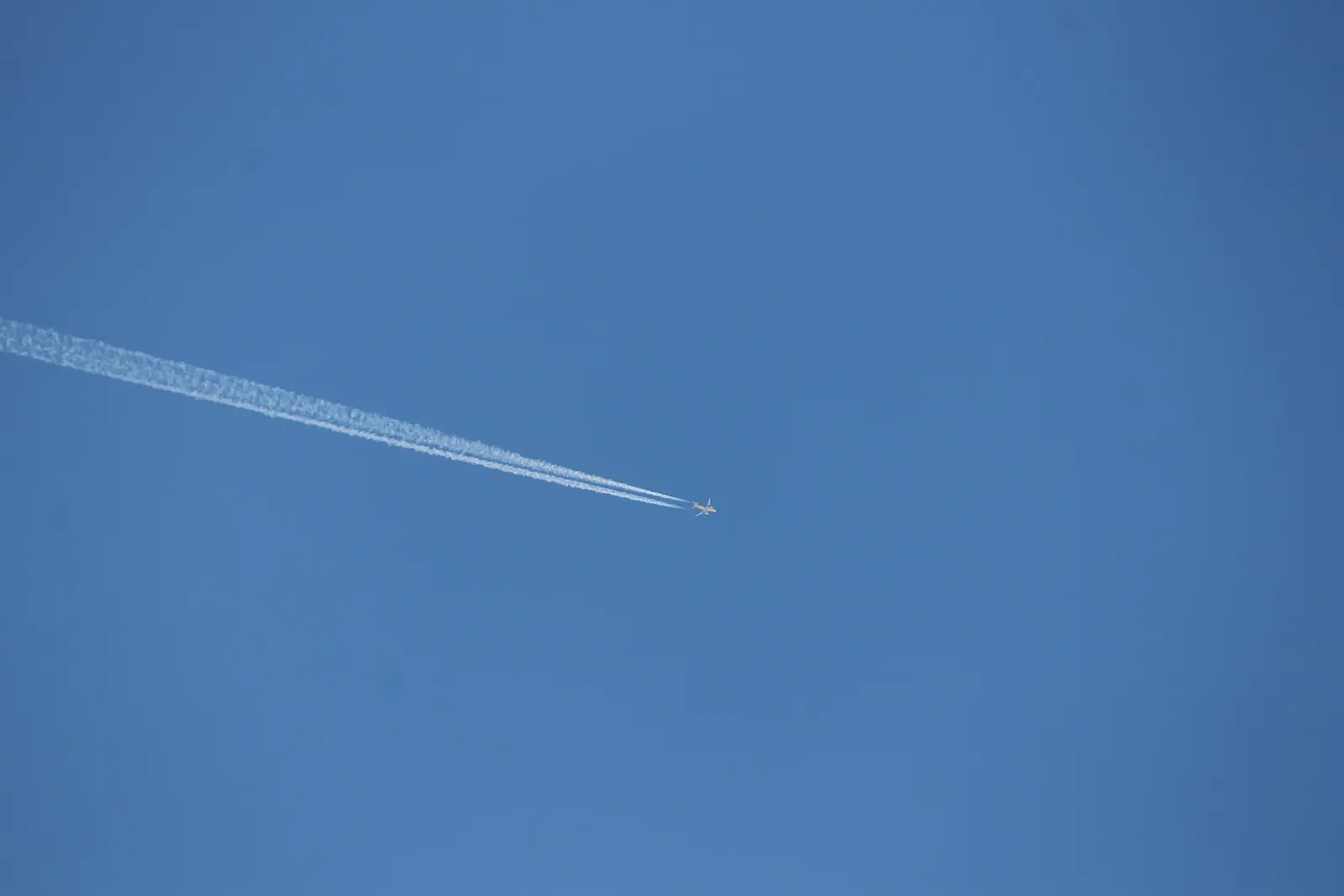
European security and intelligence services are checking whether Russia is behind anonymous bomb threats against European airlines. The threats kept dozens of planes on the ground this week. Media outlets in Bulgaria, Ireland and the UK also received threats.
Some European intelligence officers see Russia as the most likely culprit. Officials say much more work is needed to establish for certain who is responsible. Investigators believe the threats come from pro-Russian activists or hacking groups. It is not clear whether Russian intelligence services directed, encouraged or approved them.
At least 18 flights across Europe were disrupted yesterday. No explosives were found on any of the planes that were threatened.
On Thursday, Rome's Fiumicino airport received a threat. It was attributed to the Russian group "Male State", the only one said to have claimed responsibility for any of this week's threats. Its founder, Vladislav Pozdnyakov, denies any role.
The other messages came from various anonymous accounts and places around the world. Some were written in the language of the country they targeted. One was traced to Colombia. There is no clear pattern.
On Friday, Irish media organisations received a message. Its authors claim they recruit residents of European countries and have access to compromised devices, servers and accounts. These claims have not been confirmed.
Investigators say the aim is to disrupt daily life, frighten the public and undermine trust that governments can protect their citizens. Intelligence officers see no immediate threat to European aviation, but they believe civilian flights are a convenient way to cause unrest.
Fake bomb threats have been used before in campaigns suspected of links to Russia. In October 2023, schools and kindergartens in Lithuania received more than 1,500 false threats. Vilnius said at the time that a state actor was involved. According to intelligence sources, Russian activists were responsible, probably encouraged by the Kremlin.

Comments (0)
No comments yet.