
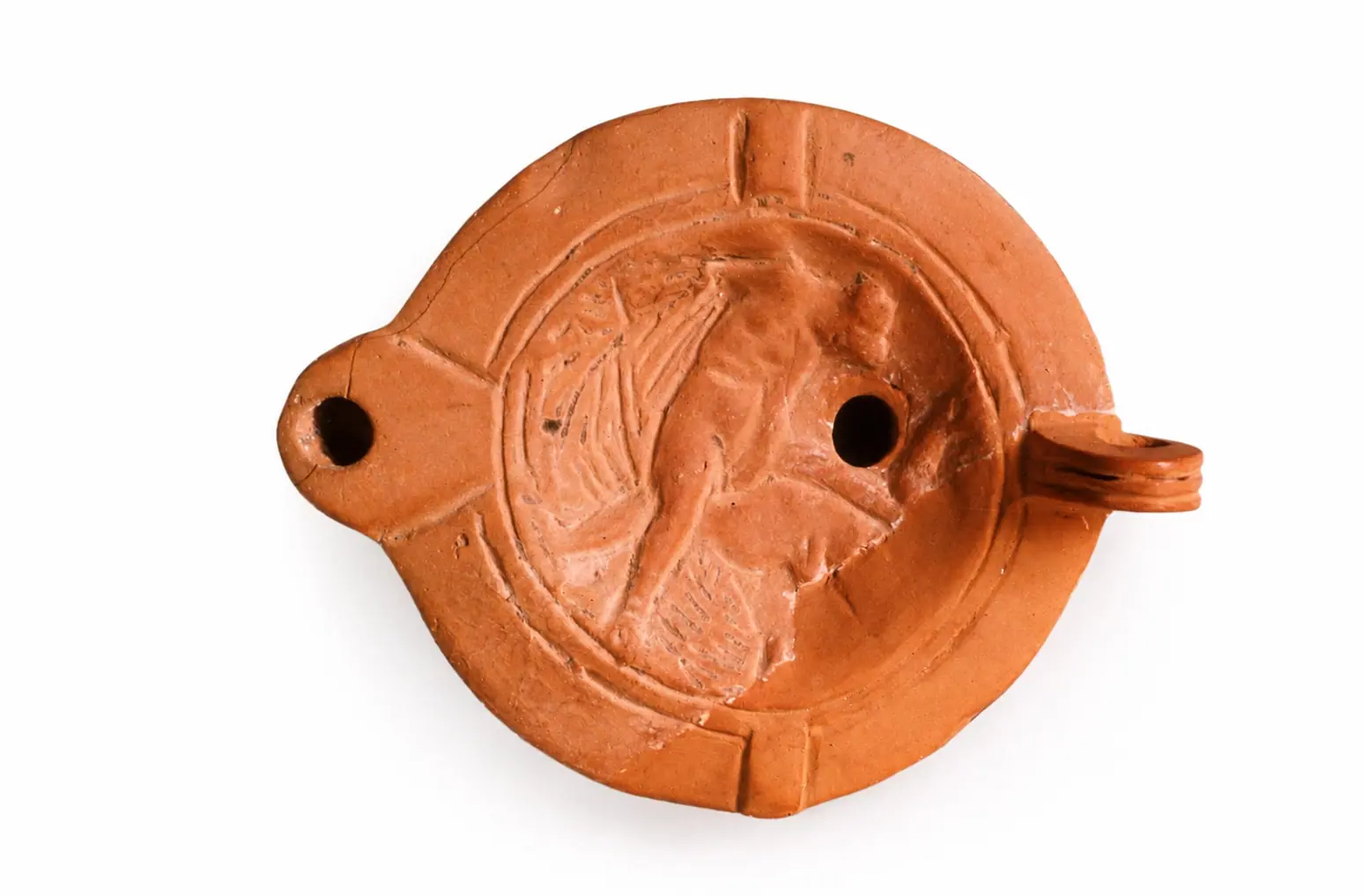
Burgas Regional History Museum is inviting pupils from Burgas schools to a talk called "Ancient Ceramic Lamps". It will run from 16 to 27 November, the museum said.
The talk draws on the exhibition "The Flame That Survived the Centuries", which can be seen in the Archaeological Exhibition after 13 November. It shows small clay lamps that people used to light their homes before candles, and long before electricity. In ancient times they were called "lychnos", and the Romans called them "lucerna".
Pupils will learn how ancient lamps were made, how olive oil gives light and how lamps changed over the centuries. Museum staff will show how they developed. Hellenistic lamps have a shiny dark glaze, Roman ones have scrolls and graceful curves around the wick, and late antique and early Byzantine ones carry Christian symbols. With them, one era ends and another begins.
The children will look closely at the original items in the display cases. They will also learn what a gladiator on the disc of a lamp reveals about Roman entertainment, why the gods give way to early Christian symbols, and how archaeologists "read" history from a small clay find.
The talk is for pupils in primary, lower secondary and upper secondary school. The museum says it complements lessons in history, art, religion and literature.
The talk costs €12, and entry for students is €1.50.
On 19 October, Burgas Regional History Museum opened the exhibition "In the Footsteps of the Pupils. The Cyril and Methodius Route in Bulgaria". It is on show in the History Exhibition building and marks National Revival Figures' Day.
To book a visit, call 087 901 17 11 or email [email protected].

Comments (0)
No comments yet.