
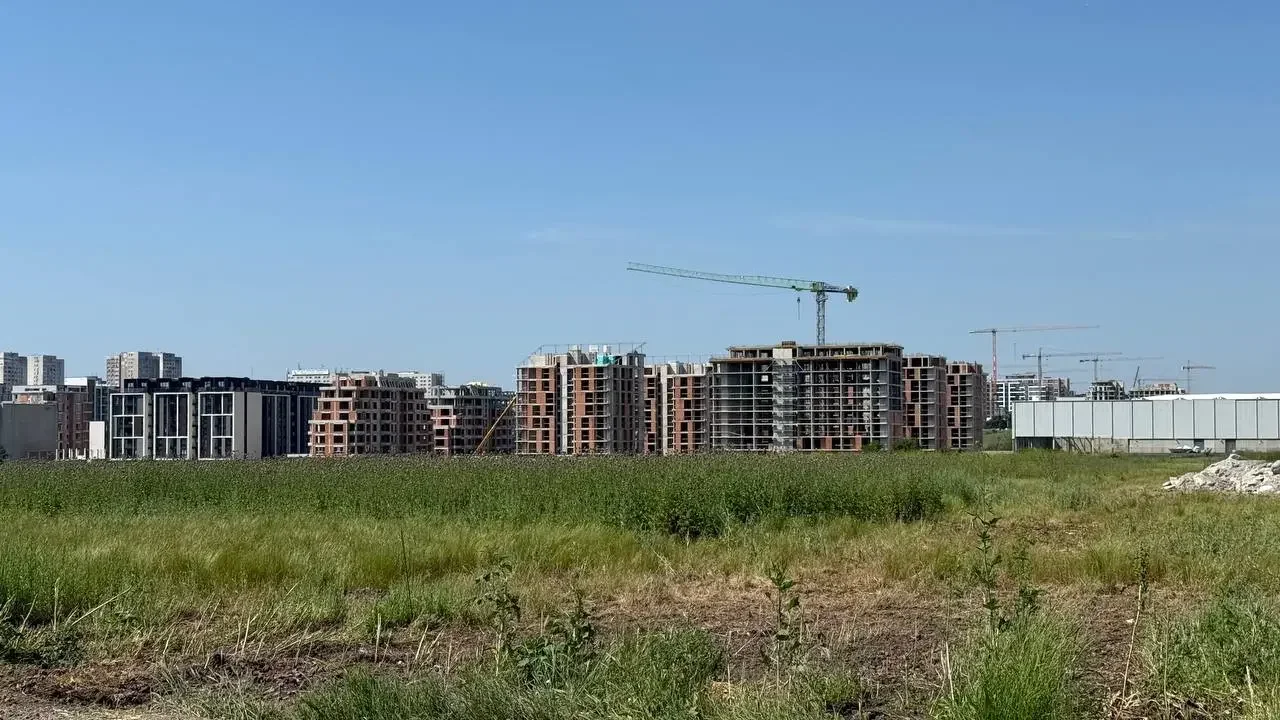
Housing lending remains one of the most dynamic segments of the financial system in Bulgaria in 2026. In the first five months of the year alone, the granted housing loans have grown by over 1.4 billion euros, according to the official data of the Bulgarian National Bank. This increase occurs against the backdrop of double-digit annual growth in loans to households and a steady rise in deposits, which outlines a strong start to the year amidst relatively low interest rates and high demand for financing.
Strong start to 2026: January–February
At the end of January, the total volume of loans to households and non-profit institutions serving households reached 28.948 billion euros – a growth of 20.7% on an annual basis. Housing loans are precisely the main driver of this increase: at the end of the month, they amounted to 17.037 billion euros, with an annual growth of 27.9% compared to January 2025. Consumer loans also grew, reaching 10.958 billion euros, or 12.8% more on an annual basis.
The trend continued into February. Loans to households reached 29.341 billion euros, again increasing by 20.7% compared to the same month of the previous year. Housing loans at the end of February were already 17.299 billion euros, with an annual growth of 27.8%, and consumer loans – 11.087 billion euros, an increase of 12.8% compared to February 2025. Household deposits also grew significantly – to 55.782 billion euros, with an annual growth of 20.3%.
Growth continues: March–April
According to data from the monetary statistics of the BNB, in March and April 2026, loans to households maintained a high growth rate. At the end of April, loans to households and organizations serving them exceeded 30.405 billion euros, which is 20.8% more than in April 2025 – practically the same annual growth recorded at the end of March.
What is significant in this period is that the growth in housing loans started to slightly slow down, while consumer loans accelerated. At the end of April, housing loans were 17.953 billion euros, with an annual growth of 27.1% (against 27.5% in March), and consumer loans continued to increase their share in the overall structure. The average interest rate on housing loans remained around 2.45%, and the annual percentage rate of charge (APR) hovered around 2.78%, which kept financing relatively accessible for home buyers.
Over 1.4 billion euros in new housing loans for five months
A comparison between the beginning of the year and the end of spring clearly shows the scale of the growth in housing lending. Between the end of January (17.037 billion euros) and the end of April (17.953 billion euros), the volume of housing loans increased by nearly 916 million euros. Preliminary data for May, which follows the same trajectory, show that for the first five months of 2026, the total growth already exceeds 1.4 billion euros, measured against the starting values for the year and the analogous periods of 2025.
On an annual basis compared to the spring of 2025, an increase of the order of 27–28% means that the share of housing loans in total household lending continues to grow. With nearly 18 billion euros in mortgage loans at the end of April and over 30 billion euros in total household loans, housing financing occupies an increasingly larger part of the banking system's exposure to the population.
Why housing loans are growing so fast
A combination of several factors lies behind the strong growth of housing loans in 2026. Firstly, there are the persistently high levels of savings: deposits of the non-government sector reached 83.719 billion euros by the end of January – 67.9% of GDP and an annual growth of 17%. Household deposits exceeding 55 billion euros as of February show that significant free resources remain in the banking system, with relatively low interest rates on savings.
Secondly, there are the relatively low interest rates on mortgage loans, which remain at around 2.45% on average, despite the change in the international interest rate environment. In the context of rising rents and stable interest in real estate, this makes purchasing a home through a loan a preferred option, especially for urban households. Thirdly, policies for energy efficiency and renewal of the housing stock – including renovation programs – further stimulate the demand for financing.
Risks and balance: loans versus deposits
The BNB and analysts continue to monitor closely the balance between loans and deposits as a key indicator of the state of the financial system. The growth of housing loans of over 27% annually is high, but it occurs in parallel with an equally strong growth in deposits – over 20% for households – which supports the stability of bank liquidity.
Still, the rapid increase in mortgage financing brings to the fore questions about the debt burden of households and their sensitivity to future changes in interest rates. If the international interest rate environment changes more sharply, today's low interest rates could gradually rise, which will increase the cost of servicing loans. Furthermore, the growth in property prices, supported by mass lending, carries the risk of "overheating" the market if incomes fail to catch up with price levels.
What the growth of over 1.4 billion euros means for households
For households, the growth of housing loans of over 1.4 billion euros in five months is a double signal. On one hand, it shows that many families manage to finance the purchase or renovation of a home by using relatively favorable conditions. On the other, this means an increase in the debt burden and a greater dependence on the stability of incomes and interest rates.
For banks, the segment remains strategically important – housing loans are relatively well-collateralized and generate stable income, but require careful risk management, especially with continued double-digit growth. For regulators and economic analysts, the main task is to monitor whether credit expansion remains within the limits of sustainability and whether household incomes and the labor market can support this pace without the accumulation of systemic risks.
You may also like
 Economic breakthrough: Bulgaria's share of EU GDP has doubled in 18 years
 Bulgaria expects 109 million euros under the RRP: Pekanov points to risks and progress
 Bulgaria receives €1 billion under the Recovery Plan: Where is the money going?
 Bulgaria records third-highest retail trade growth in the EU for June
By the middle of 2026, the picture is clear: housing loans in Bulgaria continue to grow rapidly, over 1.4 billion euros in just five months, with a parallel strong increase in deposits and stable interest rates. Whether this growth will remain sustainable through the second half of the year will depend on the economic environment, bank policies, and household behavior – but for now, housing lending remains one of the brightest drivers of the financial market in our country.
Коментари (126)
pro_hero699
29.06.2026, 13:37абе, баси! 1,4 милиарда... явно хората имат
A357D93A41
29.06.2026, 13:39Ама хайде да го кажем – откъде накъде толкова пари?! Не са ли малко лихвите все пак? Да не би някой да ни заблуждава,
Ivan52
29.06.2026, 13:39Абе, "явно хората имат"... ами нормално ли е? Да си имат, разбира се, ама 1,4 милиарда евро за пет месеца... наистина ли са всички със спестени пари или някой случайно не ги "натиска" да тегля
dark_tiger464
29.06.2026, 13:40Абе, 1.4 милиарда ли са? Сериозно ли?! Хората наистина ли имат пари за жилища, или пък някой ги дърпа къмгоре с тия кредити? 🤔 Дано
Истински_Софиянец
29.06.2026, 13:40Абе, к'во значи "явно хората имат"? Явно някой ги има! Да не би да са извънземни? Или рубли да ни сипят, че да теглим кредити на килограм?! 1.4 милиарда, баси... това е сериозна работа. Надявам се да отиват в реални имоти, а не в някакви съмнителни офшорки и да ги източваме като последно! Европа ни дър
user810@abv
29.06.2026, 13:40Абе, каква "явно хората имат"?! Да, имат, ама на каква цена, бе? 1,4 милиарда евро за пет месеца – това е да ти стане лошо! Откъде тези пари, а? Не че нщо против, разбира се, ама все едно мирише на газ... Надявам се БНБ да гледат какво правят, да не ни изиграят някакви руски интереси и да ни вкараме в кри
pesho218@abv
29.06.2026, 13:40абе хора, вижте сега к'во се случва! 1,4 милиарда евро за пет месеца по жилищните кредити?! това май е някаква лудница! явно хората са се втурнали да купуват апартаменти, ама откъде ще ги изплащат, бе
A05B06
29.06.2026, 13:43абе, pesho218, прав си, к'ва да ти кажа. 1.4 млрд. евро за пет месеца… цифрата е сериозна, безспорно. но нека да не скачаме веднага на люлките и да крещим "лудница".
Честит_Софиянец
29.06.2026, 13:44браво на българия, растеме! 💪 това ли е знак, че икономиката ни се оправя
FB5FAED14A
29.06.2026, 14:11Ебати, 1,4 млрд. евро?! Май нещо се случва с пазара, ама не е за шега работа. Дано да не се обърка всичко накрая 😏
42F591
29.06.2026, 14:15Абе, "май нещо се случва"... да, точно така! Май скоро ще живеем във витрини на банки, обзаведени с IKEA мебели, платени с кредити, които ще връщаме докато умрем 😅. Браво на икономиката, нали? Ура!
ivan272@abv
29.06.2026, 14:47Абе, 1,4 милиарда... наистина ли? Къде отидоха всички тия пари по кредити, бе 👏
Стар_Човек
29.06.2026, 14:48Абе, ivan272@abv прав си, наистина ли 1.4 милиарда??? Къде отидоха паричките, питам аз! Явно някой се гаври с нас малко, а? Тоя двуцифрен ръст ме плаши, честно казано
real_boss93
29.06.2026, 14:50АБЕ, пичове, к'во да ви кажа... 1.4 милиарда евро е сериозна сума, наистина. Ясно е, че пазара на жилища се оживява, ама все пак тряб да гледаме и накъде върви тая вълна. Дано не се окаже, че след година две ще имаме яко мехурчета като с криптовалутите – голям шум, после спукане и всички стеснали зъби.
gosho436@bg
29.06.2026, 14:51Евала за растежа, де! 1,4 милиарда евро... хаха, голям кеф! Ама дано не е балон, че после ще плачем всички 🙄
8066AC86A1
29.06.2026, 14:54Абе Goshо, к'во значи "голям кеф"? Ама дано наистина не е балон, че ще ни изяде после! 1.4 милиарда евро... сякаш пари от блато ги вадим, а не с труд се печелят
EEA87A35
29.06.2026, 15:20Ох, хора, вие да сте видели?! 1.4 милиарда евро за пет месеца по жилищни кредити! Това е просто... невероятно! Честно, много се радвам да чета такива новини - наистина показва, че нещо се случва позитивно в икономиката ни. Да, Gosho436@bg има право, винаги трябва да сме внимателни за "балони", ама все пак... 1.4 милиарда! Това е огромна сума!
cool_hero789
29.06.2026, 15:22Абе, нормално ли е да теглят кредити като дъжд? Да не би някой да ги раздава безплатно, че всички хукнали да се облагодетелстват? И накрая ние, обикновените хора, па
tqyrr627
29.06.2026, 15:22абе, сериозно?! вие как може да сте толкова оптимистични, честно!? 1.4 милиарда евро за пет месеца?!?! това не е "позитивно нещо", а потенциална катастрофа! да си купят жилище хората? аааа, да, разбира се... ама на какви ли условия?! нали някой трябва да плаща после като балонът гръмне, бе?! 👍
9B26401579
29.06.2026, 15:23Абе, хора, EEA87A35 си прав/а напълно! 1.4 милиарда евро?! Дайте малко въздух! 😂 Сериозно, това е яко, ама да не се набутваме мнооого в позитивизма, а? Виж какво, аз съм за развитието на икономиката, разбира се! Подкрепям всяко движение напред, особено ако води към по-добър живот за нас българите. И Европа си ни е майка, да не забравяме! 🇪🇺
ovkyjj681
29.06.2026, 15:24Абе, хора, наистина ли е така? 1.4 милиарда евро?! Ама хаде да го кажем – хубаво е, че народът купува жилища, ама откъде пари имаха изведнъж всички? Нека да не се окаже, че някой си играе с огън и после ние ще платим сметката. Дано все пак е нещо стабилно и не зависимо от руски газови манипулации, а?
1E9F9C
29.06.2026, 15:29Пич, вие говорете ли изобщо? 1,4 милиарда евро?! Това е яко, ама малко страшно, честно казано. Радвам се, че нещо мърда в тая държава и хората имат възможност да си купят жилище, но трябва да внимаваме. Да не стане като в Гърция, нали 💩
Petar14
29.06.2026, 15:31Абе, пич, кво значи "малко страшно"? Малко ли?! 1.4 милиарда евро, братче! Това е бомбастичен ръст! Да, хубаво е, че хората имат пари да си купят нещо, ама тва не е нормално. Нали помниш к'во стана с Гърция? Трябва да се гледат фактите, а не само розови облачета.
Yordan18
29.06.2026, 15:31абе пич, 1e9f9c, прав си, малко яко и малко зловещо е това... 😅 наистина трябва да се гледа много внимателно. ясно е, че хората искат да си купят некви жилища и да имат стабилност, което е ок, ама толкова бърз ръст винаги ме кара да се замислям. дано не се окаже, че някой ни е подхлъзнал с евтини рубли или нещо подоб
jmkks287
29.06.2026, 15:32Абе, пич, прав си за гръцкия сценарий... малко ме е страх, честно казано. 1.4 милиарда са доста пара, наистина. Само да не се окаже, че после ще ни върнат всичките лихви с големи проценти и ще опътим пак яко, като преди. Дано БНБ разбират к'во правят, да не стане цирк. Ама пък е добре, че нещо се случва – все па
Petar97
29.06.2026, 15:52Ебаси, 1.4 млрд. евро?! Да не са ни от Путин ли дадоха, бре? 🤔
263792DA17
29.06.2026, 15:55Абе, Petar97, деба! От Путин ли?! Ха-ха! Ама ти се майтапиш, нали? Сериозно ли го мислиш?! 🤦♂️ Да си гледа той работата на другата страна, да не се мъчи да ни финансира по тъмни сайтове. 1.4 милиарда са много пари, да, ама е добър знак за икономиката! Хората купуват жилища, строят се нови къщи 🤬
fan38@gmail
29.06.2026, 15:58Абе хора, спокойноооо! 1.4 млрд евро са си много, ама да не ни връхлети като гръм от ясно небе. Все пак, нещо се случва в държавата, нали? Дано 💩
Добър_Бургазлия
29.06.2026, 16:01Абе, "нещо се случва" - да, ама дали е нещо ху
pro_king249
29.06.2026, 16:11Ужас! 1.4 милиарда евро?! Абе, майтап ли е това? На къде върви тая държава, питам ви? Разучете се малко,
F2B845B048
29.06.2026, 16:12Абе, pro_king249, кво значи "На къде върви тая държава"? Върви напред, брат! Виж какво пише – 1.4 милиарда евро! Това си е добре, ама да не се окаже като с тия магистрали... строят и строят, а все нещо не излиза.
Dimi41
29.06.2026, 16:12Браво, браво, хора! 1.4 милиарда евро?! Това е яко, наистина! Някой да каже, че в България нищо хубаво не се случва? Абе, направо литнах от радост като го прочетох! 🎉 💥
crazy_boss
29.06.2026, 16:47Абе, хора, успокойте се малко! Сериозно, чета коментари тука и все едно съм в първи клас. "Ужас!", "На къде върви тая държава?" - ами върви напред, явно. Да, 1.4 милиарда евро са доста пари (и да, Petar97, не е от Путин, моля те!), но фактът, че имаме двуцифрен ръст и повече депозити също, говори за някаква стабилност.
crazy_king568
29.06.2026, 16:52абе, "стабилност" викаш ли? не знам... ама да сте видели колко процента от тия пари отиват за апартаменти в софия, 👍
pro_master684
29.06.2026, 16:52Абе, crazy_boss, много си наивен, братче! "Успокойте се малко"?! Да ти напомня ли какво стана с КТБ? С Корпоративната банка? Това е първият знак за тотален цирк, а ти тука философстваш за стабилност. 1.4 милиарда евро за пет месеца?! Това не е нормално, изобщо! Двуцифрен ръст на кредити = меко казано проблем. Аз не съм първи клас, да знаеш, чета си новините и виждам какво се случва по света.
Стар_Българин
29.06.2026, 16:58Абе, сериозно ли? 1.4 милиарда евро за пет месеца?! Добре де, ясно е, че растат кредитите, това си е нормално в една развиваща се икономика... ама тоя двуцифрен ръст все пак малко стряскащо не звучи ли?
Добър_Българин
29.06.2026, 17:00Ей, Стар_Българин, прав си, малко стряскащо звучи наистина. 1.4 милиарда за половин година са сериозни числа! Ама пък гледай каква активност показва, хора строят, купуват... Надявам се да не е балон и да няма после горчив
bqksdpny375
29.06.2026, 17:13Бах, 1.4 млрд?! 😳 Тоя ръст е як, ама да не ни изиграе после
Ивашко
29.06.2026, 17:53Абе... я си мислех да не пиша нищо, ама все пак... 1.4 милиарда евро, наистина е доста. Не казвам че е лошо, разбира се, народът иска да има покрив над главата си, това е нормално. Важното е да не стане като ония кризи навреме - балон и после спукване.
zhjm174
29.06.2026, 17:58абсолютно недопустимо! 1.4 милиарда евро за пет месеца?! какво се случва всъщност? дали наистина сме толкова стабилни, колкото ни говорят? двуцифрен ръст... това не е нормално, хора! това е знак за потенциален проблем, а не за просперитет
9B0E2B87DD
29.06.2026, 18:02Жизм174, да си прав, де! Голям тая сума, наистина. Ама я гледай от добрата страна - хора вземат кредити, значи има доверие в бъдещето, строят се къщи, икономи
Лош_Човек
29.06.2026, 18:28абе хора, вижте сега какви ги говорим! 1.4 милиарда евро за пет месеца... цифрите наистина са огромни. все пак, нека се опитаме да видим нещата малко по-спокойно и обективно, а?
ahyig601
29.06.2026, 18:32Абе, Ло6_Човек, прав си... ама к'во да се прави? Пак яко
Луд_Човек
29.06.2026, 18:31Абе хара, спокойно! 1.4 милиарда евро са много пари, да, ама вижте го от светлата страна - значи има инвестиции в строителство, хора купуват си жилища, нещо се случва! Дано не е само балон и после всички да плачем, както става понякога. Важното е БНБ да гледа какво се случва и да не ни изненадат с някакви неприятни изненади. Европа вече се бори с доста проблеми, да не си създаваме и
real287@gmail
29.06.2026, 18:33аха, "от светлата страна"... браво за оптимизма, луд_човек! наистина е хубаво да се гледа на нещата позитивно, ама... 1,4 милиарда евро за пет месеца са *малко* повече от "нщо се случва". това е почти като да кажеш "абе, вижте, облаците са сиви - значи ще вали!
dark_master
29.06.2026, 18:33Абе, Луд_Човек, добре го каза - трябва да гледаме от светлата страна, де. Нали все искаме нещо да се случва в тая държава. Ама... 1.4 милиарда евро за пет месеца? Това е огромна сума, наистина. И не може просто да кажем "добре е, защото има инвестиции". Трябва да си зададем въпроса: къде точно отиват тези пари? В нови, качествени жилища ли, или в стари панелки по софийските покрайнини, надути цени от спекуланти
aqvsy819
29.06.2026, 18:38Абе, сериозно ли? 1.4 милиарда?! Да ама... кой ще връща тези кредити, бе хора? Не е лошо да има строителство, разбирам
Честит_Софиянец
29.06.2026, 18:40Абе, т'ва е яко! Браво на хората, че си купуват
mogef729
29.06.2026, 18:41Абе, qvsy819 прав си на 100%! 1.4 милиарда?! Това е сериозна сума, братче. И аз се питам кой ще връща тия кредити, че да не ни изкара всички на улицата! 🙄
Georgi42
29.06.2026, 19:04уау, 1.4 милиарда?! явно строителният сектор кипи работа - това е
Минов
29.06.2026, 19:07Олеее, Георги42, прав си! 1.4 милиарда евро наистина са огромна сума! Не може да се отрече - строителният сектор кипи, това е абсолютно вярно! Но аз лично виждам много повече от просто "кипящ" сектор тук. Това говори за нещо много по-сериозно – за стабилна икономика, за доверие в бъдещето на страната ни!
15D7C9
29.06.2026, 19:09ебати, 1.4 милиарда евро?! баси, нали нямаше криза? к'во става с тия пари, къде отиват по-точно? дано не са някакви спекулации и после всички да сме ядосани! 👍
lyjyki8
29.06.2026, 19:11абе, нормално ли е да питаме дали има криза, след като бачкат милиарди? 🤔 къде са тези милиарди, бе, питам аз? и нали сме в европа, трябва да
pro_king573
29.06.2026, 19:10Уау! 1.4 млрд?! Тая работа яко я караме бе! Дано е за добро, да се развиваме и
Стедар
29.06.2026, 19:48ебаси! 1.4 млрд. евро за пет месеца?! това яко ли е или яко ни вкарва в беля? 🤔 надявам се да са отишли за истински жилища, а не за някакви съмнителни проекти... и все пак, хубаво е, че икономиката расте
Vasil23
29.06.2026, 19:54Ебаси, 1.4 милярда... Ама то си го казва БНБ, значи нещо се случва. Надявам се да са хора с доходи, а не някакви "инвеститори" дето после ще ни оставят на
Прав_Софиянец
29.06.2026, 19:56Абе Васил, прав си напълно! 1.4 милиарда... майтап дерибеѝ! Дано наистина са хора с реални доходи, че да не
cool_angel577
29.06.2026, 20:12Абе, хора, сериозно ли?! 1.4 милиарда евро за пет месеца... Това е яко, де, ама на каква цена? Дали наистина всички тези пари отиват за реални жилища или пък някакви "инвеститори" си правят мръсни схеми и после пак ние народа ще плащаме сметката
7D75388086
29.06.2026, 20:16Абе, cool_angel577, ти ме разсмя със "мръсни схеми"! Да, наистина въпросът ти е важен, ама да не преиграваме с конспирациите веднага. 1.4 милиарда за пет месеца са много, определено. И аз си мислех, че икономиката ни е малко... по-сдържана
ivan650@abv
29.06.2026, 20:23хмм... 1.4 милиарда... интересно. надявам се да
cool_hero478
29.06.2026, 20:26абе, интересно... ама много интересно. 1.4 милиарда? да не са ни вкарали някакви муцуни отв
Лош_Човек
29.06.2026, 20:24хм, интересно. добре е, че има движение в тази сфера, показва някаква активност. да видим как ще се отра
F8197BADFC
29.06.2026, 20:33Абе... 1.4 милиарда... голям ташак е това, май. Добре че нещо се движи, ама да видим докъде ще стигне
ovddioa937
29.06.2026, 20:37Абе тва "добре че нещо се движи" ли е оправдание? Да видим
real_king452
29.06.2026, 20:38абе, "голям ташак" вика човека... ама да, точно така е! 🤦♀️ добре де, щом нещо "се движи", значи сигурно пак ни чакат изненади. да видим
gosho197@eu
29.06.2026, 20:54Уау, 1.4 милиарда?! Супер! Браво на Българската народна банка, 😡
972553ADE3
29.06.2026, 20:55Абе хора, спокойно! 1.4 милиарда евро са си доста, ама да не се хващаме за главите веднага! Gosho197@eu, разбирам ентусиазма ти, но емотикона с ядосано лице е малко... противоречив, а? 😂 Все едно казваш "браво, ама ме е страх".
pesho50@abv
29.06.2026, 21:03Ооо, пичовеее! 😱 Видяхте ли новината?! 1.4 МИЛИАРДА евро за пет месеца по жилищните кредити?! Това вече е яко! 💪
Честит_Граждан
29.06.2026, 21:04Ама наистина ли така? 😲 Евала на хората, че инвестират в бъдещето си! Купуват си къщи, правят семейства - това е най-ва
Истински_Човек
29.06.2026, 21:07Ами да, доста са парите, наистина. Дано се използват разумно 🇧🇬
ivan525@bg
29.06.2026, 21:12абе, хора, к'во става тука? 1.4 милиарда евро... добре де, пари има, ама все пак... аз си взех кредит преди година - баси, лихвите! дано да не ни изиграят някакви руснаци после, че ще се окаже
Dimi49
29.06.2026, 21:28Абе, баси, 1.4 млрд евро... значи нщо се случва. Да
naailu570
29.06.2026, 21:31Абе, Dimi49, "нщо се случва" – това е меко казано. 1.4 милиарда евро за пет месеца... като че ли някой сипва пари отгоре! 🤔 Радвам се, разбира се, че нещо се движи в икономиката ни, ама не
Минов
29.06.2026, 21:53Ебаси, хора! 1.4 милиарда... Сериозно ли? Ама тоя ръст все едно гъбички след дъжд! Дано да не е някаква мехурка, че после пак ще страдаме всички. Все пак, добре е, че има пари в икономиката, значи нещо се случва, ама внимателно с тези кредити, а? После ще гледаме как никой не може да си плаща. Дано 🤷♂️
Mariya33
29.06.2026, 21:56Абе, Минов прав си за гъбичките! 🤣 Дано не ни се стопи всичко
Ivan42
29.06.2026, 22:00Ей, ама 1.4 милиарда?! Това лихвите от космическа сонда ли долетяха, бре?
Стеслав
29.06.2026, 22:00Абе хора, вижте какво - 1.4 милиарда евро за пет месеца... значително е! И то при двуцифрен ръст… малко ме плаши да си го кажа направо. Да, хубаво е, че има движение и пари се движат в страната – това винаги е добре за икономиката ни, не споря. Но трябва много внимателно да гледаме каква политика води БНБ и банките.
F0A97137
29.06.2026, 22:03Абе, Стеслав, прав си напълно, братле. Не е за подценяване това нещо...1.4 милиарда евро наистина са много пари за пет месеца! Особено като гледам как се развиват цените напоследък - все едно някой ги духа яко нагоре.
Mariya10
29.06.2026, 22:04Абе, Стеслав, прав си... малко е страшно тоя ръст. 1.4 милиарда за половин година?! Направо яко, ама и лесно може
aahque533
29.06.2026, 22:14Бум! 1.4 милиарда?! 😳 Направо яко! Трябва да
Нико
29.06.2026, 22:50Абе, 1.4 милиарда... голям ташак са станали кредитите! Добре е, че нещо се случва в държавата, ама да 🇧🇬
ogte541
29.06.2026, 23:20Ебати, 1.4 милиарда! Дали нема да се обърка нщо? Ясно е че пари има, ама
maria323@mail
29.06.2026, 23:29Интересно, този бум в кредитите – устойчив ли е или просто временен феномен? И кво точно стои зад тези уве
user824@abv
29.06.2026, 23:33Абе Мария, здравей! Точно така си го казала... интересно е наистина. Аз гледам хората покрай мен - все повече се чудя дали разбират какво правят. Едната съседката взе кредит за ремонт на банята, другата за кола... ама да не би да гонят нещо, което после няма да могат да си позволят? 😏
user192@abv
29.06.2026, 23:32абе хора, сериозно ли? 1.4 милиарда евро само за пет месеца! това е факт, който буди притеснение. добре де, че има движение в икономиката, ама все пак – такива темпове... нека да видим как ще се отрази това на стабилността на банките и на цялата ни финансова система. има ли някой
super_tiger510
29.06.2026, 23:48Баси, 1.4 млрд. ивро?! Уау, яко е, че расте икономиката ни! Надявам се
Stoyan30
29.06.2026, 23:51хм... да, хубаво е, че расте икономиката, разбира се. но все пак, 1.4 милиарда... малко ми се струва притеснително 💩
BCCA65
29.06.2026, 23:53Абе, пичове, викам да не се разместваме много. Ясно е че цифрите са големи, ама трябва да гледаме и отдолу нагоре. 1,4 милиарда... добре де, расте икономиката, това си е факт. Но какво точно финансираме с тия пари? Апартаменти ли строим или някакви търговски комплекси, които после стоят празни?
Рамир
29.06.2026, 23:59Абе, хора, вие се майтапите ли с мен?! 1.4 милиарда евро за пет месеца... абе, това да не е лотария, бе?! Да си помислим малко – значи всички купуваме жилища на кредит, явно. Чудесно, браво! Но нека да не се правим на ударени - къде ще ги връщаме тия пари? Особено след като всеки втори икономист твърди, че рецесията ни дебне от завой. 💸
Минов
30.06.2026, 00:00Абе хора, пичове... 1.4 милиарда евро?! Сериозно ли го казвате? Аз лично се замислям какво става всъщност. Да, хубаво е, че расте нещо, ама все едно гледам филм на бързо пренавиване. 🔥
Васлав
30.06.2026, 00:02Абе Минов, братле, точно си прав! Пък аз се чудя дали да не взема кредит за една лодка... 😅 Направо ме
pesho743@abv
30.06.2026, 00:53абе, 1.4 милиарда?! да не ни подготвят за някаква изненада... да видим дали
dark_tiger
30.06.2026, 00:57абе, pesho, съгласен съм с теб напълно! "да видим дали" – точно така е! 1.4 милиарда евро за пет месеца?! това си е абсурд! не говоря да съм против хората да си купуват жилища, напротив! всеки трябва да има свой дом и аз се радвам, че има възможност. но тази скорост на нарастване...ммм, нещо тук не се връзва. 💥
Stoyan17
30.06.2026, 00:53ебаси, 1.4 милиарда евро наистина е много! 🤔 ясно е, че има интерес към жилища, ама малко
Стар_Патриот
30.06.2026, 00:58абе, stoyan17, "малко"?! 1.4 мили
Стар_Бургазлия
30.06.2026, 01:12Сериозно ли? 1.4 милиарда?! Да не са ни докарали някаква схема, да видим кво ще стане
super_tiger220
30.06.2026, 01:13Абе пич, Стар_Бургазлия си прав напълно! 1.4 милиарда евро?! Това е мнооого голяма сума, наистина трябва да се гледа какво става. Да не сме станали някакви жертви на някоя схема, а? Особено след всичко, което се случва... деба, все едно отгоре ни духат! Надявам се БНБ да си гледат работата и да не
Томир
30.06.2026, 01:13Абе, Стар_Бургазлия, братле, дааа! 1.4 милиарда евро – това вече е яко! 😁 Явно хората имат доверие и си взимат жилища, а това значи че нещо се случва с икономиката ни. Все пак, трябва да сме нащрек, верно е - да не излезе някаква измислица, ама засега звучи добре. Важното е
pro_king
30.06.2026, 01:13Абе хора, сериозно ли? 1.4 милиарда... Да си взема един локомотив на кредит значи?! 😂 Набъбваме, набъбваме... ама до кога ще ни е хубаво? Всички тичаме да теглим пари, а после к'ви са последствията? 🙄
crazy_master555
30.06.2026, 01:22Ебаси! 1.4 милиарда евро? Наистина ли толкова много хора теглят кредити?! Дано да са си направили с
3D3A1C3B
30.06.2026, 01:25А бе, наестина ли е така? И после К'ВИ ще са пробле
Стар_Софиянец
30.06.2026, 01:38Уау, 1.4 милиарда?! Невероятно! Радвам се да видя, че икономиката ни расте така! Надявам се
Луд_Реалист
30.06.2026, 01:40Ама наистина яко, ама да внимаваме после да нема к'во! Важно е да се строи нещо качествено
Честит_Бургазлия
30.06.2026, 02:02Абе хора, вие го ли чухте?! 1.4 милиарда евро за пет месеца!?!? 🤯 Тоя ръст е страшен, сериозно. Радвам се, че икономиката ни расте – това си е чиста истина и е много добре за всички нас. Но... абе малко ме е страх да не би да става някаква лудост. Толкова много хора теглят кредити? Къде отиват тия пари, какво строят? Дано всички са си го измислили и имат ясна представа как ще връщат заемите, че после пак ще се оплакваме на гърба си от лихви и проблеми. 💩
3776543E59
30.06.2026, 03:09Сериозно?! Толкова пари за кредити??? Да не се окаже пак някаква схема... 🤨 🇧🇬
Лош_Човек
30.06.2026, 03:51Ебаси, 1.4 милиарда?! 😳 Хара, що ли теглите кредити бе? Дано не е някаква мехурна история, ама като гледам как строиха последните години... да се над 🤷♂️
6EEBEB
30.06.2026, 04:03Бум с кредитите... Явно нещо се случва. Да ВИДИМ какво ще излезне накрая. 😬
Рамир
30.06.2026, 05:21Ооо, басе! 1,4 милиарда?! 😮
user886@mail
30.06.2026, 05:24Ами факт е. Цифрите говорят сами за себе си. Да видим дали растежа ще е устойчив и кол
Пено
30.06.2026, 05:43Ебаси, хора! 1,4 милиарда евро за пет месеца?! Това вече е яко! Не мога да повярвам! Да, разбирам притесненията на Лош_Човек – наистина трябва да внимаваме да не се окаже мехурче, ама все пак... толкова много пари инвестирани в жилища означава, че нещо добро става.
Стар_Граждан
30.06.2026, 06:02Абе хора, 1,4 милиарда евро?! 😲 Сериозно ли? Това си е доста! Дано не излезе после, че сме ги метнали на някакви съм
Честит_Бургазлия
30.06.2026, 07:40Абе, хора, страшно е това! 1.4 милиарда евро за половин година?! Дано не се окаже някаква измама или спекулация... Трябва да гледаме внимателно какво става и да не
Млад_Човек
30.06.2026, 07:40Абе, хора, вие разбрахте ли какво става? 1,4 милиарда евро... за пет месеца! Да си призная, малко ми се повдигна косата. Не казвам, че е лошо – все пак хората искат да имат покрив над главата си и е добре, че имат възможност.
4BAFF2BAF7
30.06.2026, 09:02Абе, хора, к'во значи 1.4 милиарда евро? Сериозно ли сега?! Добре де, ама да не се окаже, че са ги набутали някакви офшорки и после всички ще плащаме сметката. Дано БНБ си гледат работата,
Добър_Човек
30.06.2026, 09:49Ех, 1.4 млрд. евро... значи наистина расте икономиката ни? Или просто всички са взели кредити да си оправят покривите, щом 😡
Добър_Човек
30.06.2026, 10:24Наистина ли това е устойчив ръст, или просто мехур? Да видим как ще се развие ситуацията след време... 💩
Гедар
30.06.2026, 10:28абе, добър_човек, баси! 💩 евала за емотикона, точен си като швейцарски часовник! и аз се чудя дали това не е някаква икономическа сапунка на прах. все едно да си купиш апартамент в созопол с три кутии кисели краставички и един пакет макарони
Иваслав
30.06.2026, 10:28Ех, Добърчо, здравей! 💩 То верно, въпросът ти е важен… Ама к'во да го правим - парите се движат, хора строят. Ако бяха все наематели щяхме да сме много зле. Дано не се окаже като ония балончета от сапун, дето ги пускат пред деца – хубави са докато си цъфнат и после… бух! 🤷♂️
dark_master228
30.06.2026, 11:00Абе, хора... 1.4 милиарда евро за половин година? Сериозно ли? Аз пък се чудя откъде пари излизат, че все нещо набъбва. От една страна - добре е, че има движение и хората инвестират в недвижимти, това показва някаква активност. Но от друга... малко ми става криво като си помисля за всичките кризи, които ни се случиха напоследък. Дано наистина е нещо позитивно и да не се окаже, че след време ще плащаме сметката - все едно сме в някоя руска схема на финансиране. Не казвам, че е така, ама... трябва да внимаваме. Важно
real845@mail
30.06.2026, 11:34Абе наистина ли толкова много пари се въртят? Странно ми е... Това добре ли е за нас българите или просто някой си прави кеф с
Ивано
30.06.2026, 11:35Абе... 1.4 милиарда евро... малко страшно ми се вижда, да го кажем направо. Не казвам, че е лошо, все пак трябва нещо да се случва в тая държава, ама... сякаш твърде много е за толкова кратко време. Надявам се наистина да е заради реал
Vasil4
30.06.2026, 11:51абе, хора, вижте сега какво става… 1.4 милиарда евро за пет месеца, а?! това е повече от бюджета на някои малки държави в европа! честно казано, сякаш си играем на някакъв икономически пиянски гуляй.
768A889F31
30.06.2026, 12:42ЗДРАВЕЙТЕ, колеги!
Рашко
30.06.2026, 13:03ама че работа! 1,4 милиарда евро за половин година?! да видим дали ще се отиграе тази игра... надявам се да не ни
mega_master756
30.06.2026, 13:09Естествено, данните са публични. Ама да видим дали ще има къщи да живеем с тия пари,
Млад_Граждан
30.06.2026, 13:14Абе, 1.4 милиарда евро?! Да сте здрави! Тва си е доста... Не знам, ама дано не ни изиграят някакви "приятели" от изток с тия пари после. Все пак 🔥