
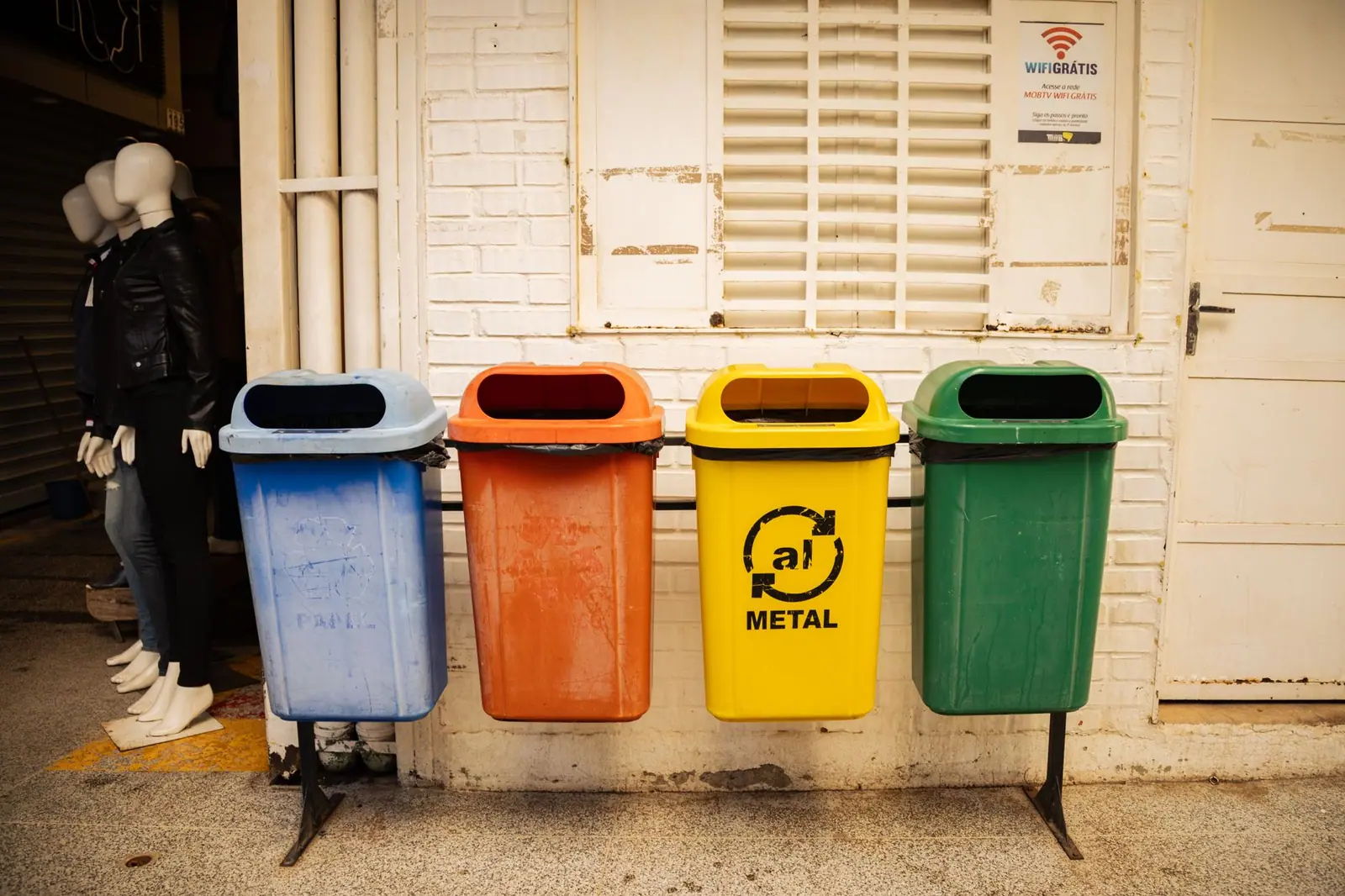
Sofia will get nearly 900 new collection points with coloured recycling bins under five-year contracts that City Hall has signed with the three licensed packaging recovery organisations, the city's press office said.
The new bins add more than 3.6m litres of capacity for separate collection. That raises the total volume of coloured bins in the capital by almost 36%.
The contracts are with Ecopack Bulgaria, Ecobulpack Bulgaria and Bulecopack. They provide for a denser network of bins, easier-to-use containers, better-organised collection and tighter checks on operators.
The signings followed two years of work, appeals, court disputes and hard talks between City Hall and the organisations. City Hall says the deal reached in the talks allowed the contracts to be signed while keeping the higher service standards.
Sofia collected nearly 30,000 tonnes of packaging waste in 2025. If the system performs as well as it does now, the amount could reach about 41,000 tonnes a year, City Hall estimates.
Collecting, transporting and processing a tonne of mixed waste costs more than €200. The possible savings are more than €2m a year.
Mayor Vasil Terziev believes more than half of what goes into the grey bins could be recycled. "Most people in Sofia do not know they have already paid for the handling of packaging waste through the price of products," he wrote in the press release. "When this packaging ends up in the grey bin, we pay again, through the city's costs," Terziev added.
The city inspectorate is tightening checks on improper waste disposal. Since the start of October, inspectors have drawn up 35 violation reports and issued 149 on-the-spot fines to people and firms that threw recyclable waste into household waste bins. Most violations were in the Triaditsa, Serdika, Sredets, Lyulin and Nadezhda districts.
Six months ago, at a joint event, the organisations said recycling needs precise logistics and organisation. They said there is no single big plant that turns waste into clothes, packaging and shoes.
The industry adds that waste from the coloured bins must reach the nearest sorting centre. It is then processed at various places in Bulgaria that have the right capacity, plants and firms that use recycled material. Sometimes recyclable waste travels to Turkey, Romania and North Macedonia. According to industry data, more than 200 municipalities in Bulgaria have a total of more than 40,000 coloured bins.
The Kremikovtsi and Ovcha Kupel districts remain outside the new agreements, but City Hall wants the same system there too. Deputy mayor for the environment Nikolay Nedelkov has submitted a report to Sofia City Council on changing the model in the two districts.
He proposes dropping the requirement that the work go to the city-owned company Sofekostroy, and cancelling the old decision that the city would pay for bins and specialised equipment. The council has yet to consider the report.

Comments (0)
No comments yet.