
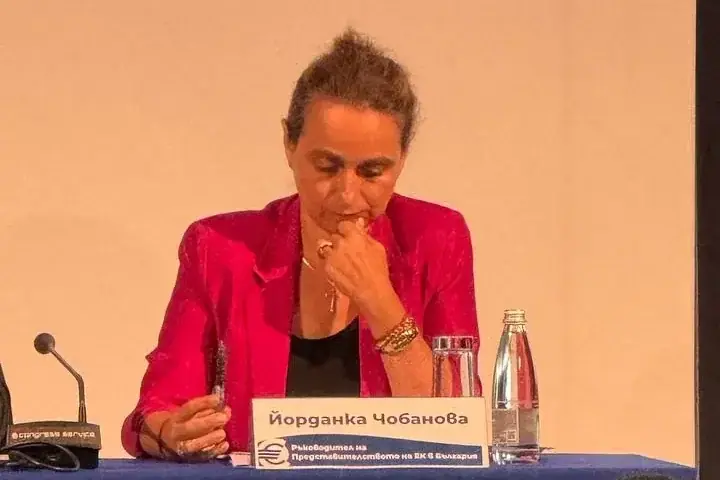
Joining the euro zone matters both for Bulgaria and for the currency bloc itself, says Yordanka Chobanova, head of the European Commission Representation in Bulgaria. She spoke at the "Enlargement, Transformation, Digitalisation" forum at Boyana Residence in Sofia. The think tank OMFIF, which is independent, organised the event with the patronage of the Bulgarian National Bank and the Association of Banks in Bulgaria as partner.
The European Commission will propose a package of steps for the banking market in the first quarter of 2027. It wants a better connected market, more proportionate requirements for banks and simpler rules. The Commission has already proposed steps to integrate financial markets and make supervision more consistent. It also has an initiative on the competitiveness of European banks.
"Our banks are profitable and stable, but obstacles remain for them," Chobanova said. She named a fragmented banking market, rules that are sometimes too complex, and international standards that do not take enough account of European conditions when applied in the EU.
Banks provide 75% of lending to companies in the EU. Chobanova said they remain at the centre of the European financing model. The EU needs both small regional banks that know local conditions and banks that give access to larger markets and global investors.
Firms in Bulgaria rely mainly on bank loans, but they also need other forms of funding, especially companies with room to grow. Much of the EU's savings is invested outside the bloc, while EU firms lack enough capital to grow. Chobanova said this is why banks, capital markets and long-term investment need better links. That is also the aim of the Savings and Investments Union. If EU capital markets are better connected, firms will find it easier to raise risk capital and equity, meaning money from investors in return for a stake in the firm. They will also attract more long-term investors.
Financial integration in the EU is a matter of competitiveness and economic security, Chobanova said. Fragmented capital markets, dependencies in payment infrastructure and a lack of risk capital affect more than the financial sector. "Dependence on payment systems and critical technology providers outside the EU is already a strategic risk," she said. The digital euro matters for Europe's sovereignty in payments, she added.
Chobanova said Bulgaria already takes part in decisions on the common monetary policy and on the future of the EU's financial system, even though the international situation has changed. The country is joining the euro zone while Europe decides how to fund growth, how to bring in future members and how to keep its financial autonomy. Bulgarian institutions and the financial sector already take part in these decisions effectively, she said.
Other EU countries are also discussing the euro after Bulgaria. Meeting the criteria remains the deciding factor, and the European Commission will assess them objectively. Chobanova recalled that the SEPA payment area now includes Albania, Moldova, Montenegro, North Macedonia and Serbia. She said European standards can cut the cost of payments between countries even before they join the EU.





Comments (0)
No comments yet.