
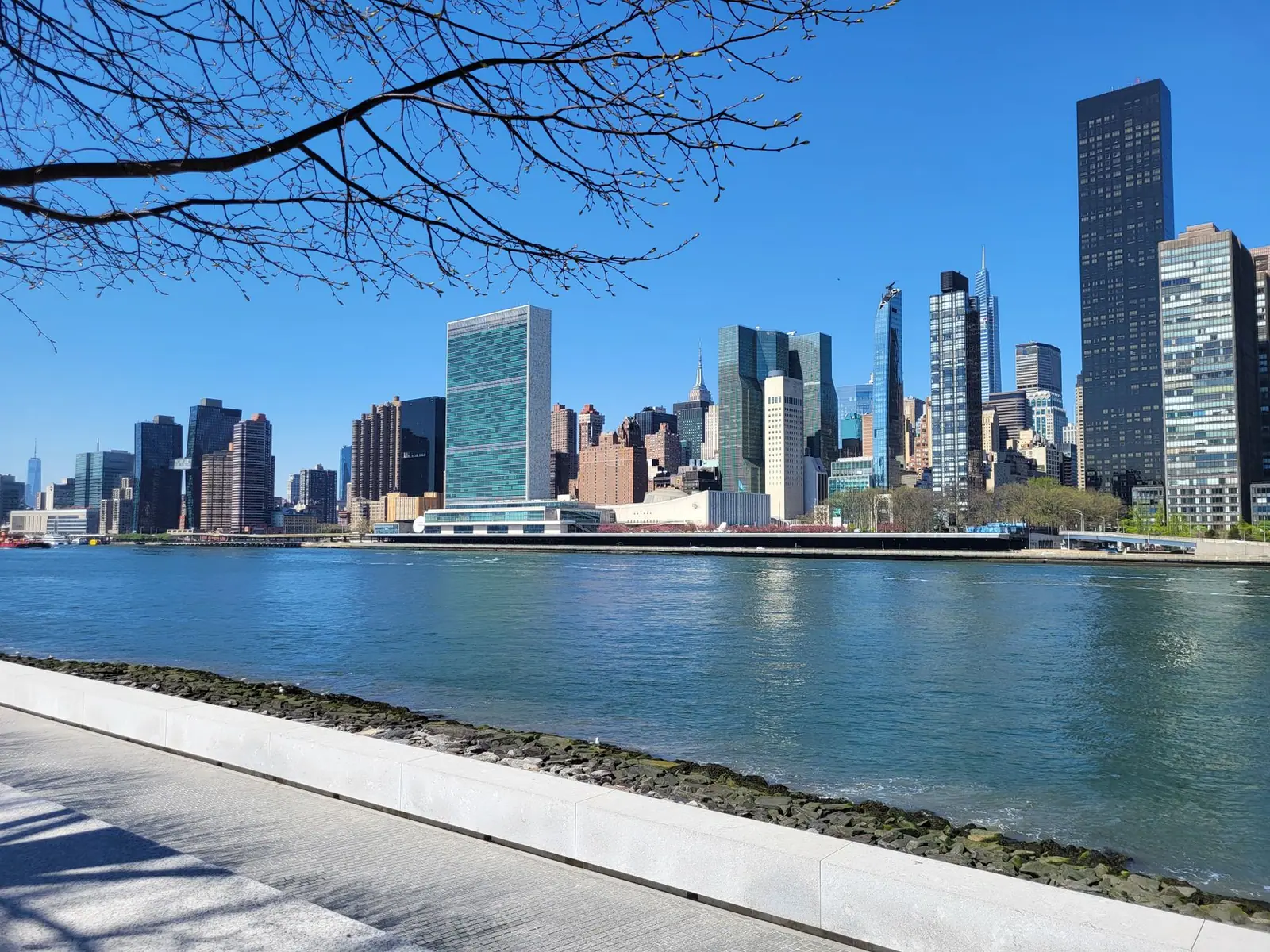
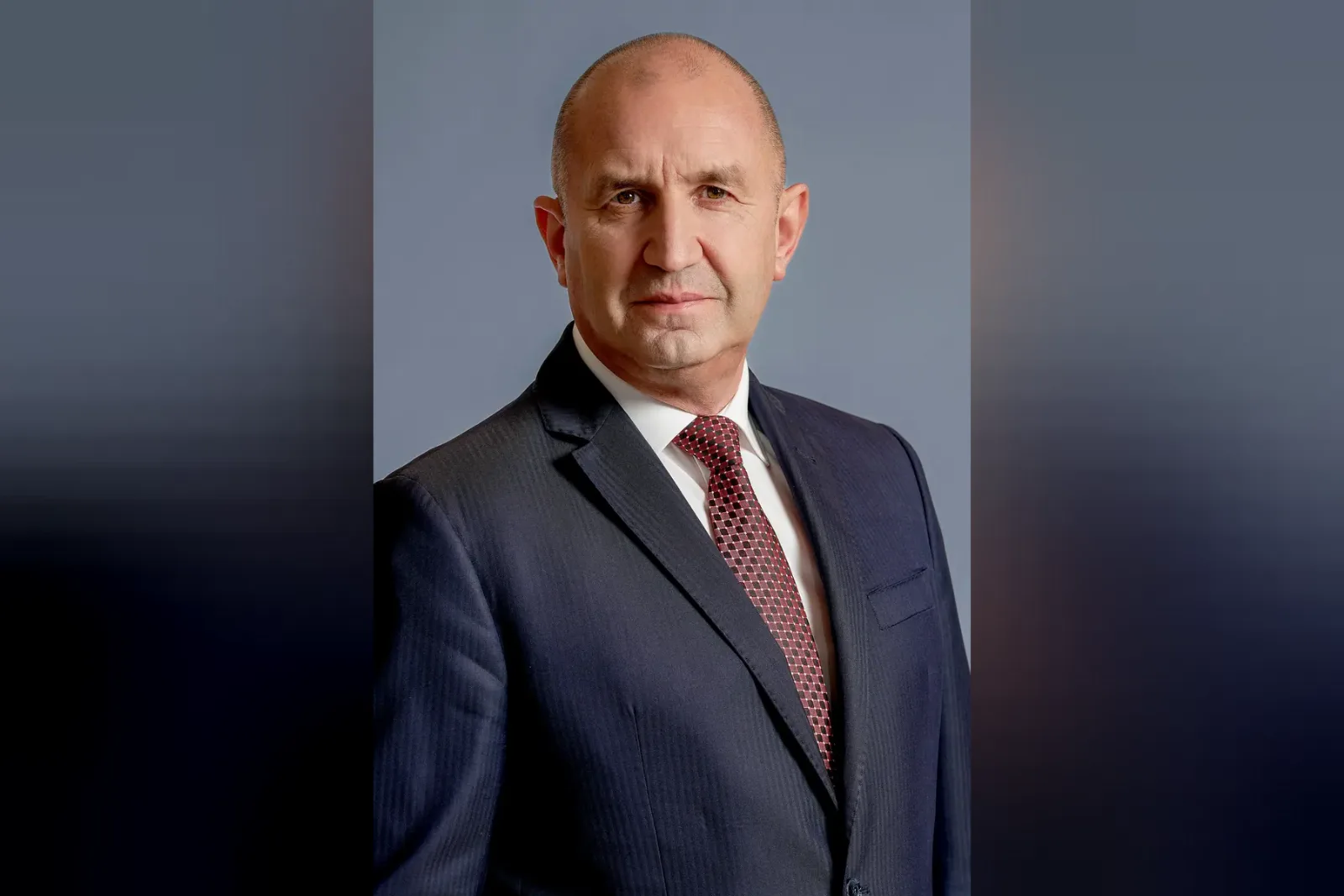
President Iliana Jotova will head the Bulgarian delegation to the 81st session of the UN General Assembly, which begins tomorrow, September 22, at the organization's headquarters in New York. Minister of Foreign Affairs Velislava Petrova will also participate in the delegation and will join side events as early as today.
The general political debates will take place from tomorrow, September 22, to September 28, with Sunday, September 27, designated as a rest day. High-level representatives from the 193 member states of the global organization will participate. According to UN data, nearly 130 countries will be represented by their heads of state or heads of government.
The President of the 81st session has been elected as the Minister of Foreign Affairs of Bangladesh, Halilur Rahman. The theme for this year is: "Renewing trust, managing transformation: A United Nations that delivers for all." The theme of the 80th session was: "Better together: 80 years and counting for peace, development, and human rights."
The session will bring together world leaders to promote collective action for peace, dignity, and equality on a healthy planet, as well as to accelerate the implementation of the UN Sustainable Development Goals (SDGs). Attention will be focused on two platforms: a special SDG media zone featuring interviews and panel discussions from today until September 25, and an SDG salon from September 14 to 25 for in-depth analysis and interactive dialogues.
Prior to the start of the debates, on September 18, a meeting dedicated to the SDGs was held in the UN General Assembly Hall. During the meeting, a review was conducted of the implementation of the program adopted in September 2015. It defines 17 goals for sustainable development by 2030, accompanied by 169 specific targets.
The agenda for the week of the general political debates includes the following events:
- September 23: A high-level meeting to mark the 40th anniversary of the Declaration on the Right to Development, adopted by the UN General Assembly on December 4, 1986, which proclaims the right to development as an inalienable human right;
- September 23: A high-level meeting on climate action and a just transition, which will discuss how the transition to a low-carbon economy can be inclusive of vulnerable regions and workers;
- September 24: A summit on the existential threats posed by rising sea levels and increasingly frequent extreme weather events such as floods;
- September 25: A high-level meeting on pandemic prevention, preparedness, and response, based on lessons learned from the COVID-19 pandemic;
- September 28: A meeting marking the 25th anniversary of the adoption of the Durban Declaration and Programme of Action — the UN's global plan to combat racism and racial discrimination, adopted at the World Conference against Racism in Durban, South Africa, from August 31 to September 8, 2001;
- September 29: A high-level plenary meeting to mark the International Day for the Total Elimination of Nuclear Weapons (declared in December 2013 based on the meeting of September 26, 2013), aimed at raising awareness of the threats posed by nuclear arsenals.
The start of the session coincides with the process of electing the next UN Secretary-General, who will succeed António Guterres, whose second term expires at the end of the year. By informal agreement, the next Secretary-General is expected to be a representative from Latin America, but this is not guaranteed. Since the position has never been held by a woman, the question arises as to whether this will also be a factor in the race.
Коментари (0)
Все още няма коментари.