
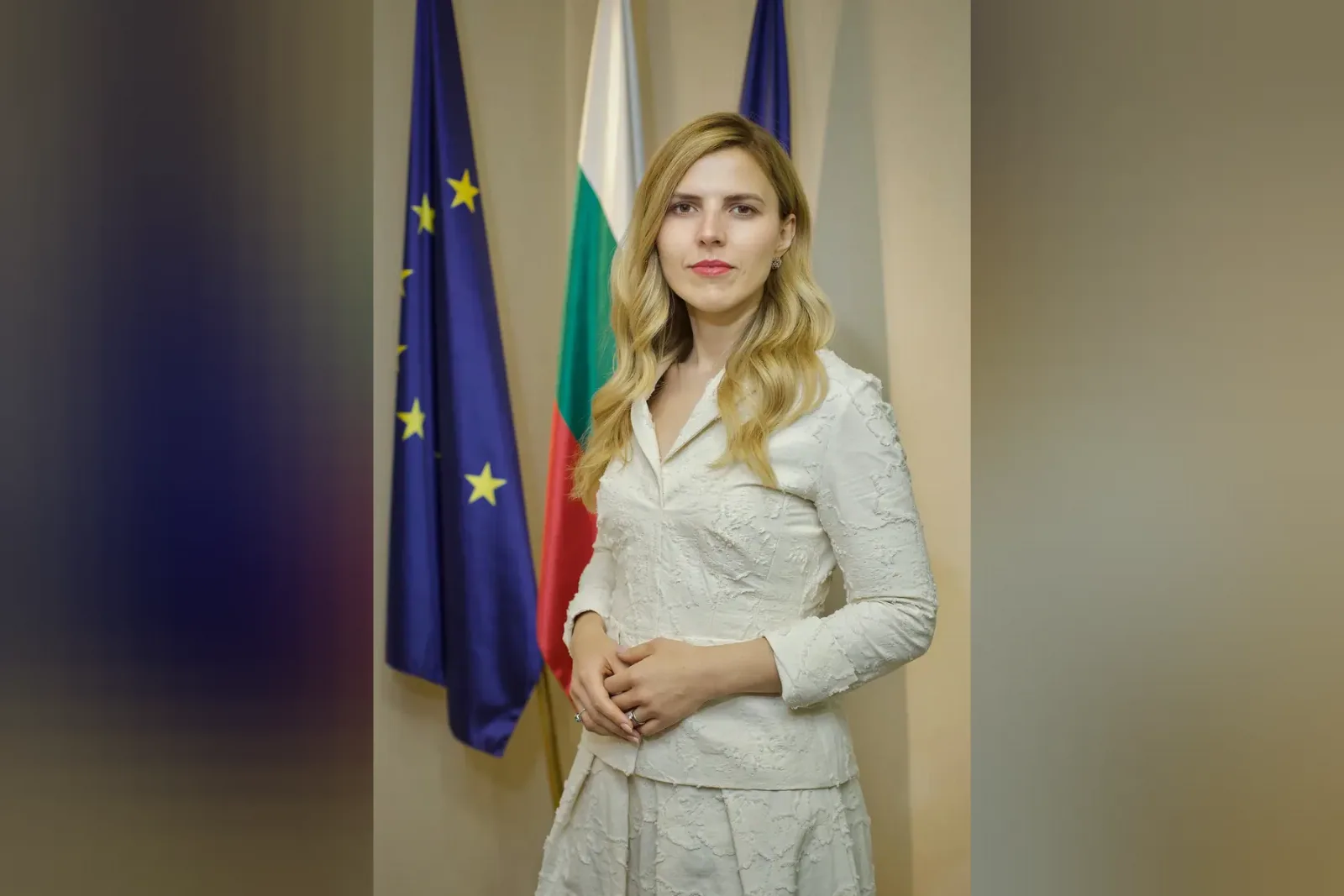
Foreign minister Velislava Petrova told MPs that no Bulgarian citizen who wanted to vote in Russia was turned away. She was speaking during parliamentary questions in the National Assembly.
She was replying to Ivelin Parvanov, an MP from Vazrazhdane, who asked why no polling station was opened in St Petersburg for the vote for president and vice president.
Petrova said the ambassador in Moscow gave three reasons against a station there, and the Central Election Commission (CIK) decided on that basis. Bulgarians could vote once they were put on the lists in Moscow.
The first reason is that Bulgaria no longer has a diplomatic or consular presence in St Petersburg, so nobody there could run the election or be responsible for it. The second is that there is no guarantee Russia would allow voting in a city with no diplomatic mission.
The third is security, which the minister called the most important. It is new since the start of the year: in recent months conditions in Russia have worsened, and the safety of commission members and a normal election day cannot be guaranteed.
"We cannot guarantee the safe transport of ballot papers and voting machines between Moscow and St Petersburg," Petrova said.
Parvanov's second question concerned voters registered at the embassy polling station in Moscow for the 19 April parliamentary election. He called what happened "an interesting but worrying anomaly".
Parvanov said station members saw registered people who presented themselves as Bulgarians but neither speak nor read Bulgarian, and who wrote only "village" as their address. The commission considers it possible that they were brought from Bulgarian villages in southern Ukraine, and that the embassy in Moscow or another Bulgarian diplomatic mission issued their documents in a rush, the MP said. He said the law clearly requires a command of Bulgarian.
In Moscow, 58 people applied online through the CIK, while 340 voters cast ballots at the embassy station. The Electoral Code lets voters be added on election day, and 290 of them were added that way.
Petrova declined to answer on the substance without specific data. If the MP has evidence of violations, it should go to the prosecutor's office and the interior ministry, she said.
The foreign ministry has no access to the contents of the voter lists, the minister added. Members of polling station commissions abroad work under the CIK and are personally responsible as officials.
Petrova said the Electoral Code does not require voters to speak Bulgarian, only to hold Bulgarian citizenship and a valid ID.


Comments (1)
санкт петербург ли? абе, кво става там бе!