
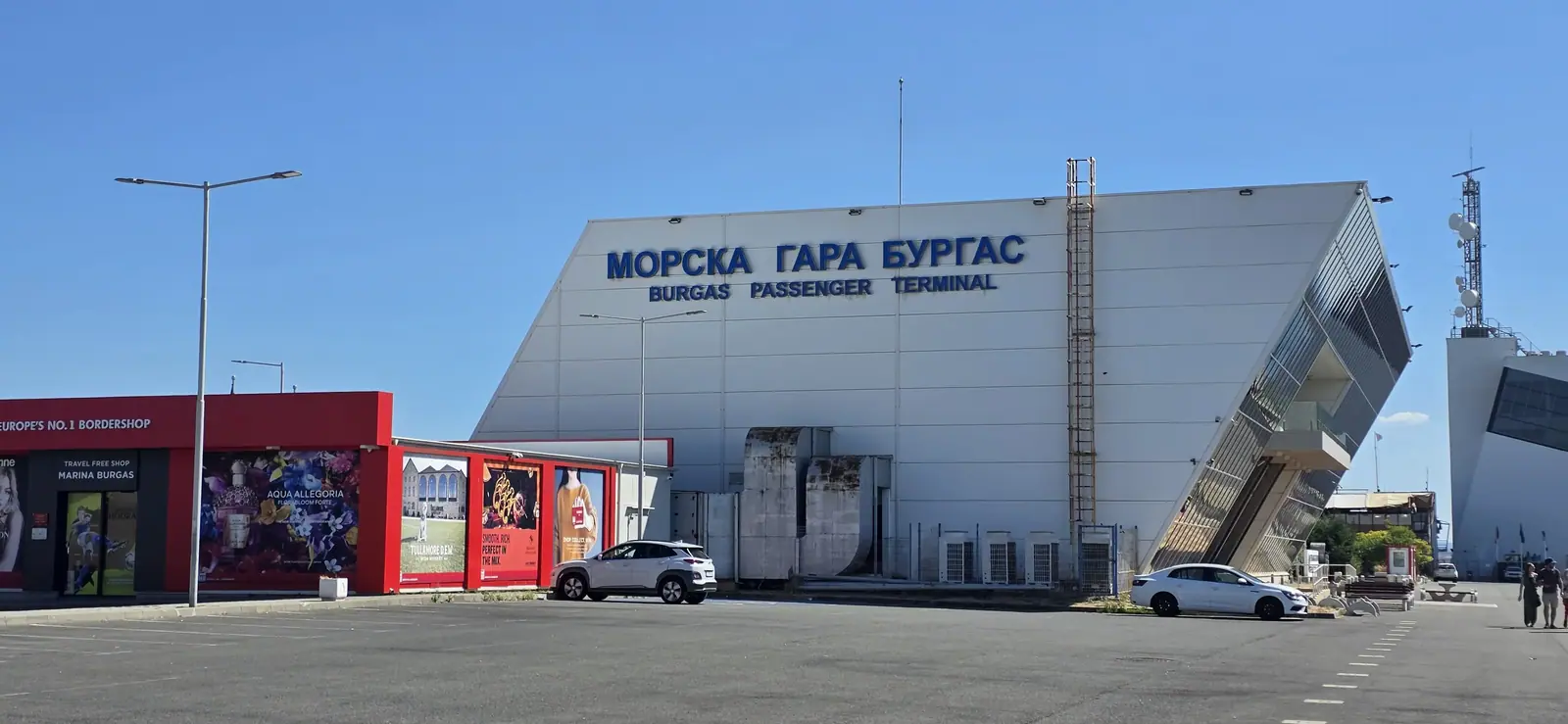
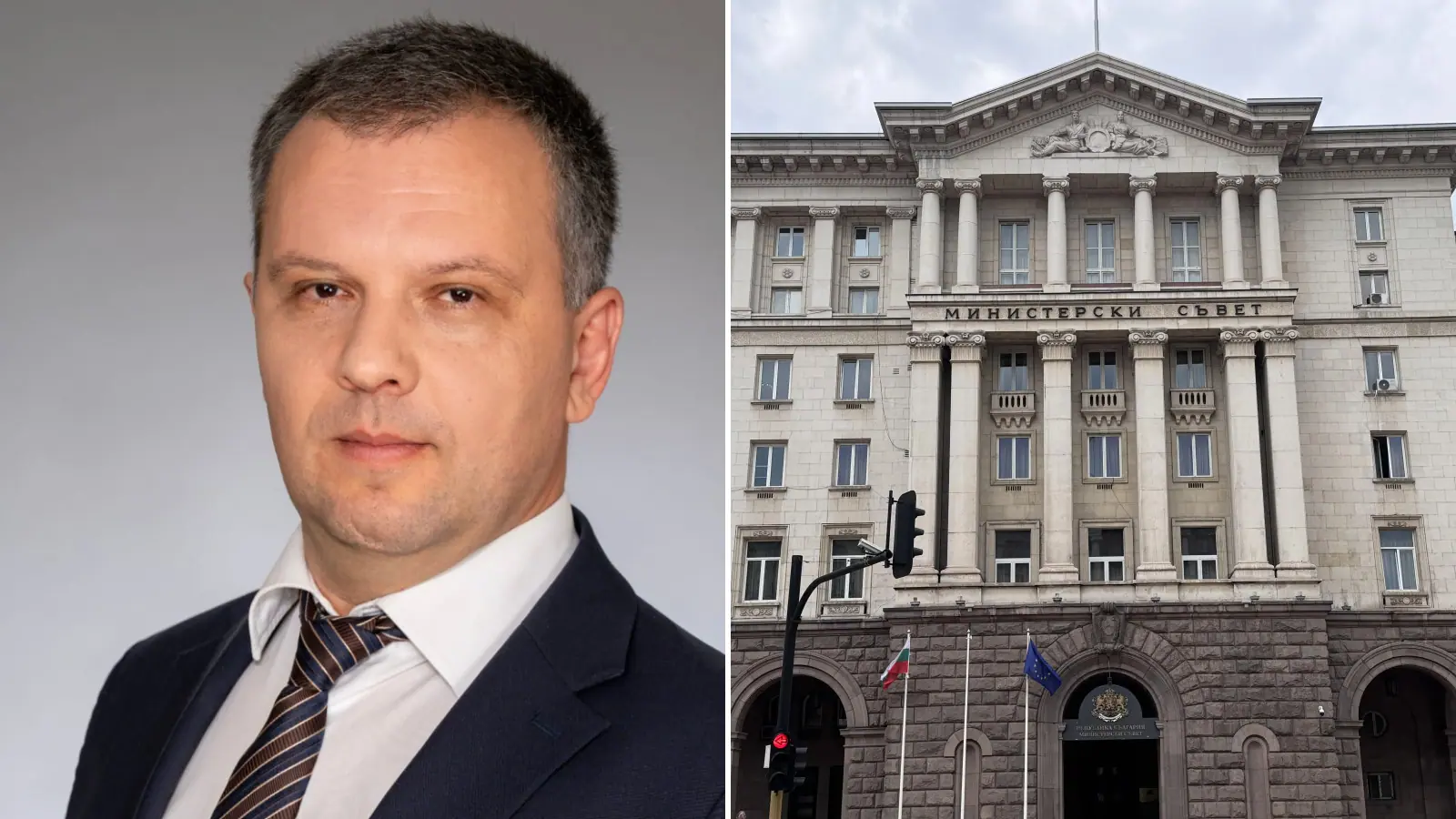
Bulgaria, Greece and Romania have agreed a joint plan for 25 cross-border transport projects worth about €22.8bn. Better links to the ports of Varna, Burgas and Ruse are among its main aims. Transport and communications minister Georgi Peev gave details at the 7th Sofia Economic Forum, which is organised by the Delphi Economic Forum.
The three countries signed the Action Plan in Brussels in September 2026, under the auspices of EU commissioner Apostolos Tzitzikostas. It follows a 2025 memorandum of understanding on the Black Sea–Aegean Sea corridor platform.
The plan includes upgrading rail links between the three countries, building new bridges over the Danube and adding capacity to existing routes. The aim is to keep transport across the region moving without breaks.
Bulgaria wants to become a "gateway" between Europe, the Western Balkans and the Black Sea region, Peev said. He said the main problem is weak north-south links, because Bulgaria's roads and railways were built mostly along an east-west line. Links from the Danube through the interior to the Aegean Sea have limits.
The ministry is looking for joint projects with Greece and Romania along three north-south routes: Western, Central and Eastern. The corridors should link border crossings, industrial and logistics hubs and ports more closely.
There are few bridges over the Danube: along a 300 km stretch in the region there are only two. Capacity on key road and rail sections is limited, and links across the Balkan Mountains need to improve.
Peev thinks north-south links should also be viewed in light of the challenging geopolitical situation. He said better links add to security and resilience in the region. Dual-use roads and railways serve both civilian transport and troop movements. The minister called closer cooperation between Bulgaria, Greece and Romania a step forward.
Projects of this size need large investment, good coordination between countries and lasting EU support. Peev admitted that limited funding is a challenge. The government is looking for private money through public-private partnerships.
The government has worked on the new approach to big projects in recent months. Instead of scattered lists of ideas, there will be a common framework for coordinated planning, and a special unit will be set up under the prime minister.
Business should bring its expertise and experience from the very start, the minister said.
Each project will be assessed on strict economic logic and on how ready it really is.



Comments (0)
No comments yet.