
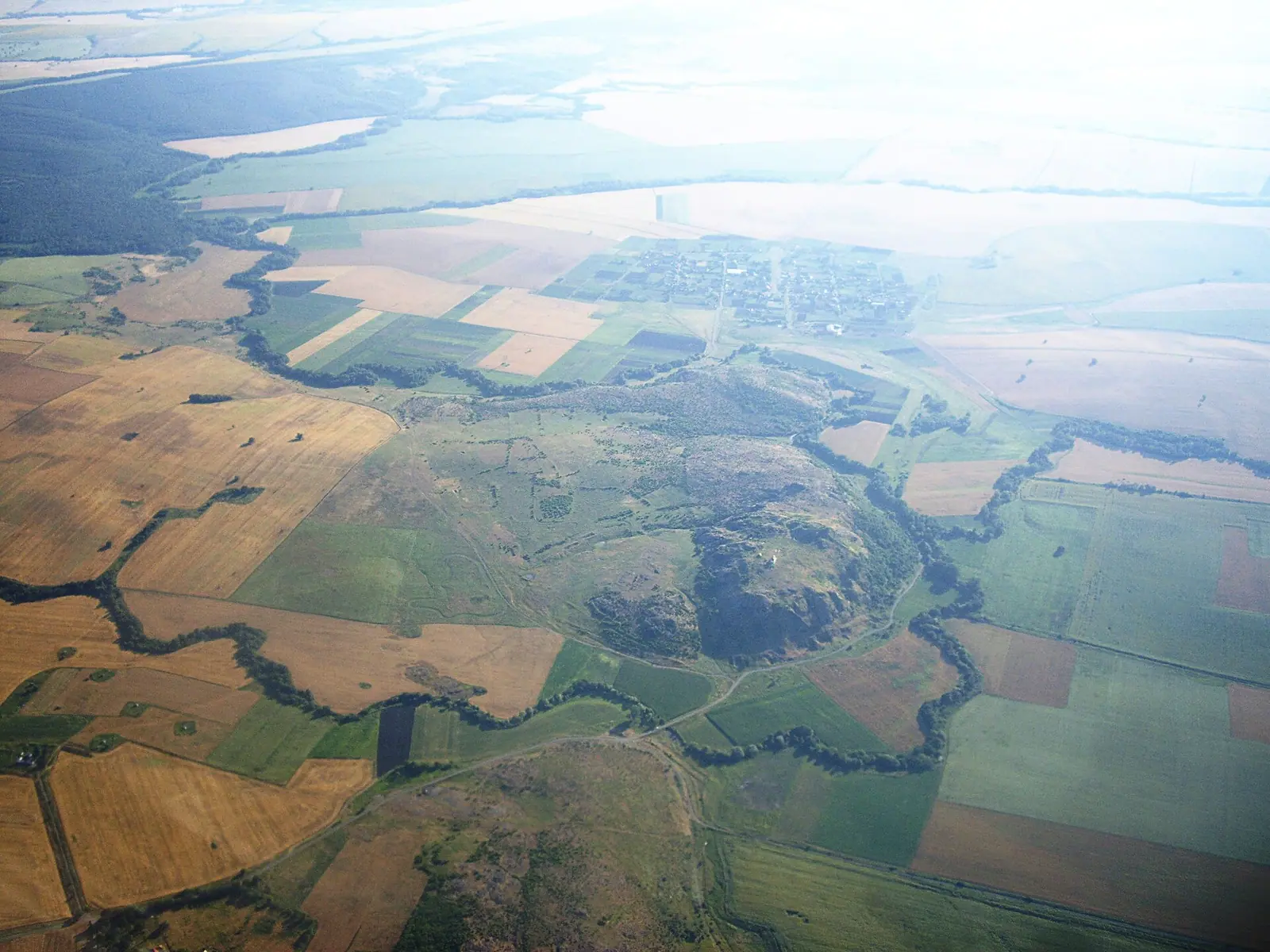
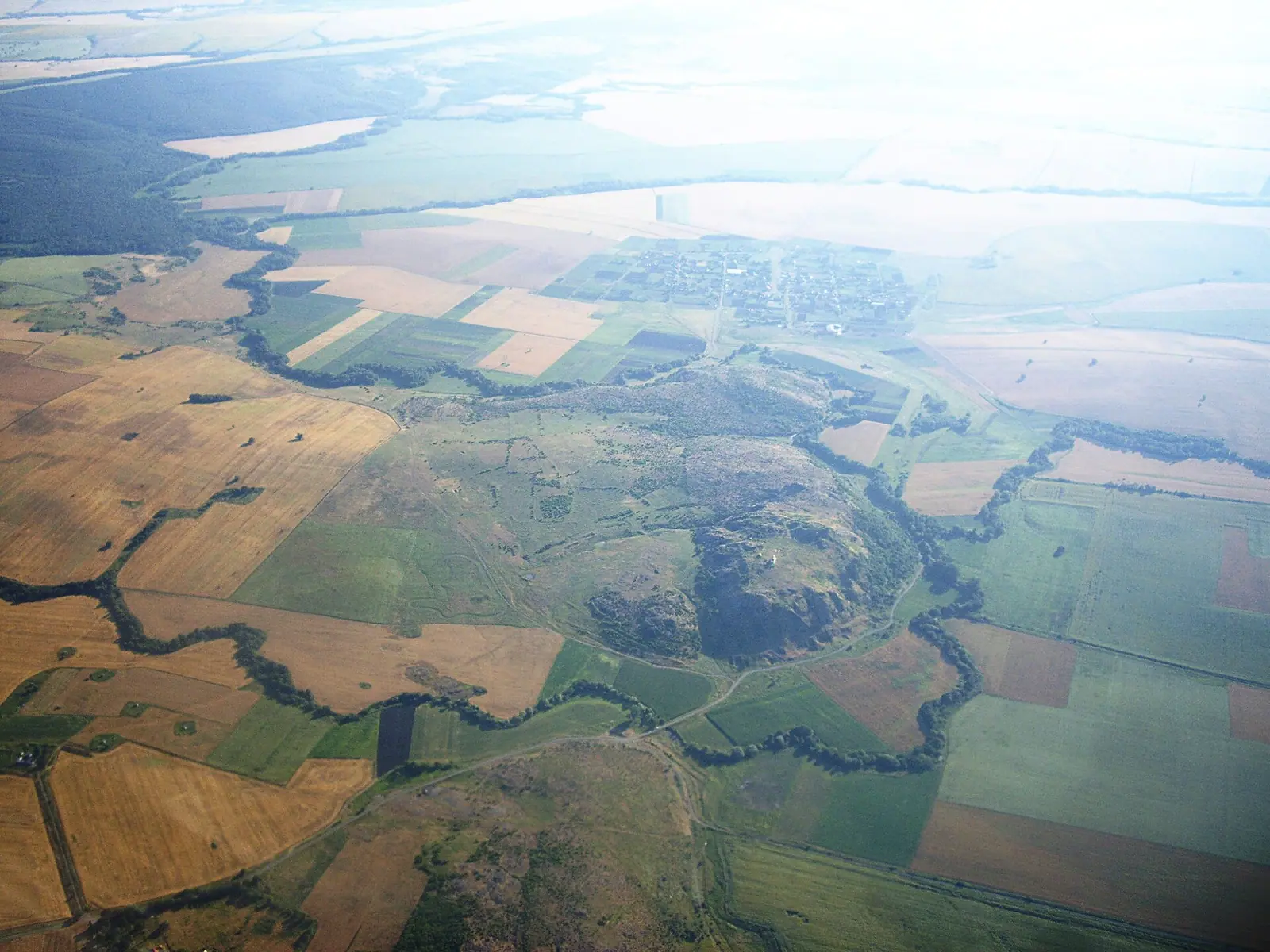
Archaeologists have discovered traces of luxury glassmaking in the southwestern part of the medieval town of Rusokastro. The find sheds light on what life was like in the fortress during the 13th and early 14th centuries.
The team found stones with glass residue still stuck to them, production waste, and fragments of finished items. They also uncovered raw material — pieces of green and blue glass ingots. According to the archaeologists, the finds lie very close to workshops where bracelets, oil lamps and other glass vessels were once made. Based on the data collected so far, the craft workshops in Rusokastro were active precisely during the 13th century and the very beginning of the 14th.
Glassmaking itself is a much older craft. Its earliest traces come from Mesopotamia and Egypt, dating back roughly 2,000 to 3,000 years BCE. The real breakthrough came around the 1st century BCE, when Syrian craftsmen invented the blowpipe. Thanks to this innovation, production costs dropped significantly, and glass objects were no longer a luxury reserved for the wealthy alone — they became accessible to ordinary people as well. During late antiquity and the Middle Ages, the leading producer of luxury glass — for church vessels and windows — was Byzantium. Toward the end of the 13th century, Venetian glass from the island of Murano, where as many as 8,000 people worked at the time, also became famous.
To make glass, pure quartz sand, soda and limestone must be heated to around 1,400–1,600 degrees Celsius. Shaping the objects themselves, however, happens at a much lower temperature — between 600 and 800 degrees. For now, archaeologists believe that the craftsmen in Rusokastro did not melt the sand themselves but worked with ready-made glass brought in from elsewhere.
Traces of similar production have also been found at other sites on Bulgarian territory — in Preslav, Veliko Tarnovo, Stara Zagora and elsewhere. The data from Rusokastro, however, add further evidence that the town was a major production center during the 13th and 14th centuries.
The excavations are led by the Regional Historical Museum in Burgas, with funding from the Council of Ministers of the Republic of Bulgaria and the Municipality of Kameno.
As of this year, Rusokastro has been included on Bulgaria's list of priority archaeological sites for national cultural tourism.
Коментари (0)
Все още няма коментари.