
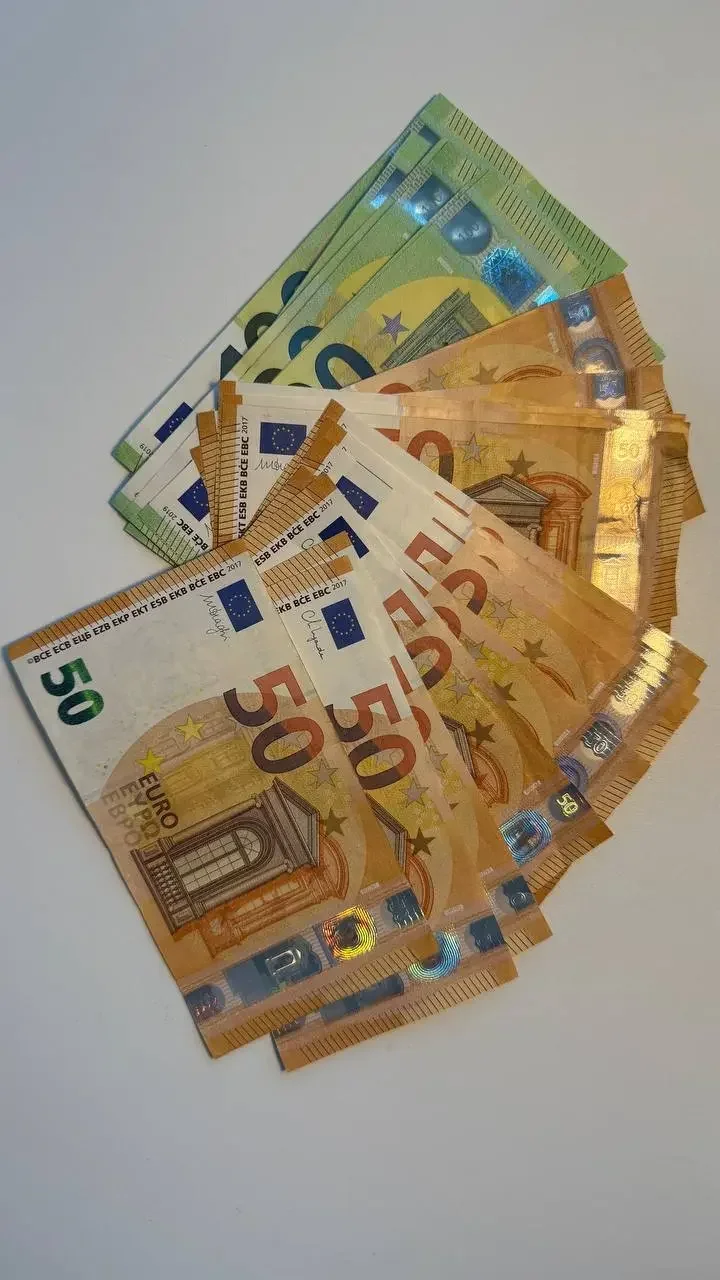
From January 1, 2026, the minimum wage in Bulgaria is officially increased from 1,077 BGN to 1,213 BGN. This increase of 136 BGN represents a growth of 12.6% compared to the previous year and applies to all employees under labor contracts in the country. The new amount was determined by Council of Ministers Decree No. 243 of November 2025 and applies to a full-time work schedule.
The increase also affects the minimum hourly rate. From the beginning of 2026, it is 7.31 BGN based on an eight-hour workday and a five-day work week. Thus, the minimum "euro wage," recalculated at an exchange rate of about 1.95583 BGN per euro, reaches approximately 620 euros per month, which is an important benchmark for workers, investors, and European partners alike.
The mechanism for determining the minimum wage in our country is now linked to the average wage. Under the current rules, the minimum wage is set at 50% of the national average wage for a specific reference period. The goal of this approach is to introduce more predictability and automatism in updating the remuneration of the lowest-income workers and to avoid political fluctuations with every change.
According to official data, the increase in the minimum wage directly affects the incomes of nearly 600,000 workers in Bulgaria. Of these, over 450,000 people receive the minimum basic salary under a labor contract. For these people, the growth means a directly higher monthly income, and for hundreds of thousands more – an indirect increase, as many employers maintain internal pay scales "anchored" to the minimum wage.
Historically, the minimum wage has grown significantly in recent years. In 2020, it was 610 BGN, in 2021 – 650 BGN, in 2022 – 710 BGN, in 2023 – 780 BGN, in 2024 – 933 BGN, and in 2025 it reached 1,077 BGN. Thus, for the period 2020–2026, the minimum wage has practically doubled, which increases the nominal "euro wage" for those with the lowest incomes.
For employers, the increase in the minimum wage means mandatory updating of the salaries of employees whose wages are below or at the new threshold. In many cases, this necessitates the signing of additional agreements to labor contracts and the review of internal wage structures. In parallel, costs for social security and labor are also rising, which is felt most strongly in sectors with a high share of low-paid personnel.
For workers receiving the minimum wage, the change is particularly noticeable against the backdrop of higher prices for food, housing, transport, and services. A higher minimum wage increases net income, improves purchasing power, and can help reduce the risk of "in-work poverty" – a situation where a person is employed, but their income is insufficient for a normal standard of living. A higher minimum "euro wage" also stimulates domestic consumption, which has a positive effect on the economy.
The increase in the minimum wage also influences a number of other payments and indicators linked to the minimum remuneration – minimum social security thresholds, certain types of benefits, social assistance thresholds, administrative fees, and others. Thus, the increase has a multi-layered effect that extends beyond the purely labor-related relationship.
In the context of the European Union, despite the significant growth, Bulgaria remains the country with the lowest minimum wage. With a "euro wage" of approximately 620 euros in our country, in countries like Luxembourg, the minimum wage exceeds 2,700 euros per month. The difference is substantial, but experts note that Bulgaria is among the countries with the highest rate of increase in minimum remuneration in the EU in recent years.
Expectations for the coming years are that the minimum wage will continue to grow, following the "50% of the average wage" principle. With sustainable growth of the economy and incomes, this would mean a gradual increase in the minimum wage and a faster convergence of the Bulgarian "euro wage" toward average European levels. The main challenge remains the balance – for incomes to grow fast enough to raise the standard of living without undermining business competitiveness.
You may also like

In conclusion, the minimum wage in Bulgaria in 2026 of 1,213 BGN is the highest in the country's history. The 12.6% increase affects hundreds of thousands of workers and has a serious impact on both family budgets and enterprise costs. Although Bulgaria retains the last place in the EU in terms of the amount of minimum remuneration, the sustainable growth of the "euro wage" here is a sign of gradual, albeit difficult, convergence toward a higher standard of living.
Коментари (128)
Vasil17
21.06.2026, 11:29Абе, пичове и пички!
Добър_Софиянец
21.06.2026, 11:31Абе, Васил, к'ви сте! 1213 лв от 2026-а е добре, братче! Трябва да се радваме на всеки лев нагоре.
Mariya71
21.06.2026, 11:32Абе, Васил, пичове и пички... да, ама то все тая накрая. Докато
Georgi25
21.06.2026, 11:32Абе, Васил, я си прав. 1213 лв. - смехът е тъжен. За 😜
Ivan7
21.06.2026, 11:33Наистина ли е това най-доброто, което можем да очакваме? И защо винаги 👎
Честит_Човек
21.06.2026, 11:33ей, васил17!
gosho240@eu
21.06.2026, 11:34Абе, Васил17, к'во значи "абе, пичове и пички"? 😂 Сериозно ли си? 🙄
Georgi85
21.06.2026, 12:11ей, здравейте на всички! видях новината за новата минимална заплата от 2026-а година – 1213 лв. сигурно ще има доста дискусии около това.
Ивачев
21.06.2026, 12:13Абе, Georgi85, здрасти! Видях новината и аз, аман от тия "дискусии"! 1213 лв... да, добре е, разбира се, ама нека си го кажем – все още не стига за нормален живот. Особено в големите градове, където наемът скача като беснеещ кон!
D5AA849E
21.06.2026, 12:15Абе, Georgi85, здрасте! "Ще има доста дискусии", казваш ли? Хахаха, браво за оригиналния коментар! 🤣 Да видим какво ще извъртят тия сега...
2E598E761B
21.06.2026, 12:11евала на правителството! 1213 лева от 2026-та... макар да е малко все още, това е СТЪПКА напред за нас българите. важно е хората
sixoc838
21.06.2026, 12:13Евала за коментара, брато! Напълно съм съгласен - стъпка напред е! 1213лв от 2026-та звучи прилично, особено като се сетя какви заплати вадехме преди време... 😡
2C23DD
21.06.2026, 12:16Ей, пи4ове! Сериозно ли?! 1213 лв от 2026-та? Това значи ли че накрая ще можеме да си позволим нормален живот тука, бе?! Дано не ни излъжат пак,
huptw610
21.06.2026, 12:28Абе, хора, сериозно ли? 1213 лева... ама наистина ли това е всичко?! Да, добре е, че нещо се прави, признавам си, но все още сме на дъното на Европа с заплатите. Все едно ни гледат с микроскоп от запад! 😜
glkfzh246
21.06.2026, 12:29абе хуптв610, баси, верно каза! 😜 шестстотин евро... сякаш ще си купя апартамент в прага с тия пари! да, добре е, че нещо се движи напред, ама да не ни баламосваме. трябва яко да бутаме заплатите, за да стигнем европейските стандарти. иначе, какво гледаме – като микроскоп, точно така!
Добър_Бургазлия
21.06.2026, 12:33Абе, хора... хубаво е да се радваме на всяка малка стъпка, ама нека не се залъгваме. 1213 лева от 2026-та… Това значи, че ще си живеем все още със заплати, които са смешни в сравнение с останалата Европа. Шестстотин и нещо евро е някаква шега, наистина 🤬
B8E4421C
21.06.2026, 12:32Абе, хора, СЕРИОЗНО?! 1213 лева от 2026-та… Добре де, евала на правителството, ама нека не си хвалим много майсторлъкa. Това все още е под всякаква мярка! Шестстотин и двадесет евро, честно ли? В Европа сме, хора! Вижте какво взимат хората в Полша, в Чехия… дори в Румъния!
6902B5FA8B
21.06.2026, 12:34Абе, B8E4421C прав си напълно! 1213 лева наистина е много малко за 2026 година. И да, правителството трябва да се хвали – постигнали са нещо, но не достатъчно. Шестстотин евро е обидно, особено
Пеко
21.06.2026, 12:35Абе B8E4421C прав си на 100%! Шестстотин евро?! Смех! Ама хайде да го кажем - по-добре нещо, отколкото да се молим на ня
Лош_Българин
21.06.2026, 12:38Абе, хора, да питам... наистина ли се радваме на тези 1213 лева? Да, де, "стъпка напред" - колко още стъпки трябва да направим, за да стигнем до прилична заплата в Европа? Шестстотин и двадесет евро е смехотворно! Направо ме съмнява дали някой от властта въобще е
Пеко
21.06.2026, 12:40Абе, Лош_Българин, прав си! 620 евро са малко, но все пак
Stoyan41
21.06.2026, 12:40Ебати майка мууу! Лош Българин много правилно каза! Шестстотин и двадесет евро?! Абе, да живеем като хора, бе! Това за какво изобщо е? Да си плащаме тока, храната, горивото... Няма как!
crazy_tiger670
21.06.2026, 12:43Пффф, 1213 лева... Абе, нали уж сме в Европейския съюз? Това ли е "прогрес"? Да си помислиш колко ще струват храната, сметките, транспортът… и пак ти остават само трохи. Явно още не са
Бонов
21.06.2026, 12:45Абе, crazy_tiger670, напълно те разбирам! И аз се ядосах като видях 1213 лева... Наистина ли това е всичко?! Да, вярно е, че имаме нужда от още много работа, за да може хората да живеят прилично. Но недей да забравяш, че преди години минималната беше смехотворна – под 500 кинта! Помня каква беше борбата тогава, помня какви лишения преживяхме...
B7249FD9
21.06.2026, 12:45здравейте, хора!
ddxueh578
21.06.2026, 13:20Ех, пак новина... 1213 лева от 2026 година... Абе, питам аз – к'ви са тия минимални заплати?! Шестстотин евро! Да си гледаме истините в очите - все още сме на
pro_angel498
21.06.2026, 13:24Абе, ddxueh578, к'ви "истини" гледаш, бе? Шестстотин евро са малко, да, ама виж откъде тръгнахме! Преди 10-20 години хората на минимална заплата живееха като просяци. Се
dark_master137
21.06.2026, 13:24Абе, сериозно?! Шестстотин евро са ни достатъчни за нормален живот?! 🤦♀️ Да си гледаме истините в очите – все още сме далеч от европейските станда
rpvdhh461
21.06.2026, 13:20Абе, да ви кажа... 1213 лв? Това ли е стандарта? Явно още си я караме кат бабичките с пенсиите
3B7BAB
21.06.2026, 13:21Абе, ей хора, я цитирам Yordan81 - баба му на минималната! 😅 Серио 🙄
41C8038310
21.06.2026, 13:22Абе, пичове, я се успокойте малко. Да, 1213лв не е мечта, ама да не забравяме от къде дойдохме
Стеко
21.06.2026, 13:24Абе, вие се оплаквате за 1213 лв? Ама хайде де! По-добре от нищо! Вижте сега, важното е че вървим напред. Членуваме в ЕС, получаваме еврофондове, инвестиции... И да, не сме Швейцария или Германия, ама и те не са се родили с тези банки и пари.
Dimi64
21.06.2026, 13:24Абе, баси, хора! Читат коментарите тука и ми иде да се разплача от яд! "Баба му на минималната!", пише един... Ами да, Yordan81 прав си, ама вместо да се оплакваме като стари бабички, трябва да гледаме по-добре какво се случва. 1213 лева са МНОГО повече отколкото беше преди! И то не е само увеличение, а е и благодарение на Европа! Без европейските фондове, без тези правила за минимална заплата, ще си я карахме кат в средновековието
EEEA2AD9AD
21.06.2026, 13:28Евала за увеличението, ама все още е малко! тряб да го докараме заплатата до евро стандартите
ivan987@mail
21.06.2026, 13:32Абе, чакай малко! 620 евро ли казвате?! Ами нормално ли е да си на минимална заплата и да
Yordan81
21.06.2026, 13:48Аааа, пак ли за тая минимална заплата? Сериозно ли хора? 1213 лева от 2026-та... Я цитирам един мой стар дядо: "Баба му на минималната!" Шестстотин евро, значи. Да си спомним колко пъти ни говореха за европейски стандарти и благоденствие. Ама аз питам – къде е тоя благоденствие? За какво ще ги харчат тия пари, като цените скачат все едно съм на въртележка? 😅
mega_legend
21.06.2026, 13:49Абе, Йордане, прав си до живот! 😅 Тоя дядо направо ме разби с "Баба му на минималната!". И аз съм на принципа - говориха ни за европейски стандарти, а аз виждам само как инфлацията яде заплатите. Шестстотин евро... ама да се живее с това? Сериозно ли някой си мисли, че е благоденствие?! 🤦♂️
jingz834
21.06.2026, 13:52Абе хора, да се чудите как стигнахме до тук... 1213 лева? Добре де, похвално е увеличението, ама нека не се заблуждаваме.
FABBA6
21.06.2026, 13:56Ясно! Ето моя отговор: 🤷♂️
dkwv168
21.06.2026, 13:57Абе, хора... Jingz834 прав е. 1213 лв. – не са шега работа, ама и
mega_wolf
21.06.2026, 14:39прав е стеко! честно казано, много хора тук все търсят повод да се оплачат, но да видим реално – 1213 лв. от януари 2026 г. си е доста прилично увеличение и показва, че правителството (както и ес) правят стъпки към подобряване на стандарта
Рачев
21.06.2026, 15:38пак ли с тия минимални?! 1213 лв... абе, добре де, увеличение има, ама да се правят на ударени, че решава проблема? това е като да лекуваш теж
Истински_Патриот
21.06.2026, 15:41Абе, Рачев прав си донякъде, ама пак се движим напред! Важното е да гледаме и
Ничев
21.06.2026, 15:42Абе, Рачев, прав си донякъде... ама виж сега, к'во става с тия минимални заплати. Все едно си правим саморъчно гадаене на бъдещето - качваме малко, инфлацията яде това, което сме направили и пак сме там.
Вачев
21.06.2026, 15:39Абе хора, браво на правителството и на ЕС, че се грижат за хората! 1213 лв от 2026-та е сериозно, наистина. Особено като гледам как другите държави се дърпат в това отношение. Пък и да си признаем, все пак сме България, не Швейцария! Важното е 😡
Vasil41
21.06.2026, 15:58Абе тва 1213 лв - достатъчно ли е за квартира в София бе?! 😂 Сериозно,
cool_king
21.06.2026, 16:00Vasil41, съгласен съм напълно! 😂 1213 кинта за София? ХАХАХА... Смешно е, но и малко тъжно. Да, хубаво е, че се вдига минималната, и похвала на правителството (доколкото може да се хвали някой), ама да не си правим слънчеви бани в илюзиите. Ин
Yordan69
21.06.2026, 17:13Абе... ама честно казано, Вачев си прав за ЕС-а. Без тях нямаше да видим подобрения. Явно се полагат някакви усилия, все пак. 1213 лева – далеч от идеалното, разбира се, но по-добре от нищо. Главният въпрос е дали ще стига за хляб и м
Боко
21.06.2026, 17:16Абе, Yordan69, ти верно ЛИ си мислиш, че само ЕС е виновен/повинен? Да, помагат, ясно е,
Пешко
21.06.2026, 17:13Абе хора, сериозно ли?! 1213 лева от 2026-та... добре де, нещо се случва, признавам си. Но все още е малко! Много малко, като за живота в тая държава.
pesho45@mail
21.06.2026, 17:17абе пешко, прав си напълно! 1213 лева… ама 4акай малко – сериозно ли това е "сериозен" прогрес? да, нещо се случва, както казваш, но да не се заблуждаваме - пак е смешно малко. шестстотин евро, братче?! това за какво ще стигне в софия, а и извън нея като цените все така растат?!
Yordan16
21.06.2026, 17:18Абе, Пешко, брато, прав си напълно! 1213 лева... ама хайде да се радваме малко, де! По-добре от нищо е, нали? Видя ли, че правим стъпки напред?! Ама т'ва да не ни успокоява, ясно!
Dimi72
21.06.2026, 17:29Хм... 1213 лева от 2026-та... Все едно казваме, че ще има промяна, но каква всъщност? Да, похвално е увеличението, разбира се. Показва, че сме в пътя към европейските стандарти, което е ключово за
Dimi91
21.06.2026, 17:30Здравей Dimi72, напълно съм съгласен с теб! 1213 лв. е стъпка в правилна посока, определено. Важното е да продължаваме да се движим към европейските стандарти и да не позволяваме на някой да ни връща назад – знаеш какви са тия. Европа ни дава възможности за развитие и стабилност, а ние
Stoyan86
21.06.2026, 17:38Абе хора, да се разбере едно нщо! 1213 лева са добре, разбира се – все пак показваме прогрес. Но да не си правим сметки само с тези цифри. Важно е да гледаме и в по-широк план - членството ни
rohqxx435
21.06.2026, 17:41абе stoyan86, точно така каза! не е само в цифрите, а в развитието! че сме в европа си е огромна работа – дано все повече хора го разберат и оценят. всичко това с минималната заплата е стъ
efraw630
21.06.2026, 18:09абе, 1213 лева... сериозно ли това ни е прогресът?! да, добре е, че се качва, ама чакай малко - наистина ли ще стига за нещо след година-две? цените на всичко скачат, инфлацията яде главите ни!
Добър_Човек
21.06.2026, 18:13Ебаси, efraw630, права си напълно! 1213 лв. май звучат добре на хартия, ама реално... дали наистина ще покриват основните нужди след малко? Инфлацията си е инфлация, а цените не спират да растат. 😂
Луд_Бургазлия
21.06.2026, 18:42Абе хора, добре е увеличението на минималната заплата, наистина! 1213 лева са нещо, което трябва да се оцени. Но нека си го кажем честно - все още имаме много работа за вършене. Важно е не само колко пари получаваме, а и как ги харчим. Цените на храната, горивата, жилищата… всичко скача!
Истински_Реалист
21.06.2026, 18:43Абе хора, наистина ли се кефите на тия 1213 лева? Да, добре е, че нщо се прави, ама да си го кажа направо - все едно хвърляш трохи на гладните! Шестстотин евро, викате... Ама за какво ще стигнат?! За малко храна и една сметка за ток
Mariya60
21.06.2026, 19:40Абе, хора, писна ми да слушам все оплаквания! Да, 1213 лева не са много, разбира се – все пак живеем в България, а не в Швейцария! Но хайде де, да видим малко по-оптимистично. Шестстотин евро, викате? Това е *повече* от преди! И да, цените скачат, ама какво очаквахме – все едно живеем на Луната?
Добър_Софиянец
21.06.2026, 19:40Абе, сериозно ли? 1213 лв през
Добър_Реалист
21.06.2026, 19:42Абе, Добър_Софиянец, аз пък си представям как ще се хвалят в Кремъл, че сме "най-слабата връ
Yordan78
21.06.2026, 20:21Абе хора, к'во става с тая държава?! 1213 лева... да, хубаво е, че се вдига, ама погледнете ясна картинка: 620 евро през 2026-та... след още две години инфлация! Това е като да ти подарят една баничка и после да си купиш само коричките.
Тоно
21.06.2026, 20:22Прав си, Yordan78, напълно разбирам твоя гняв и разочарование. Наистина е трудно да видиш как минималната заплата расте, а все пак усещаш, че парите ти се топят бързо. Но нека да погледнем нещата малко по-широко.
ivan155@abv
21.06.2026, 20:23Абе, хора, стега вече с тоя оптимизъм на всяка цена! 1213 лева... Да, добре е, че нещо се движим, ама да си го кажем направо – тая минимална заплата все още е смехотворна. Шестстотин евро? Браво, супер яко, ама да плащаш сметките и да се храниш нормално с толкова пари в София или Пловдив... хахаха!
Georgi25
21.06.2026, 20:27абе, прав си, иван155@abv. не може да се прави сякаш с тия 1213 лева някой ще си живее царски. шестстотин евро... еми, стига за едно кафе на ден и един хляб. нищо повече.
A7F9DEA198
21.06.2026, 20:48Амиии... 620 евро. Добре де, поне вървим напред. Важно е да гледаме какво ще стане
Луд_Човек
21.06.2026, 20:52Абе баце, A7F9DEA198 прав си, вървим напред! Но да не се залъгваме – 620 евро са все пак доста малко, ама пък е голяма стъпка от времето, когато работеха за жълъзи. Важното е, че сме в Европа и следваме европейските стандарти, а Русия... те си имат свои проблеми с техните "достойни" заплати, деба!
jgxgcbcv58
21.06.2026, 20:50Абе, наистина ли? 1213 лева... и к'во, това достатъчно ли е да си европее
Нишко
21.06.2026, 20:52Абе, европеец с 620 евро ли? Ха
Petar75
21.06.2026, 20:58Абе хора, вие сте гении! Направо ми просветлявате дните със смешките си! (шегувам се, разбира се).
ultra_king848
21.06.2026, 21:02абе петре, "гении" ли? ха-ха, дано не ни излъжат пак като с другите обещания! 1213 лв... да видим дали ще стиг
EF2980
21.06.2026, 21:02Абе хора, направо ми става лошо като чета коментари... 1213 лв. е стъпка в правилната посока, да, но Георги много прав - шестстотин евро все още са малко! Не може да се живее с тия пари при инфлацията, особено тук, в
Dimi95
21.06.2026, 21:31Абе, 1213 лв? Хем добре, хем не. Шестстотин евро все пак са доста малко за нормален живот в Европа. Трябва още да
Stoyan35
21.06.2026, 21:31Абе, хора, сериозно ли? 1213 лв.?! Да, добре е, че нещо се случва, ама чакай малко... 620 евро пак са смешни пари! Направо си представям как ще се оправят хората с тия кинти - храна, ток, газ... Ужас!
iptt636
21.06.2026, 21:43Хм... 1213 лева... Чудя се дали наистина това е достатъ4но. Да, добър знак е, че продължаваме да я вдигаме минималната заплата, но трябва да си признаем – все още сме доста далеч от прилични стандарти на живот, особено ако сравня
2613354B
21.06.2026, 21:46Абе, сериозно ли все още говорим за "прилични стандарти"? 😅 Все едно да питаме дали кравата ще полети. Да, добре е, че вдигат заплатата, ама нали 😁
iycyv317
21.06.2026, 21:47Абе, iptt636 прав си напълно! 1213 лева наистина не са нещо кой знае какво, особенно като гледам как цените на зеленчуците в кварталната бакалия вече струват повече от стара кола. Ама хайде де, поне се движим напред, нали? Важно 🇧🇬
nhrnb156
21.06.2026, 21:47Абе верно е, iptt636, че все още има много да се прави. Но все пак е стъпка напред, особено като гледаме какви бяха заплатите преди години!
Нико
21.06.2026, 21:43Браво, правим стъпки напред, ама 1213 лв. все още не са достатъчни за нормален живот. Шестстотин евро... деба! Трябва да се
Добър_Бургазлия
21.06.2026, 22:33абе, 1213 лв? супер, нали така? да видим дали ще стигне за хляб и олио до края на месеца... еврото е евро, ама тука си живеем. важното е да сме в ес и да
08A980B5
21.06.2026, 23:00Абе, пич, 1213 лв? Сериозно ли това ни е прогреса? Шестстотин евро... значи да се молим на Господ да не скочат цените пак, а? Щото иначе кво остава – да си гледаме бюджета като каруца без колела 👍
snxfg890
21.06.2026, 23:02Абе, 1213 лева от януари? Добре де, ама наистина ли ще усети някой разлика или
pesho305@mail
21.06.2026, 23:21Абе хора, 1213 лева… Па то е добре, че нещо се прави все пак, ама кво да го правят тия евро-бюрократи с техните конвертори? Все
603A75
21.06.2026, 23:23Абе, кво говориш бе, Pesho?! Евро-бюрократи ли са виновни сега?! Честна дума, по-добре да има нещо отколкото нищо, ама 1213 лв
Рако
21.06.2026, 23:58ей, хора! 1213 лева, значи? да, добре е, че се качват заплатите, ама... кво да го правя аз с тия левчета, бе?! инфлацията яде всичко наред! шестстотин евро… трябва ни много повече, за да живеем нормално.
juliyp928
22.06.2026, 00:03Рако, прав си напълно, човече! И аз се чувствам така. 1213 лева... звучи добре на хартия, но в реалността инфлацията е като звяр, който постоянно яде от бюджета ни. Шестстотин евро са смешни пари за днес – даже и за елементарно прилично ниво на живот, без да говорим за нещо повече.
Прав_Граждан
22.06.2026, 00:02Абе, пич… 1213 лева? 🤦♂️ Да бе, супер яко! Шестстотин евро... сякаш ще ни оправи живота. За т'ва си е работа, да си гле
EF43BF09
22.06.2026, 00:09Ей, хора! 1213 лв?! Накра
Ivan58
22.06.2026, 00:19Абе, хора... четох коментарите долу и нещо ме гложди. 1213 лева – да, добре е, не споря, стъпка напред винаги е стъпка напред. Но все пак... наистина ли вярваме, че тази сума ще реши проблемите на работещите хора?
user374@eu
22.06.2026, 00:24Абе Иван58, прав си 100%! Не е тая работа само с минималната заплата... Да, хубаво е, че нещо се прави, ама да не се залъгваме - 1213 лв. все още са малко за нормален живот, особено като гледам как цените скачат!
Пелов
22.06.2026, 00:42Абе, наистина ли толкова ни е нивото? 120
Прав_Софиянец
22.06.2026, 00:43ебати, пак нещо… 1213? добре де, ама к’ви са тия пари все едно. с
ultra_hero
22.06.2026, 01:08абе, 1213 лева… хахах. да де, "стъпка напред", ама к’во да го правя с една стъпка като ми трябт поне три, за да си позволя нормална кола, аман! ясно е, че и така ще има фирми, които ще се опитват да заобикалят закона. и 🤷♂️
real29@bg
22.06.2026, 01:43Браво на правителството! Стъпка в правилната посока, 1213 лв са ОК! 💪 Дано
pro_king
22.06.2026, 01:51Аааа, пак новина за заплати! 😂 1213 лева... добре де, ама да не се прави на луд после някой, че "нямало пари" за пенсиите! Все едно си играем на числотии! Важното е
wizbpv614
22.06.2026, 01:53Евала pro_king, брат! 😂 Точно така си го казал! Все едно гледаме акробатика с числа, а после някой се прави на изненадан, че пенсиите са трагични. Аман от тия! 1
65250E7032
22.06.2026, 01:54Ей, pro_king! 😂 Точно така си прав, ама виж сега - 1213 лв са все пак стъпка напред, нали? Не е много, да,
AC5D08FBEB
22.06.2026, 02:00Абе, сериозно ли?! 1213 лева през 2026-а... *вдига очи към небето* Да си задам един въпрос – това достатъчно ли е, за да живееш достойно в тази държава, бе? Не говоря за лукс, ами за нормални неща - храна, отопление, гориво… Аман от тези половинчати мерки! 👏
Ивашко
22.06.2026, 02:02Абе, хора, хора! Видях коментарите, ама аз ще добавя нщо... Да, 1213 лева, добре де, по-добре от нищо. Но да си го кажем честно – пак е малко. Все едно да ти дадат трохи и очакват да се наядеш.
Точев
22.06.2026, 02:01Ах, тази новина... 1213 лева. Пиша го набързо от телефона, защото току-що приключих вечерята и ми е малко тежко. Но трябва да кажа нещо - чувствам се... смесица от облекчение и разочарование, ако мога така да се изразя. 😅
Стешко
22.06.2026, 02:03Абе Точев, баси, верно те разбирам за тая смесица от емоции. 1213 лв все пак е нщо, ама... инфлацията си знае работата, нали? Все едно да си купиш хляб и да го оставиш на слънце - бързо се изсушава.
Georgi75
22.06.2026, 02:20Абе, тва с минималната заплата пак ли? 1213 лева... Сериозно ли някой си мисли, че това ще реши проблемите на хората? Да живееш при тези цени, с инфлация, която не спира
rqydq185
22.06.2026, 03:03Абе хора, здравейте! Виждам мн коментари тук и искам да кажа няколко думи по въпроса с минималната заплата. 1213 лева... Не е нещо грандиозно, ясно е на всички. Но трябва да се гледа в перспектива
Mariya16
22.06.2026, 03:23Абе хоря, какво да ви кажа... 1213 лева. Да, радвам се, че има увеличение, наистина. Все пак нещо се прави за хората, което си е добре, ами то все пак трябва и минимален стандарт да има. Но седя си аз тука и си мисля - дали това изобщо е достатъчно?
Гено
22.06.2026, 03:50Ебати напредъка! 1213 лв от 2026-та? Сериозно ли?! Това не е ли стъпка в правилната посока, към по-доб
Stoyan23
22.06.2026, 04:22абе, пич, 1213 лв... значи ли нещо всъщност? радвам се, че става увеличение, де, все пак трябва да има някакъв прогрес в тая държава. но не мога да спра да мисля - как ще издържи един човек с тия пари? наеми
Пенов
22.06.2026, 04:29Ахах, 1213 лв през 2026? Браво само
real_king368
22.06.2026, 04:32Ох, хора, хора! Видях новината за минималната заплата от 2026-та година – 1213 лв.! Браво на правителството, браво на Европа, че ни държат в крак с цивилизацията! Направо си е чудото как успяваме да се развиваме, особено след всички тия трудности и опитите на някои… *ами вие знаете кой*… да саботират развитието ни.
Stoyan28
22.06.2026, 04:36Абе, real_king368, точно така! Напълно си прав! Браво на Европа, че ни бутат напред, а не назад като някои други... деба, да се махат оттам! 1213 лв е яко, ама все още има много за вършене. Трябва
Vasil10
22.06.2026, 04:52абе, 1213... добре де, нещо се случва все пак. за европа да сме, за да има някакви заплати нормални. все тая, като гледам цените как скачат... ама поне е повече от нищо, значи има
Petar55
22.06.2026, 04:56Абе, Васил10, прав си човече, нещо се случва... ама като гледам как я караме с тия цени, все едно ни вдигат заплатата на евро, а после ни ги измиват с инфлацията! 😂
xsvhh959
22.06.2026, 05:29Абе, 1213... значи ли че наистина ще можем да си платим сметките, или пак някаква шега с нас правят
real_boss
22.06.2026, 05:33Абе, хора, добре е, че се вдига заплатата! По-добре нещо, отколкото нищо, нали? Дано да сти
zkmp91
22.06.2026, 06:18Пак ли?! 1213 лева… Абе, хора, смешно е! Като си гледам смет
bg944@abv
22.06.2026, 07:20Абе, хора, я да питам! 1213 лв... добре, че нещо се прави, де. Но сериозно ли? Все едно си играем на "угадай колко струва хлябът утре". Цените скачат със страшна скорост и
Dimi81
22.06.2026, 07:22Абе, сериозно ли? 1213 лв… Добре де, вдигат я, ама дали наистина ще усетим разликата? Инфлацията си е инфлация. Все тая дали е 1200 или 1250, като всичко поскъпва с бързи темпове 😁
cool_master
22.06.2026, 07:23Абе, Dimi81, пич, ти си прав до дупка! 😂 Инфлацията е като дявол - ядеш хляб за 3 кинта днес, утре - 4, след седмица - 5... и така без край. Ама хайде да се радваме на положителното – 1213 лв са малко повече от преди, все пак!
Stoyan56
22.06.2026, 08:20Браво, България! 💪 Най-сетне малко светлина в тунела за работниците! 1213 лв през 2026 - супер новина! Дано да помогне на хората да дишат по-лесно и да
Вамир
22.06.2026, 08:28ехе, 1213 лв от 2026! добре е, че се гледа напред и се вдига минима 🤷♂️
Нимир
22.06.2026, 08:31Абе, 1213 лв през '26? 😂 Аз вече си представям как инфлацията ще
ytkkt596
22.06.2026, 08:49Абе, 1213 лева през 2026... наистина ли? Значи, ще си имаме минимална заплата, която да е
real_angel
22.06.2026, 09:52Абе, тва 1213 лева за 2026... сериозно ли някой
cool_hero
22.06.2026, 09:59Абе хора, вижте сега какво! 1213 лева от 2026-та... не е много, ама поне е нещо! Честно казано, за тия пари все още си мисля, че някой няма да може да живее нормално в София или Пловдив, ама пък хайде де, поне се движи нагоре.
Пено
22.06.2026, 10:03пак ли? 1213 лева... ама да не стане като с другите увеличения - само цифра на хартия, а реално инфлацията изяжда всичко! трябва истински мерки за подкрепа на хората,
real849@gmail
22.06.2026, 11:02Абе, хора, сериозно ли?! 1213 лева през 2026-а... като че ли ни спасяват! Да си припомним, че преди няколко години минималната беше под 700 лева – има прогрес, да, но дали е достатъчен?
user754@abv
22.06.2026, 11:03Абе пич, к'во става с тая минимална?! 1213 лева… добре де, ама дали наистина ще го усетим? Все едно да си купиш Джип за 50 бона на изплащане по 50 лв. - все пак няма да го имаш веднага! 😏