
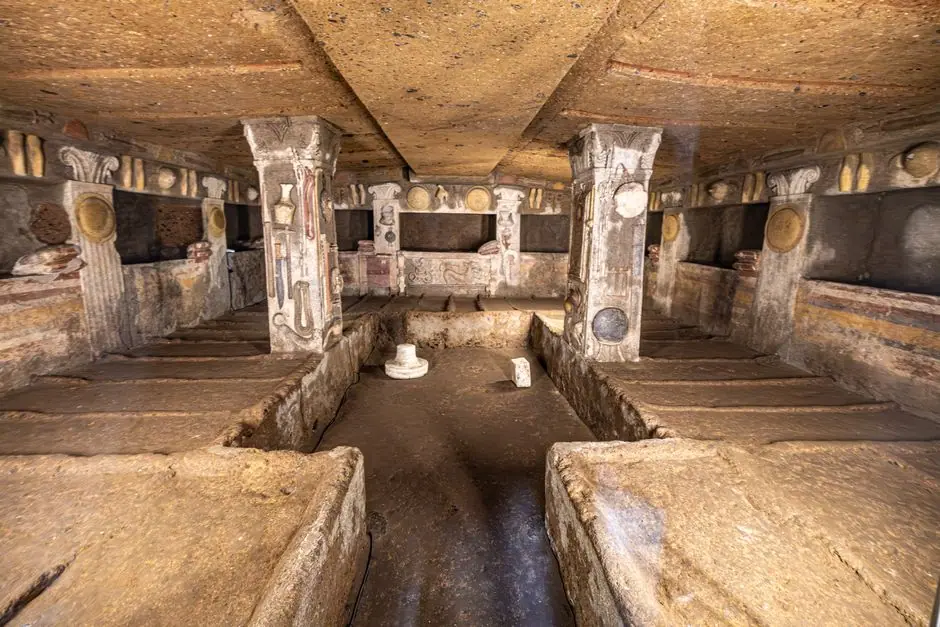
Two inscriptions in the Messapic language and painted signs on the slabs of Tomb 17 in Manduria have led archaeologists to think it belonged to a woman with religious authority linked to the cult of Demeter. The tomb dates from the 4th–3rd century BC. The identification is preliminary, and the woman's name has not yet been fully read.
This account draws on reports in specialist and popular science outlets that retell an announcement by the state archaeology service. The inscriptions have not been published in a primary scientific paper, and some outlets cite other retellings.
About 600 Messapic inscriptions
Messapic is an extinct Indo-European language of south-eastern Italy, in today's Puglia. It is neither Italic nor Greek. It is recorded from the middle of the 6th century to the 2nd century BC and died out after the Roman conquest.
About 600 inscriptions survive. Most are short tomb texts that hold only names, so the language is described as "fragmentarily known". Very few of the texts are fully understood. The script is an adapted western Greek alphabet, taken from Taranto. This means an inscription can be read as sounds without it being clear what it means.
The closest word to this topic is tabara, which Mario Lombardo of the University of Salento translated as "priestess" as far back as 2013. It appears in several Messapic tomb inscriptions.
Tomb 17 in the Messapic Walls park
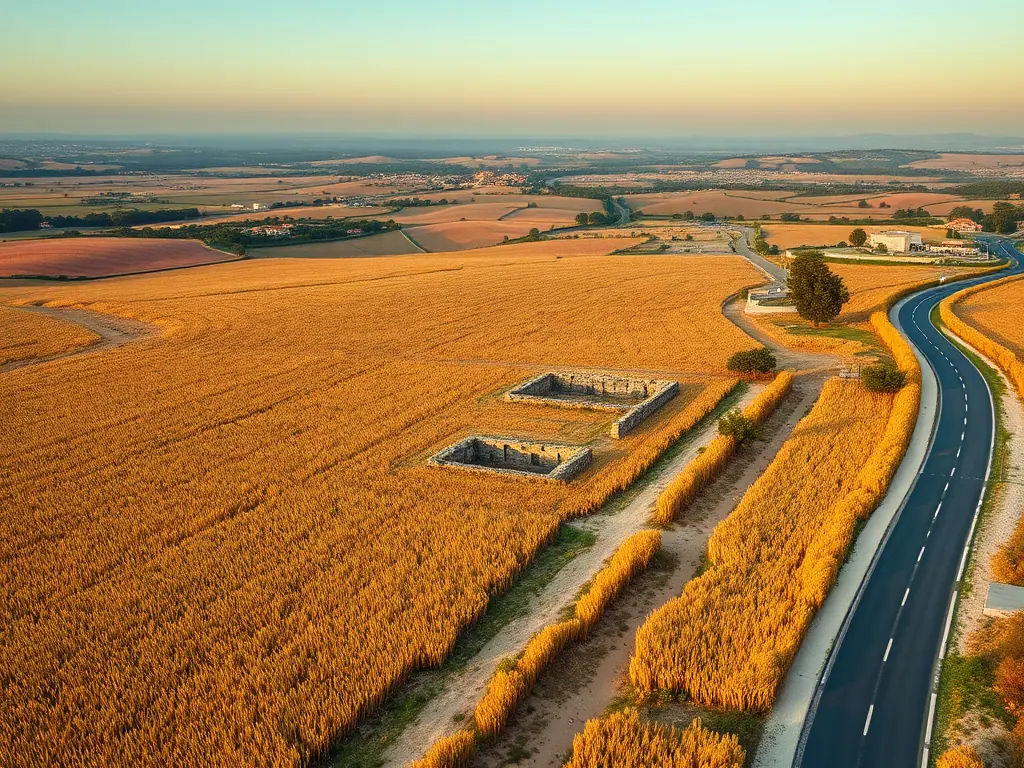
The state archaeology service for the provinces of Brindisi, Lecce and Taranto presented the find in Lecce on 29 October 2026. The Ministry of Culture pays for the excavations in the Archaeological Park of the Messapic Walls in Manduria. They have uncovered an old road and 24 burials from the 4th–3rd century BC.
The tomb is cut straight into the rock and was first sealed with three large stone slabs. The outer face of the slabs carries an engraved inscription with a woman's name, her father's name and the word tabara. Her full name is not yet known.
The second inscription is on the inner face of one slab. It has four lines and is partly damaged. It repeats tabara and contains a form that can be read as Damatrioas. Specialists are discussing whether this points to Demeter. The sources disagree on the colour of the paint: some write of red and blue, others of blue only.
The walls carry a painted meander pattern, and the slabs show figures that read as a sanctuary key and an incense burner. In Greek tradition the key is linked with priestesses, while the service says only that the figures "can be interpreted" this way.
Few objects were found. The grave was robbed, and the bones are sparse and damaged. What remains is bronze clasps, a silver ring with a snake, a silver coin from Taranto and an unidentified iron object.
What is proven: the date and the inscriptions
The date, the tomb number, the two inscriptions and the symbols are established. Who the woman was and what she did is not. According to the reports, the key can have several meanings, the images can be read in different ways, and the robbery removed part of the context. The find does not yet prove that Manduria had a priestess of Demeter in the full sense of the term.
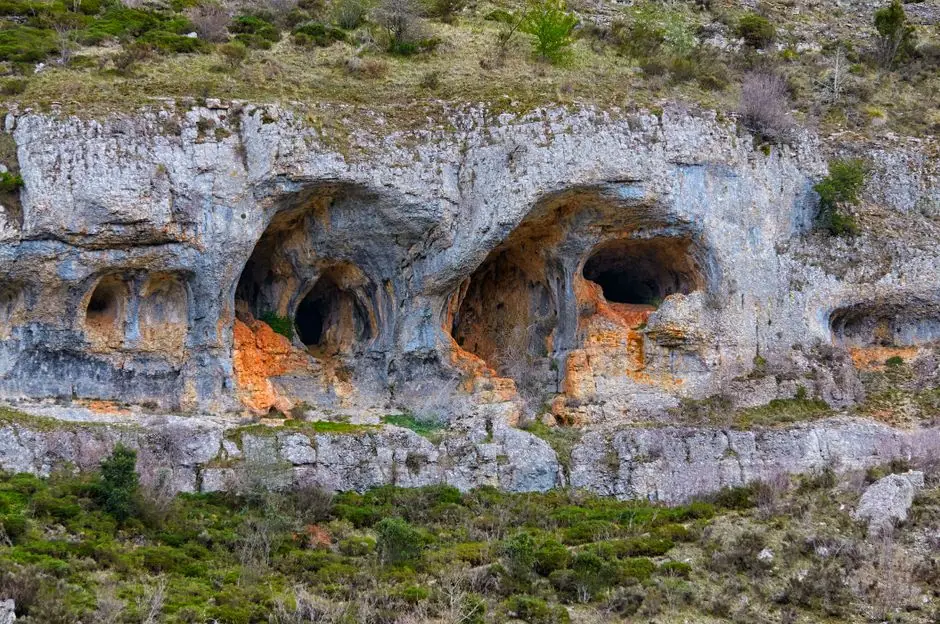
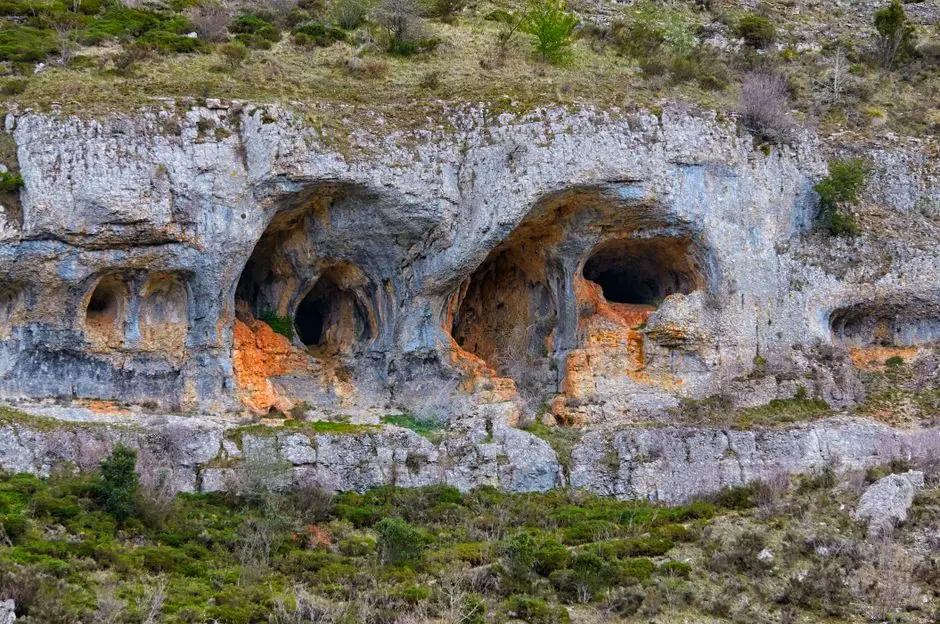
Lombardo gives an example of how fragile such links are. A cave sanctuary near Santa Maria d'Agnano was long linked to Demeter, but a newer analysis points to a male deity. It is also not settled whether such a richly decorated tomb was usual for the local elite.
Specialists will next study the inscriptions, the drawings and the context, restore the painted surfaces and run archaeobotanical tests. The tomb will stay in place, and the slabs and objects will go on show in the Archaeological Museum in Manduria.

Comments (0)
No comments yet.