
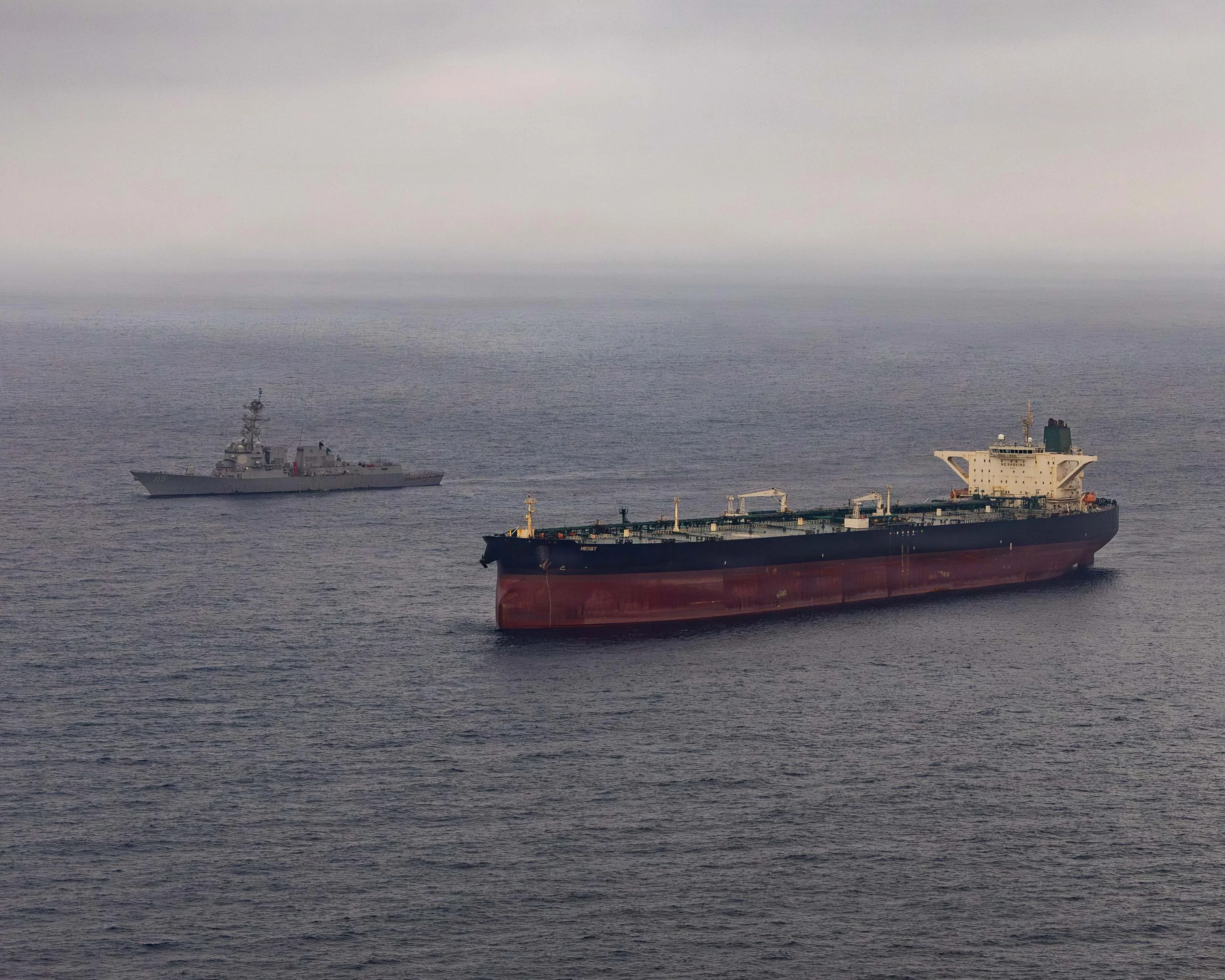
Tensions in the Middle East have reached a new critical point after the Iranian-backed group "Ansar Allah" (the Houthis) announced the imposition of an "immediate maritime blockade" against Saudi Arabia. This action is defined as the most serious escalation of the conflict since the collapse of the truce in 2022.
The Houthi military spokesman, Yahya Saree, stated that the blockade is a direct response to the Saudi "comprehensive blockade" of Yemeni ports and airports, which has been ongoing for nearly 12 years. The group's strategy is based on the "eye for an eye" principle.
Asymmetric warfare and economic pressure
Unlike traditional military sieges, the Houthi blockade relies primarily on psychological impact and threats. The group is sending direct warnings to shipping companies, stating that any vessel that docks at Saudi ports could be attacked.
The effect is already being felt at sea. According to analysts, at least four tankers – including the Russian "TRUST" – have changed course in the Red Sea, avoiding Saudi terminals. Even without physical strikes, these maneuvers create uncertainty in insurance and disrupt global supply schedules.
The stakes for global oil markets
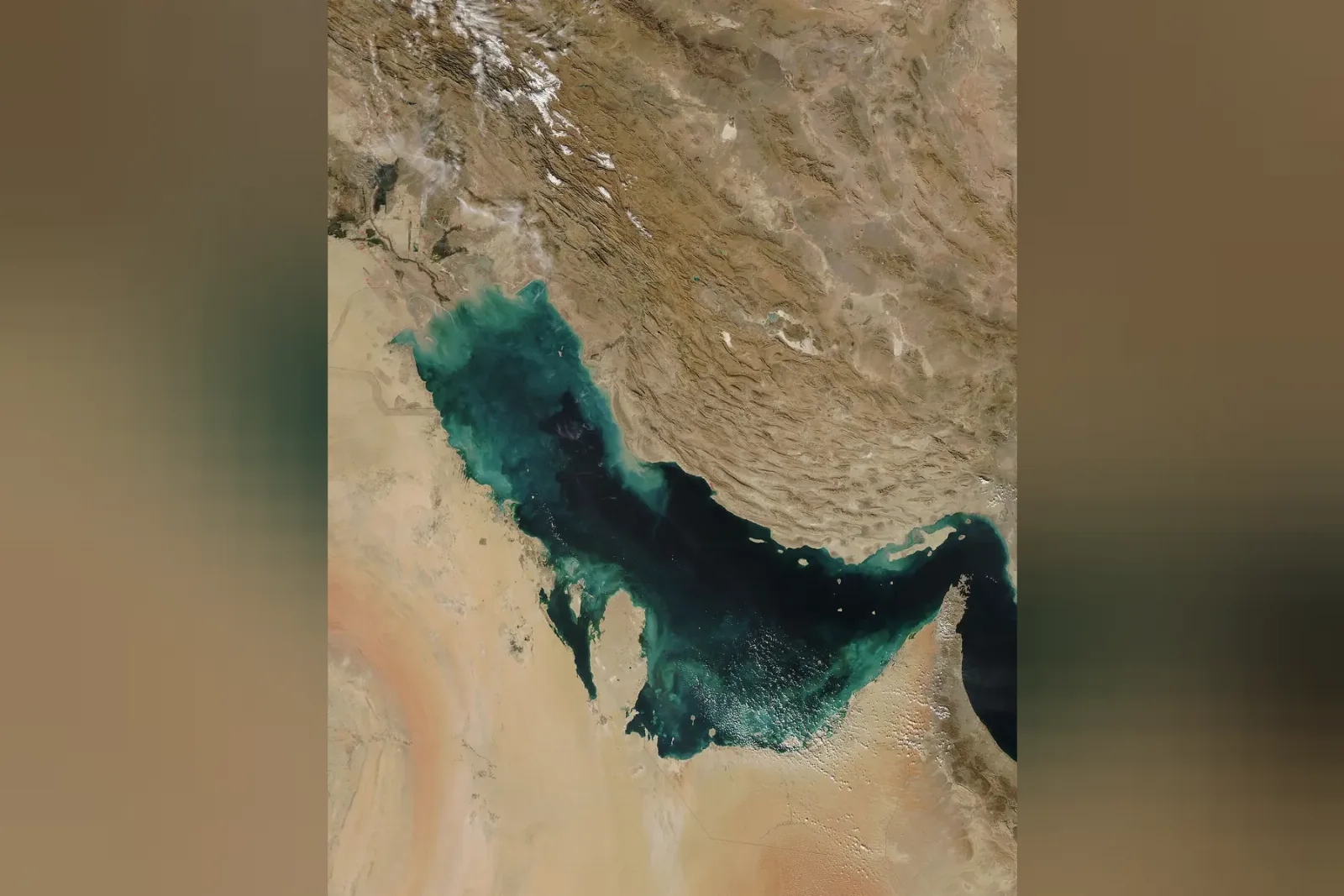
The significance of this threat is immense due to the strategic position of Saudi Arabia. The Kingdom produces over 10 million barrels of crude oil per day. Since about 12-15% of global trade passes through the Red Sea and the Bab al-Mandab Strait, any disruption in this corridor could lead to a sharp rise in energy prices. Experts warn that a full closure of this route could reduce global oil supplies by about 7%.
Regional context and diplomatic perspectives
Riyadh and the coalition it leads have condemned the Houthis' actions as "maritime piracy" and vowed a decisive response. Nevertheless, authorities in Saudi Arabia are trying to balance between protecting their sovereignty and the risk of igniting a full-scale war on their southern border.
At the moment, diplomatic channels remain open through the mediation of Oman, but the escalation of strikes against airports and tankers suggests that the regional conflict between the "Axis of Resistance" (led by Iran) and Saudi Arabia's Western allies is entering a new, more dangerous phase.



Comments (6)
Ебати цирка! Тая блокада ако я има наистина, ще ни удари яко всички. Надявам се ЕС да намери решение бързо и
Ебати, мн неприятна новина. Дано ЕС вземе мерки бързо, че ако започнат сериозни проблеми с петрола, положението ще стане още по-зле за всички ни. Иран да си гледа работата и да
пич, баси драмите в червено море! 🤯 сега и хутите се включиха... дано дебелите котки от ес да се стегнат и да реагират бързо, че тоя иран май няма край с тия номера. все пак, трябва да си гледаме нашите интереси - българия е в европа,
Мамка му стара! Сега ли се сетиха тия хути? Абе, каква е тая простотия по света, бе?! Да блокират Саудитска Арабия... ами ние к'во ядем сега?! Петролът ще стане по 5 лева литъра?! Иран, мръсни копелета, пак подклаждат пожар! Знаете ли колко пари даваме за гориво ние хората, бе?!
Абе, наистина ли сега блокират Саудитска Арабия? Какво о4акваме да се случи – още по