
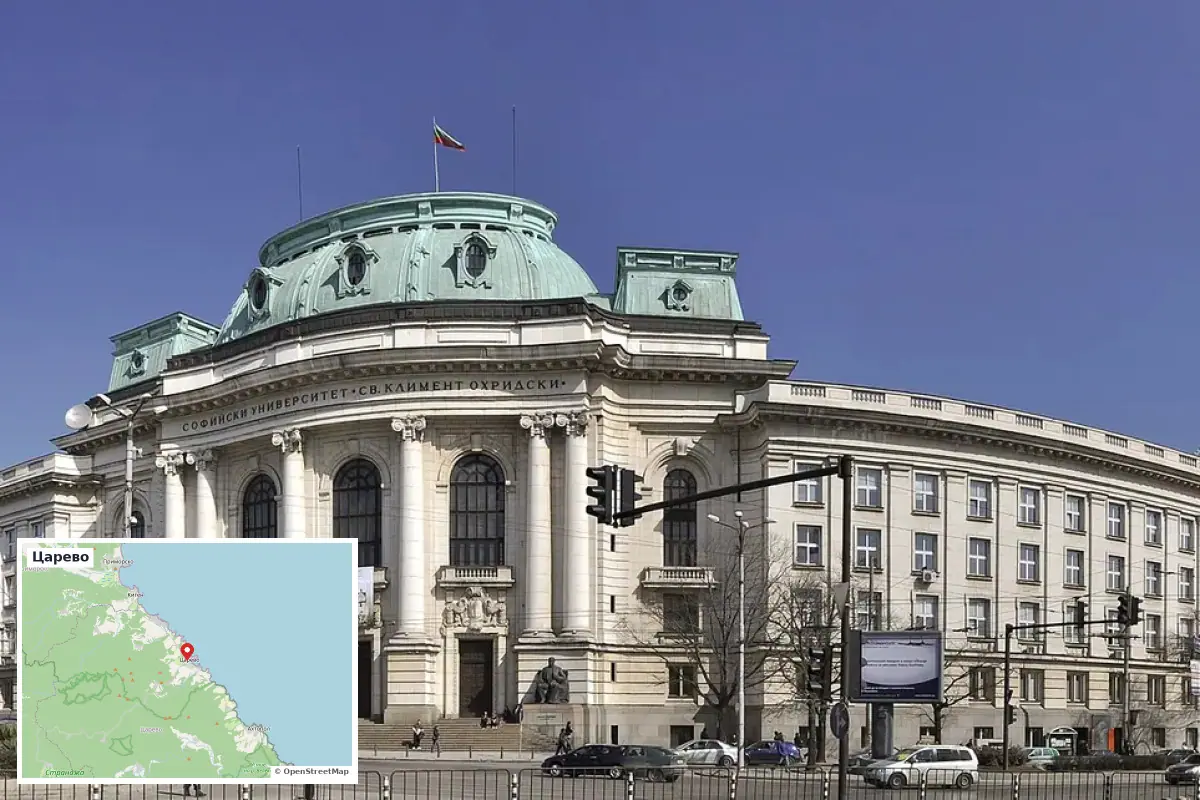
Climate change is costing thousands of lives in Bulgaria. In 2025, direct economic losses are expected to top 1 billion euros. That's about 1% of GDP, or nearly 140 euros for every person in the country. That's according to a new report by a team of Bulgarian scientists coordinated by the Net-Zero Lab at Sofia University's Faculty of Economics and Business Administration.
Heat waves, droughts and flash floods are no longer isolated events but a sign that Bulgaria's climate is changing for good, the report's authors warn. The study, titled "Assessing Vulnerabilities to and Impacts of Climate Change in Bulgaria: A Joint National Assessment," was seen by the Bulgarian News Agency BTA. It was put together by scientists from several fields.
On the 2025 CCPI index, which measures how well countries handle climate change, Bulgaria ranks 50th out of 64 nations. It scores poorly on greenhouse gas emissions, very poorly on climate policy and energy use, and average on the share of renewable energy.
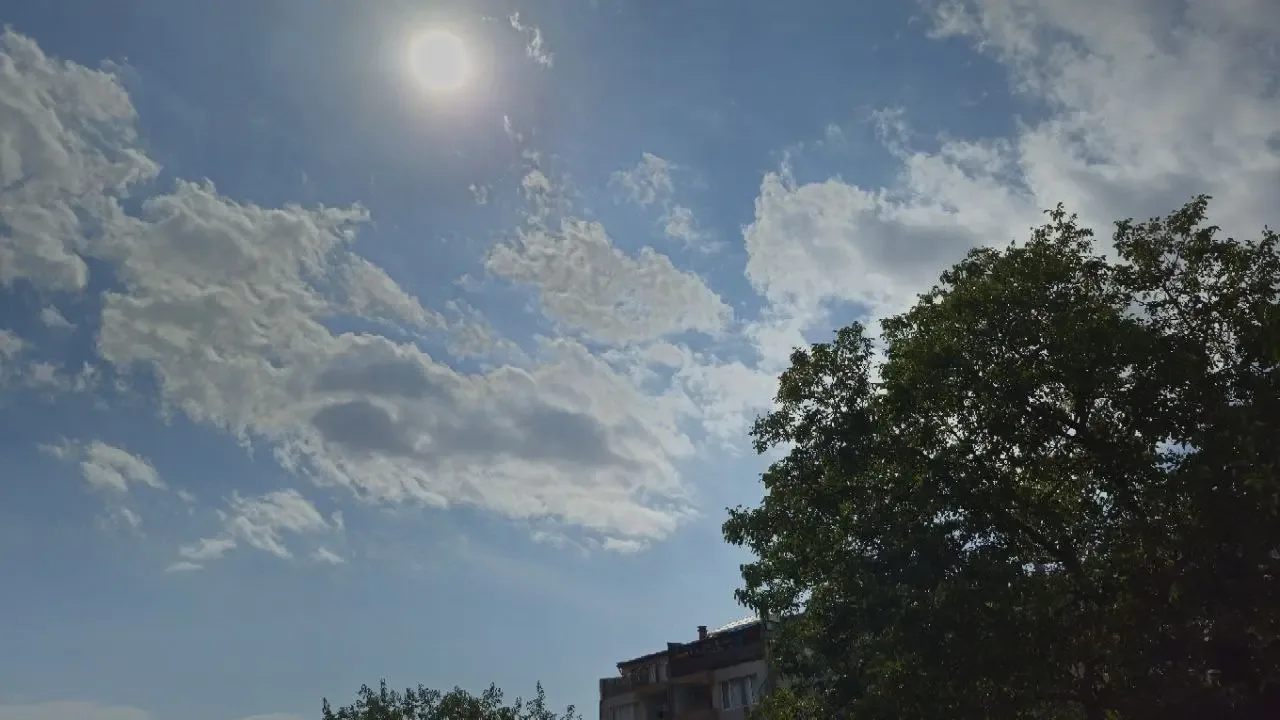
Bulgaria's average annual temperature between 1991 and 2020 was about 0.8 degrees higher than in the period 1961-1990. Warming shows up most in the north of the country and in summer, the report says. The number of extremely hot days and nights, now 10 to 20 a year, could rise to 50 or 60 by the end of the century — no matter which future emissions path plays out.
Under a high-emissions scenario, Bulgaria's average annual temperature could reach around 14.1 degrees Celsius by the end of the century. Right now, that figure is unusual even for the warmest southern parts of the country. In practice, the climate across all of Bulgaria would shift several hundred kilometres south, the scientists say.
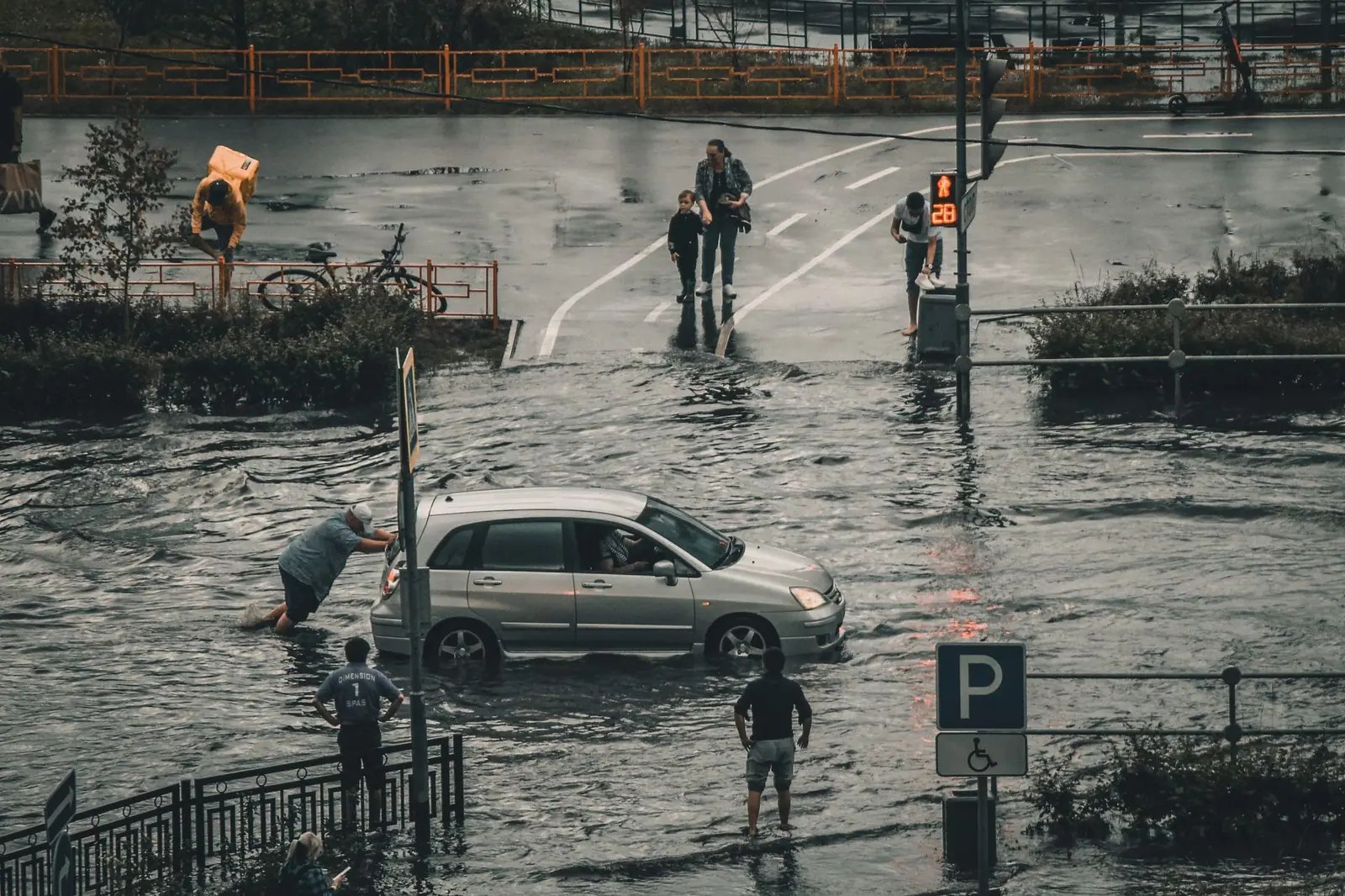
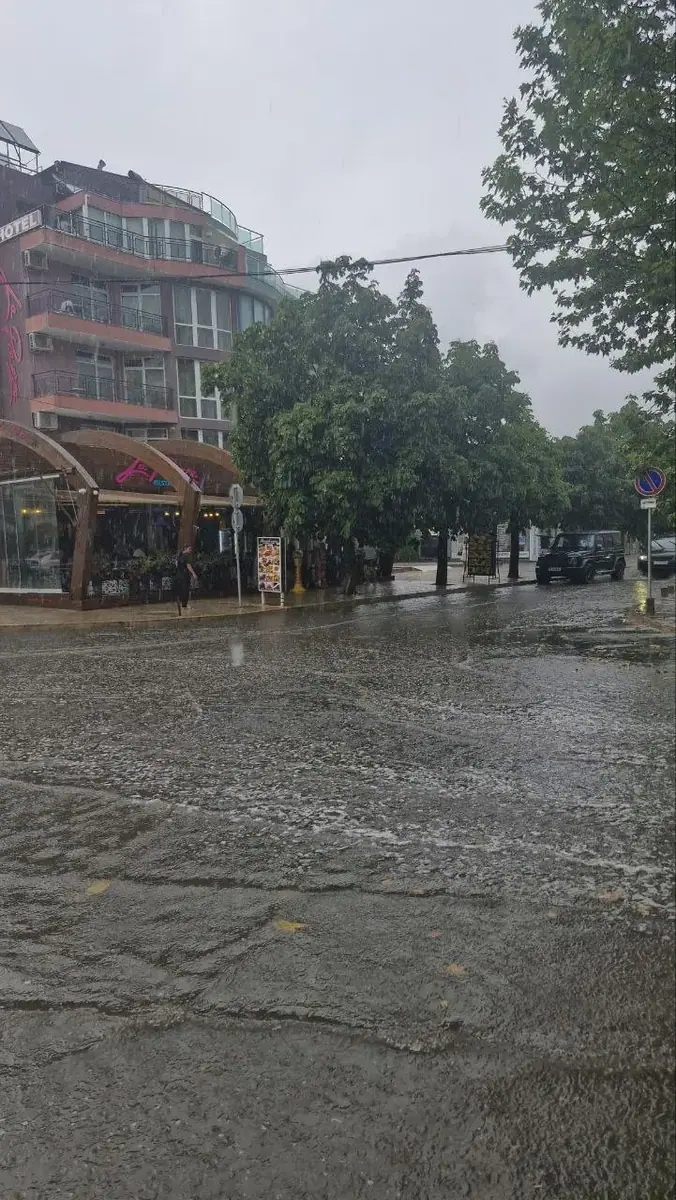
Total yearly rainfall stays roughly the same. But behind that steady figure lies a complete change in how rain falls. Light and moderate rain is becoming less common, while heavy and dangerous downpours are becoming far more frequent. Along the Black Sea coast and in eastern Bulgaria, extreme rainfall events have jumped by 60-75% since 1991. A new pattern has also emerged: dry summers followed by heavy autumn rain. This is what's driving the rise in flash floods. The disasters in the Karlovo area in 2022, in Tsarevo in 2023 and 2025, and in Elenite in 2025 all fit this pattern, the report's authors say.
Extreme heat is a leading, but underestimated, cause of excess deaths in Bulgaria, the report finds. In 2023, heat was linked to 1,670 deaths — 229 per million people, the second-highest rate in Europe. In 2024, the number of heat-related deaths rose to 3,414. Deaths among people over 65 from heat have climbed more than 150% compared with 1990-2000. Women and people over 80 are hit hardest, the team notes.
Cities make these risks worse, the report shows. In Sofia, summer temperatures run 2.5 degrees higher on average than the surrounding areas — an overheating effect that causes about 95 extra deaths each summer. 77% of the capital's residents don't have enough green space nearby, and tree cover in the city is just over 10%. The World Health Organization says that if tree cover reached 30%, summer deaths could fall by around 40%, the experts note.
Under a high-emissions scenario, heat-related deaths could climb to 3,463 a year between 2071 and 2099, up from about 1,150 now. If emissions are kept in check, that number could stay around 1,742, the report's authors calculate.
Bulgaria's climate losses aren't just one-off damage from droughts, heat, floods and fires — they also hit the economy's output, public finances, infrastructure and household income over the longer run. The European Environment Agency estimates that if Bulgaria doesn't take extra steps to adapt, it could lose between 1% (best case) and 3.5% (worst case) of real GDP to climate change by 2050.
Insurance against climate risks covers less than 50% of cases despite growing losses over the past two decades, the report shows. Independent estimates suggest only about 8% of Bulgarian households have this kind of cover.
The number of drought days, now 50 to 60 a year, could rise to 70-80 or more after 2037, with the Plovdiv, Yambol, Sandanski and Ruse areas hit hardest, the scientists predict. In Dobrudja — known as Bulgaria's breadbasket — the problem isn't so much gradual warming as the sharply growing swings between one year and the next, plus poor soil moisture going into winter.
Bulgaria's forests could see their annual growth drop by up to 3.5 million cubic metres — equal to 42% of the current yearly harvest, the report says. More than 60% of forest habitats in the Natura 2000 network are already in poor or unsatisfactory condition. Shelterbelts in northeastern Bulgaria are deteriorating because of drought, further weakening the protection they provide, the authors write.
The team's main finding is that Bulgaria has formally brought its climate policies in line with EU rules but struggles to put them into practice. The scientists point to short-term planning, frequently changing decisions, weak capacity in the administration and reliance on EU project funding as key reasons why.
Bulgaria has no national register of damage from climate disasters, and its funding model only kicks in after a disaster strikes instead of preventing it beforehand, the report's authors say. The state budget still does a poor job of accounting for climate risks — an issue that matters even more now that Bulgaria joined the eurozone on 1 January 2026.
The report was put together by a team of scientists from the National Institute of Meteorology and Hydrology, the Institute of Biodiversity and Ecosystem Research at the Bulgarian Academy of Sciences, Sofia University "St. Kliment Ohridski," the National Center of Public Health and Analyses, and the Technical University of Sofia. According to the authors, this is the first assessment of its kind in Bulgaria to look in such detail at how climate change is affecting nature, the economy and public health.
Коментари (0)
Все още няма коментари.