
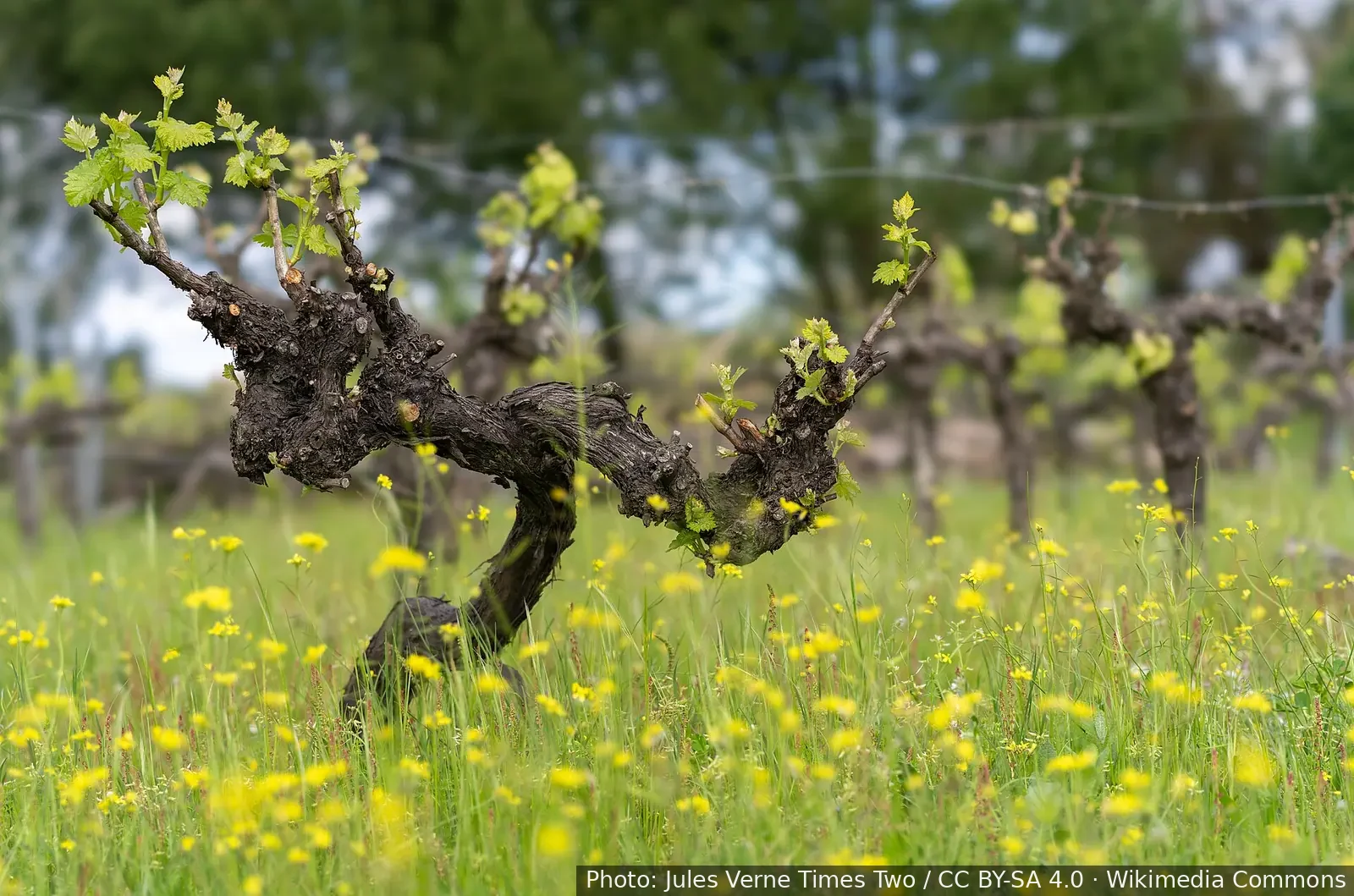
EU countries will produce 133.6m hectolitres of wine and must in the 2026/27 season. That is about 4% less than last year's harvest, according to data from Copa-Cogeca.
The volume is about 8% below the average of the past five seasons. From 2020 to 2025, the EU produced an average of about 157m hl of wine a year. Output has fallen every year since the 2020/21 harvest.
Three countries supply about 82% of the EU's wine and must: Italy 30%, Spain 27% and France 25%. There are no data for Bulgaria, Luxembourg, Malta and the Netherlands.
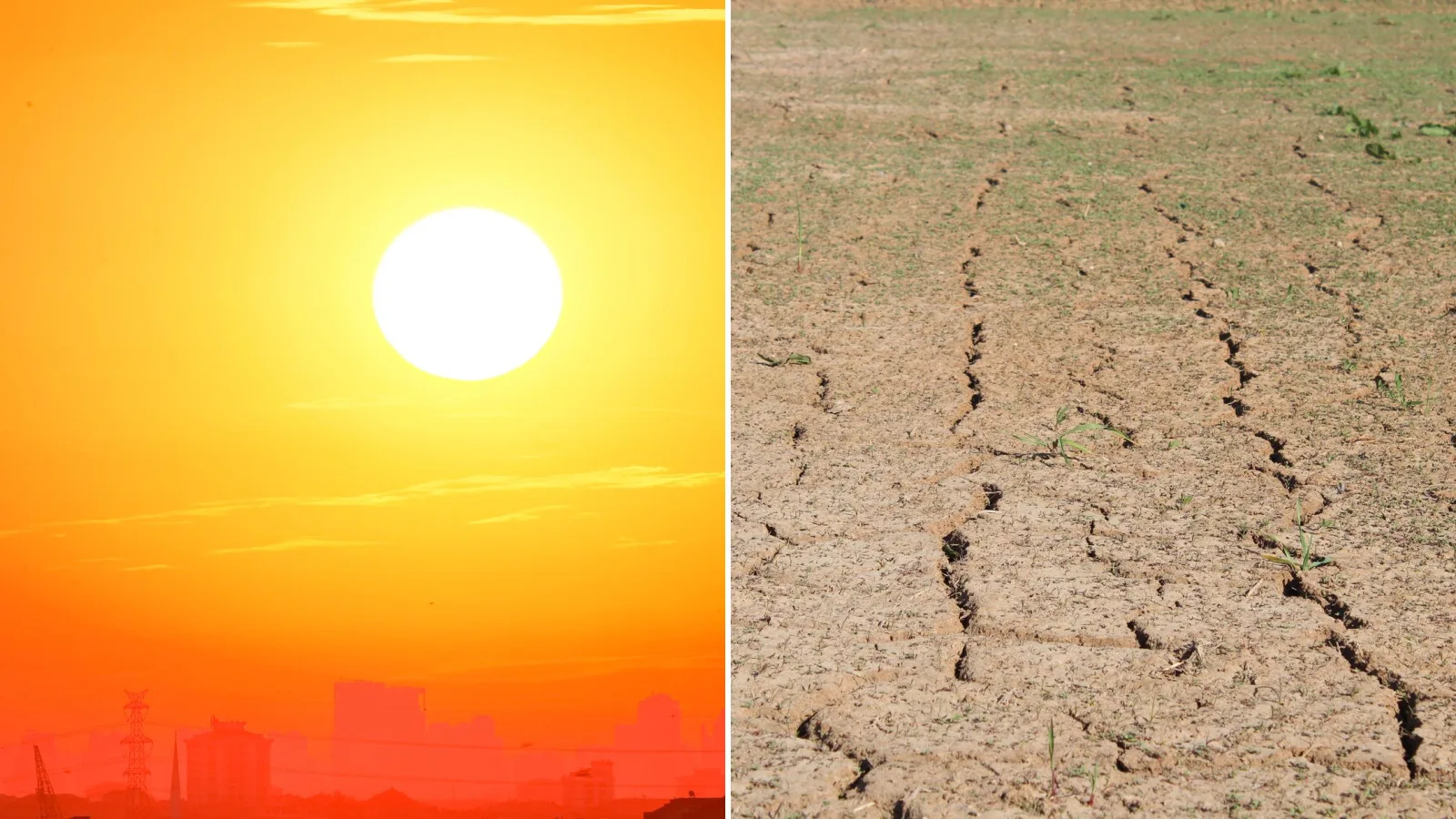
Copa-Cogeca says the fall has two causes: the climate and the market. Vineyards across the EU have faced droughts, long heatwaves, spring frosts and hail, so yields are down in many regions. Unstable weather is now one of the main features of wine growing in Europe, and the gaps between one year and the next are much bigger than before.
Demand is weakening. The world drinks about 221m hl of wine, the lowest level in more than three decades. Consumption grew from 1996 to 2007, stayed almost flat until 2017 and then began to fall. Since 2022 the drop has sped up in the EU and in the big markets outside it. The EU's share of world consumption has fallen from nearly 60% in 2000 to about 48% now.
Low prices and stocks that stay high also weigh on the sector. Weaker demand hits the whole chain, from grower to trader, and pushes down both sales volumes and prices. Rosé and red wines are hit hardest, while basic wines have seen one of the sharpest drops. New markets are emerging, but they are growing too slowly to make up for the losses in traditional wine countries.
In the 12 months from September 2025 to August 2026, the EU exported €15.4bn of wine to countries outside the bloc, down 6.8% in value. The volume fell 3.3% to 27.5m hl. Exports of wines with a protected designation of origin fell the most (7.6%), followed by varietal wines (6.7%) and wines with a protected geographical indication (4.9%). Only wines without a geographical indication stayed relatively stable.
Exports of bulk wine in tankers rose 5%, and bag-in-box wine rose 3.4%. Exports of bottled wine fell 7.5%, and sparkling wine fell 6.2%.
Exports to the US fell the most (15.3%), followed by Canada (11%), Switzerland (9.2%) and the UK (3.9%). A few markets grew, including Russia (17.5%) and Hong Kong (10.9%).
Trade between EU countries is also weakening, down 9.8% in value and 13.4% in volume, while the average price per unit keeps rising.
Producers are coping with the unstable climate, Copa-Cogeca says. But changes in consumption and a lasting imbalance in the market are squeezing farm incomes and the long-term future of wine production.
Talks continue in the EU on the future policy framework for the wine sector. Copa-Cogeca says European winemakers must get access to effective tools to manage the market, and proper support to adapt to climate and market conditions. The group links the future of one of Europe's most emblematic farming sectors to these steps.

Comments (0)
No comments yet.