
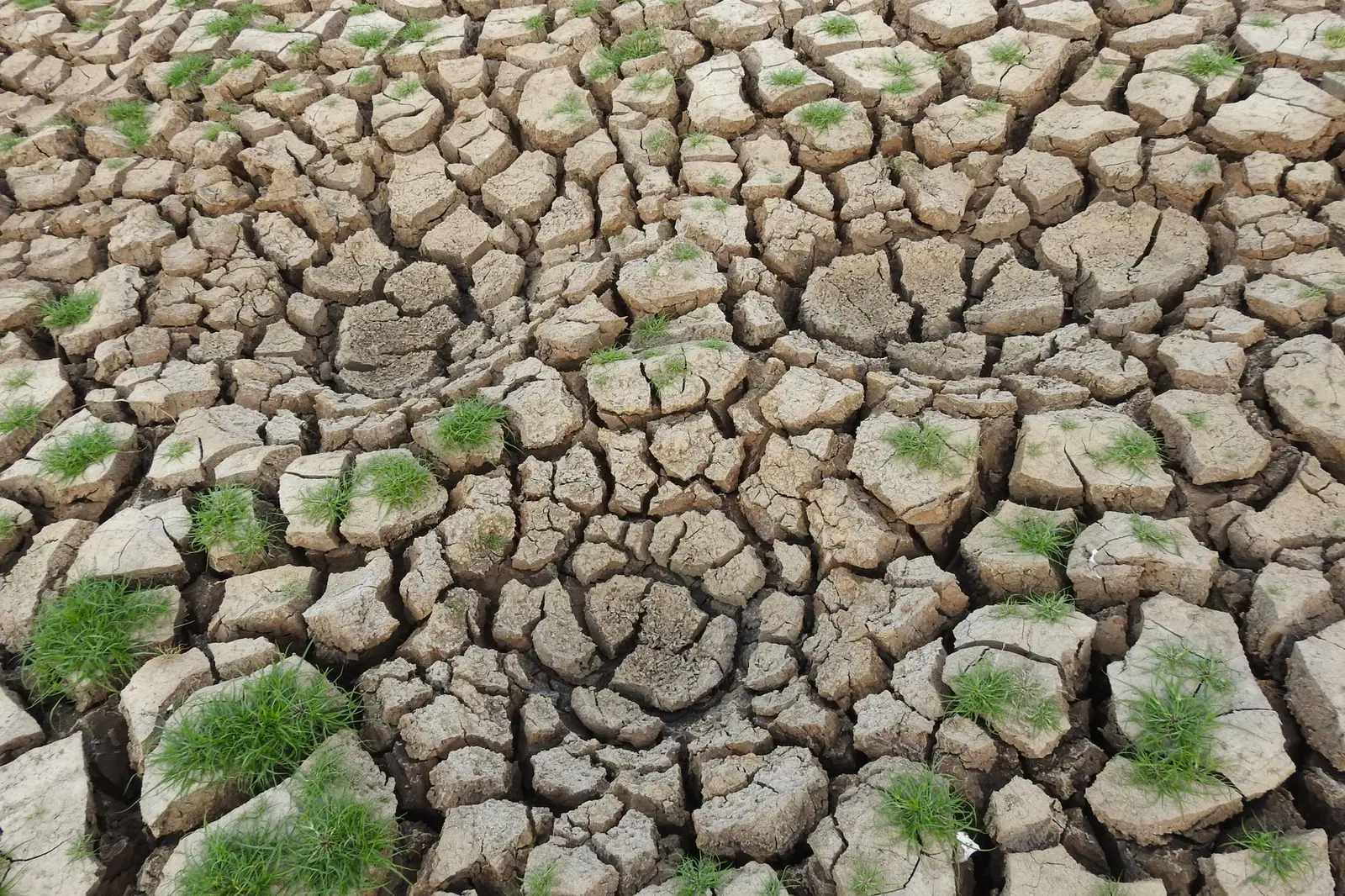
El Niño, which began in June 2026, could become the strongest on record and kill more people than the 2009 swine flu pandemic, two scientists warned last Tuesday. They are Dr Colin Carlson, an assistant professor of epidemiology at Yale University, and climate scientist Prof Christopher Callahan of Indiana University.
Carlson called on the World Health Organization to declare El Niño a public health emergency of international concern. He compared it with the Ebola outbreak in the Democratic Republic of Congo and the spread of polio.
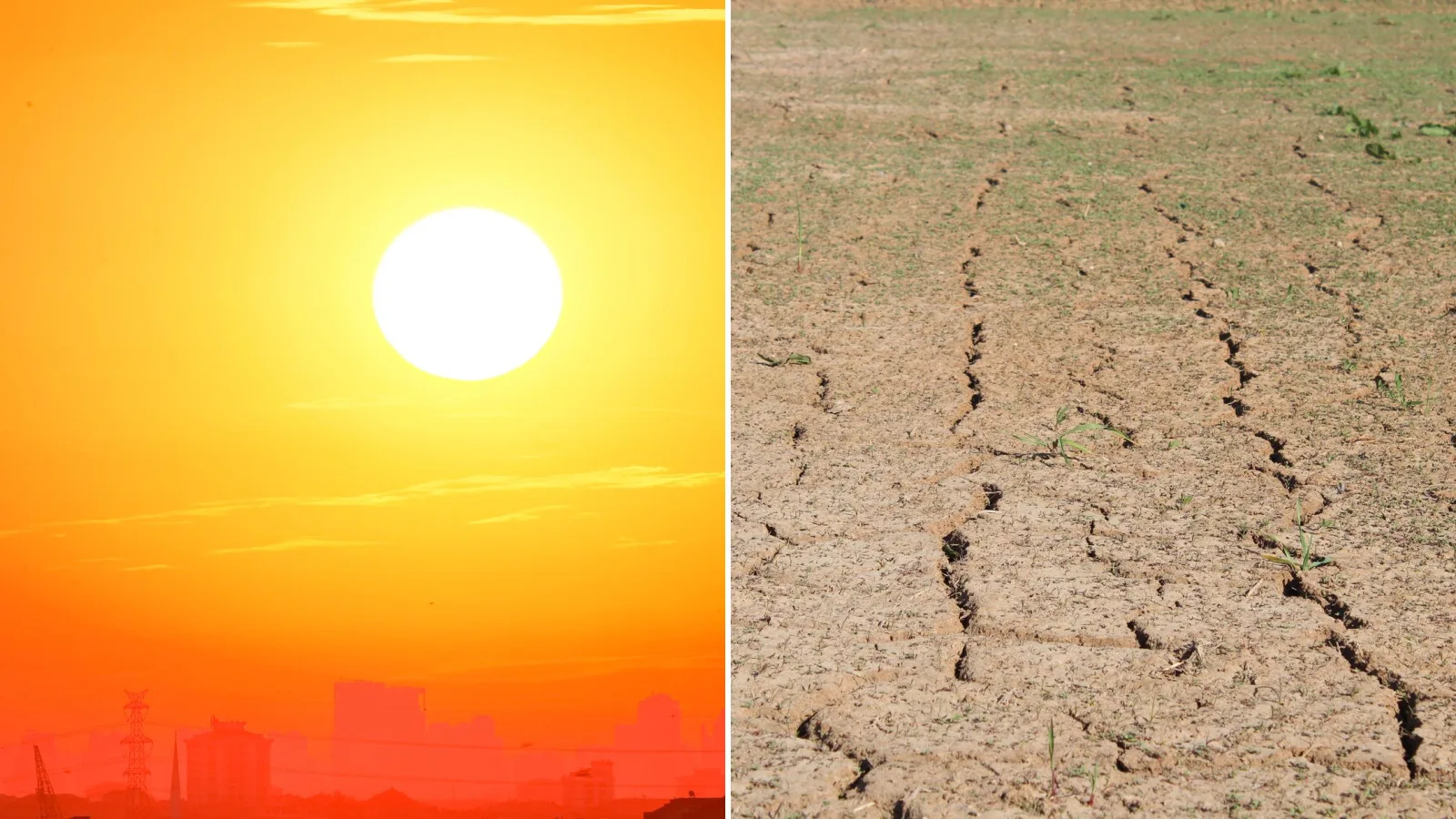
The 2009 swine flu pandemic killed about 284,000 people. Carlson's early analysis suggests extreme heat alone could now cause nearly half a million deaths. He therefore calls El Niño 2026–2027 a "separate and deadly event" with a death toll like that of a pandemic. The Climate Impact Lab at the University of Chicago puts excess deaths from heat alone at 451,000 between June 2026 and February 2027. It expects 44% more extremely hot days than in a normal year. The study has not yet been peer reviewed.
Nigeria will be hit hardest, with scientists expecting 31,400 heat deaths there from September to February next year. Indonesia and Sudan come next.
Carlson warned that outbreaks of dengue, cholera and other infectious diseases could break out while people are dying from the heat. UN climate chief Simon Stiell described the climate crisis, sped up by a "super El Niño", as a "global health crisis on the scale of a pandemic".
The World Meteorological Organization (WMO) presented its state of the climate report last week at COP31 in Turkey, where world leaders, climate scientists and politicians gathered. The past four years are the warmest since records began, the WMO said. It said El Niño will bring "even more heat and extreme weather deep into 2027". Secretary-General Celeste Saulo said the event and the state of the climate in 2026 give new meaning to the phrase "off the charts". "El Niño does not add new heat to the planet. It releases heat from the ocean, which is now the warmest ever measured," she said. She added that there is more heat available to release, that humans are intensifying the weather further, and that El Niño will be a "risk multiplier".
El Niño is a natural event that occurs every few years, and climate change makes it stronger. It usually pushes up temperatures around the world by warming the surface of the Pacific Ocean. This winter it could coincide with a record early breakdown of the polar vortex, a band of low-pressure air in the stratosphere that normally spins around the North Pole. The vortex usually weakens in the second half of winter, in January or February. The current disruption is the earliest on record.
In some winters the vortex breaks down and the stratosphere suddenly warms. Temperatures there jump by about 28 to 39C within a few days. Trapped Arctic air is pushed towards North America, Europe or Asia and brings a sharp cold snap, usually felt after a few weeks. Prof Andrew Charlton-Perez of the University of Reading said about 45 such events have been recorded so far.
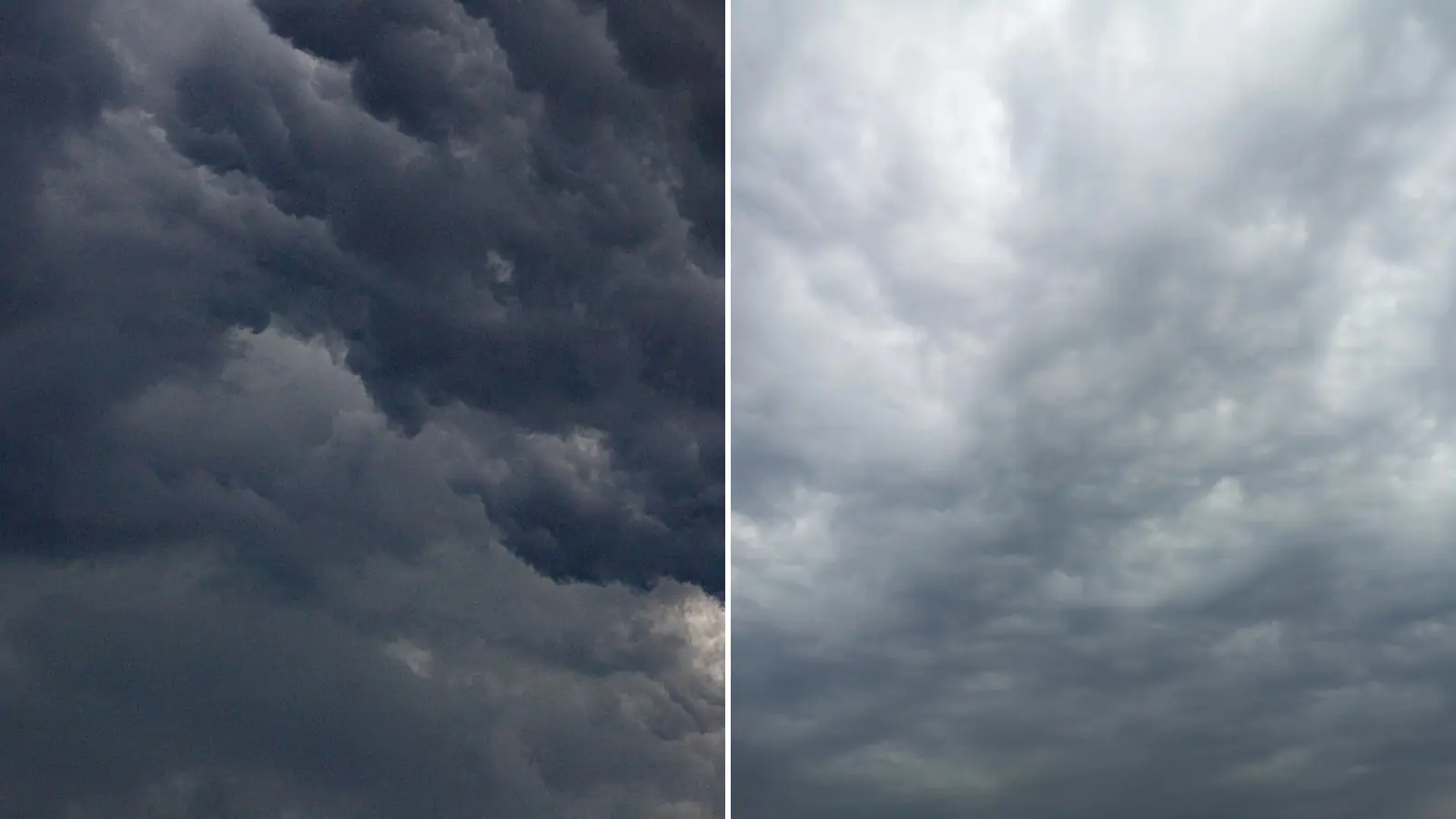
Climate scientist Judah Cohen of the Massachusetts Institute of Technology said a weakened vortex lets cold air flow south into the mid-latitudes, which raises the risk of snow and ice storms. If the vortex starts to wobble over the Northern Hemisphere, that favours colder weather and it will be a "real battle", he said. El Niño years are usually milder. If the two forces pull against each other, the weather will depend on which one wins.
Experts say it is too early to know how a "super El Niño" will interact with the vortex. Cohen noted that there has never been such a large vortex disruption at the same time as a "super El Niño". He called the situation "completely uncharted territory".

Comments (0)
No comments yet.