
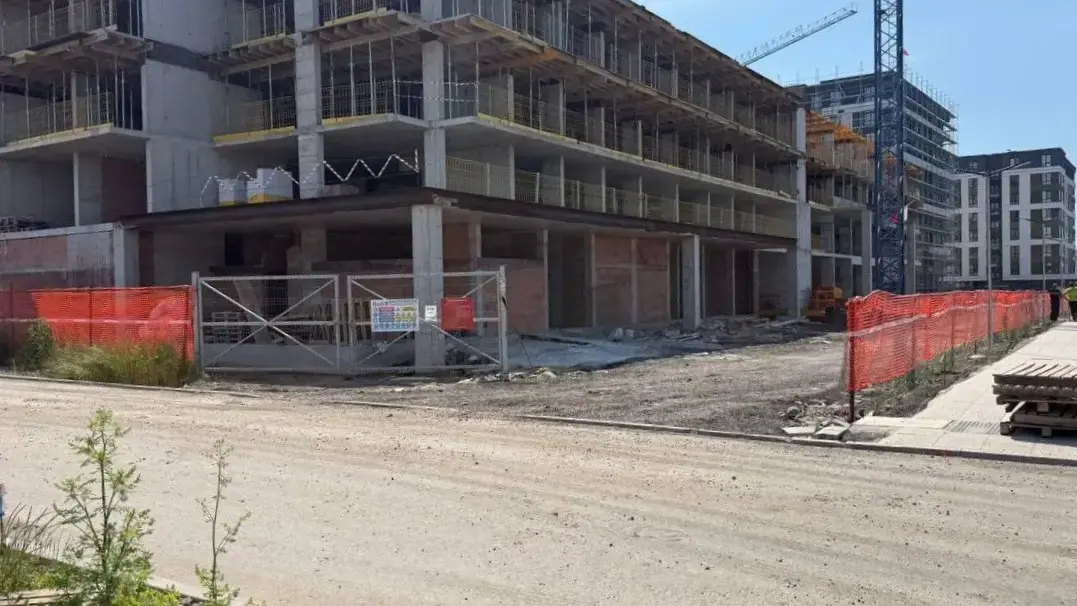
Burgas, Sofia and Varna are the three places in Bulgaria where the number of property deals has fallen the most, figures from the National Statistical Institute show. Across the country as a whole, sales are down more than 18% compared with a year ago, while home prices in the second quarter were 15% higher than in the same quarter last year.
According to the institute's data, prices rose fastest in Varna, Stara Zagora and Sofia.
Buyers are taking their time. One buyer looking for a flat to invest in says she won't buy at any price. She looks at the location, the quality of the building, whether the property sells easily, and whether it can be rented out or resold quickly.
She says a bad habit has taken hold: sellers set asking prices based on what they hope to get, not on the real qualities of the home. That, she says, is exactly why buyers are holding off and looking hard at what really lies behind the asking price.
Builders don't expect prices to drop, either this year or next. The sales director of one construction company listed the reasons prices are staying firm: inflation built up over recent years, pricier fuel, more expensive building materials and higher labor costs. At his own company, the number of sales has nearly halved compared with last year.
The pressure on the market comes from several directions, says economist Shteryo Nozharov: rental returns are growing more slowly than sale prices, the government is about to update tax valuations, and incomes are rising slowly.
Nozharov explains that housing is a hard asset to sell quickly, so when the number of deals shrinks, sellers would rather hold their prices and wait for the cycle to turn than cut them.
The economist points to seven or eight factors whose combined effect will be felt next year. By then, he expects prices at best to hit a "plateau," holding steady at today's levels. Luxury properties, he says, will keep their value unchanged even a year from now.

Comments (1)
18% спад... доста голям процент е това.