
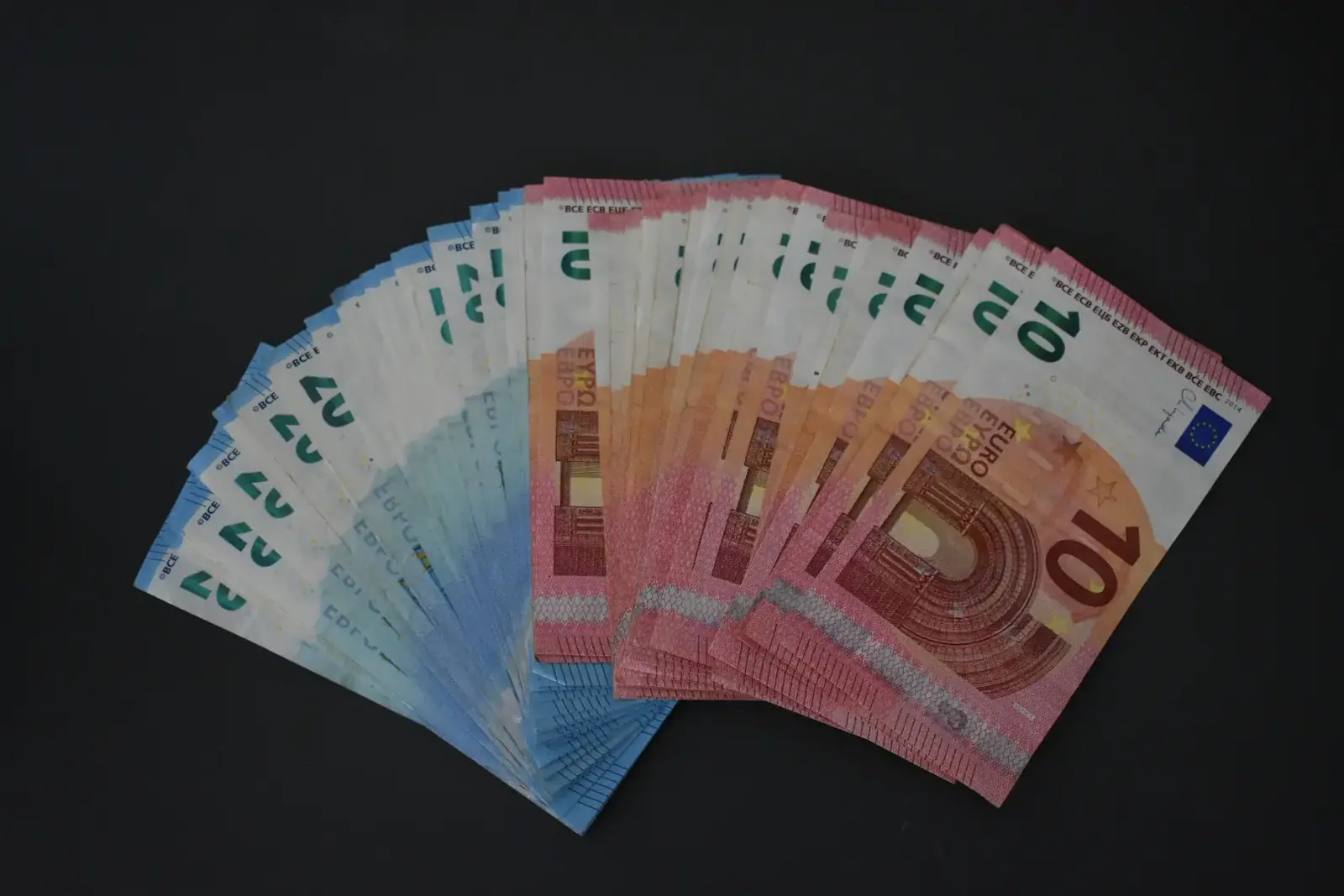
Bulgaria still has the lowest average pay in the EU, new Eurostat data for 2025 show. A full-time worker in Bulgaria earns €16,201 a year on average, 5.3% more than the year before.
The average wage rose from €11,880 in 2022 to €13,503 in 2023, up 13.7%, and to €15,387 in 2024, up 14%.
In three years, pay in Bulgaria has gone up by €4,321, or 36.4%. Over the same period, the EU average rose by 16.2%. It stood at €35,671 in 2022, €37,879 in 2023 and €39,773 in 2024. In 2025 it reached €41,464, up 4.3%.
Bulgarian pay is catching up with the EU average. It was 39.1% of the EU figure in 2025, against 38.7% a year earlier and 33.3% in 2022.
Luxembourg has the highest pay, at €85,609 a year. Denmark is second with €73,500, followed by Ireland (€64,387), Belgium (€61,984), Austria (€60,727) and Germany (€56,360).
The four countries with the lowest pay after Bulgaria are Greece (€18,772), Hungary (€20,138), Romania (€20,818) and Slovakia (€21,661). In Croatia the average wage is €26,933, up from €19,580 in 2022. In Slovenia it is €37,586, up from €30,261 three years earlier.
Eurostat works out employee pay from national accounts data and the Labour Force Survey. Pay for part-time workers is recalculated as if they worked full time.
The figures are not adjusted for inflation, so the rise is nominal. It does not show directly how much more people can buy with their pay.





Comments (0)
No comments yet.