
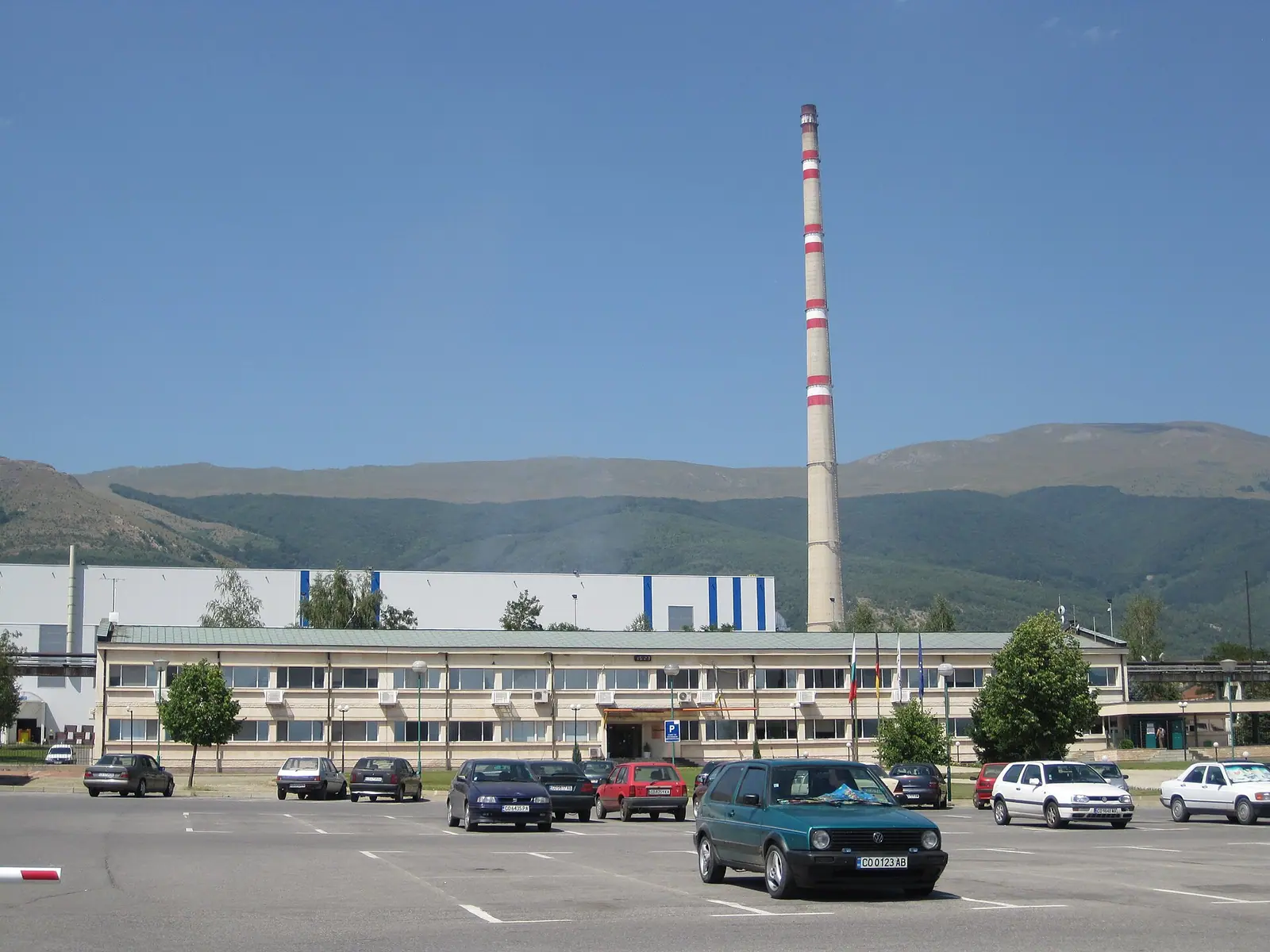
Twenty-six Bulgarian companies are on the 2025 list of the 500 biggest firms in Central and Eastern Europe, credit insurer Coface said. Bulgaria has the fifth most firms in the region, and Lukoil Neftochim Burgas ranks 88th.
The Burgas refinery is one of four Bulgarian companies in the top 100. Bulgarian Energy Holding ranks highest at 45th, followed by Aurubis Bulgaria at 55th. Lukoil Bulgaria is 93rd.
In the previous edition, 27 Bulgarian firms made the list. Poland leads with 172 companies, followed by the Czech Republic (73), Hungary (62) and Romania (59). Slovakia (25), Lithuania (23), Croatia (17), Serbia (15), Slovenia (13), Estonia (10) and Latvia (5) have fewer than Bulgaria.
The CEE Top 500 is the 18th edition of the study. It covers companies with turnover of more than €300m in the previous calendar year. Banks, insurers and other financial firms are not included, and countries with no company of that size are left out of the ranking. The results were announced today at an online event.
The biggest company in the region is Polish oil group Orlen. Czech carmaker Skoda is second, and third is Jeronimo Martins Polska, which runs Poland's largest supermarket chain.
Together, the 500 firms had turnover of €1.12tn, up 2.9% on a year earlier. Turnover rose at 68% of the firms, and 55% of them, or 277 companies, made a higher net profit.
The sector group covering mining, chemicals, oil refining, plastics and pharmaceuticals had the biggest turnover: €259.2bn from 87 firms. Cars and transport came second with €207.6bn, but it has the most companies, 94. General trade, including the big retail chains, is third with €171.8bn from 70 firms.
Mateusz Dadej, Coface's regional economist for Central and Eastern Europe, says Bulgarian firms will soon face their biggest problems from energy prices and the property market. "The real estate market in Bulgaria is growing very fast, and this raises questions about how sustainable the trend is," he said in answer to questions.
Dadej said this does not necessarily mean a property bubble. He added that "a possible sharp slowdown in the construction sector could also affect other companies in the Bulgarian economy".
The economist also commented on the windfall tax that the ruling parties are preparing. Unlike similar taxes elsewhere in the region, this one also covers sectors that have not necessarily gained from the current fluctuations, such as trade. Dadej said some firms may factor the one-off tax into their plans for future investment.






Comments (0)
No comments yet.