
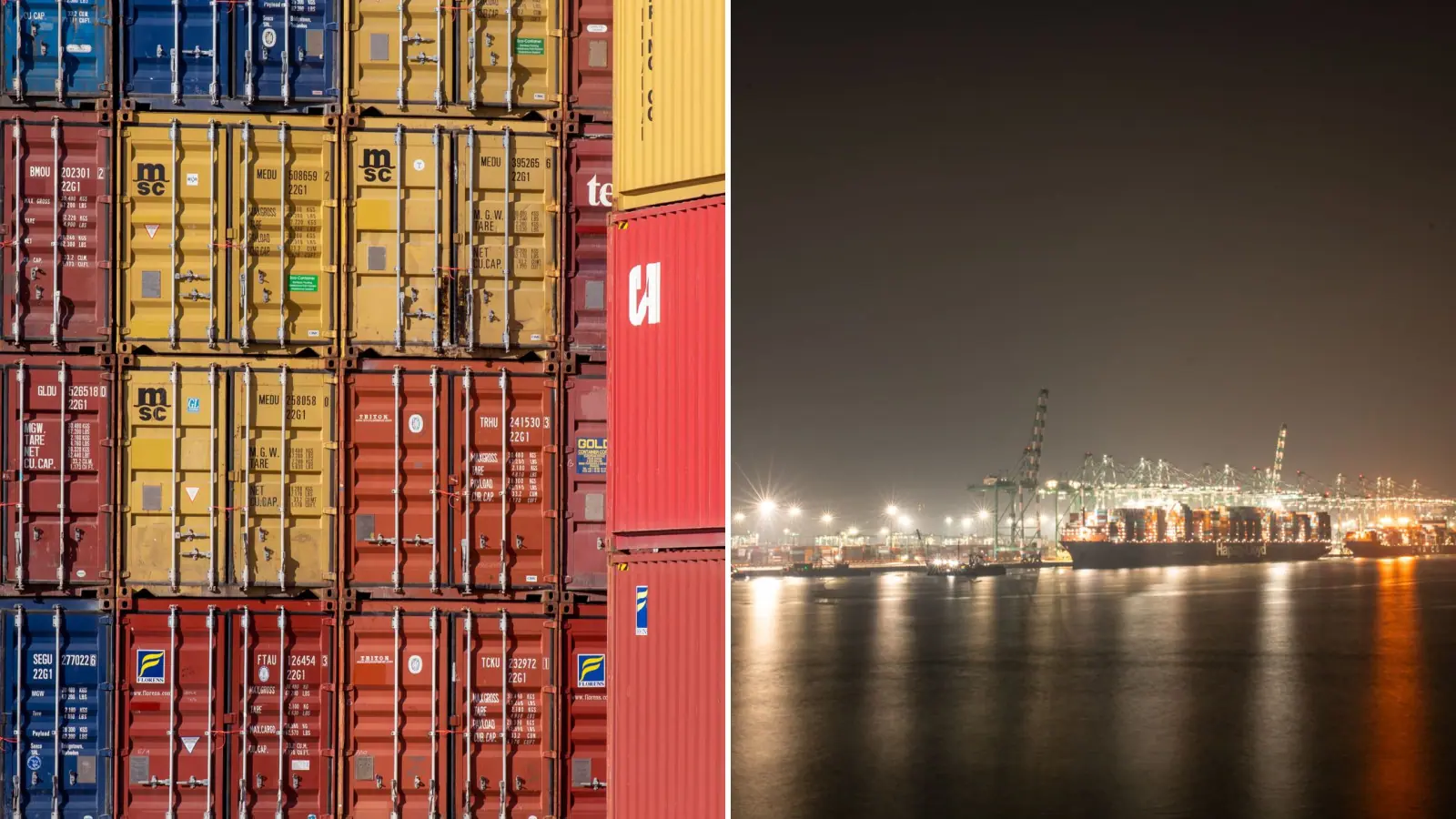
French container line CMA CGM is charging an emergency war risk surcharge from today, 9 November, on all cargo to and from Black Sea ports, including Burgas and Varna.
The fee is $35 (about €31) per unit of cargo, equal to one 20-foot container. A 40-foot container counts as two units, so it costs $70 (about €63).
CMA CGM told customers about the new fee on 28 October. It covers all bills of lading, the shipping documents for cargo, that start or end in a country in the Black Sea region. It does not matter whether the goods come from or go to the other side of the world.
The notice names Varna, Burgas, Constanta and Poti. The fee also covers any other port in the region that CMA CGM ships serve.
The surcharge applies to all types of cargo: standard dry containers, oversized cargo, refrigerated containers and special cargo that needs specialist equipment.
The start may be later on some routes. The notice says the fee takes effect "subject to regulatory requirements, where applicable". Where carriers must file their rates with a regulator in advance, the surcharge may start after 9 November.
CMA CGM says the situation in the Black Sea has worsened sharply in recent months. On 16 September 2026, the Joint War Committee, which advises the insurance market in London, listed the Black Sea as a war risk area. That makes sailing in the region cost more, the company said, with higher insurance premiums making up the largest share of the extra cost.
The carrier says the surcharge will help it keep serving the region without a break. It is watching events so that it does not have to halt its services.
The decision followed the sinking of the ship CONTSHIP JET off Bulgaria. The commander of a French Atlantique 2 aircraft could not say whether there was time to neutralise the drones.
The Black Sea has also seen a series of drone attacks on cargo ships, including in the waters of European Union states. Work on new protection for the trade route to Constanta has been sped up.
Constanta is the biggest container port on the Black Sea and Romania's main sea gateway. Cargo for Hungary, Serbia, Moldova and other inland markets also passes through it, and most containers go on by truck or train.
The new surcharge is paid on top of other fees: fuel (also called bunker) charges, terminal handling, peak season, safety and security, and local fees.
This year, conflict surcharges have become common in container shipping. Carriers brought them in for the Middle East, and MSC imposed piracy and Suez fees when it moved some of its services back to the Red Sea.



Comments (0)
No comments yet.