
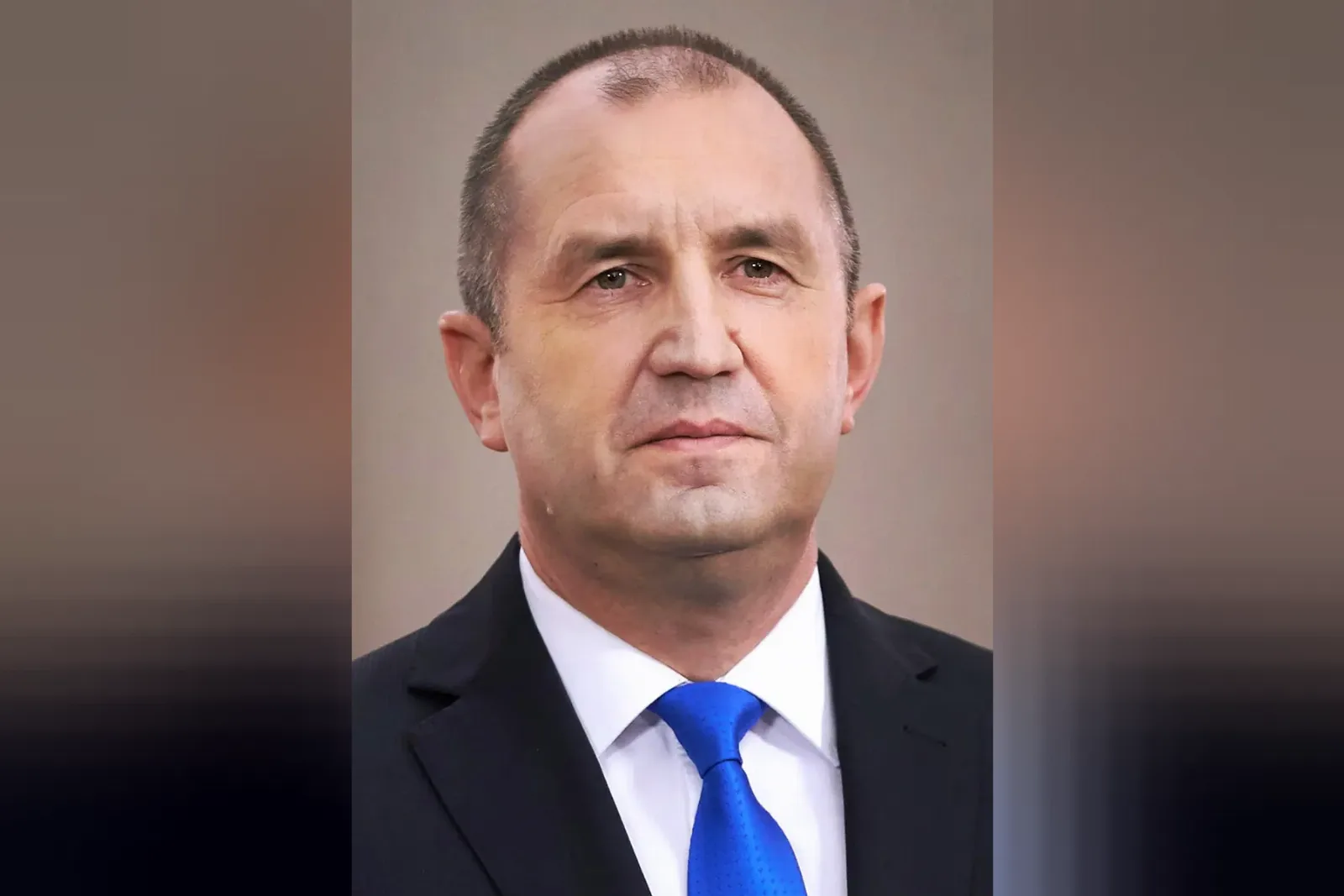
Prime Minister Rumen Radev said today that the state will not interfere in the food market, but will bring in systematic measures to control food prices.
Radev put the aim this way: "Our goal is to have the same markups as in other developed European countries. We want nothing more." A markup is what a seller adds to the price it paid for the goods.
The background: Retailers: in 9 of 10 cases, price rises come from the supply chain, not the shop
Last Thursday, Nikolay Valkanov of the Association for Modern Trade told BNT that in 9 out of 10 cases prices rise because of increases further down the supply chain, not because of the retailer. Now retailers and regulators are arguing over exactly where prices go up: at the producer, in the wholesale warehouse or in the shop.
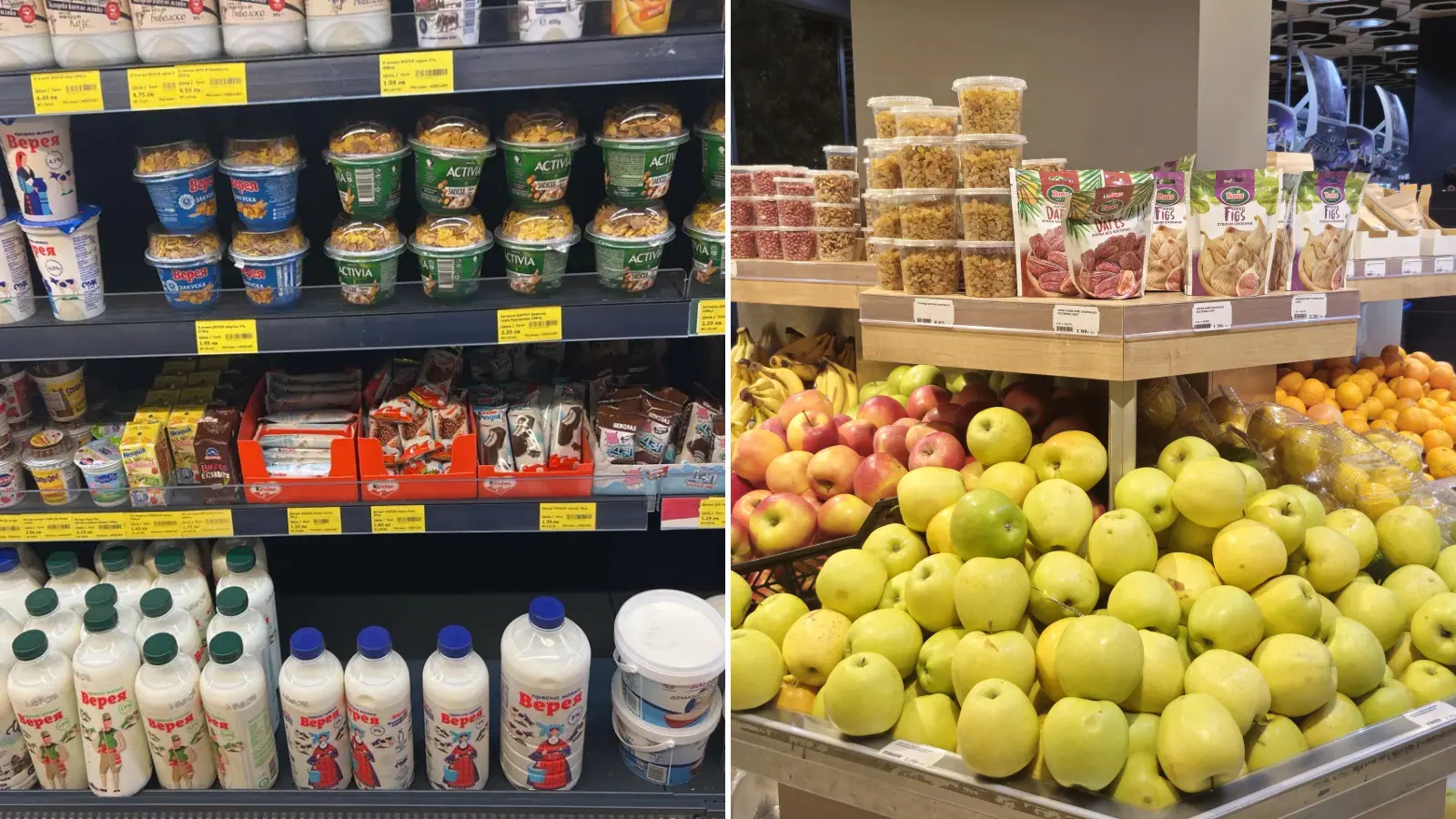
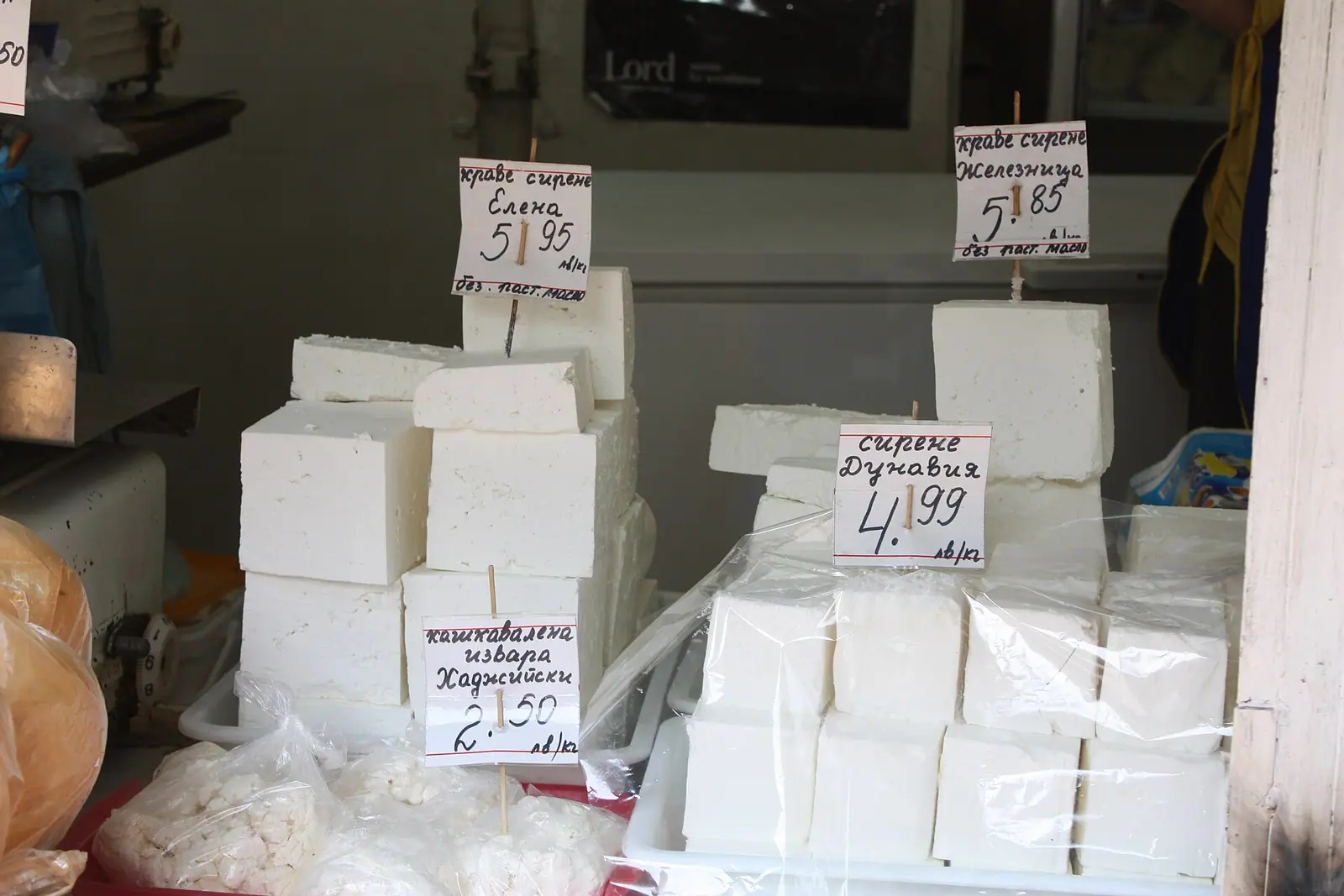
One shopper, whose weekly shop without meat costs €75, says she has felt the rise in food prices since the start of the year most in her bills of the past few months. She finds eggs, white cheese, yellow cheese and yoghurt the most expensive. Not everyone can afford to eat like this any more, she says. She does not know who gains along the chain, but she is sure it is not the shopper.
The owner of a dairy in Haskovo said raw milk has doubled in price in a few months, from 30 to 58 cents. She said the prices of yellow cheese, yoghurt and fresh milk must go up in line with the raw milk used and the water content.
The owner of a family wholesale firm said his markup is between 10% and 15% and barely covers his costs. He rejected claims that the sector makes 30% to 35%, calling that impossible. If the trade made such profits, traders would be better off than politicians, he added.
Bulgarian suppliers have raised their prices on the domestic market by 70% since 2021, said Nikolay Valkanov, the association's executive director. He listed what sets prices: supplier prices, rising costs for electricity, energy and transport, and wages. Valkanov also rejected claims of a "Velchova Zavera" (Velcho's conspiracy) over the price of white cheese, and asked whether the state-owned company takes part in it too.
Fresh milk from Bulgarian farms has not gone up by a single euro cent in 10 years, said Maya Manolova, head of the Consumer Protection Commission (KZP). She called 50 euro cents a litre, the price of a litre of mineral water, an "insultingly cheap price". The demand by the commission and the state that the retail chains obey the law is not a "Velchova Zavera", Manolova added.
Comments (0)
No comments yet.