
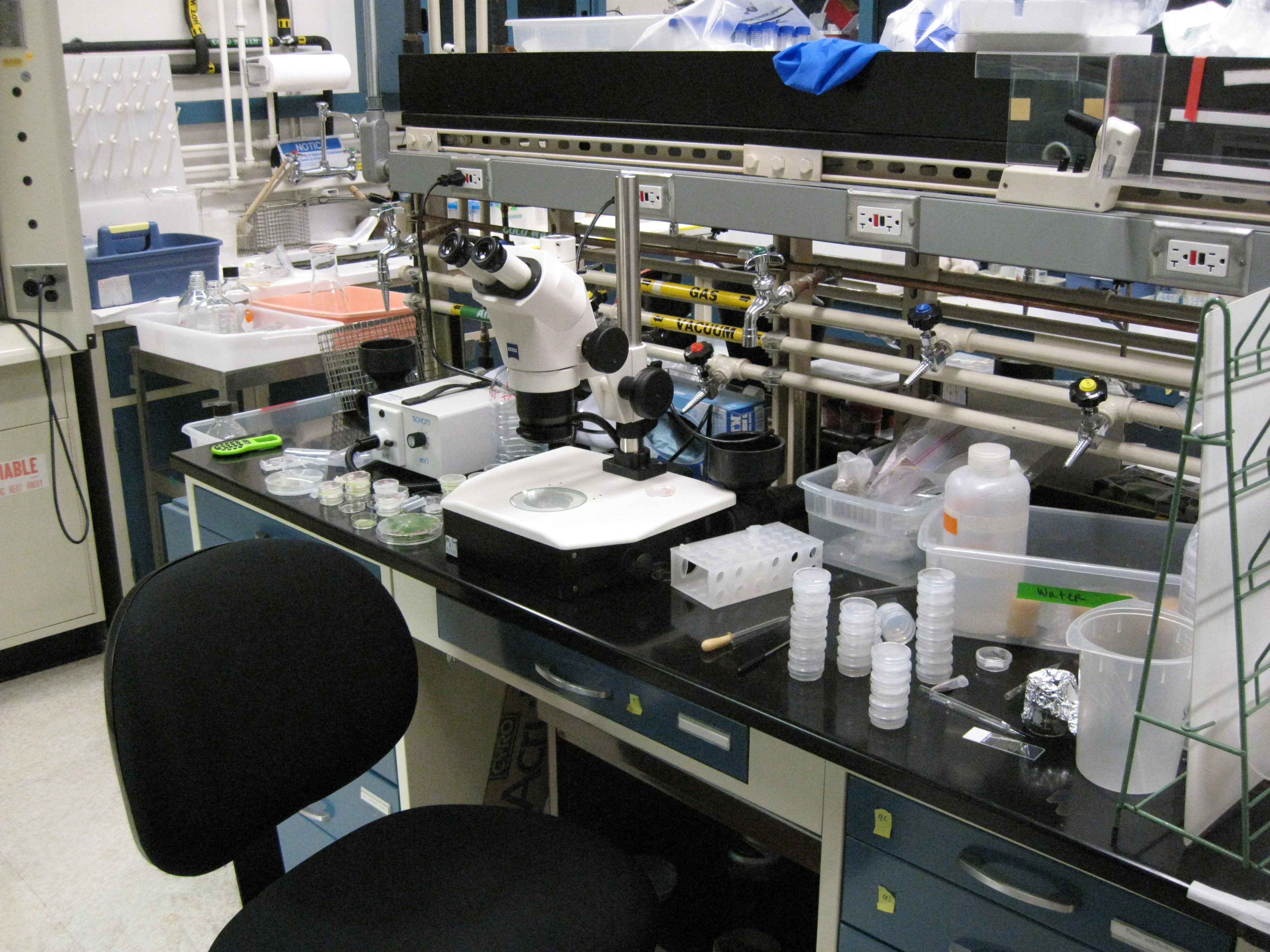
A team of researchers from the University of Minnesota Twin Cities reports that for the first time, they have succeeded in creating a fully synthetic cell assembled entirely from non-living chemical components. The new system is named "SpudCell" and is capable of "eating," growing, replicating its genome, and dividing – properties that bring it close to the basic functions of living cells.
A minimalist cell with a significant impact
The work of the team, led by Associate Professor Kate Adamala, published online on July 1, is the first described case in which several key cellular functions – growth, genome replication, and division – are combined into a single synthetic system. "SpudCell" contains approximately 150 to 200 molecules and a very compact genome with only 36 genes – about 50 times fewer than a typical bacterium.
How "SpudCell" works: chemistry instead of traditional biology
At the heart of the synthetic cell lies the well-known "PURE-system" – a set of biological molecules, including proteins and ribosomes, that ensure DNA transcription and RNA translation into proteins. The "SpudCell" genome encodes specific molecular "tags" on the surface that attract "pilot cells" – small liposomes delivering enzymes and nutrients necessary for growth.
A separate set of surface markers serves to trigger division: upon the addition of an external molecule – streptavidin – the system transitions to a division phase. Thus, "eating," growth, replication of genetic material, and division are combined in the synthetic system within a single context.
Systems chemist Job Boekhoven from the Technical University of Munich comments that "the ability to combine all these modules into a synthetic cell is precisely the breakthrough this field has been waiting for for so long," while at the same time emphasizing that the described results have yet to undergo scientific peer review.
Limitations: far from a truly living organism
Despite the impressive functions, "SpudCell" remains far from the complexity and autonomy of a real living cell. The division process is inefficient: to divide the cells, researchers must physically "pull" them through a membrane with microscopic pores. After five cycles of division, only about 30 percent of daughter cells retain the full genome.
An additional limitation is that the ribosomes in the system gradually degrade, and "SpudCell" has no mechanism of its own to synthesize new ones. This means that over time, the protein synthesis capacity decreases and the cell loses part of its functionality.
Controlled evolution: an experiment with artificial mutation
In one of the experiments, Adamala's team introduces a targeted mutation into the genome. It allows a portion of the "SpudCell" cells to produce more surface markers, absorb more nutrients, and consequently grow faster. These mutant cells displace the non-mutant ones within five cycles – a hint of a "selection" process.
The scientists emphasize that this is not true Darwinian evolution: the mutation does not arise spontaneously, but is added artificially by the researchers, and the division is performed mechanically. Nevertheless, the result shows how changes in a simple genome can influence the behavior of synthetic cells and lead to a "race" between variants of the same system.
The path to publication: journal rejection and open access
Another interesting aspect of the "SpudCell" story is related to the publication of the results. The article has not yet passed official peer review. Kate Adamala provided journalists with the 190-page manuscript under embargo before its publication on the "bioRxiv" preprint server. According to her, this happened after the prestigious journal "Cell" refused to accept the material.
Adamala states that she plans to submit the article to another scientific journal in the near future. Her decision to share the data in advance aims to accelerate the development of broader research in the field of synthetic cells and to allow more groups to test and build upon the described system.
"Biotic": a new platform for open research in synthetic biology
In parallel with the announcement of the results for "SpudCell," Stanford synthetic biologist Drew Endy and a group of scientists created "Biotic" – a non-profit public benefit organization aimed at uniting laboratories and providing open access to synthetic cell technology.
According to Endy, the organization has already attracted initial funding "on the order of 10 million dollars" and intends to distribute the majority of the funds in the form of research grants, starting in September. The goal is to stimulate the sharing of knowledge, standards, and tools between different research centers.
"This is like a spark," says Adamala about her decision to publish quickly, before the completion of peer review, to give momentum to broader research in the field of synthetic cells. According to her, it is precisely such open initiatives that can turn the first synthetic cells from a laboratory prototype into a platform for future applications – from biotechnology to fundamental studies on the origins of life.




Comments (8)
Мамка му! Картофени клетки?! 🤯 Сериозно ли го измислиха наистина? Аз да ви кажа - малко ме е наплашило това, деба. Не че съм против науката, разбирайте ме правилно, ама все едно си играем на богове... и то с картофи! Дано не се обърка нещо
Абе, хора, к'во се панирате? 😂 Картофенца деба! Ясно е, че е яко и напредък има, ама да не ни излезе някой картоф-зомби после, а? Шегувам се, разбира се. Важното е да гледаме да си поддържаме българските зеленчуци, здрави
Хм, интересно! Тази "SpudCell" деба… доста любопитно откритие. Не съм специалист, разбира се, но ми се струва, че това е стъпка напред в разбирането ни за живота – как може да се конструира от основни елементи? Все пак, колко далеч можем да стигнем с подобни експерименти и дали изобщо трябва? Дано учените са си направили добре домашната работа и знаят какво правят. Не е добра идея 😂
Абе, хораааа! 🤯 Тоя SpudCell е яко! Наистина яко! Честно, доста ме впечатли това, което прочетох. Да си сглобиш клетка от нулата - все едно да построиш къща от Lego-вците, ама на молекулярно ниво!
Е, наистина интересно звучи... Ама толкова "пробив" ли е всъщност или просто добре рекламирана научна стъпка? Ще видим какво ще кажат другите учени след рецензиите – дано не се окаже само хайп