
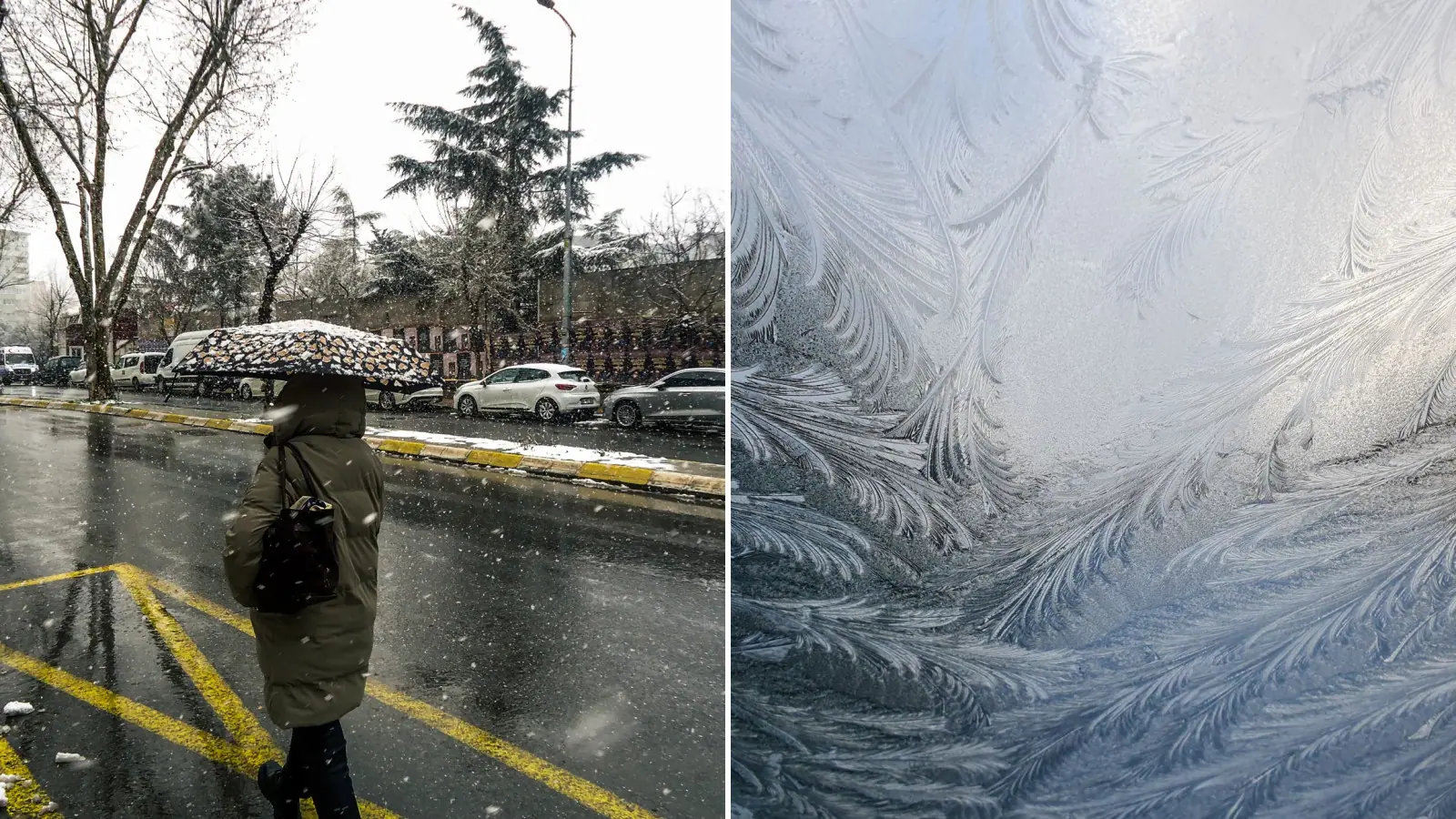
The National Institute of Meteorology and Hydrology (NIMH) expects November temperatures in Bulgaria to be near or below normal, with rainfall near or above normal. Lows on the Black Sea coast will range from 2C to minus 5C, according to its monthly forecast.
Forecaster Anastasia Kirilova gave the main figures to the Bulgarian news agency BTA on Wednesday.
Earlier on this story: November temperatures to be near or below normal, says weather institute
Across Bulgaria, lows will range from minus 7C to minus 2C, and highs from 20C to 25C. In past Novembers, warm air from the Mediterranean has pushed temperatures up to 27-30C.
In northern Bulgaria and the Upper Thracian Plain, the average temperature for the month is usually 5C to 8C. In the high fields it is 3C to 6C, on the Black Sea coast and in the Struma valley 8C to 10C, and in the mountains minus 5C to 3C.
Most of Bulgaria normally gets 40 to 70 litres of rain per square metre in November. In the south and in the mountains, the norm is 60 to 90 litres.
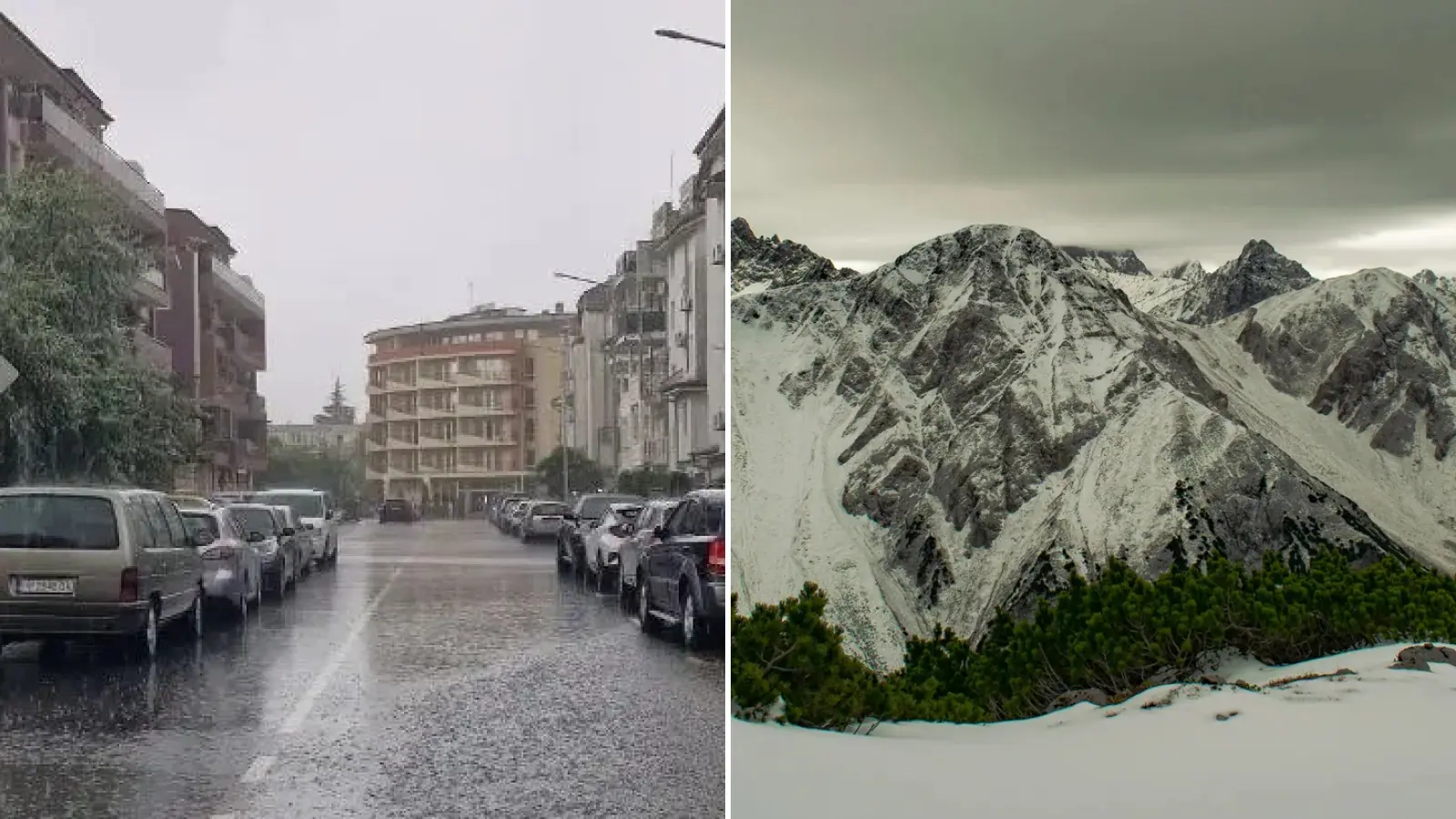
The first ten days will be fairly cold, mostly cloudy and rainy. Early in the month, rain in the high fields and low mountains of western Bulgaria will mix with snow or turn to snow.
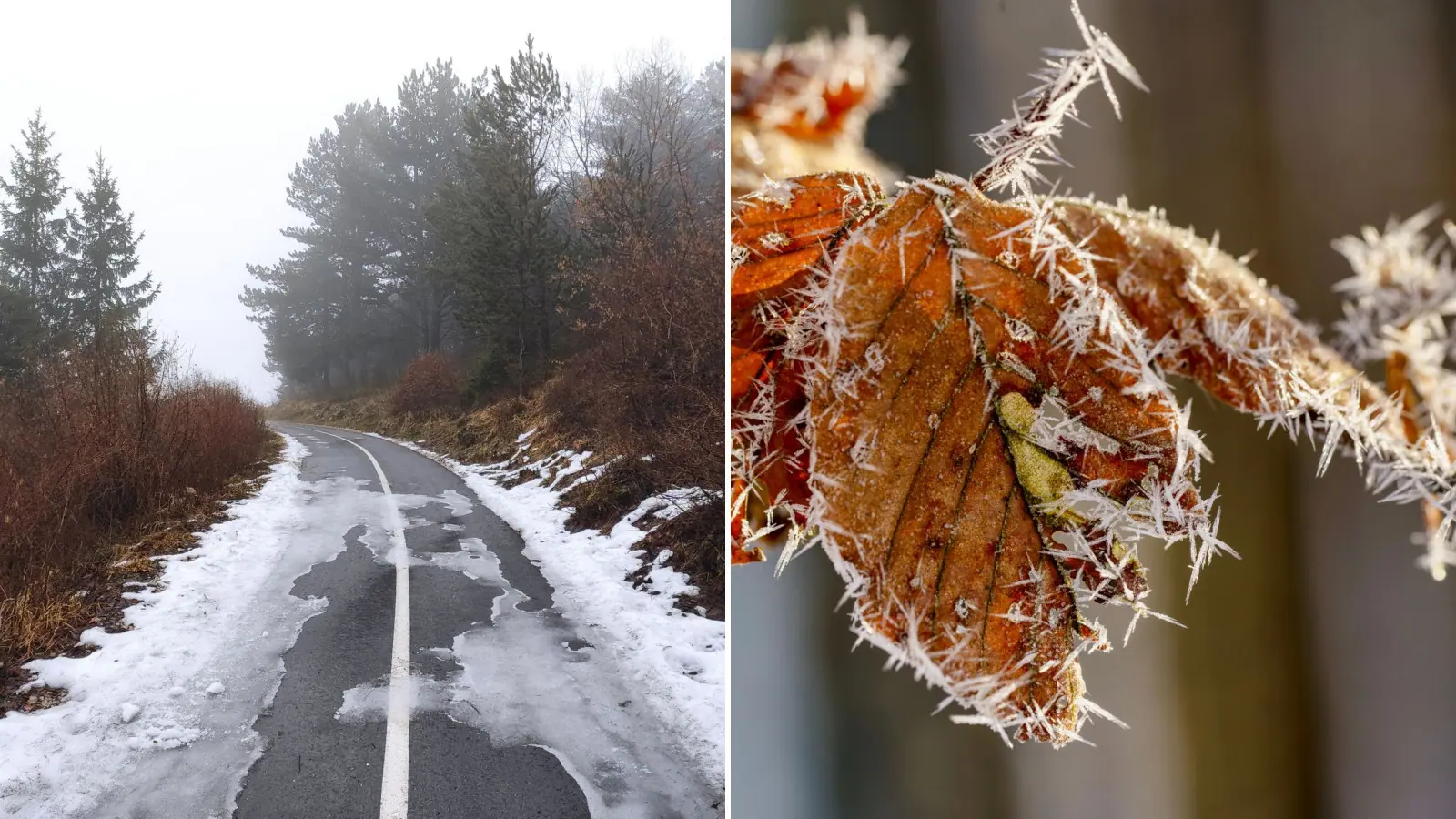
Most days between 11 and 20 November will be colder than usual. It will be cloudy with rain until the middle of that period. After that, rain becomes less likely and it warms up slightly. Lowlands and basins will be cloudy and foggy, while in the mountains the clouds will break up and thin out.
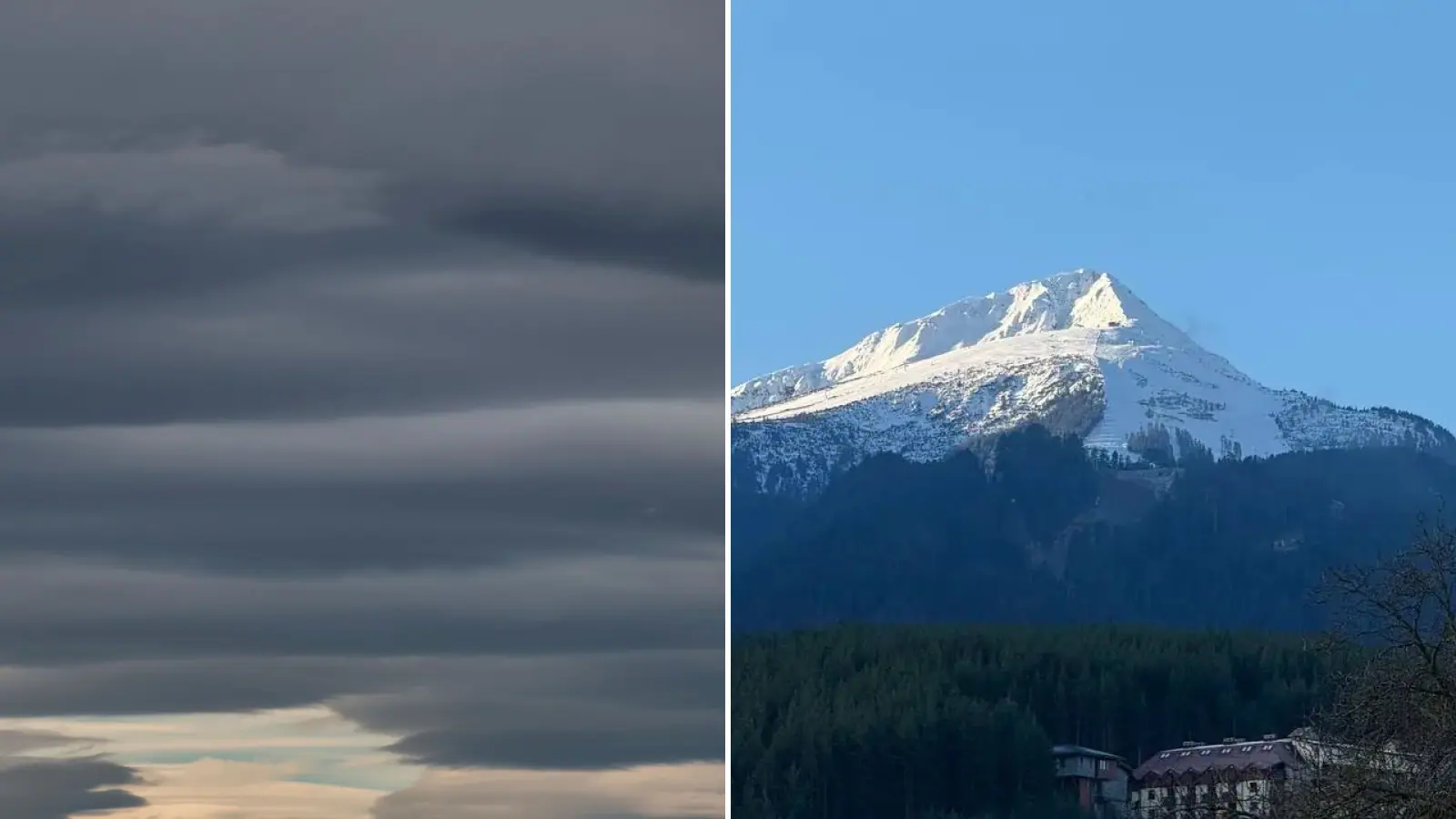
From 21 to 30 November, rain is unlikely and temperatures will be close to normal. On the plains, clouds and fog will linger before noon, with sunshine around midday and in the afternoon. The mountains will be mostly sunny.
November is when autumn turns into winter. The ground cools sharply at night, there are more cloudy and foggy days, and fewer calm autumn days. The weather changes more often, Arctic air reaches the Balkan Peninsula more often than usual, and snow is not rare.
Sunny, warm spells in November are known as "Gypsy summer" or "poor man's summer".
Comments (0)
No comments yet.