
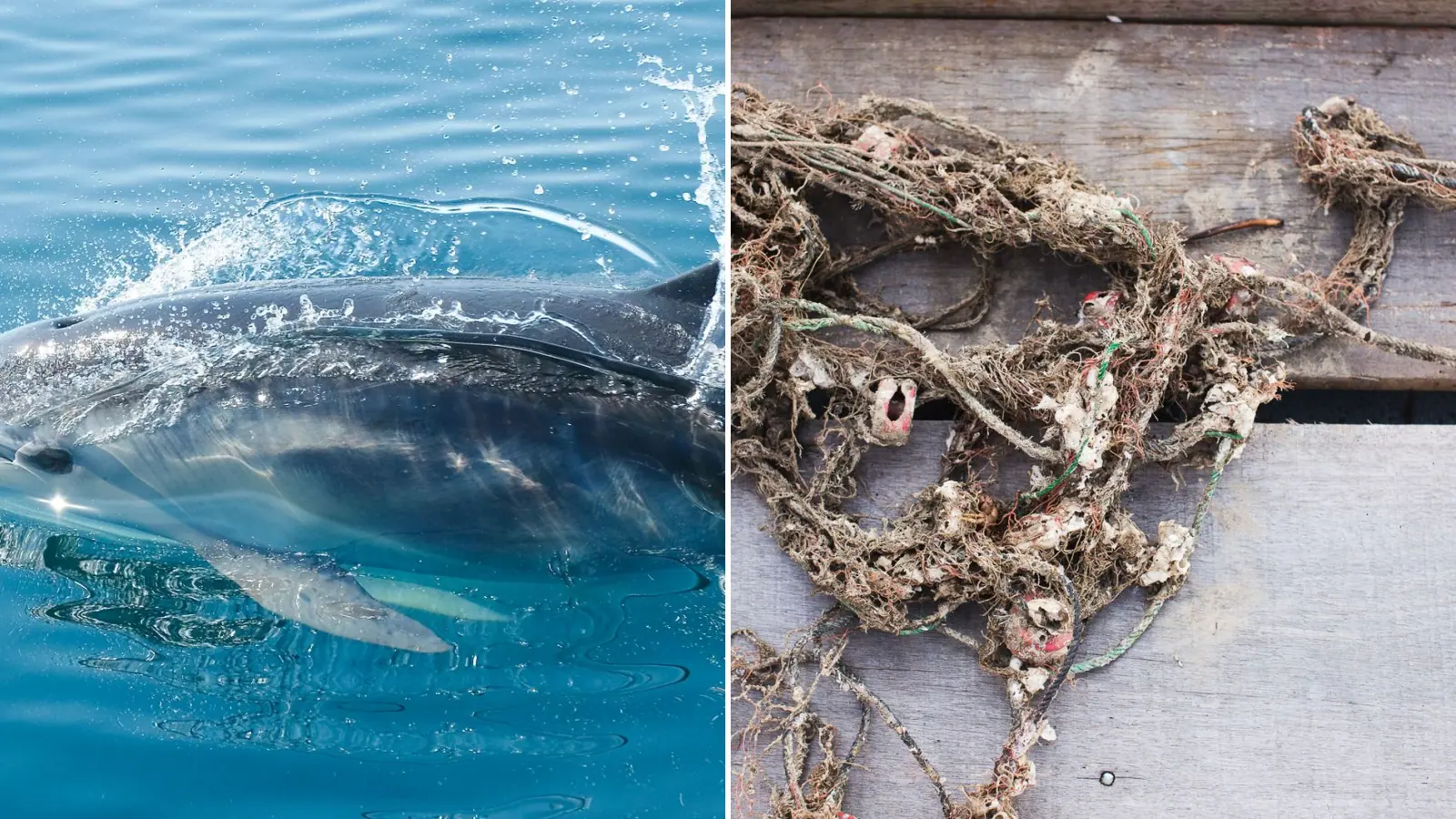
Dolphins and porpoises are dying more often in the Black Sea, and the main causes are fishing nets, Russia's war on Ukraine and pollution, a new Greenpeace Bulgaria report says. It is out today, 31 October, to mark International Black Sea Day.
Greenpeace is now calling for urgent action. The report was written by marine biologist Pavel Goldin of the Institute of Zoology at the National Academy of Sciences of Ukraine and the group BioEcoLinks. He says mass deaths are becoming more frequent.
What happened before: Greenpeace proposes aerial survey of Black Sea cetaceans after the war
An unusually high number of animals died in 2022 and 2023. In 2025 there were new cases after the oil spill in the Kerch Strait, and in 2026 another wave of mass deaths followed.
This year the environment inspectorates in Burgas and Varna received more than 200 reports of dead cetaceans. The Environment Ministry says that from the start of the summer season to 28 July, the Burgas inspectorate logged 97 reports and the Varna one 112. Experts say this is a rise on the same period last year.
In March, 9 dead cetaceans and more than 300 seabirds were found near Shabla and Durankulak. Tests on some of the animals showed they had drowned, and the bodies of the marine mammals bore marks from fishing nets. The Environment Ministry sent the material to prosecutors.
Nets are among the biggest threats. A study cited in the report found that as of 2019, at least 11,800 porpoises a year were accidentally caught in fishing nets. That is more than 4% of their whole population in the Black Sea. Other estimates put the toll at up to 20,000 animals in some years.
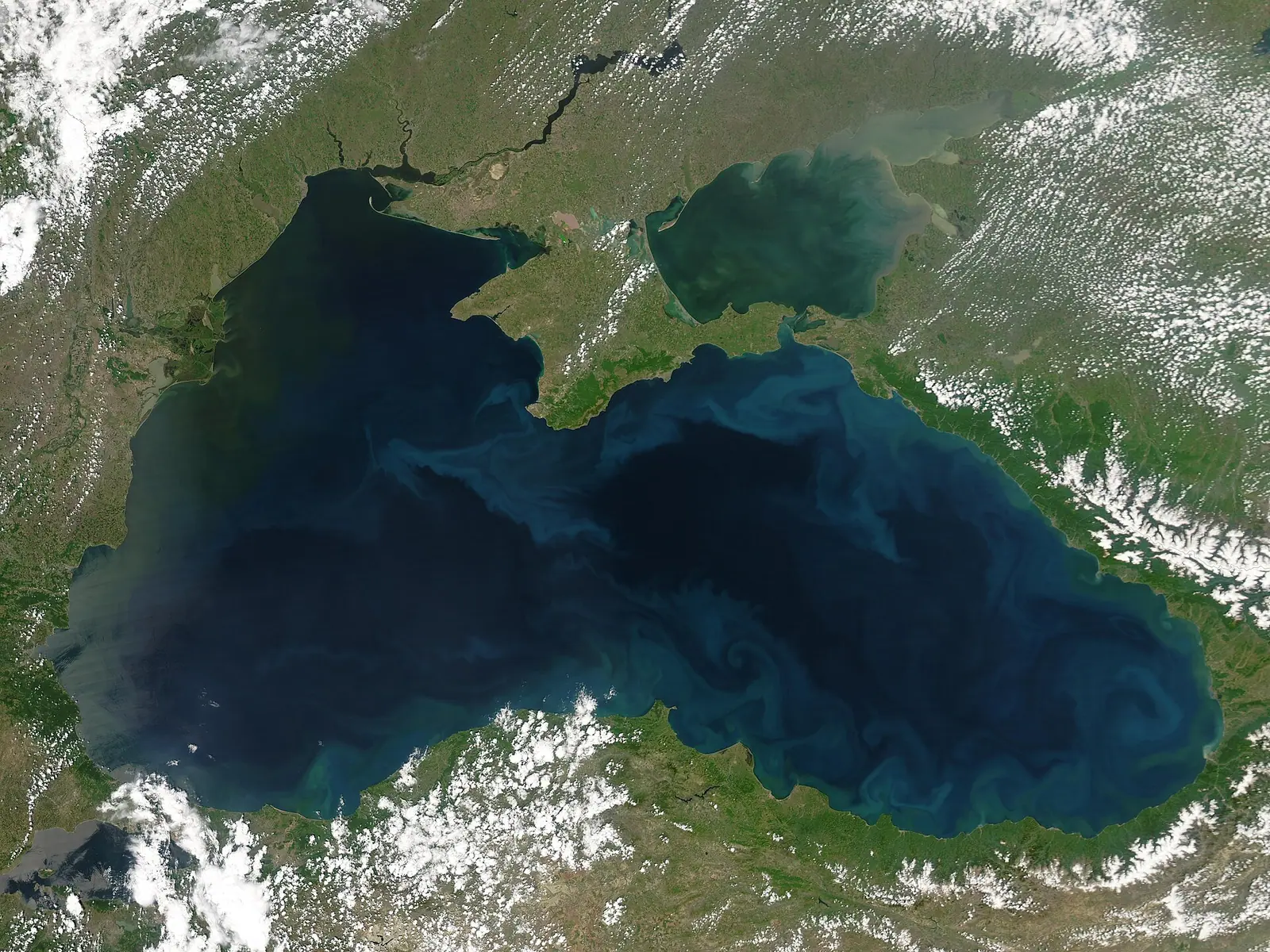
Three species of cetaceans live in the Black Sea: the common dolphin, the bottlenose dolphin and the harbour porpoise, also known as the "mutkur". The International Union for Conservation of Nature lists all three as vulnerable or endangered.
"New threats such as attacks on ships, explosions and the risk of pollution from oil and gas drilling put extra pressure on a marine ecosystem that is already in danger," said Martin Tomov, coordinator of the "Living Black Sea without Oil and Gas" campaign at Greenpeace. He added: "The Black Sea is home to many valuable species."
The report says underwater noise is also dangerous. Explosions and loud sound pulses can badly injure the animals. Long-lasting noise from offshore installations and from oil and gas surveys disrupts their natural behaviour.
The researchers warn that not every dead animal is a victim of the fighting, and each case needs scientific study to find the cause. This is often hard, because the bodies are badly decomposed.
For this reason, the Environment Ministry urges people, fishermen and divers to report a dead or struggling dolphin or porpoise as soon as they find it. A quick report lets specialists take samples and find the cause of death before the body decomposes, the ministry said.
Greenpeace wants more protected marine areas, fewer animals caught by accident in nets, monitoring of underwater noise and pollution, and mine clearance of the seabed.
The group is already tracking cetaceans in the waters of the southern Black Sea coast. Results are expected in early 2027.

Comments (0)
No comments yet.