
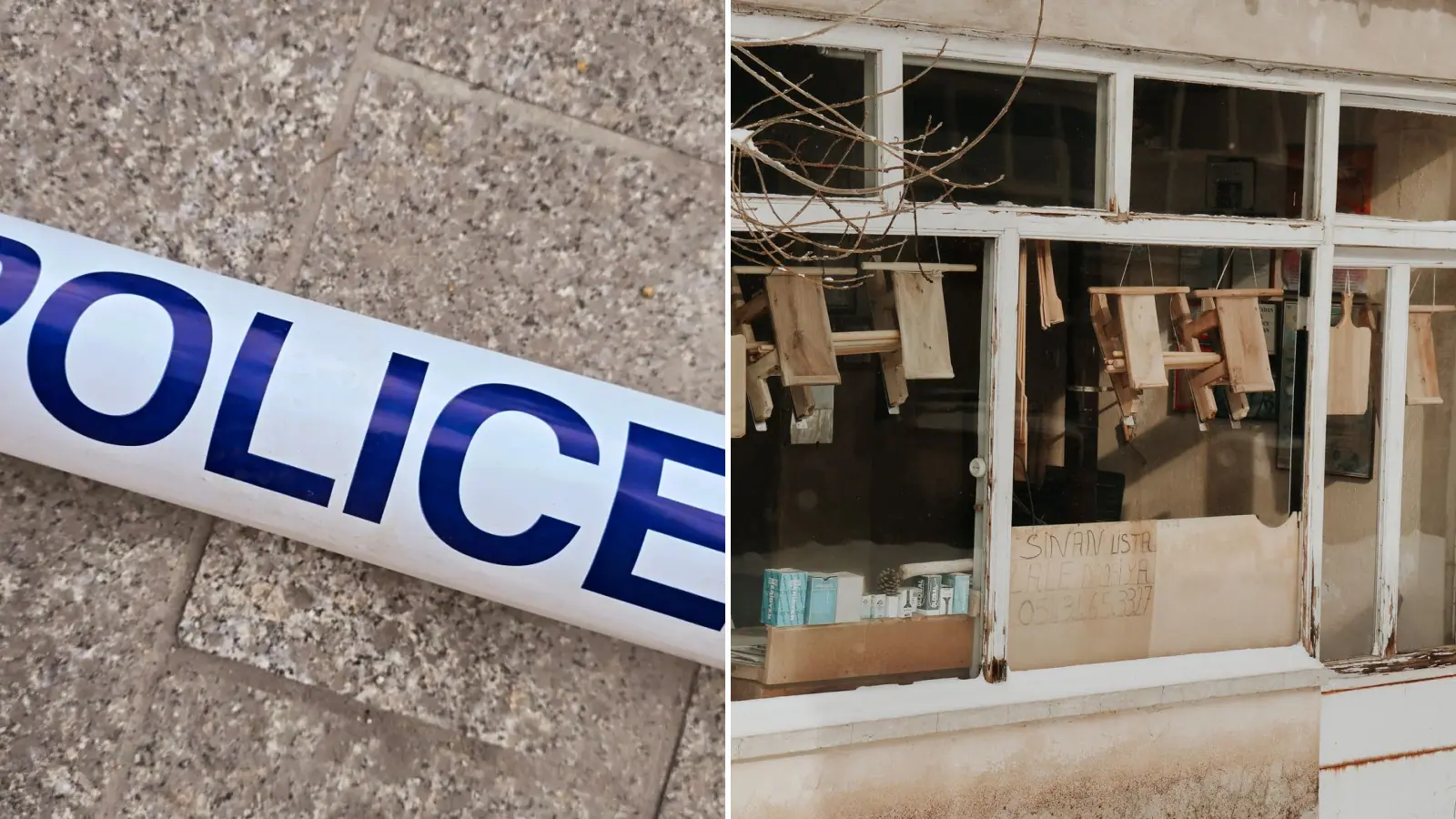
France and Italy are bracing for another weekend of mass protests, with more police, troops on the streets, cancelled events and boarded-up shop windows. Up to half a million people could take to the streets in France, where President Emmanuel Macron's government has banned gatherings to stop looting and vandalism.
France will have 20% more police on duty this weekend than in recent days. Macron says the measures are meant to protect town centres, shops and public buildings. He said the rules are simple and based on common sense, and that people should stay away from all demonstrations in the coming days.
"The absolute priority is to restore calm," Macron said.
UNEF, the leading student union, has called a protest for today. The "Yellow Vests" have announced a march through central Paris. In Orléans, Marine Le Pen is holding a congress of her far-right National Rally, and large counter-protests are planned against it.
Many traders, restaurants and cultural venues are closing for the weekend, and many events have been cancelled. Some businesses are hiring private security. The business council in Marseille formally advised traders to board up their windows and keep shops shut. The Louvre, the world's largest museum, is closed to visitors. The Art Basel Paris contemporary art fair has cut its programme and will close early.
The unrest broke out last week on the fringes of peaceful protests. Justice minister Gérald Darmanin said 2,500 people have been arrested, 174 of them are in custody, and more than 900 face court proceedings. In Limoges, two people were arrested over arson at the town hall.
Macron said a group that came only to steal is behind part of the unrest. The worst violence, he said, comes from "political and insurrectionary actions by far-left groups whose aim is to overthrow the republic".
The Paris prosecutor's office said 68% of those held in custody are adults, not high school pupils, and that most are young people without jobs. "The vast majority of those we brought before the courts had never been convicted before," prosecutor Laure Beccuau said.
Lawyers are angry that hundreds of cases have swamped the courts. They say they have no time even to meet their clients and prepare their defence.
On Thursday, Macron called an emergency meeting of the Defence Council with ministers and is weighing further security measures. Yesterday in Paris he held his first talks with the leaders of the student protests. Prime minister Sébastien Lecornu also met representatives of the main parties on Thursday to agree on working together. He is due to speak with the mayors of the biggest cities.
The protests began last month at a high school in the Paris suburb of Créteil, over a shortage of teachers and the poor state of school buildings. They then grew into blockades and strikes across France, and the pupils' revolt is merging with anger over rising living costs. France elects a president in 6 months, and the vote will decide Macron's successor.
In Italy, police searched homes and people in 18 cities after the unrest on 17 and 18 October. The searches affected about 100 people, 51 of them minors, who were identified during the serious disorder. Courts ordered some of the raids, and police launched others on their own initiative.
In Bari, investigators suspect a larger group of young people and minors was planning to loot shops.
Milan, Rome and Turin are stepping up security ahead of new protests set for today in several cities. Italian security services fear fake gatherings at Circo Massimo and other squares, meant to stretch police thin. They also fear a repeat of last weekend's guerrilla-style clashes, and that younger protesters will link up with radical activists, anarchists and groups that took part in violent demonstrations.
On Wednesday, the Italian government passed a decree with emergency measures on public order and on crime among minors. It allows preventive detention of minors, tougher penalties for organised violence, and 500 more troops on the streets of Milan.
In the coming days, 500 paratroopers from the elite Folgore brigade, based in Siena, will be in the city. Together with police and carabinieri, they will patrol and watch from the air with drones. Luxury goods traders are getting ready, and some plan to cover their windows with wooden boards.
Comments (0)
No comments yet.