
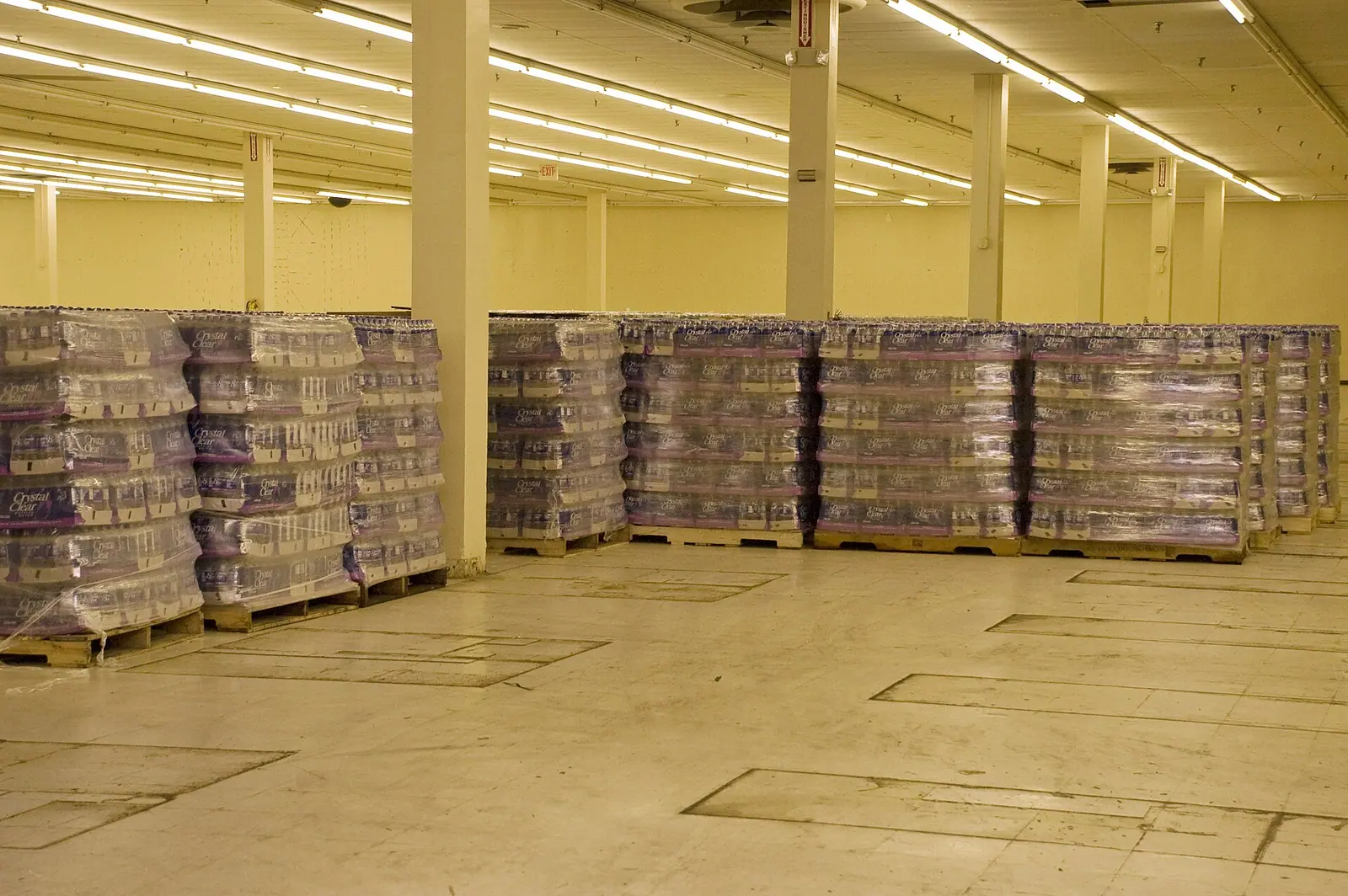
The EU is again calling on people to keep emergency supplies at home for at least 72 hours. This time it also wants parents to teach their children how to react in a crisis.
On Wednesday, EU commissioner Hadja Lahbib presented guidance at the European Civil Protection Forum that says households should have food and water for the first three days of a disaster. The document is not legally binding.
See also: EU Commission urges people to keep food and water for three days in case of disaster
Brussels first made the 72-hour call a year and a half ago, a month before the big blackout on the Iberian Peninsula. The supplies are meant to help a family cope on its own only during a long break in public services or trade.
The new advice follows cyberattacks on supermarket chains in Europe, an attack on France's national blood bank and fake bomb threats against planes.
The first attacks on food retailers began in mid-October in France, Belgium and the Netherlands. France was hit hardest. Hackers broke into the remote control system for supermarket fridges and set them to thaw quickly. The temperature reached 50°C and frozen food spoiled. In all, 700 supermarkets were affected, with damage running into millions of euros.
In Belgium and the Netherlands, hackers disrupted self-service checkouts and home grocery deliveries.
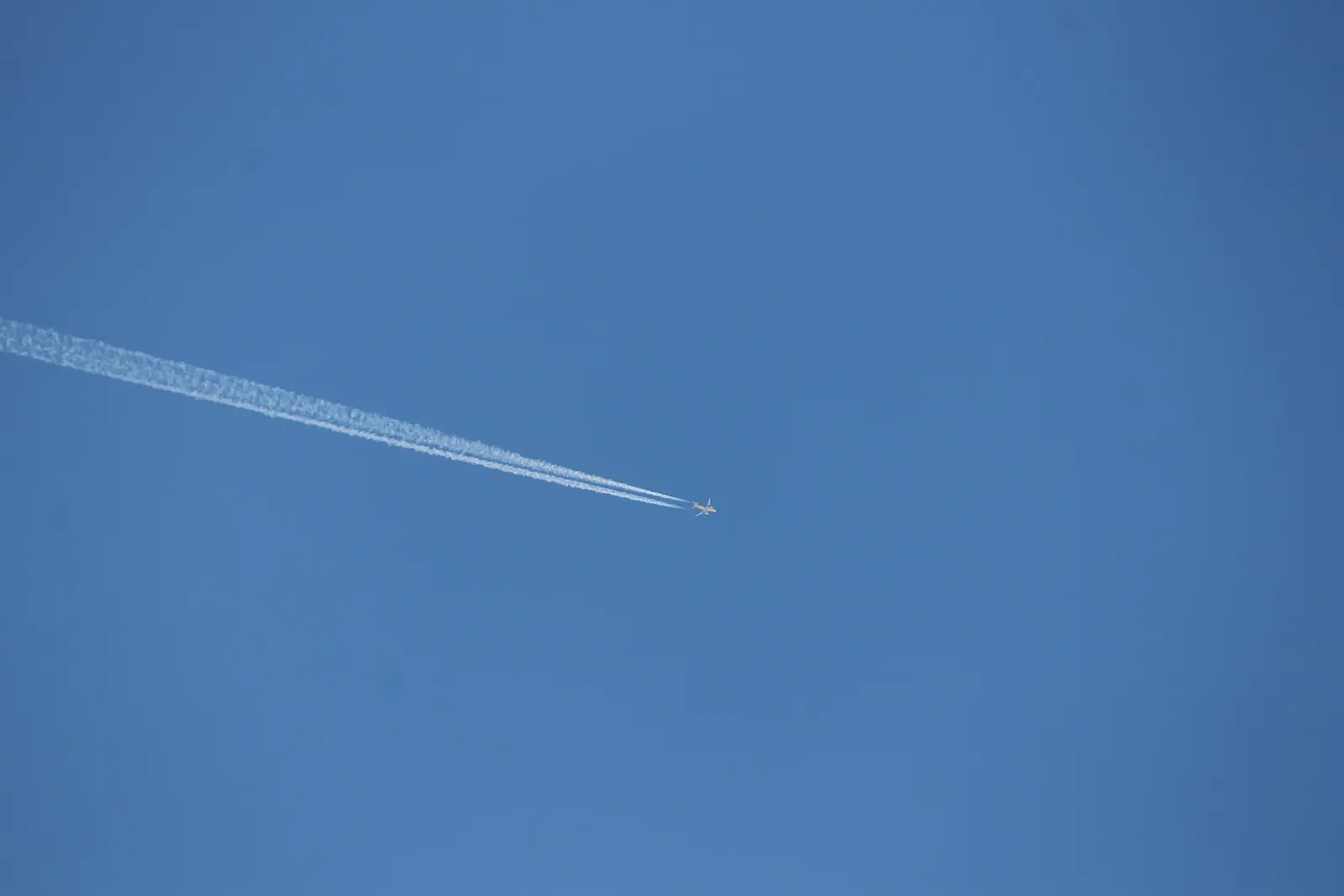
European flights received fake bomb threats this week. On Thursday, 25 passenger planes got warnings of explosive devices on board. On Friday, 16 flights were directly affected by security alerts, four of them to Madrid. Ireland's national broadcaster was also evacuated in a hurry after a similar warning.
The water in an emergency kit is for drinking, cooking and basic hygiene. Survival instructor Ignacio Ortega says each person needs at least 1.5 litres a day for drinking alone.
Food should keep for a long time, be high in calories and need no electricity to cook or store. Tinned food, dried fruit, nuts and chocolate are all suitable.
The kit should also hold cash, in small notes and coins, for when cash machines stop working because networks fail. The first aid box should have the prescription medicines of family members, sterile dressings, bandages, disinfectants and the usual first aid items.
If the power is out, people will need a torch, a battery or wind-up radio, a charged power bank for the phone and spare batteries to stay in touch and find their way.
Experts say homes should also have basic toiletries, warm spare clothes, blankets, and copies of ID cards, passports and health cards. Documents and items should be kept in waterproof bags that protect them from damp.


Comments (0)
No comments yet.